Les Champs au bord de la mer — History & Analysis
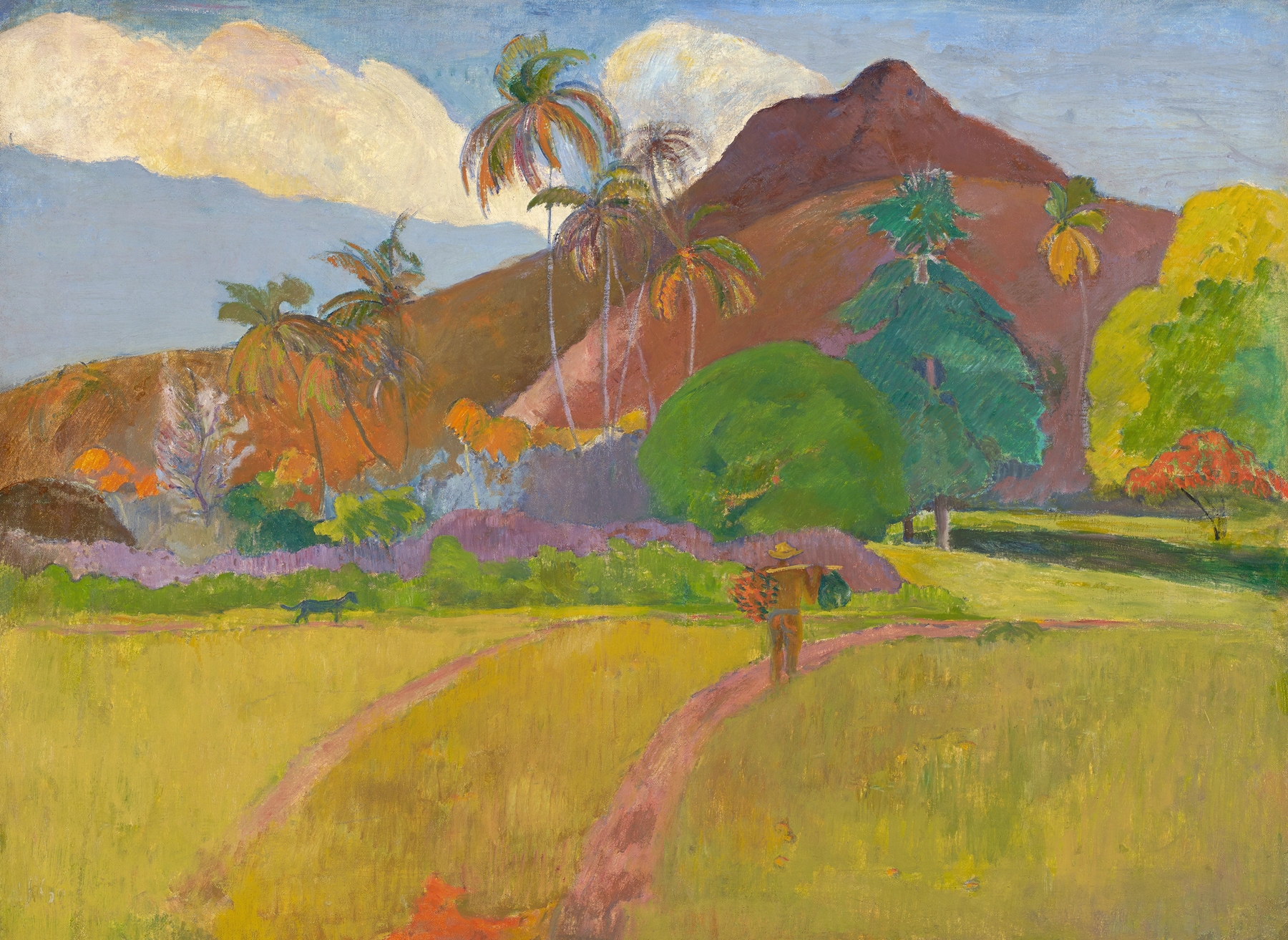
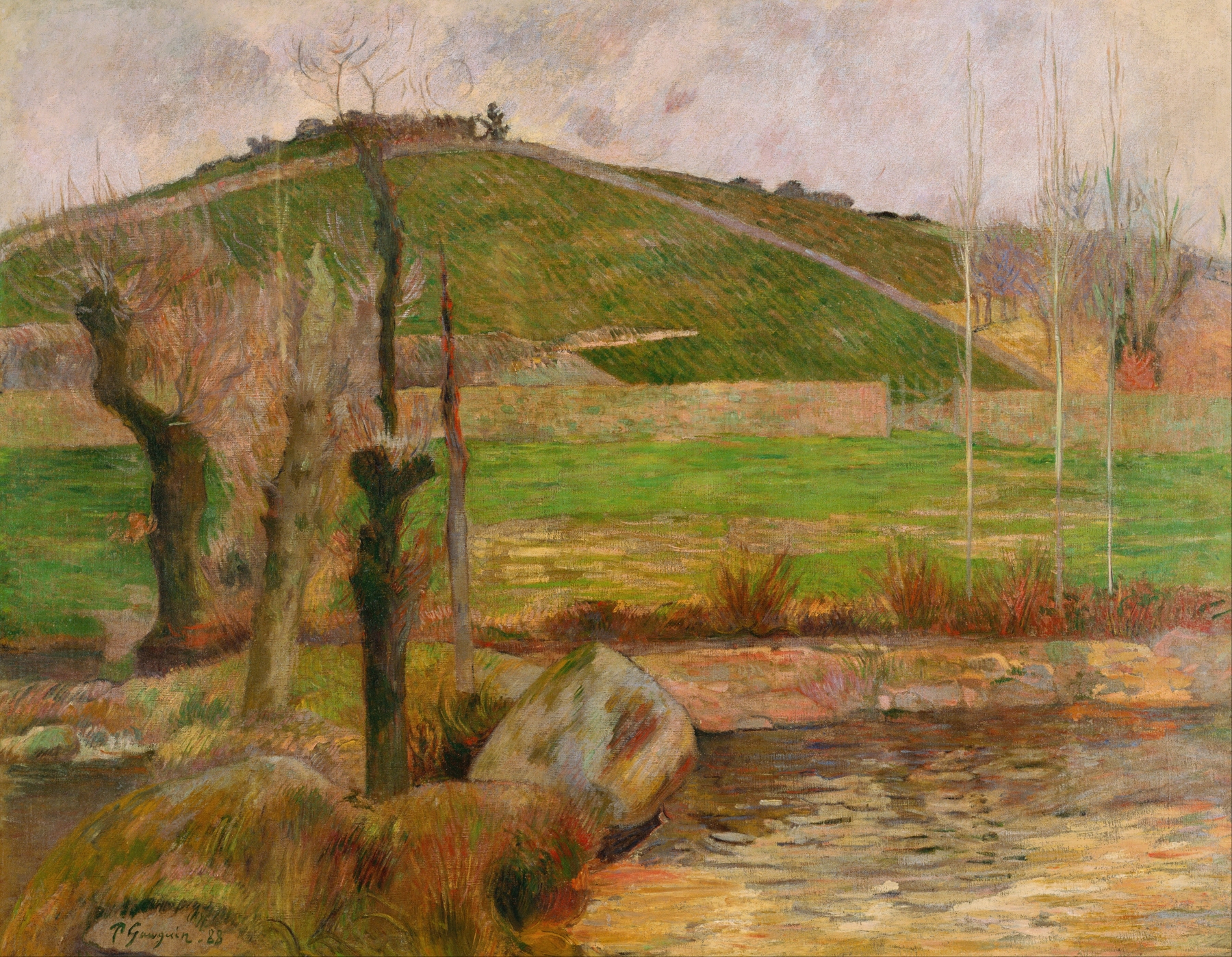
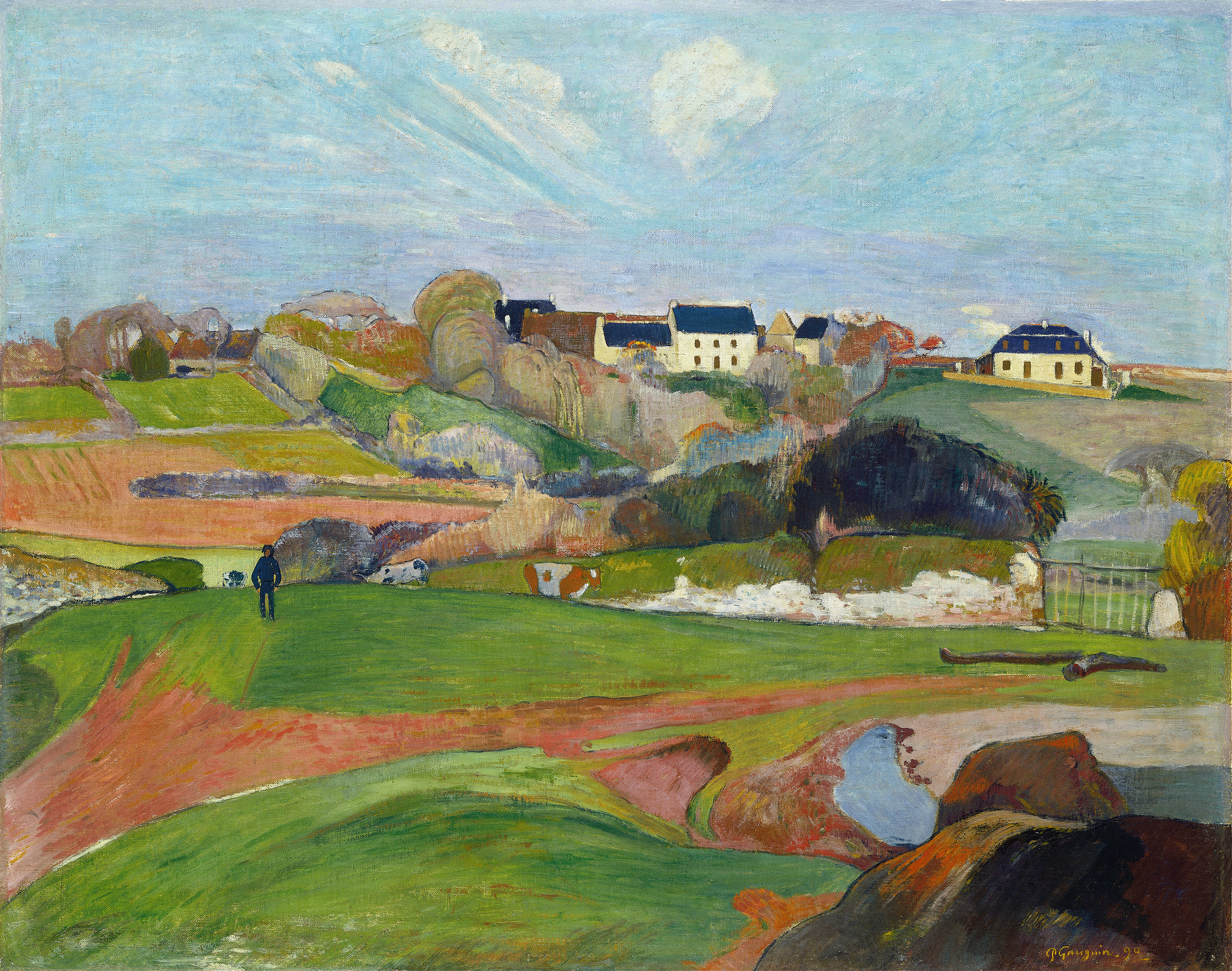
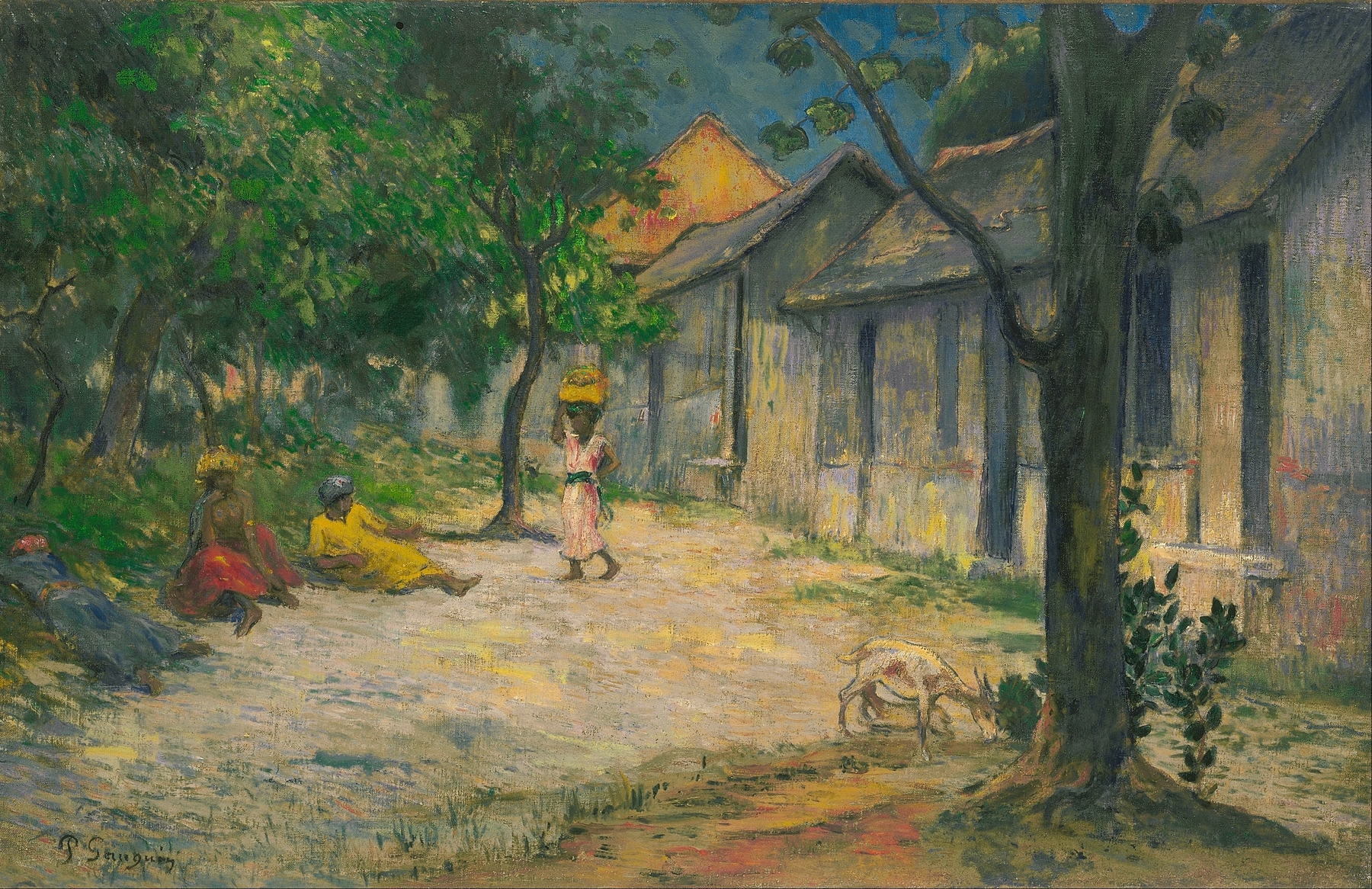
What secret hides in the quiet of the canvas? Underneath the vibrant hues, Les Champs au bord de la mer invites the viewer into a world where color dances with emotion, evoking a sense of ecstasy that pulses through the landscape. It whispers of what lies beneath the surface, daring us to uncover the stories veiled in each stroke. Look to the horizon, where the deep blue of the sea meets a rich, golden field. Notice how the sun spills onto the land, casting warm light that radiates through layers of greens and yellows.
Each brushstroke is deliberate, creating a textured rhythm that draws your eye toward the distant trees swaying gently, as if they too are caught in the ecstasy of the moment. The interplay of light and shadow reveals Gauguin's masterful use of color, enhancing the canvas's vibrancy while inviting contemplation. Delve deeper, and you'll find contrasts that speak volumes: the wild energy of nature against the stillness of the human experience. The absence of figures leaves a haunting solitude, suggesting a longing for connection amid the beauty. The bold colors represent not just joy, but also a yearning that permeates the landscape.
This painting encapsulates the duality of ecstasy and isolation, prompting introspection about our relationship with nature and ourselves. In 1889, while in Pont-Aven, Gauguin sought to escape the constraints of academic art and embrace a more primal, emotional expression. This period marked a pivotal moment in his development, as he explored symbolism and sought to connect with the spiritual essence of landscapes. The world was changing rapidly, and here, he captured a fleeting moment of both ecstasy and tranquility, reinforcing his belief in art's power to transcend reality.