
Les chevalets sur la Cure — History & Facts
When did color learn to lie? In a world where hues emerge as whispers, their vibrancy unveils truths hidden beneath the surface, weaving narratives of rebirth and renewal. Look to the foreground where easels stand like sentinels, their dark silhouettes contrasting sharply against the sun-drenched backdrop. Notice how the light dances across the canvas, illuminating the vivid palette of greens and blues that breathe life into the scene. The brushstrokes are both confident and expressive, suggesting the artist's delight in capturing the essence of nature.
Each stroke invites the viewer to engage, drawing the gaze deeper into the tranquil landscape. As you explore the painting further, consider the unspoken dialogue between nature and the creative spirit. The juxtaposition of the rigid easels with the fluidity of the surrounding scenery speaks to the tension between structure and freedom, tradition and innovation. Additionally, the choice of color conjures feelings of rejuvenation, as if the very act of painting breathes new life into the landscape, echoing the cycles of growth inherent in nature itself. Maximilien Luce painted Les chevalets sur la Cure in 1908 during a period of rich artistic evolution, influenced by Impressionism and Neo-Impressionism.
Living in France, he was deeply engaged with the avant-garde movements of his time, seeking to capture the interplay of light and color. At this juncture, the art world was undergoing a significant transformation as artists began to embrace techniques that emphasized subjective experience, setting the stage for the modern art movements that would follow.
More Artworks by Maximilien Luce
Browse all →
Le Quai Montebello Et La Colline Sainte-Geneviève
Maximilien Luce

Le Pont-Neuf, La Seine, Petit Bras
Maximilien Luce
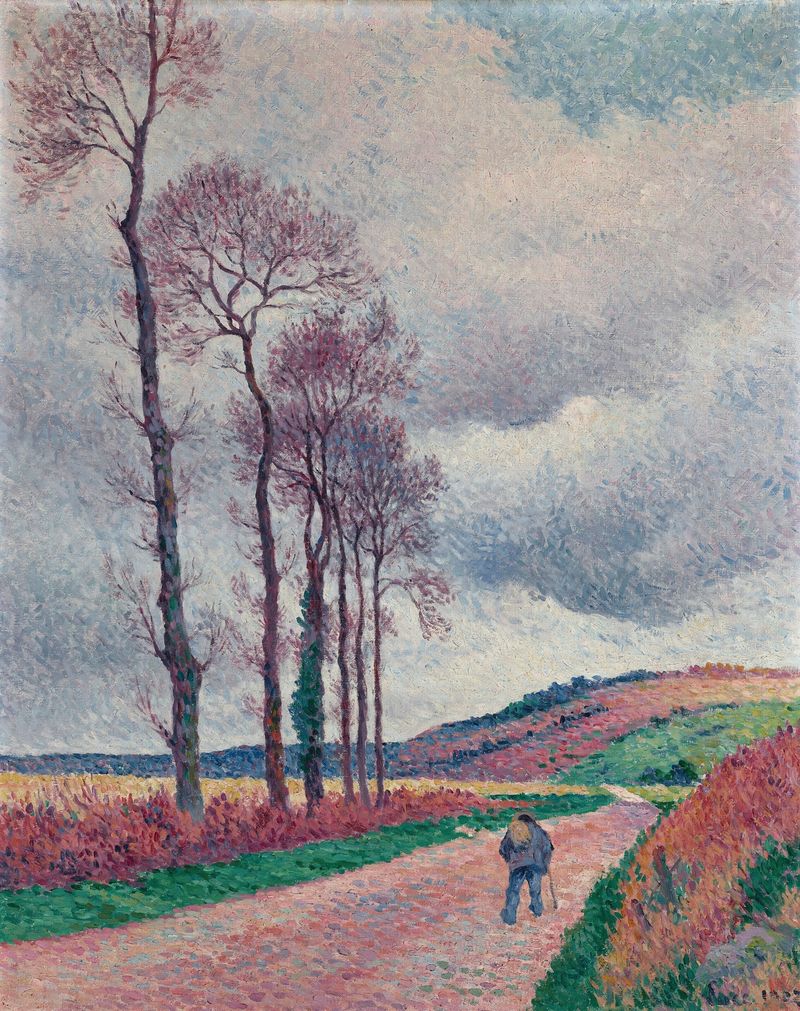
La route aux environs de Méréville
Maximilien Luce
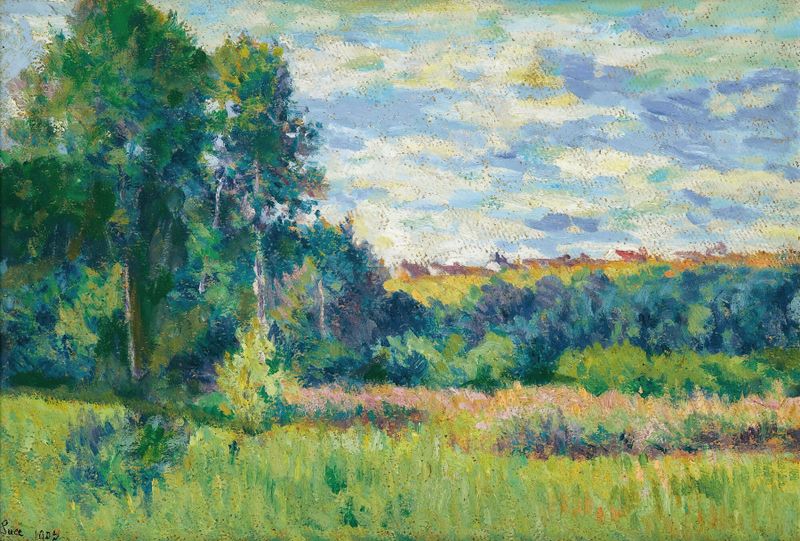
Paysage
Maximilien Luce
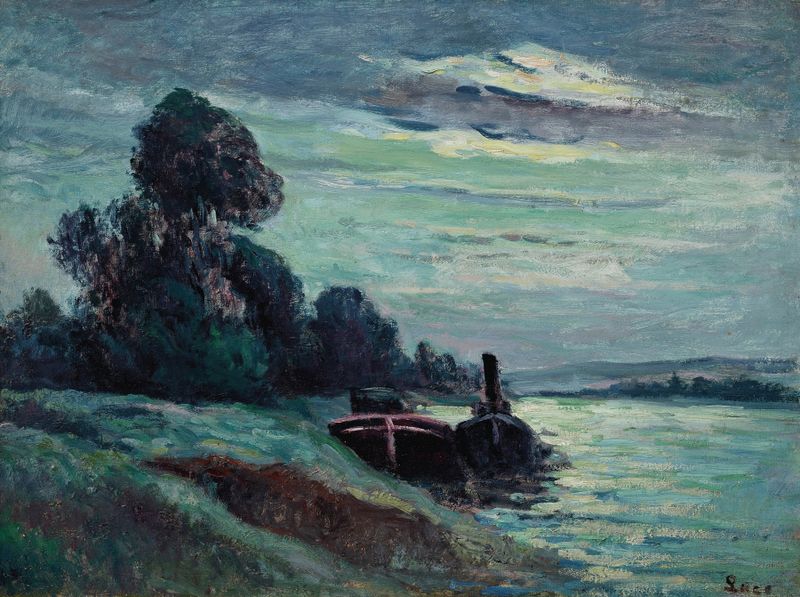
Péniches sur la Seine
Maximilien Luce

Notre Dame de Paris
Maximilien Luce
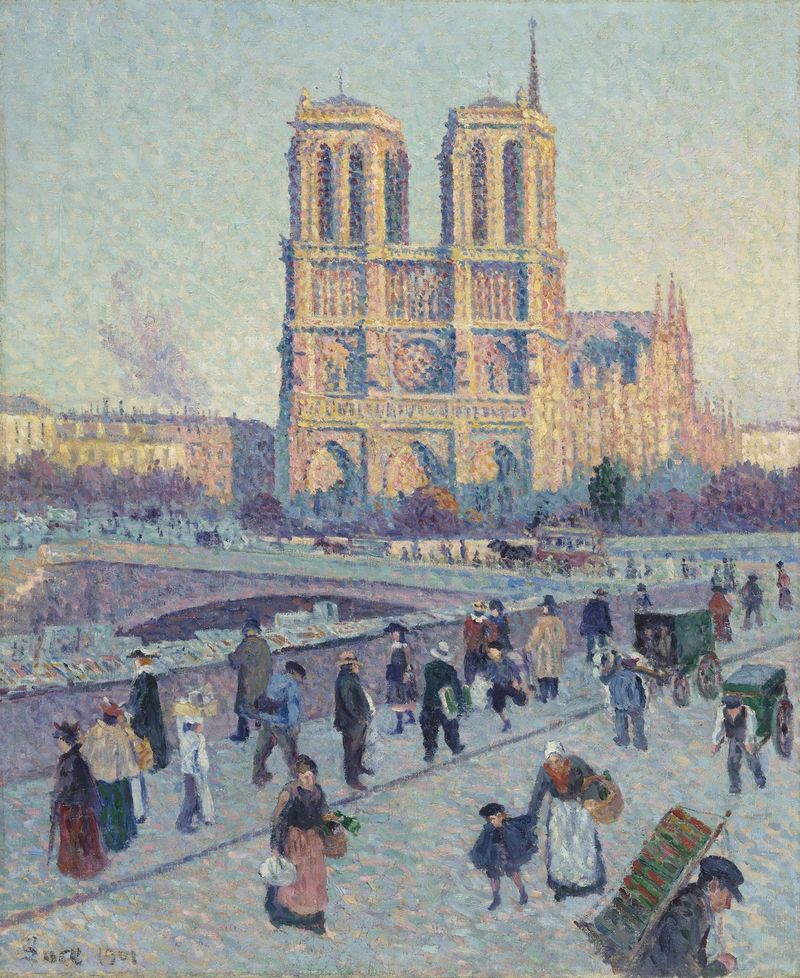
The Quai Saint-Michel and Notre-Dame
Maximilien Luce

La Seine au Pont Mirabeau
Maximilien Luce
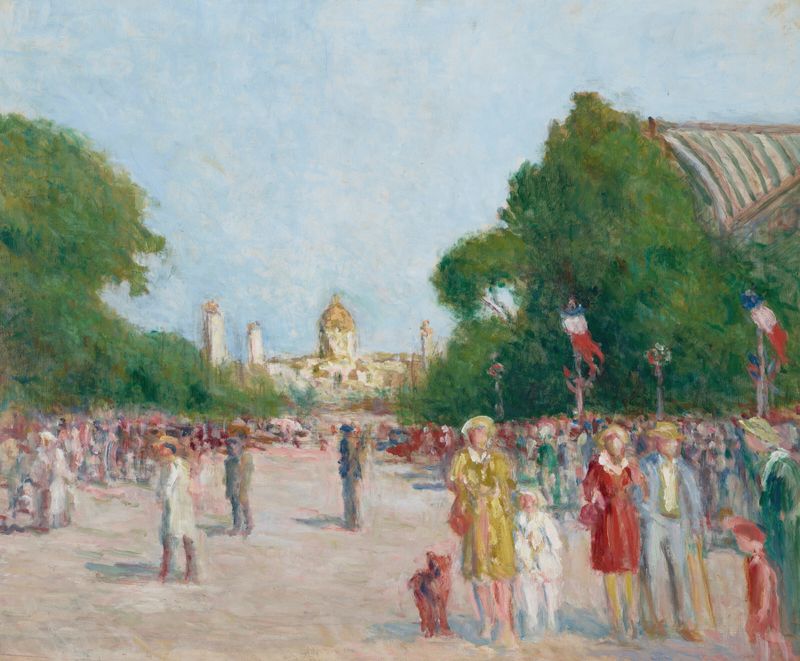
L’avenue Winston-Churchill, Paris
Maximilien Luce

Paris, Le Quartier De Vaugirard
Maximilien Luce





