Les Deux boeufs et la ferme — History & Facts
In the hands of an artist, revelation emerges through vibrant colors and intricate forms, inviting us to rethink the everyday. Look to the left, where two gentle bulls stand, their sturdy bodies rendered in rich hues of ochre and deep browns. Notice how the light dances across their hide, illuminating the textures and shadows that define their presence. The surrounding farm, painted in soft greens and blues, frames them, creating a serene yet dynamic composition.
Bonnard’s use of contrasting color adds depth, drawing attention to the emotional interplay between the animals and their environment. Hidden within this pastoral scene are layers of meaning that speak to the complexities of rural life. The bulls, symbols of strength and labor, seem almost contemplative, reflecting a stillness amid the vibrancy of nature. The farmhouse in the background, though slightly abstracted, evokes a sense of familiarity and warmth, suggesting a connection to home and the simplicity of existence.
Bonnard captures not just the physicality of the scene, but the emotional resonance it carries, inviting viewers to ponder the harmony between man, animal, and the land. In 1912, Bonnard created this work while living in France, a period marked by the rise of modernism in art. Amidst the vibrant artistic conversations of the time, he sought to break free from traditional representation, focusing instead on evoking emotion through color and form. This period was pivotal for him, as he began to explore more intimate themes that would define his later works, blending personal experience with broader reflections on life.
More Artworks by Pierre Bonnard
Browse all →
Les deux fiacres (Boulevard des Batignolles)
Pierre Bonnard

Le Balcon Et L’ombrelle
Pierre Bonnard

Paysage de Vernon
Pierre Bonnard

Place Pigalle at Night
Pierre Bonnard
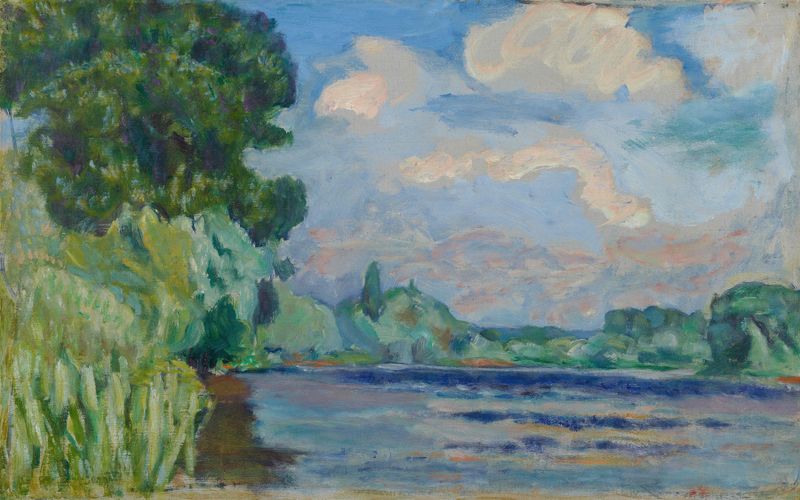
La Seine à Vernon
Pierre Bonnard

Les Toits
Pierre Bonnard
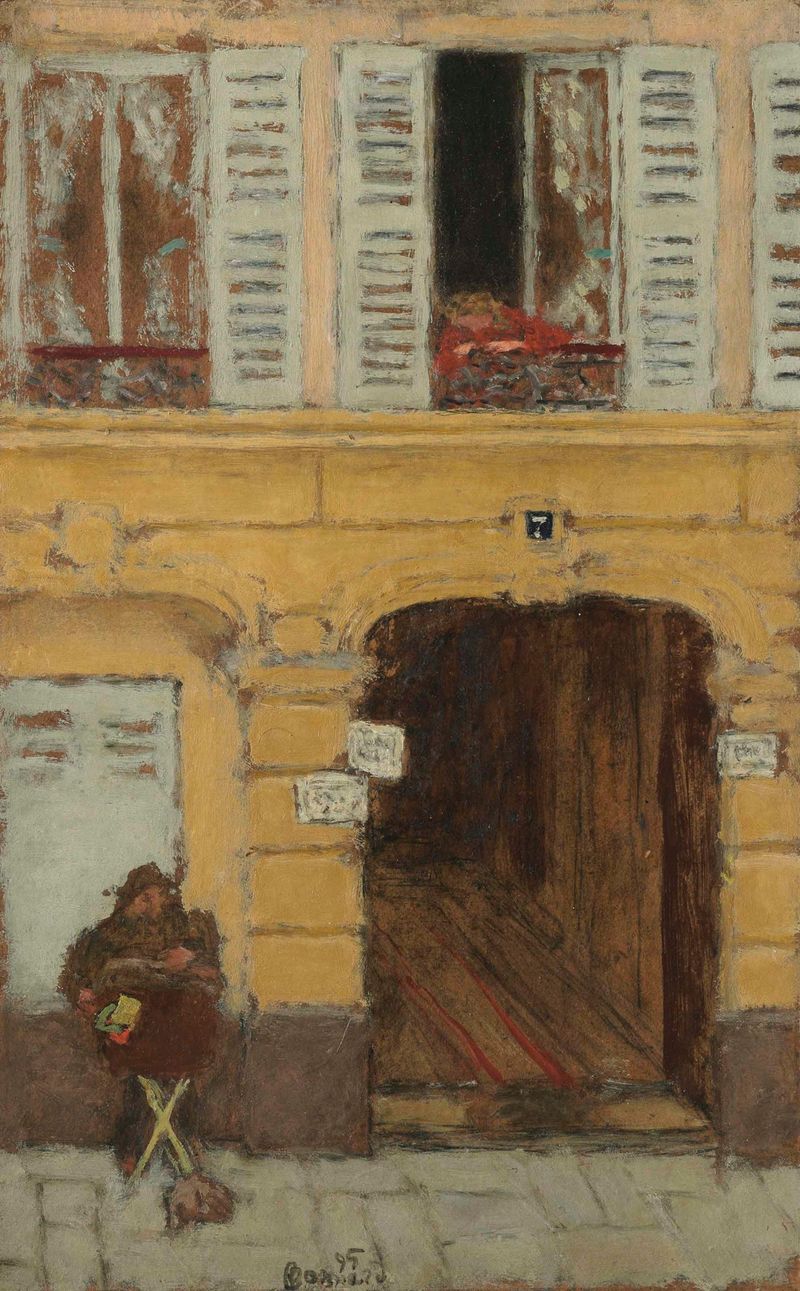
L’orgue de Barbarie ou Le joueur d’orgue
Pierre Bonnard

Paysage de Saint-Tropez
Pierre Bonnard

Soleil Couchant
Pierre Bonnard
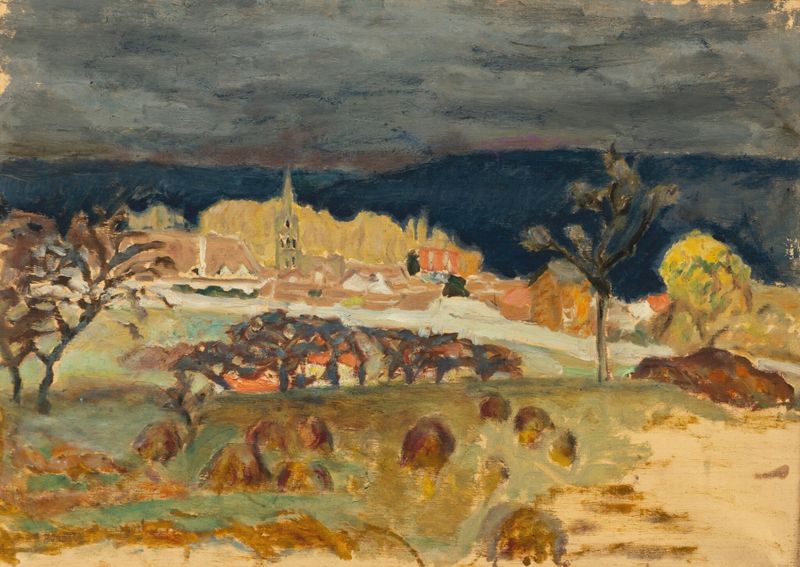
Village, ciel d’orage
Pierre Bonnard