
Les deux veuves d'un chef indien - Louis Jean François Lagrenée - MBA Dijon CA 345 — History & Facts
What first grips the eye in Les deux veuves d'un chef indien by Louis-Jean-François Lagrenée is the charged stillness at the painting’s center: a lifeless body stretched upon a crimson-draped bier, surrounded by a gathering poised between grief and ritual. The painter leads us in through a sweep of color and gesture—the pale, almost marble figure of the dead chief, flanked by two women in white and blue, their hands outstretched in a silent exchange of fate. The crowd encircles them, some turning away in sorrow, others reaching toward the drama unfolding at the heart of the scene.
Light pools around the central figures, drawing the viewer’s gaze to the interplay between the living and the dead, while the darker edges of the canvas press in with the weight of communal mourning. Created in 1783, this work belongs to a moment when French artists, inspired by Enlightenment curiosity and the vogue for the exotic, turned to distant peoples and imagined histories for their grand narratives. History painting, the highest genre of the era, was meant to instruct and move its audience, often through scenes of sacrifice, virtue, or loss. The Musée des beaux-arts de Dijon now holds this painting, a testament to the era’s fascination with both the foreign and the universal themes of love, duty, and mortality.
History has kept few traces of this particular canvas’s journey, but the intensity of its storytelling survives—inviting you to linger, to read the faces, and to wonder at the rituals that bind the living to the dead.
More Artworks by Louis-Jean-François Lagrenée
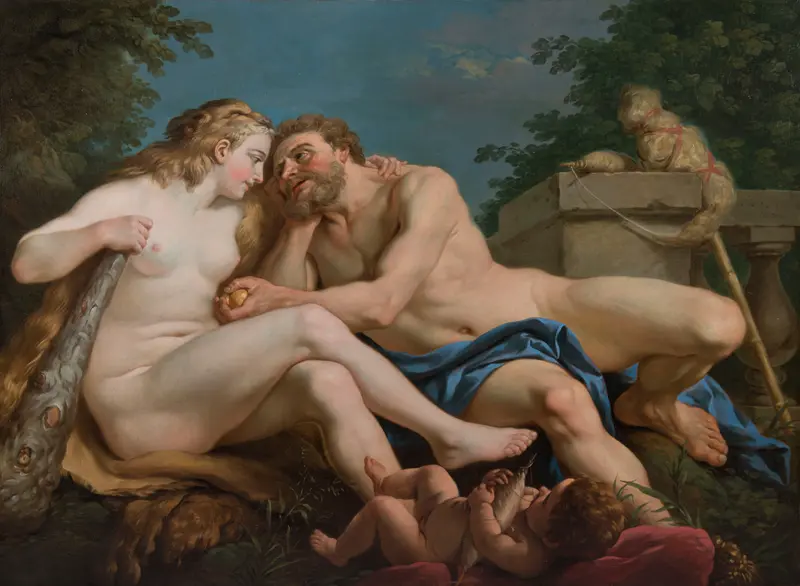
Herkules and Omphale
Louis-Jean-François Lagrenée
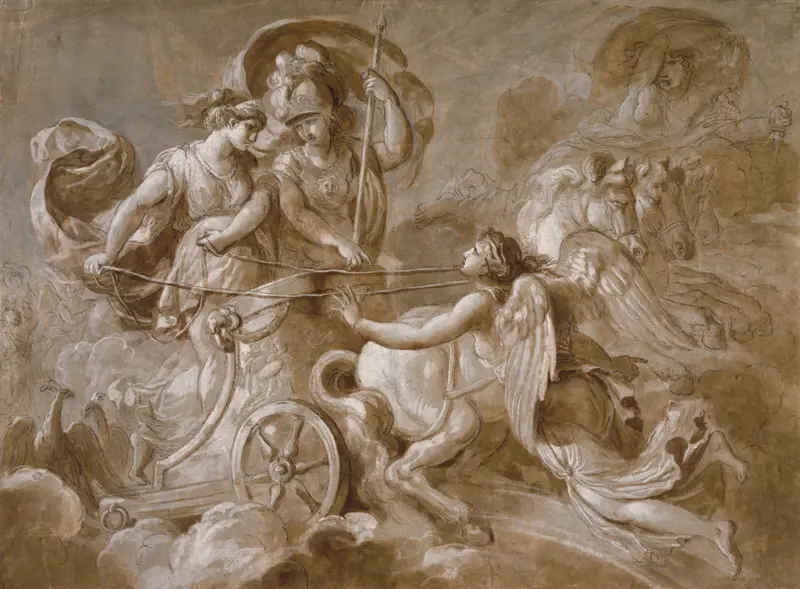
Iris Approaching Athena and Hera
Louis-Jean-François Lagrenée
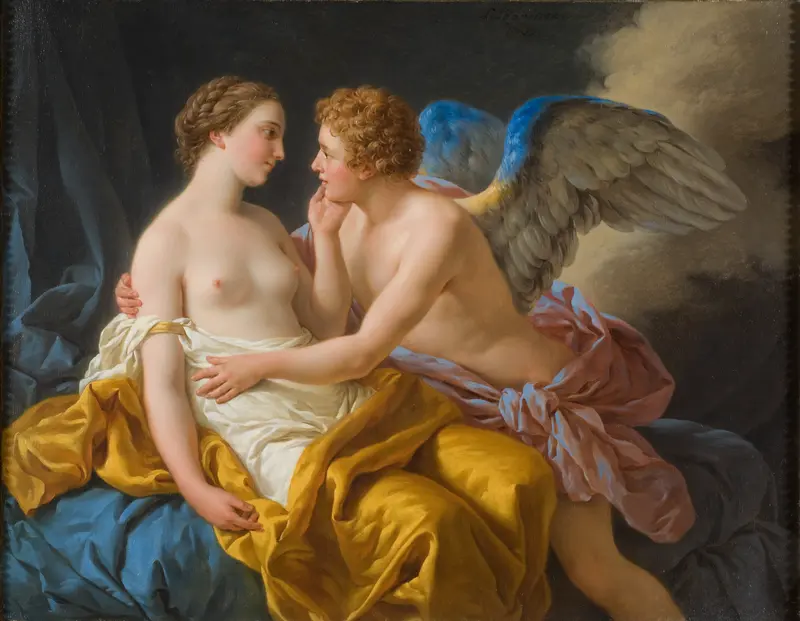
Cupid and Psyche
Louis-Jean-François Lagrenée
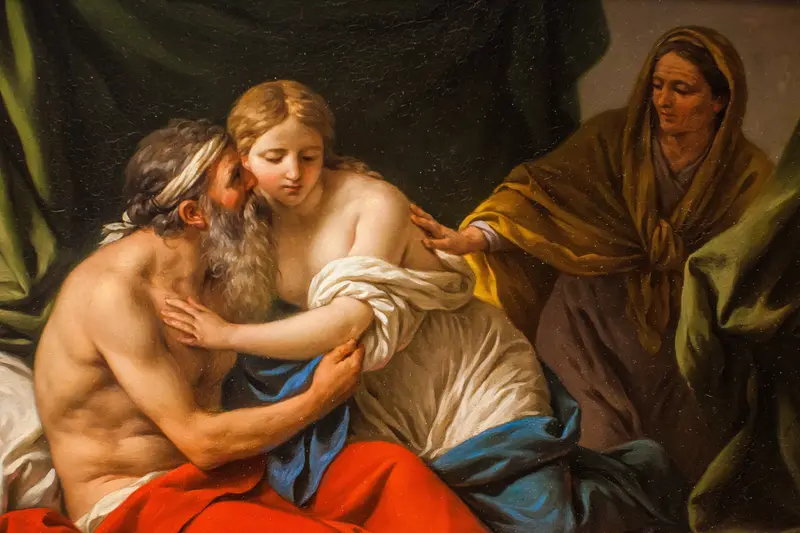
Sarah Presenting Hagar to Abraham
Louis-Jean-François Lagrenée
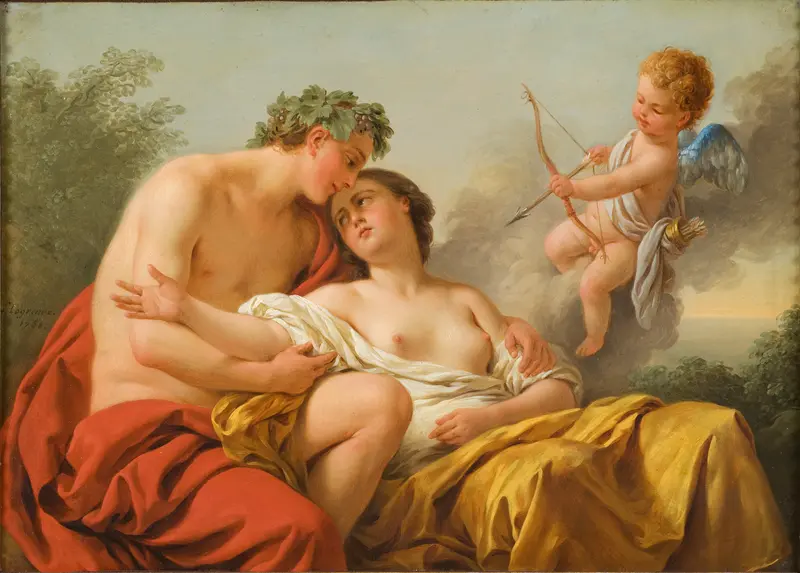
Bacchus and Ariadne
Louis-Jean-François Lagrenée
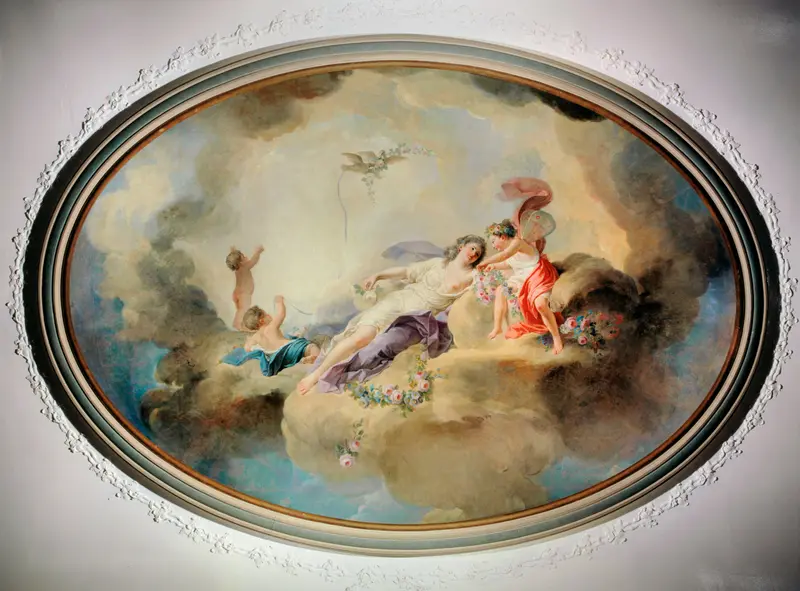
Louis Jean François Lagrenée Le triomphe de Flore P787 Musée Carnavalet
Louis-Jean-François Lagrenée
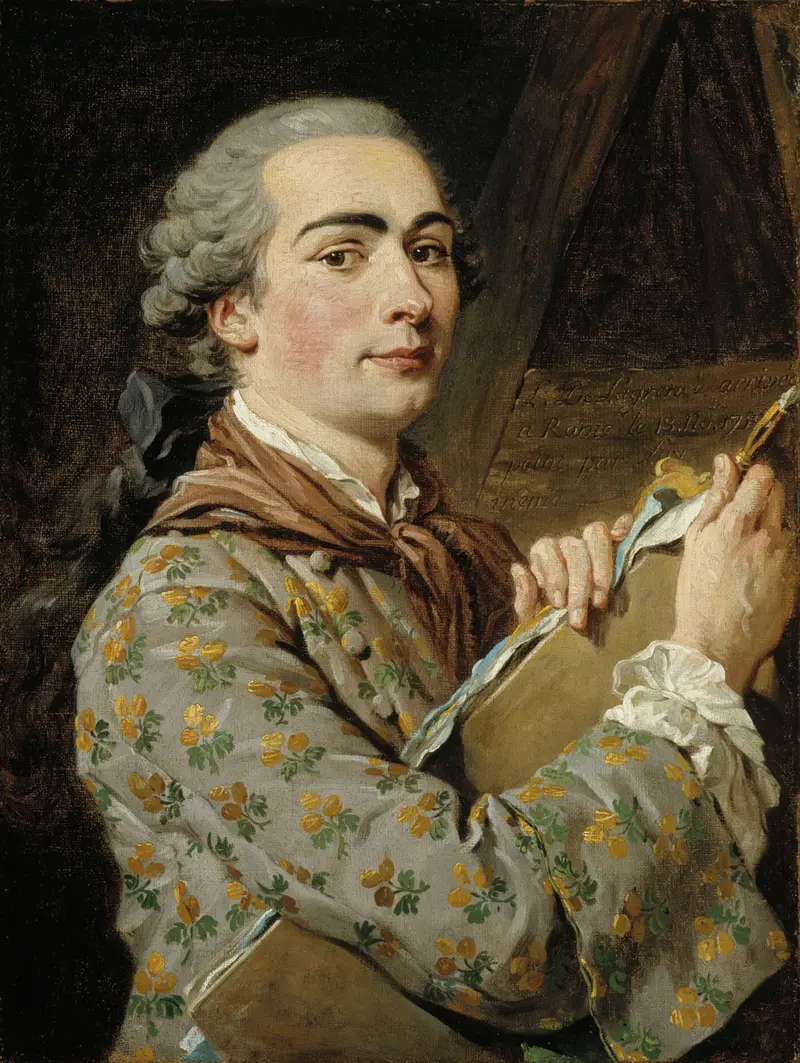
Self-Portrait
Louis-Jean-François Lagrenée
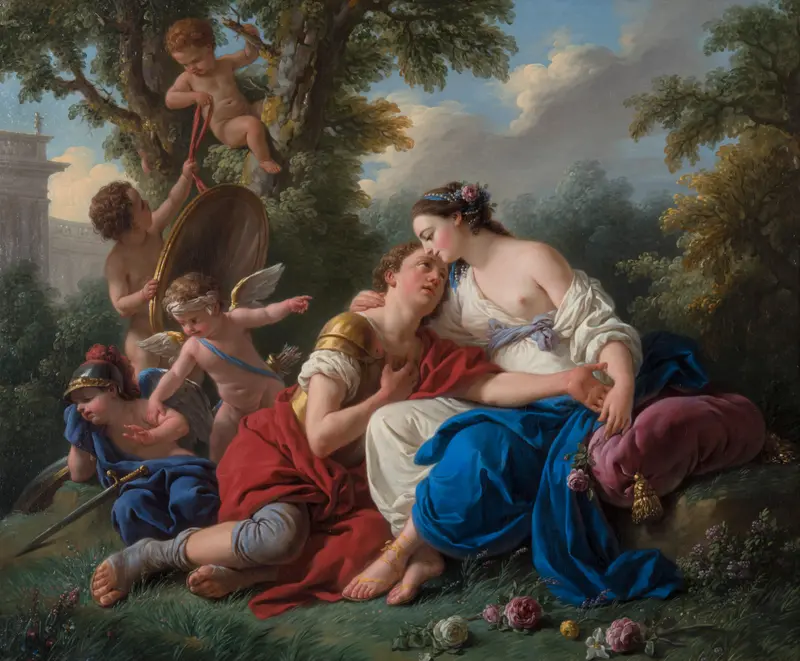
Rinaldo and Armida
Louis-Jean-François Lagrenée
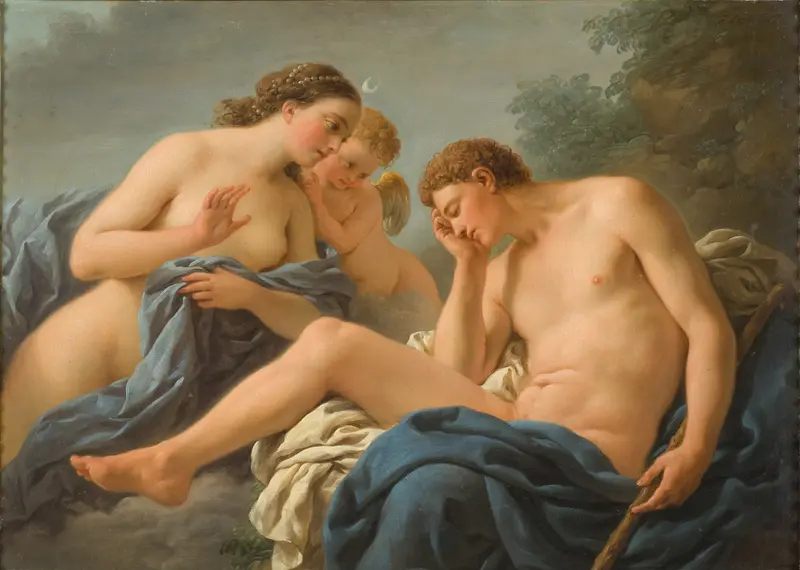
Diana and Endymion
Louis-Jean-François Lagrenée
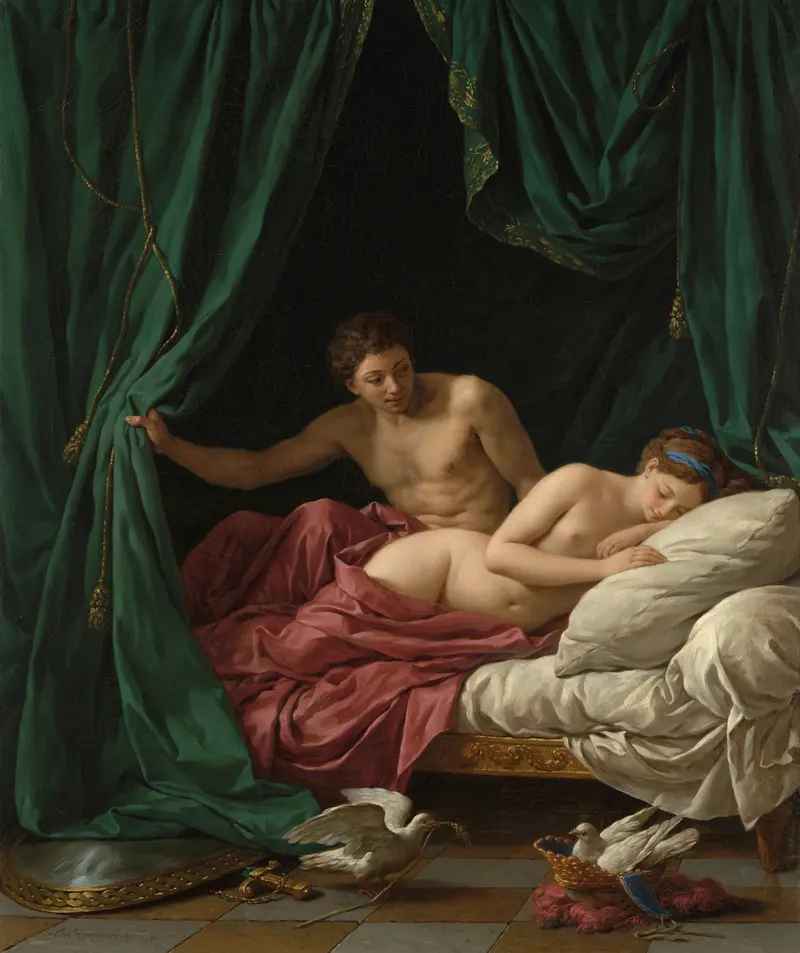
Mars and Venus, Allegory of Peace
Louis-Jean-François Lagrenée





