
Les Dunes De Deauville — History & Facts
Could beauty survive in a century of chaos? This question lingers in the air, like the salty breeze sweeping across the sandy shores captured in a moment by the artist. Focus on the expanse of the dunes, where light and shadow dance across undulating hills of sand, painted in gentle, earthy tones. Notice how the brushwork creates a sense of movement, as if the dunes themselves breathe, alive with the whispers of the sea nearby. The horizon stretches wide, inviting your gaze to wander endlessly, while patches of blue sky peek through the clouds, offering a stark contrast to the warm browns and yellows of the landscape. In the painting, there is a tension between tranquility and an underlying madness — the serenity of nature juxtaposed with the tumultuous world beyond the canvas.
The smooth curves of the dunes suggest a comfort, yet they are eerily devoid of human presence, hinting at isolation in an ever-changing world. This absence evokes a poignant reflection on humanity’s relationship with nature, embodying both beauty and loneliness in one sweeping view. Gustave Courbet created this work in 1866 while residing in France, a period marked by social upheaval and revolutionary fervor. The art world was shifting towards realism, with Courbet at the forefront, challenging traditional portrayals of beauty and subject matter.
His depiction of the Deauville dunes mirrors his own quest for authenticity amidst a rapidly modernizing society, capturing a fleeting moment of peace before the storm of change.
More Artworks by Gustave Courbet
Browse all →
Marine
Gustave Courbet
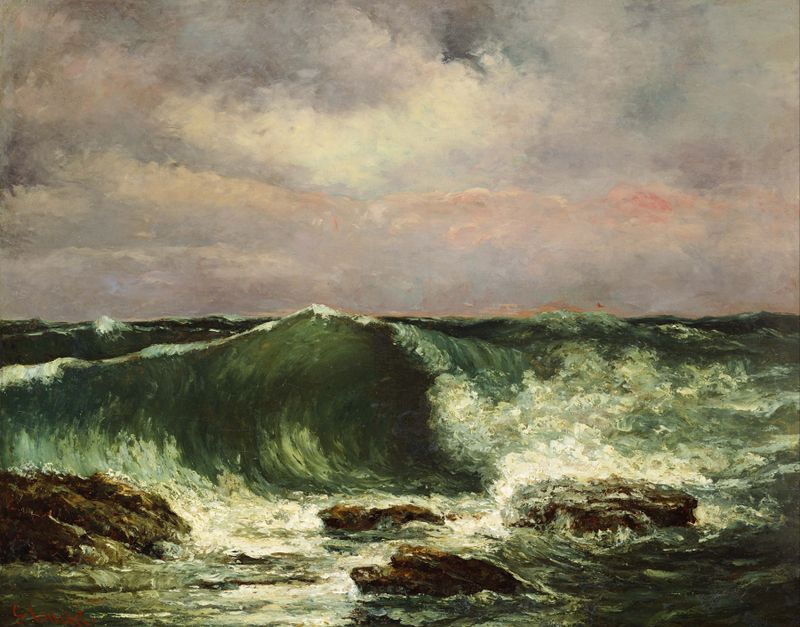
Waves
Gustave Courbet

Étretat; Les Falaises
Gustave Courbet
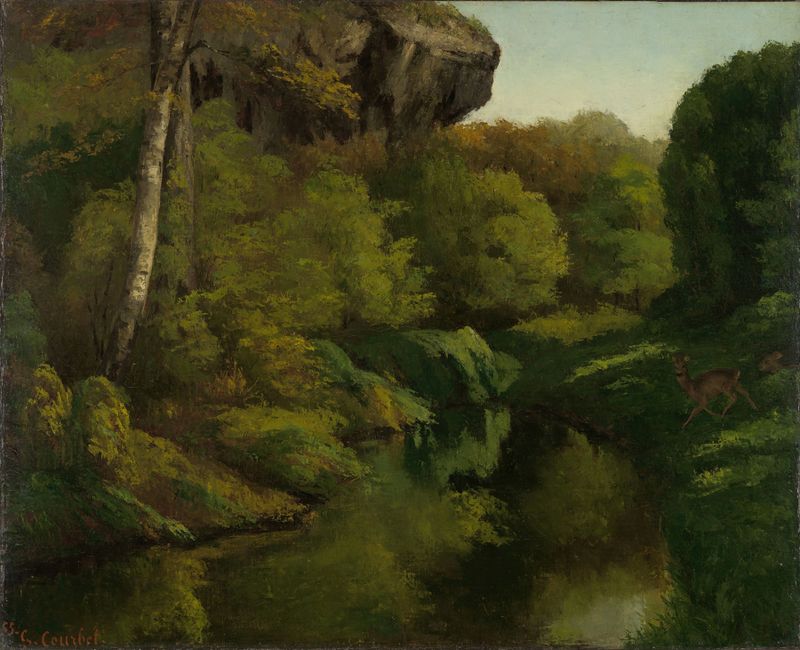
View in the Forest of Fontainebleau
Gustave Courbet
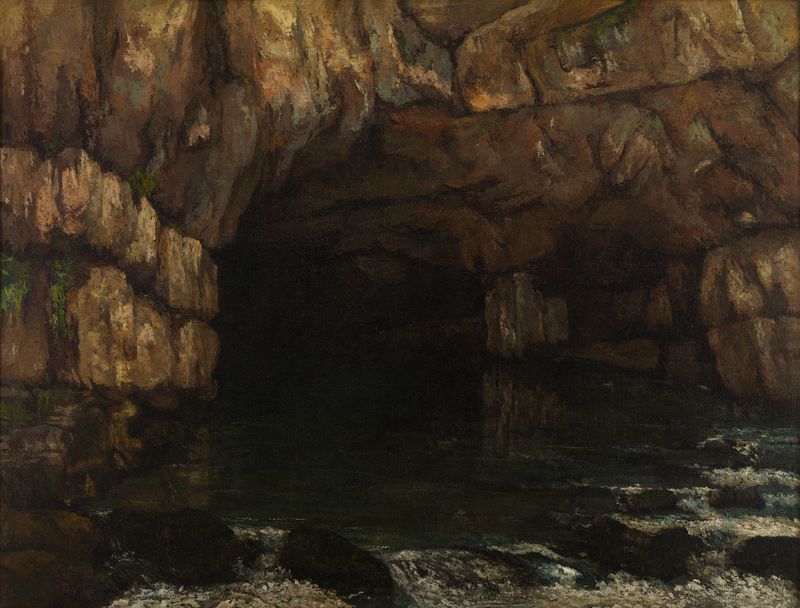
La source de la Loue (The Source of the Loue)
Gustave Courbet

Low Tide at Trouville
Gustave Courbet
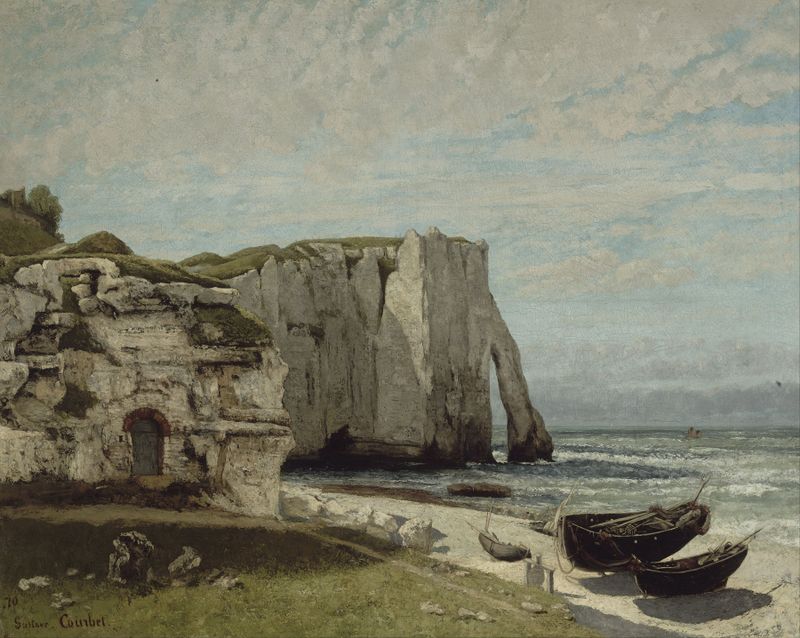
The Etretat Cliffs after the Storm
Gustave Courbet
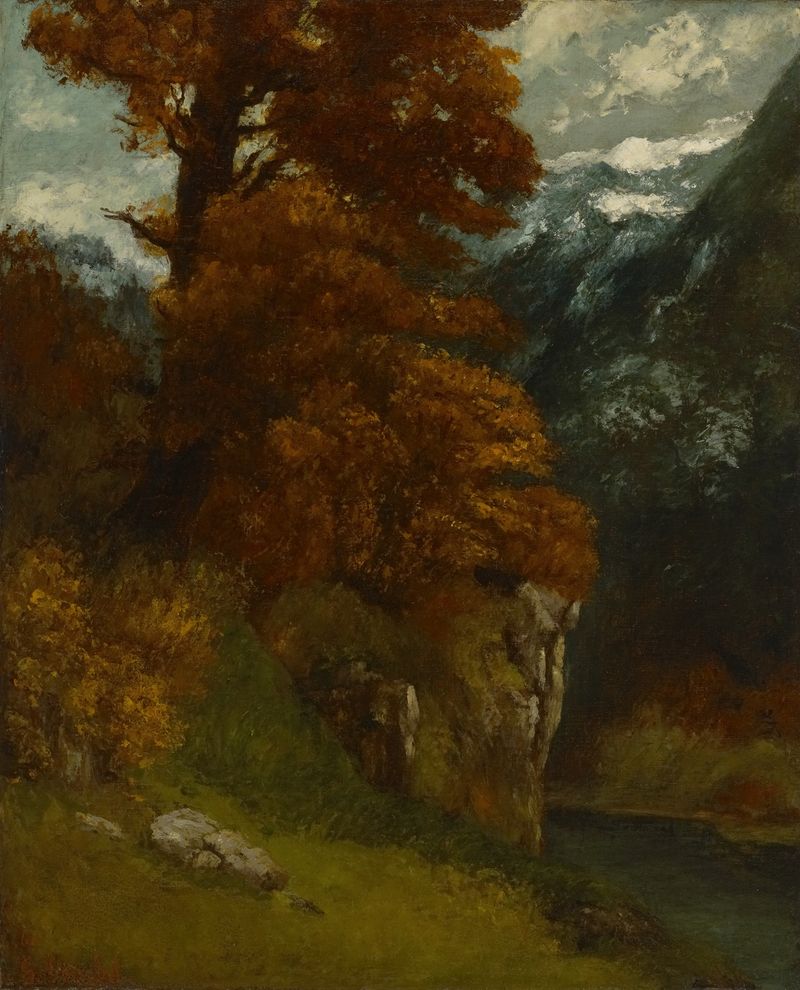
The Glen at Ornans (Bords du Doubs; Effet d’Automne)
Gustave Courbet
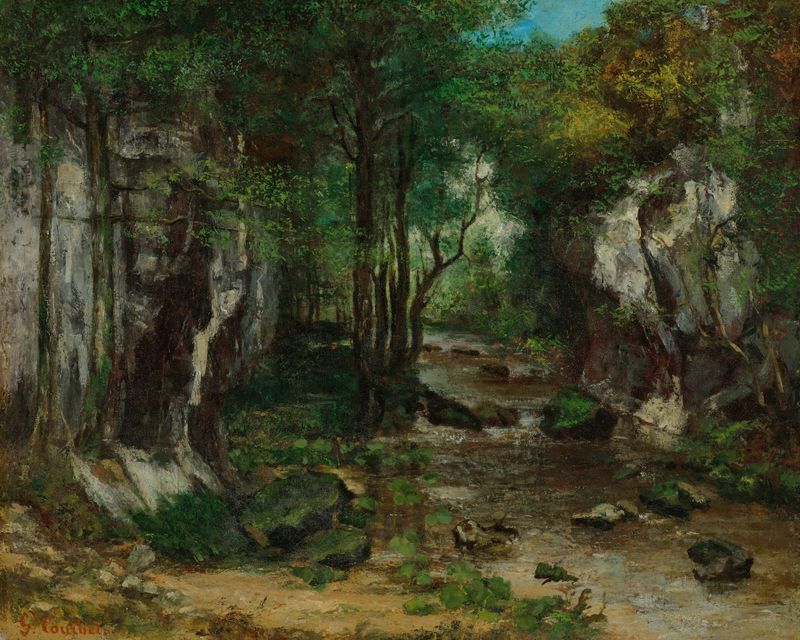
Le Ruisseau de Puits Noir
Gustave Courbet
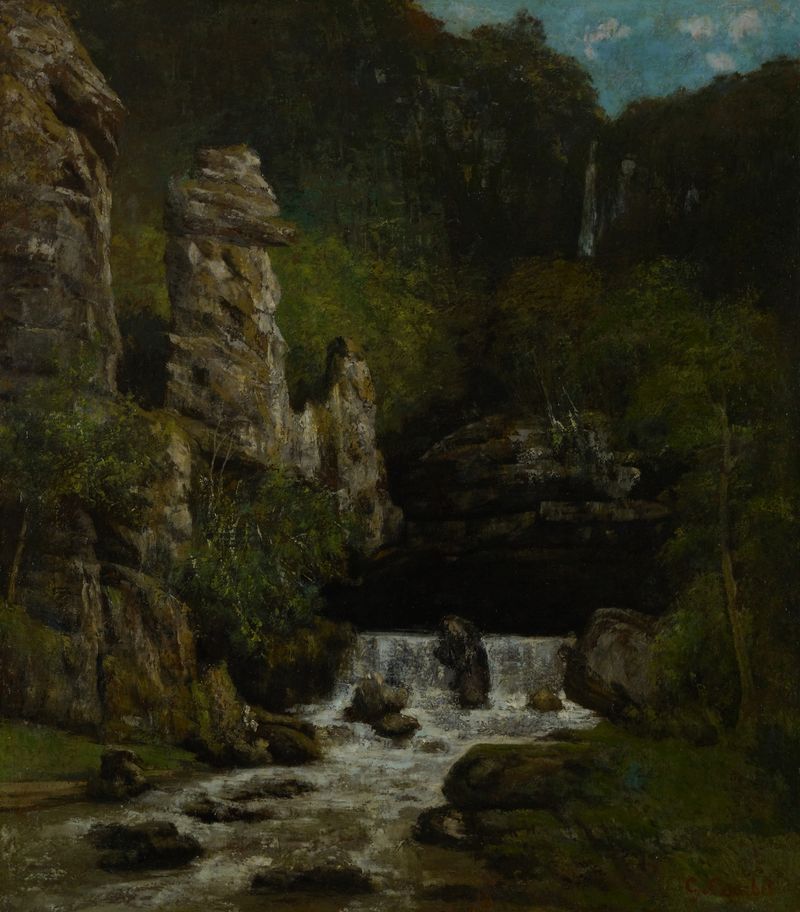
Landscape with a Waterfall
Gustave Courbet





