
Les oliviers à Menton — History & Facts
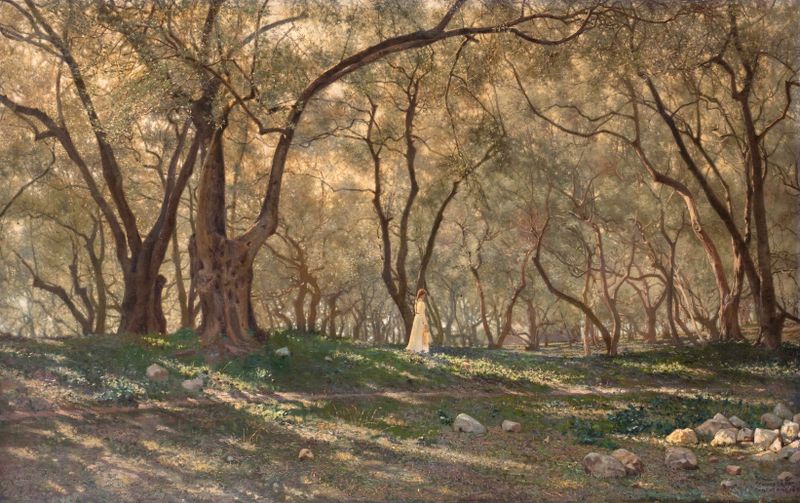
What if beauty was never meant to be finished? In a world where time seems to render everything transient, the essence of longing permeates Les oliviers à Menton, capturing a fleeting moment of nature’s grace. Look to the foreground where the gnarled olive trees stretch their silver-green leaves towards the sun, each twisted trunk telling stories of resilience and depth. The light dances across their surfaces, casting intricate shadows that play against the soft, terracotta hues of the landscape. The composition is balanced, with gentle curves leading the eye towards the distant azure sea, inviting the viewer to breathe in the warmth and tranquility of this Mediterranean haven. Hidden within the layers of paint, a sense of nostalgia whispers through the olive branches, evoking memories of a life once lived.
The contrast between the vibrant greens and the earthy tones suggests a harmony between vitality and decay, reflecting the artist's emotional landscape. Each brushstroke resonates with the bittersweet nature of beauty — an eternal longing that remains just out of reach, as if the scene is both a celebration and a farewell. Created in 1918, Les oliviers à Menton reflects Henry Brokman’s experiences during a tumultuous period in Europe. After the upheaval of World War I, he turned to the natural world as a sanctuary.
His work during this time illustrates a quest for serenity amidst chaos, capturing the essence of a longing for peace and beauty in a fractured world.
More Artworks by Henry Brokman
Browse all →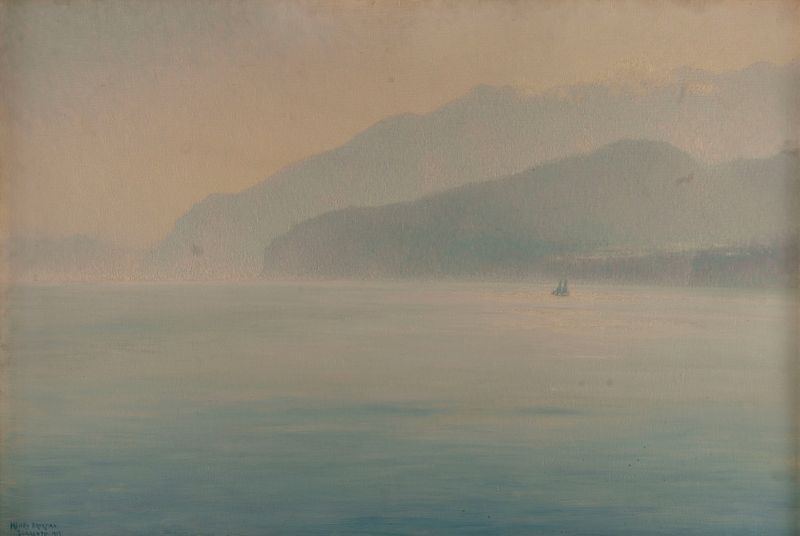
Côte De Sorrente, Bleu Et Argent
Henry Brokman
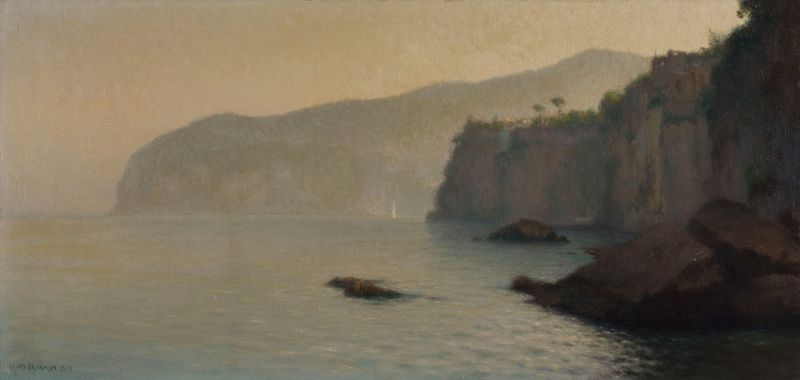
Petite côte de Sorrente (grise)
Henry Brokman
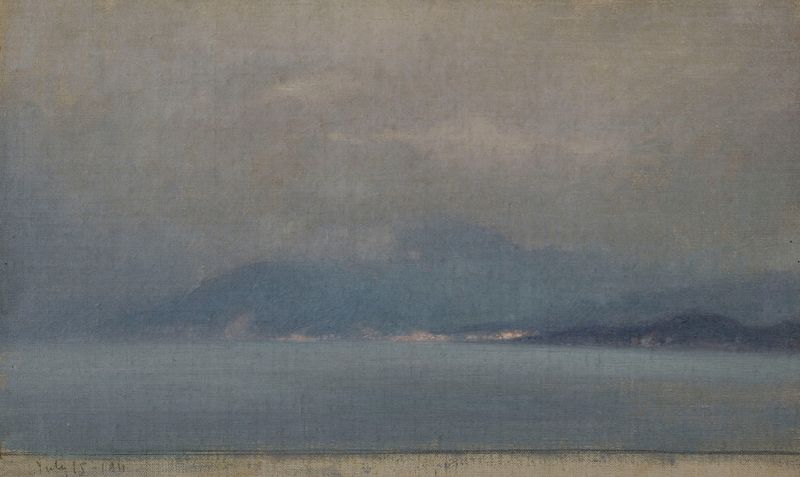
Etude de paysage
Henry Brokman
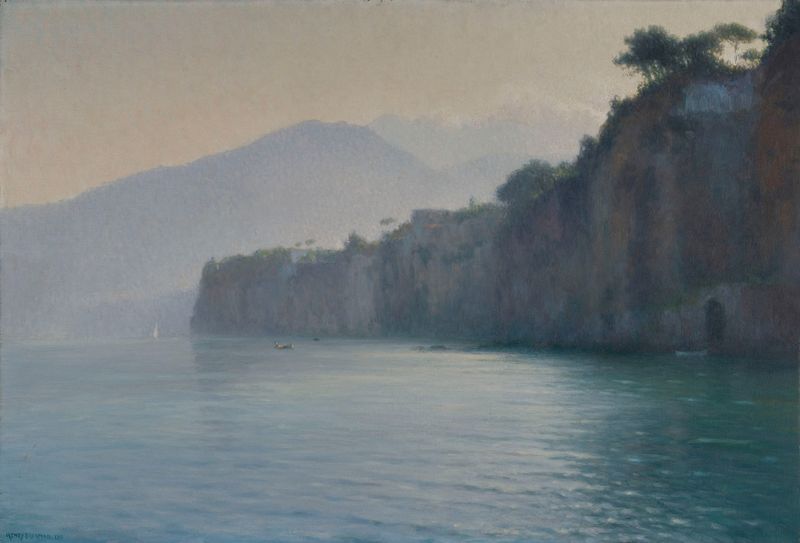
Sorrente, côte argentée
Henry Brokman
Jeune Fille Sous Les Oliviers – Menton
Henry Brokman
Cap de Sorrente
Henry Brokman
L’Oasis
Henry Brokman
Le Temple De Louxor, Egypte
Henry Brokman
Terrasse De L’hôtel Cocumella
Henry Brokman
Rive du Nil, Egypte
Henry Brokman





