
Letter E met drie zittende kinderen — History & Facts
In Letter E met drie zittende kinderen, serenity emerges from an intricate tapestry of innocence and contemplation. The viewer is invited to explore the nuanced depths beneath the surface of childhood. Look to the center of the composition, where three children sit nestled together, each absorbed in their own world. The soft, muted palette of pastels accentuates their delicate features, while the masterful use of light highlights their innocence and introspection.
Notice how the contours of their faces are gently illuminated, contrasting with the darker background that envelops them, creating both a sense of protection and isolation. Yet beneath this tranquility lies a tension between vulnerability and the weight of expectation. The children’s serene expressions may mask an unspoken burden, suggesting the looming pressures of adulthood. Their posture, slightly slumped, hints at an introspective nature, perhaps reflecting the trials of youth.
This duality invites the viewer to ponder the complexities of childhood, where joy often intertwines with unacknowledged sorrow. During the years 1522 to 1526, Holbein was immersed in the vibrant cultural milieu of Renaissance Europe, transitioning from his native Germany to the courts of England. This period marked his evolution as a portraitist, where he began to blend human emotion with meticulous detail. The artist's personal experiences and the prevailing tensions of the Reformation inspired his exploration of themes like innocence and identity, culminating in works such as this, which capture the essence of a fleeting moment.
More Artworks by Hans Holbein (II)
Browse all →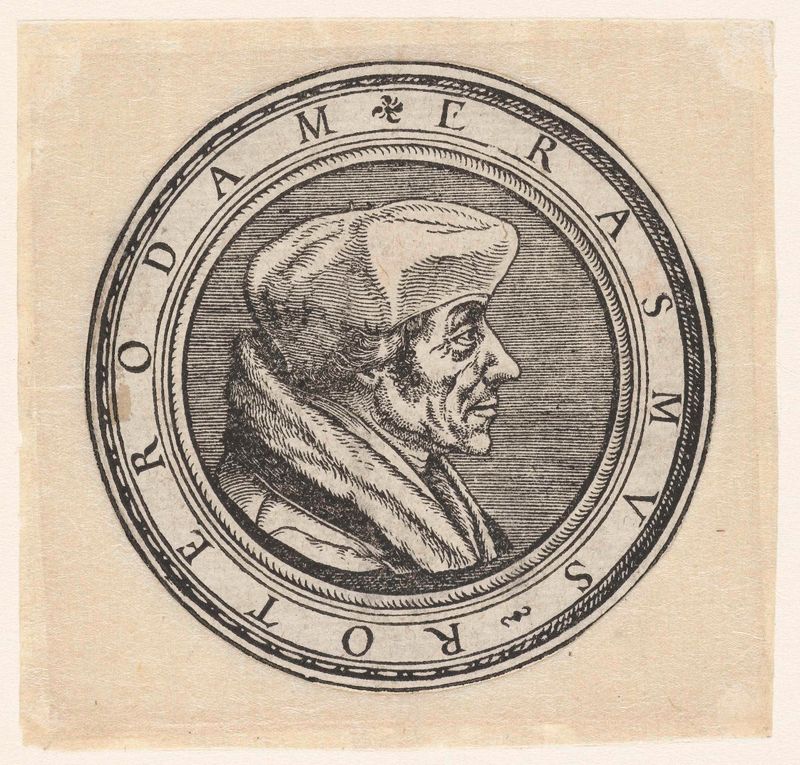
Portret van Erasmus
Hans Holbein (II)
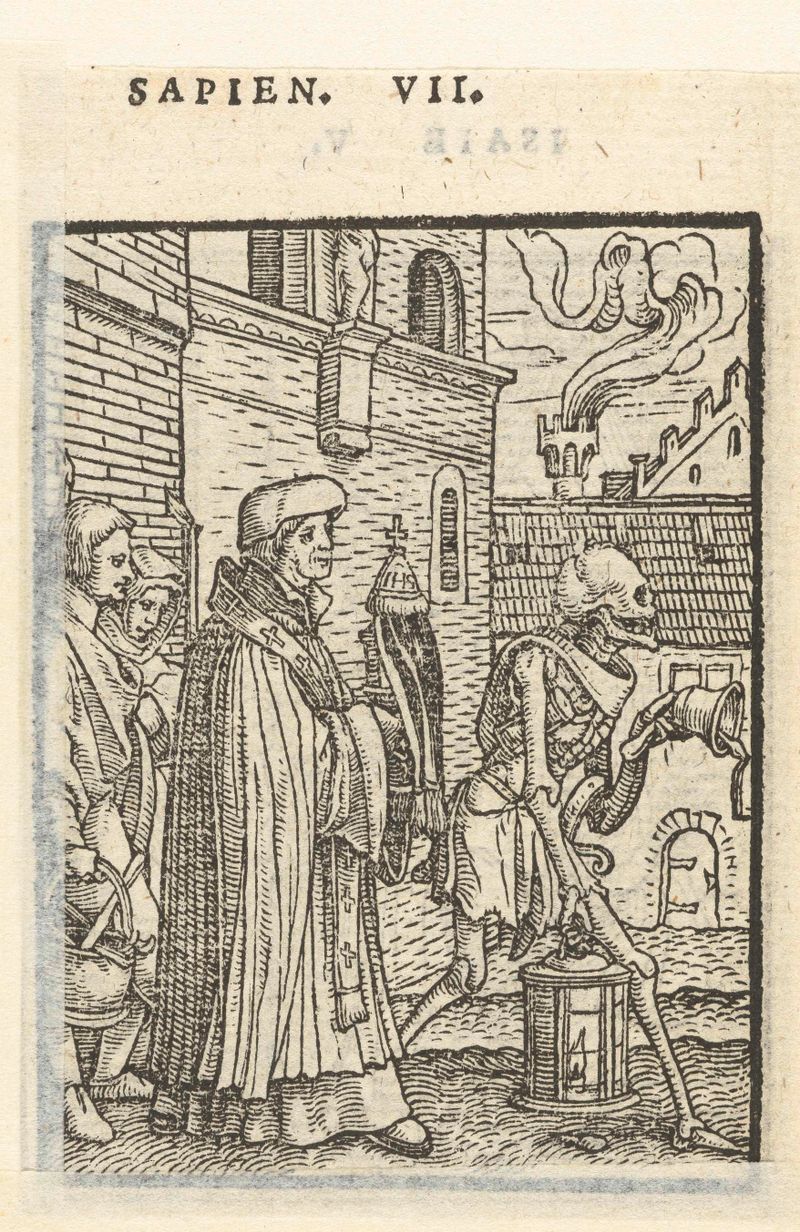
Priester en de Dood
Hans Holbein (II)
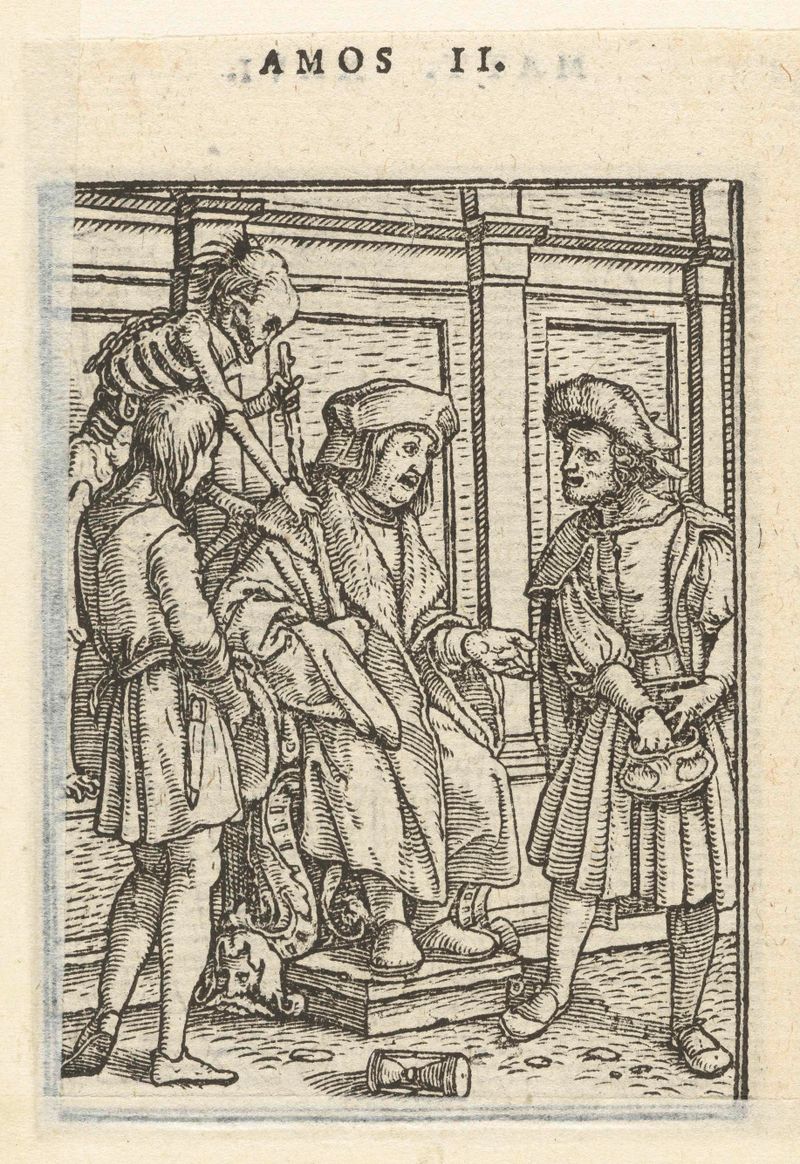
Rechter en de Dood
Hans Holbein (II)
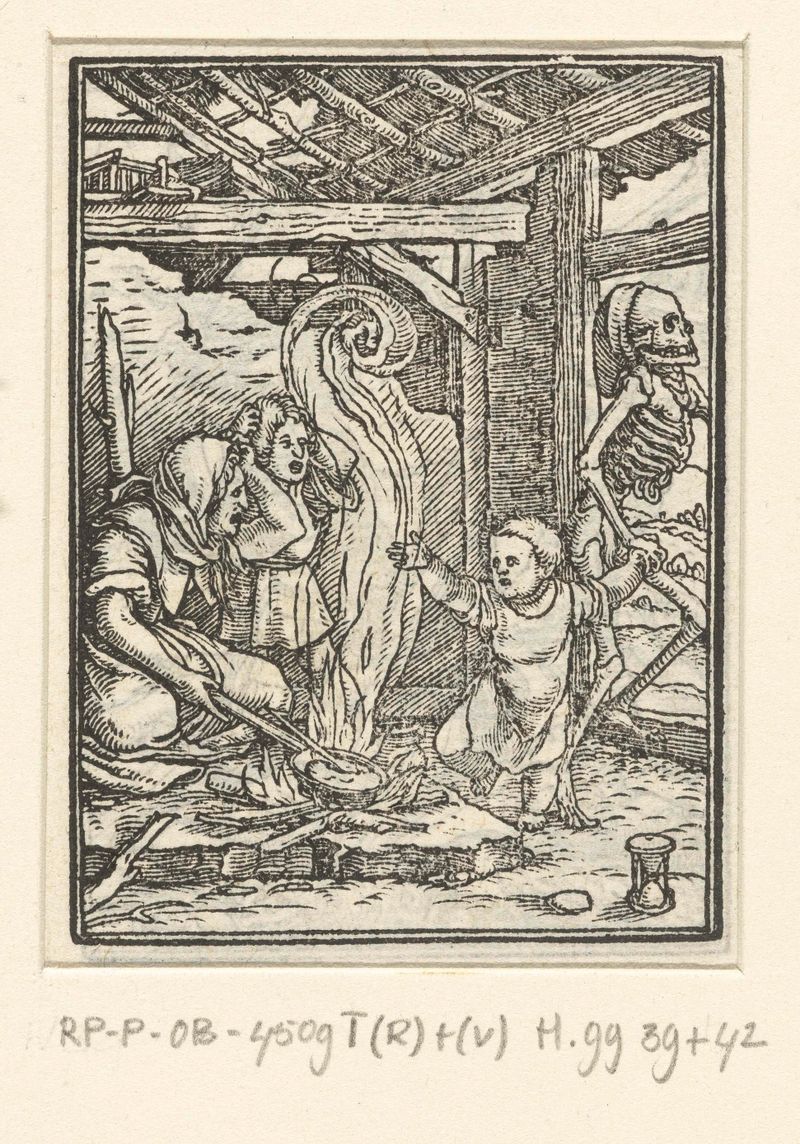
Kind en de Dood
Hans Holbein (II)
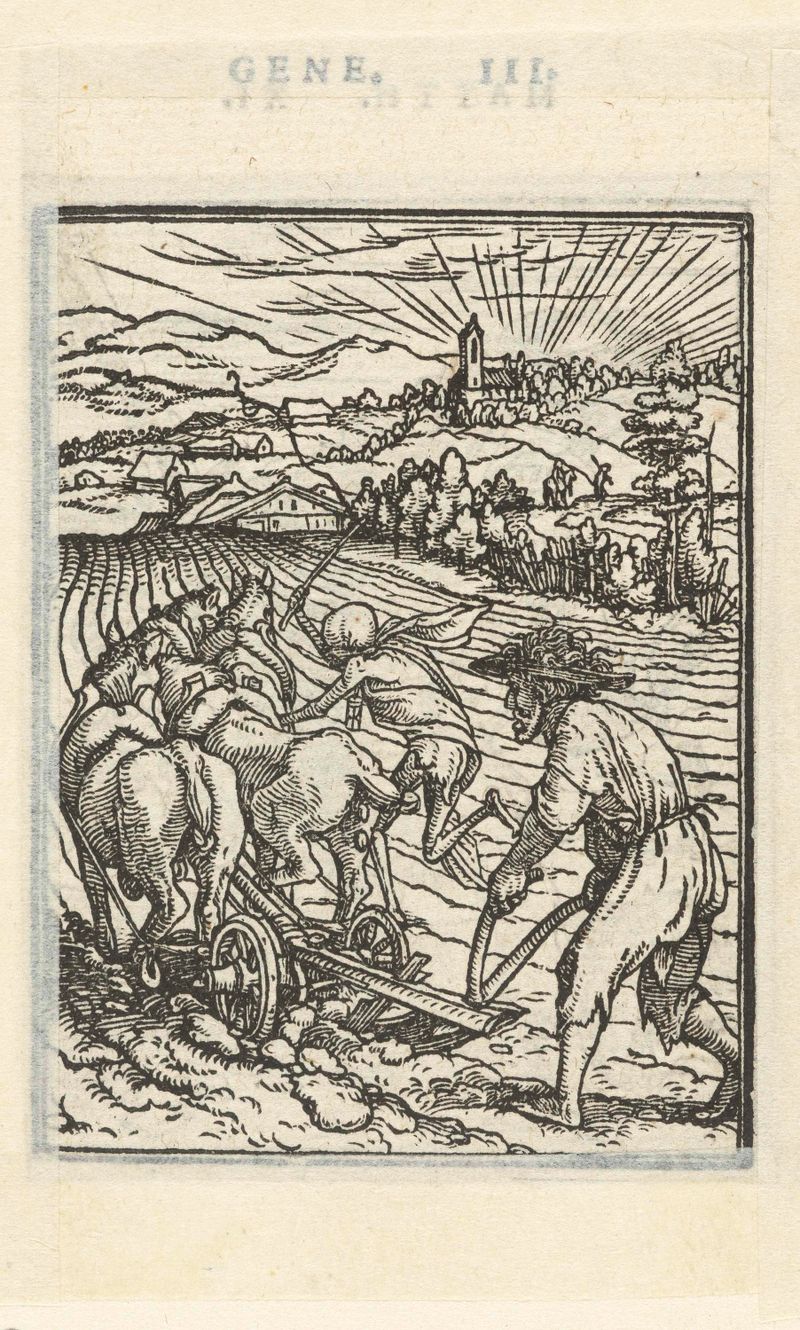
Boer en de Dood
Hans Holbein (II)
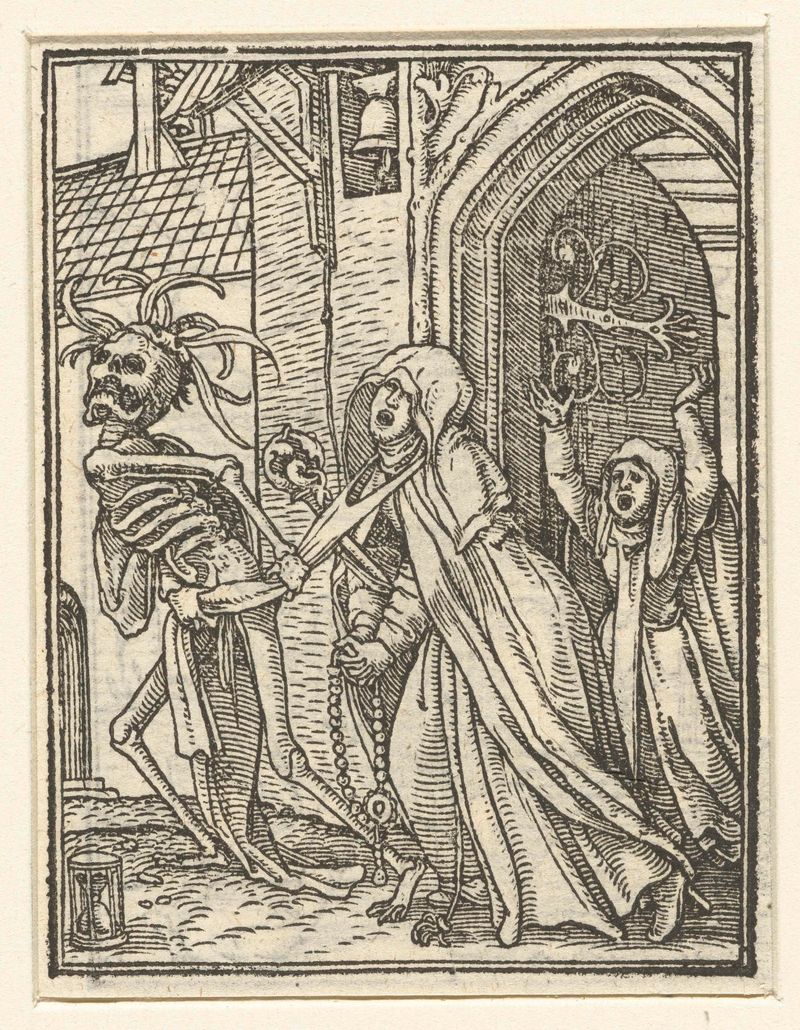
Abdis en de Dood
Hans Holbein (II)
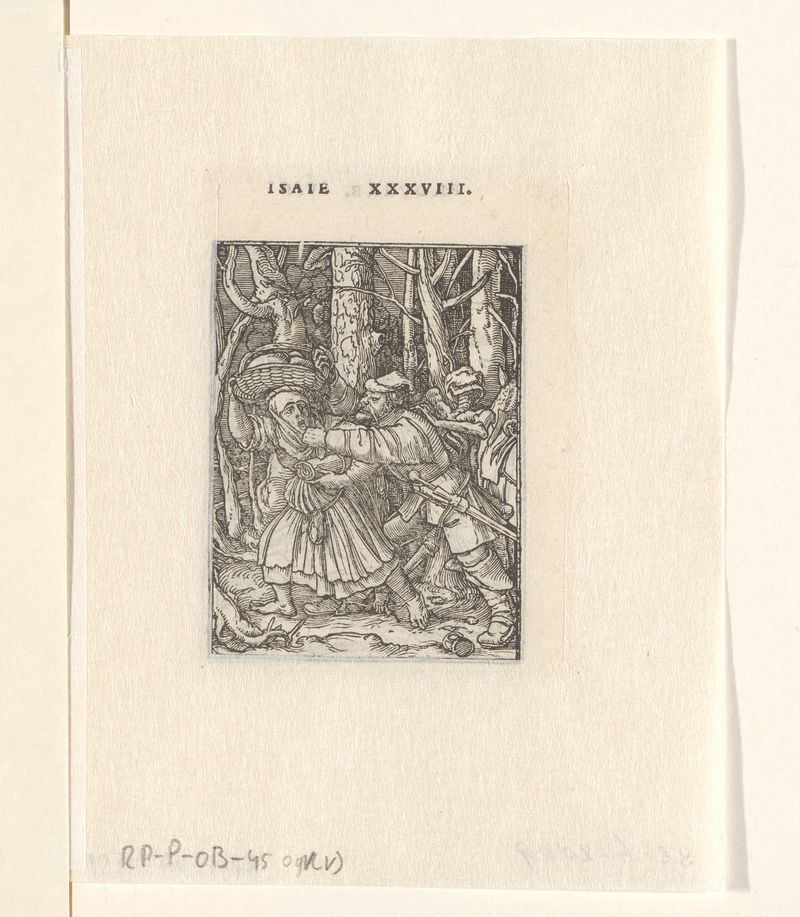
Dief en de Dood
Hans Holbein (II)
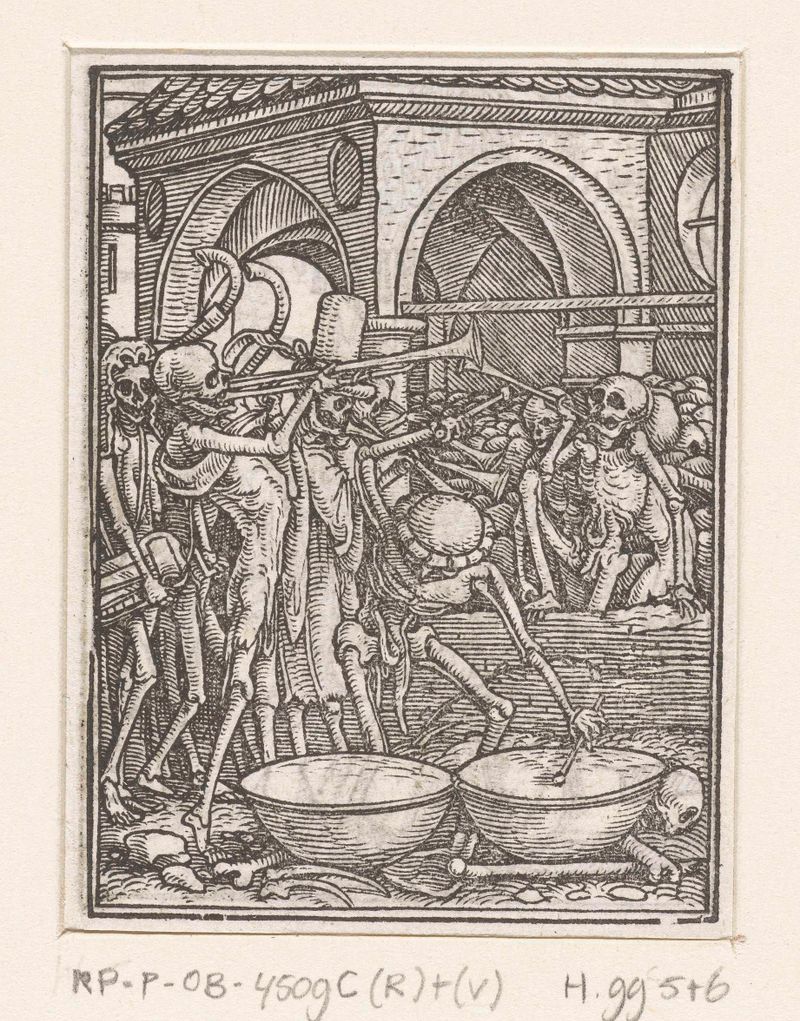
Skeletons Making Music from Dance of the Dead
Hans Holbein (II)
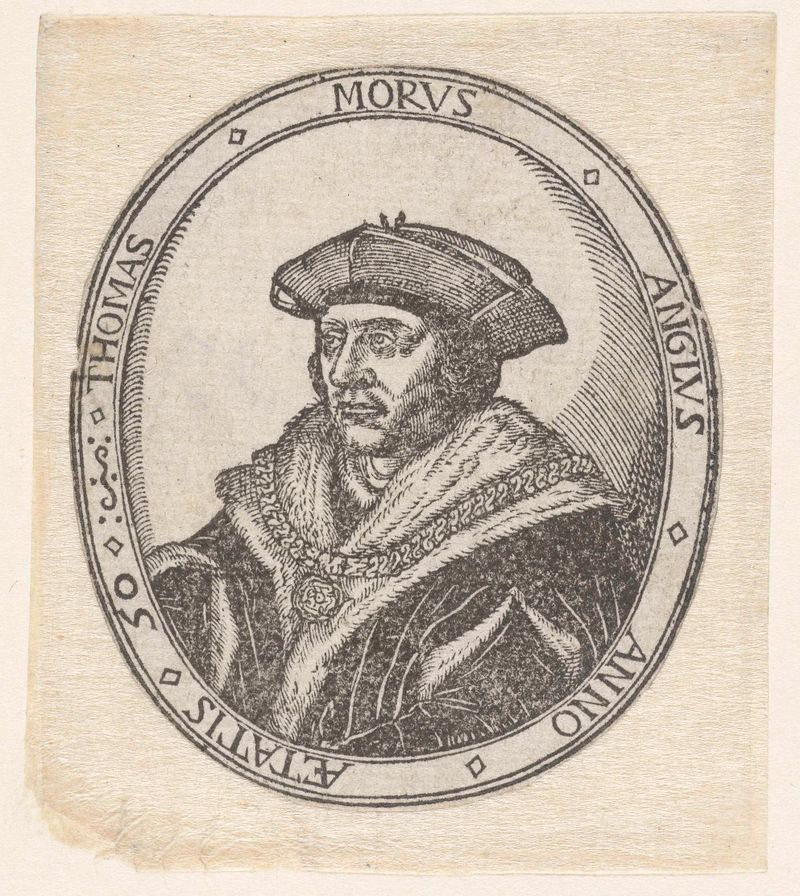
Portret van Thomas More
Hans Holbein (II)
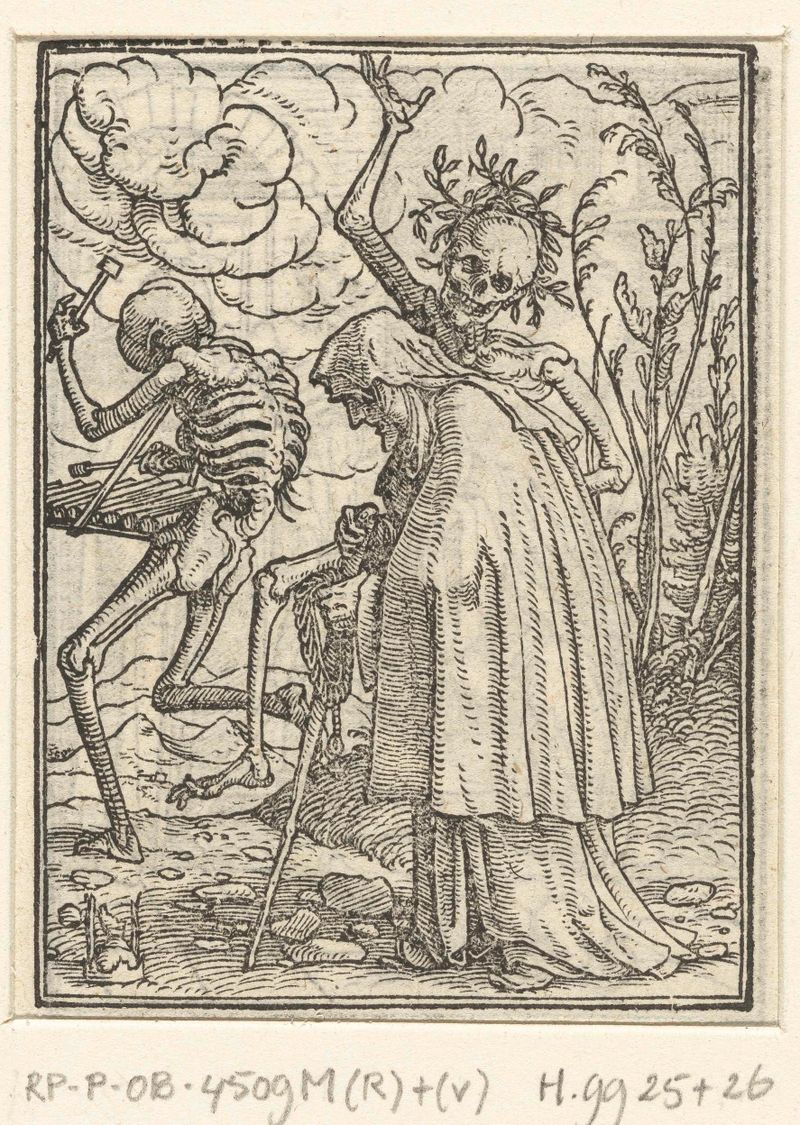
Oude vrouw en de Dood
Hans Holbein (II)





