
Letter F met drie kinderen van wie een kind op handen en voeten staat — History & Facts
In this striking piece, we encounter children engaged in playful innocence, yet hidden beneath their youthful exuberance lies a profound revelation about the passage of time and the weight of expectation. Look to the left, where the vibrant hues of their clothing draw the eye, each fabric a testament to the artist's meticulous attention to detail. The juxtaposition of the warm, earthy tones against the starkness of the letter F, rendered in exquisite gold leaf, creates a harmonic tension that both anchors and elevates the scene. Notice how Holbein uses light to illuminate the children's faces, capturing a moment of pure joy, while shadows linger around the edges, hinting at untold stories and complexities beneath their laughter. The trio embodies a spectrum of emotions—pure joy, youthful playfulness, and the subtle anxiety of impending adulthood.
The child on hands and knees, in particular, seems to embody a duality: the innocence of youth contrasted against the burdens they may one day bear. This positioning speaks volumes; it invites contemplation on the roles we are destined to adopt as we navigate the delicate balance between play and responsibility. Holbein’s choice to focus on the letter format suggests an underlying narrative about communication, connection, and the weight of unspoken expectations. Crafted between 1522 and 1526, this work emerged during a transformative period for Holbein, who was establishing himself as a pivotal figure in the Northern Renaissance.
Living in Basel, he was deeply influenced by the burgeoning humanist movement, which emphasized individual experience and emotion. This painting reflects both the artist's mastery of form and his ability to convey deep emotional truths within seemingly simple scenes, capturing the dualities of life and the intricate layers of childhood.
More Artworks by Hans Holbein (II)
Browse all →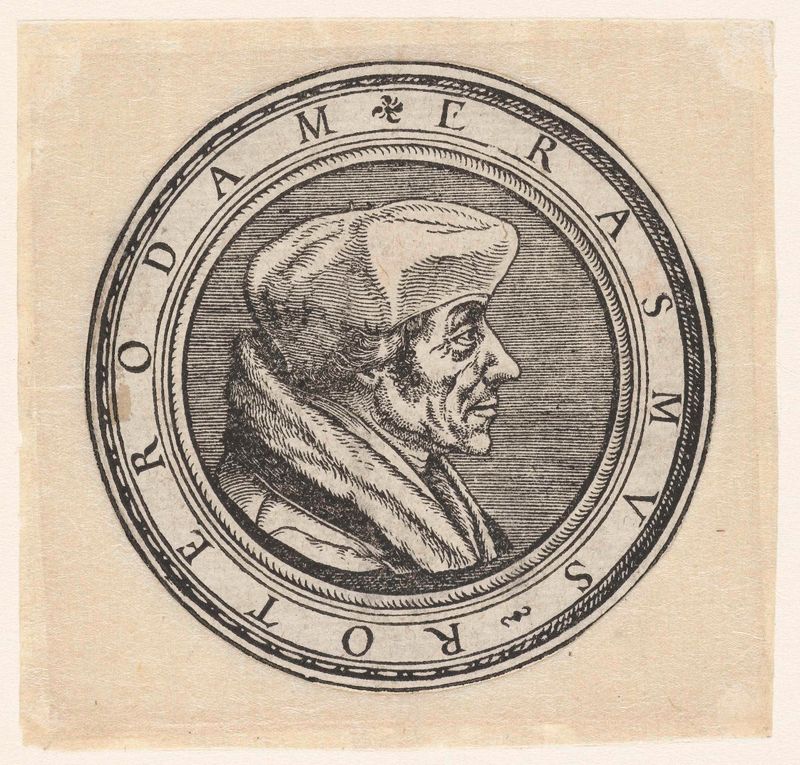
Portret van Erasmus
Hans Holbein (II)
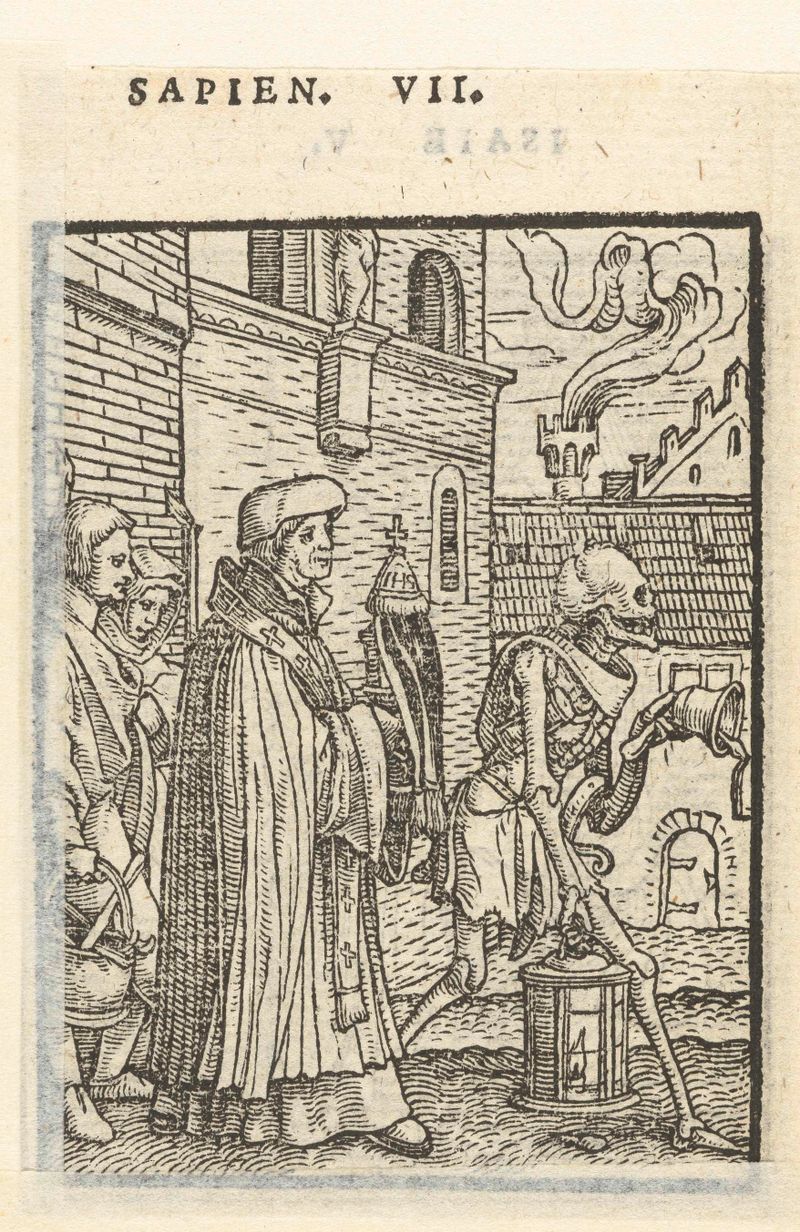
Priester en de Dood
Hans Holbein (II)
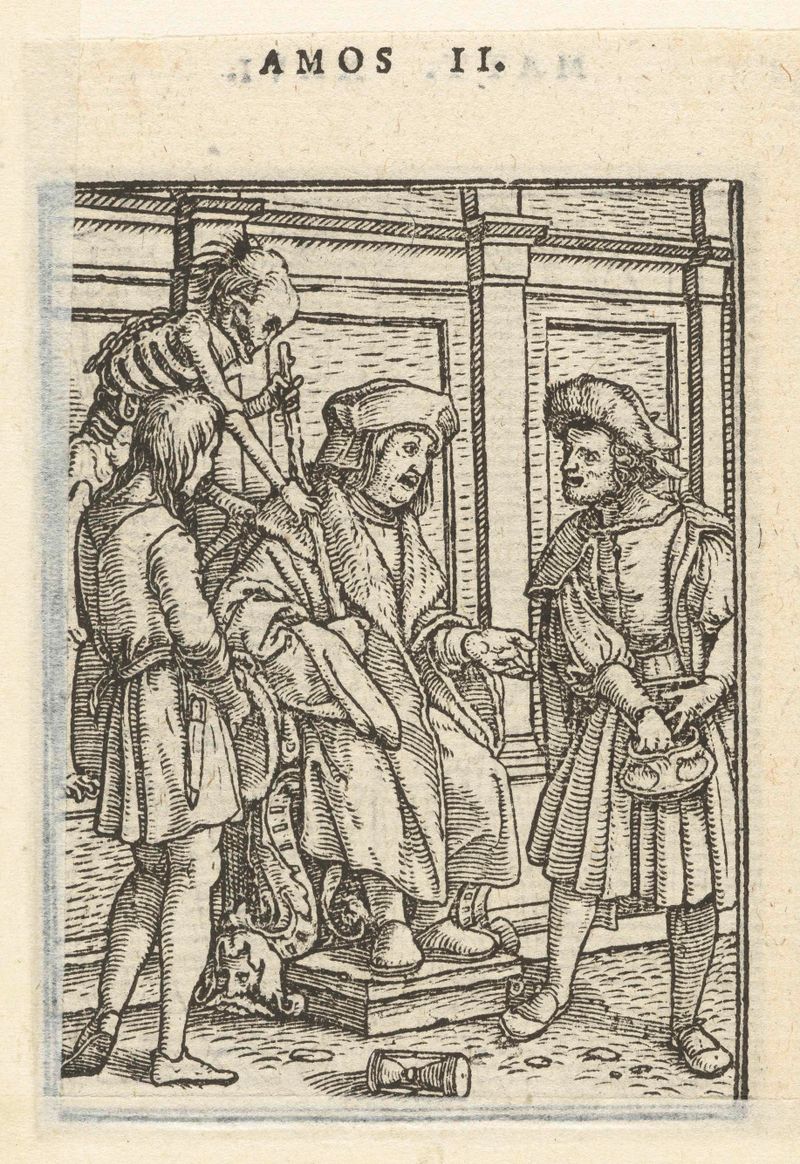
Rechter en de Dood
Hans Holbein (II)
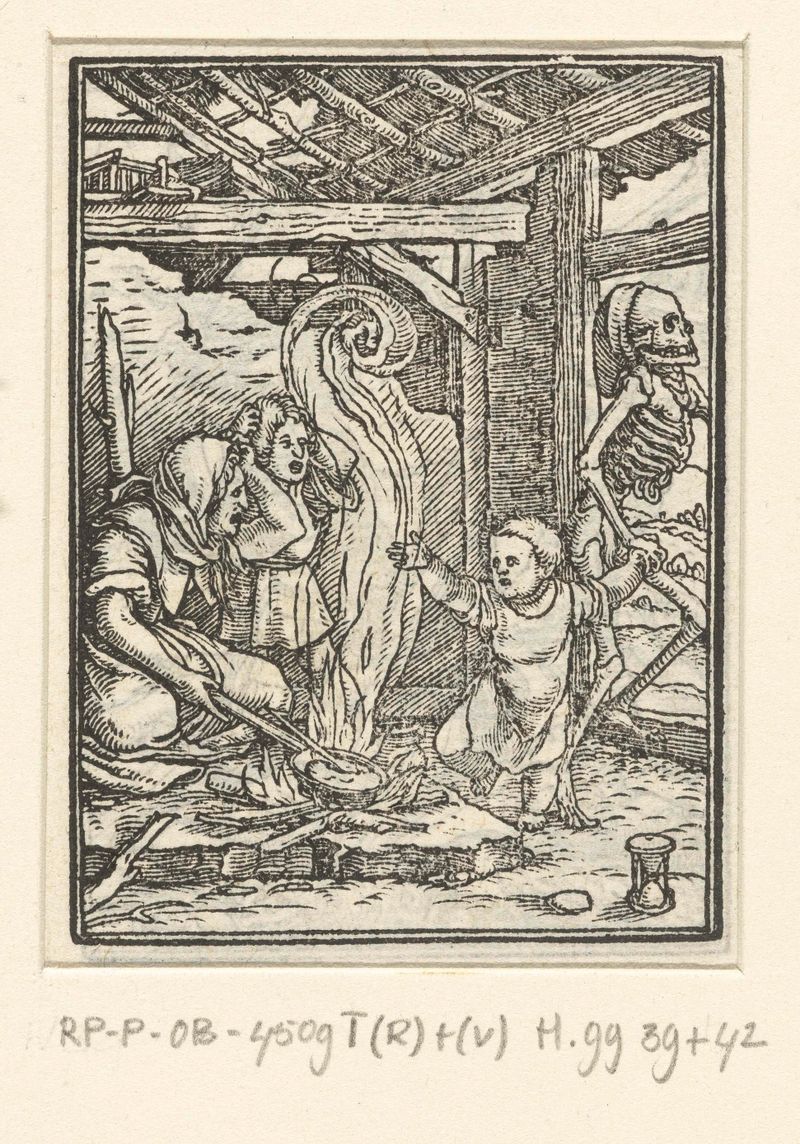
Kind en de Dood
Hans Holbein (II)
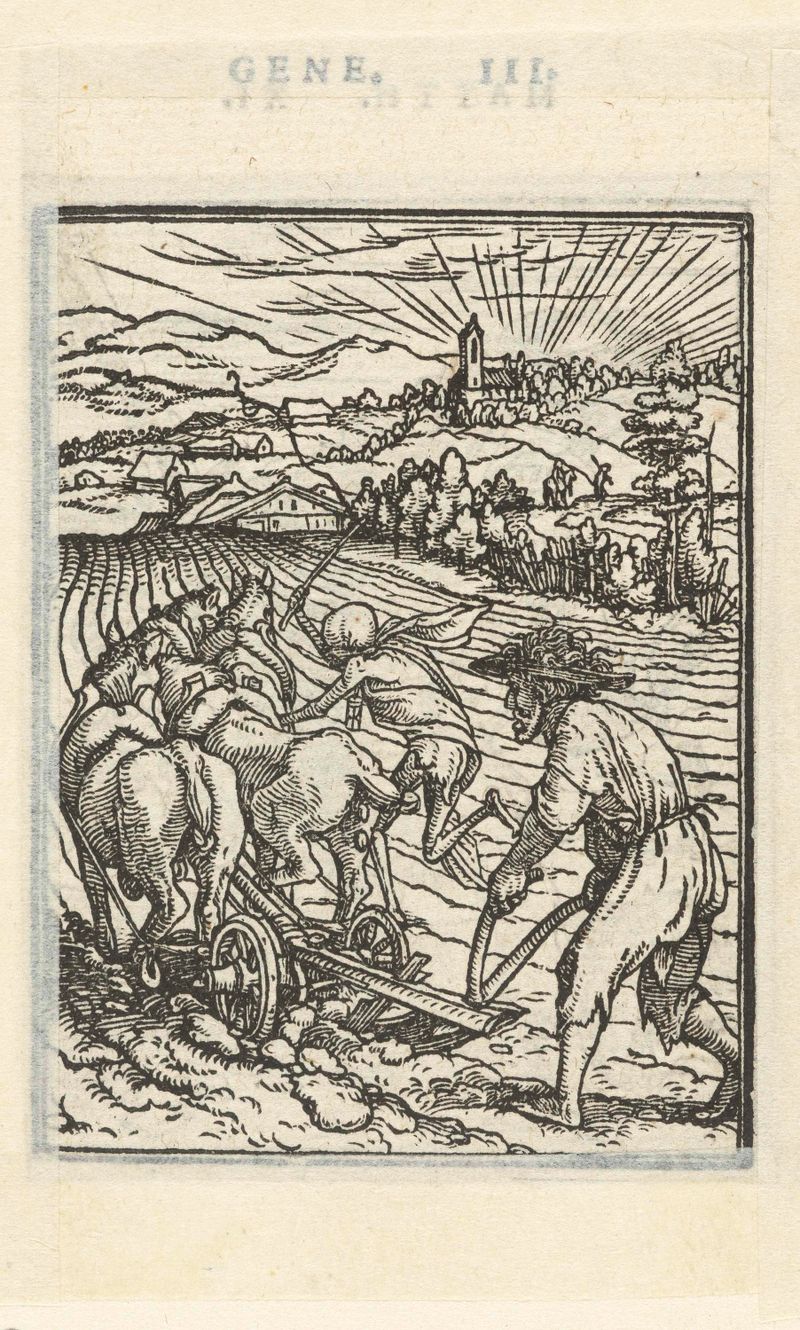
Boer en de Dood
Hans Holbein (II)
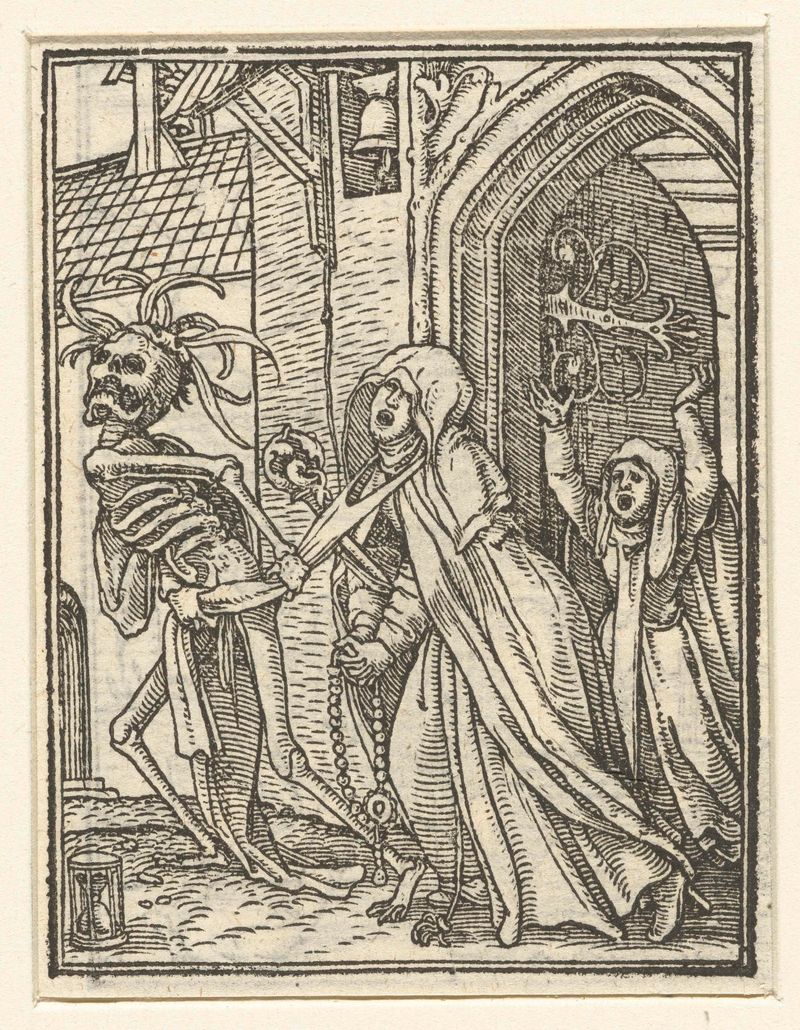
Abdis en de Dood
Hans Holbein (II)
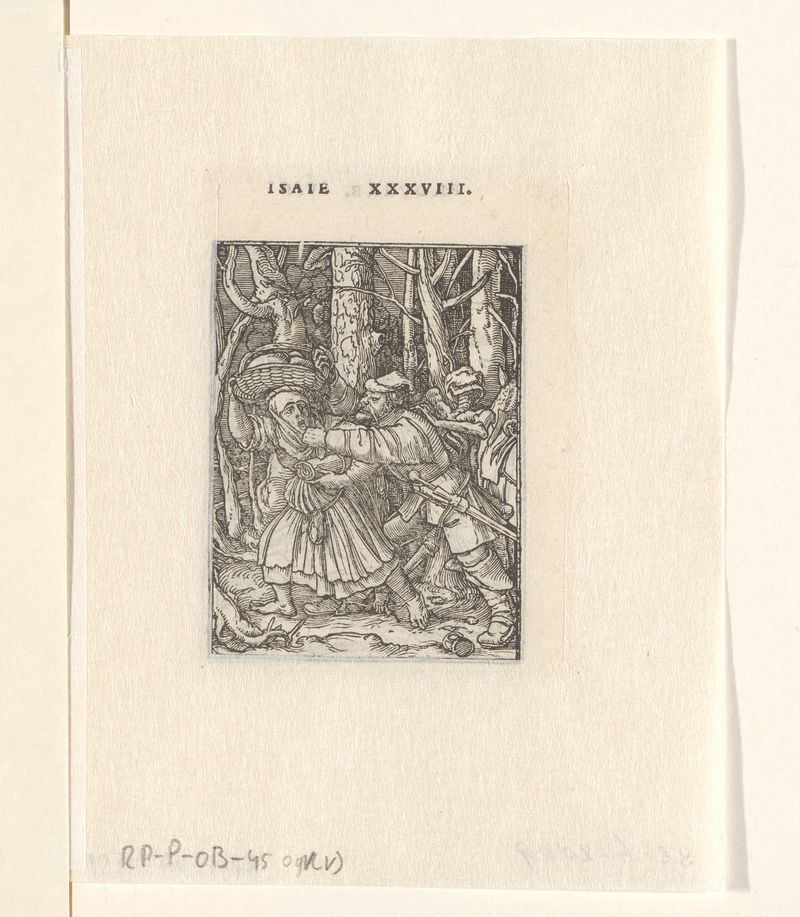
Dief en de Dood
Hans Holbein (II)
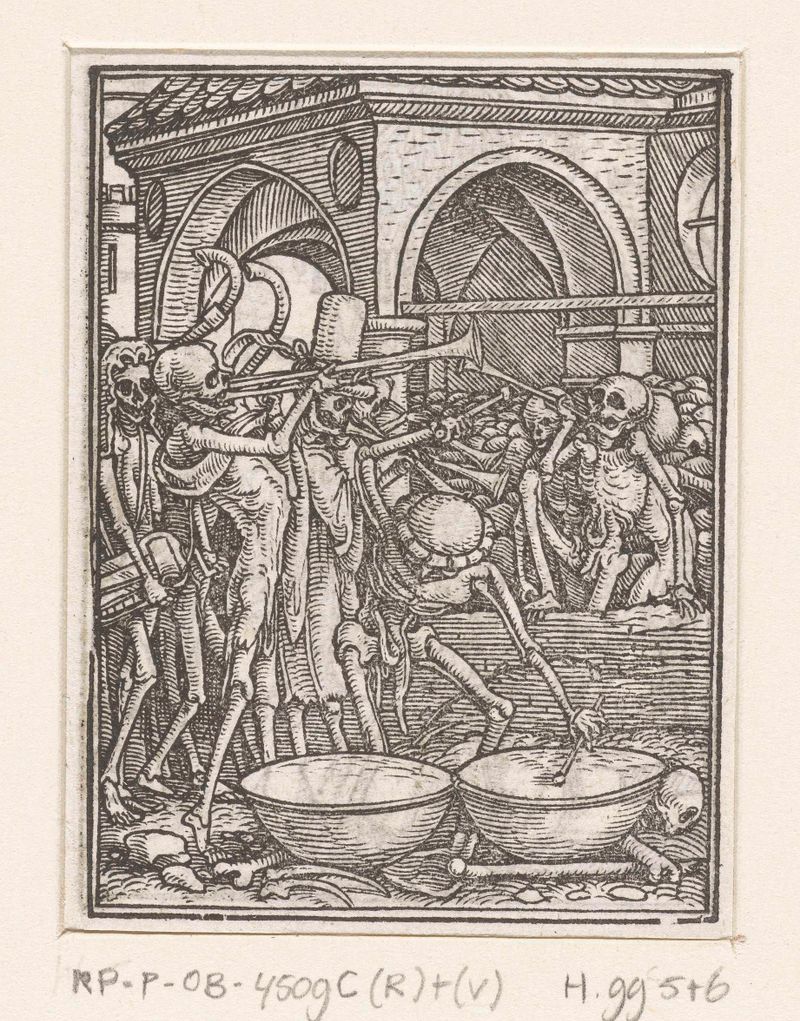
Skeletons Making Music from Dance of the Dead
Hans Holbein (II)
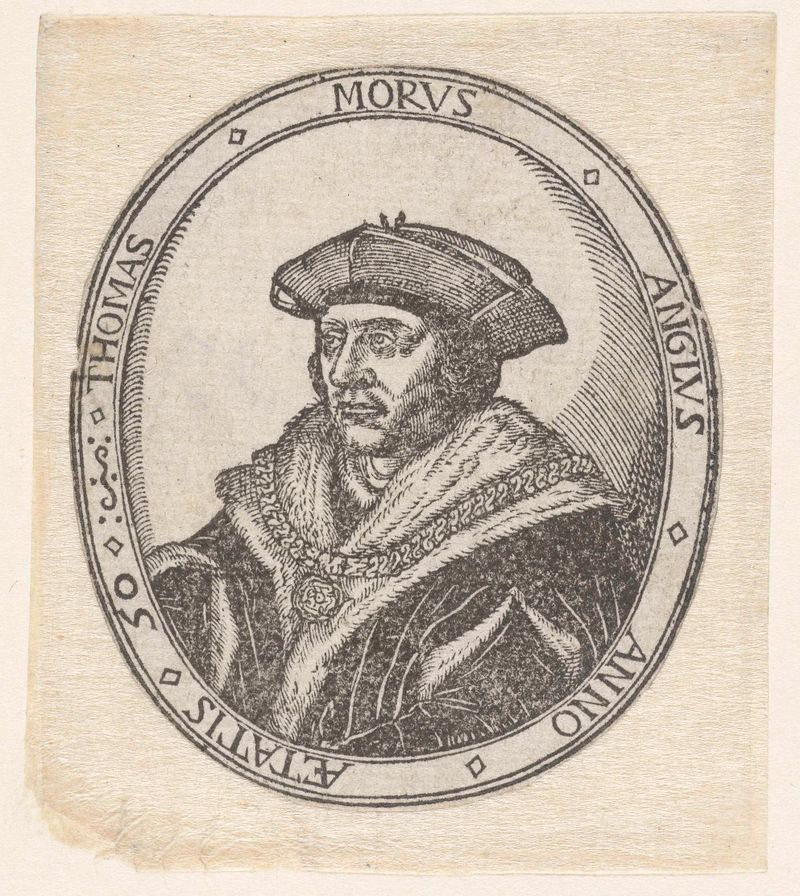
Portret van Thomas More
Hans Holbein (II)
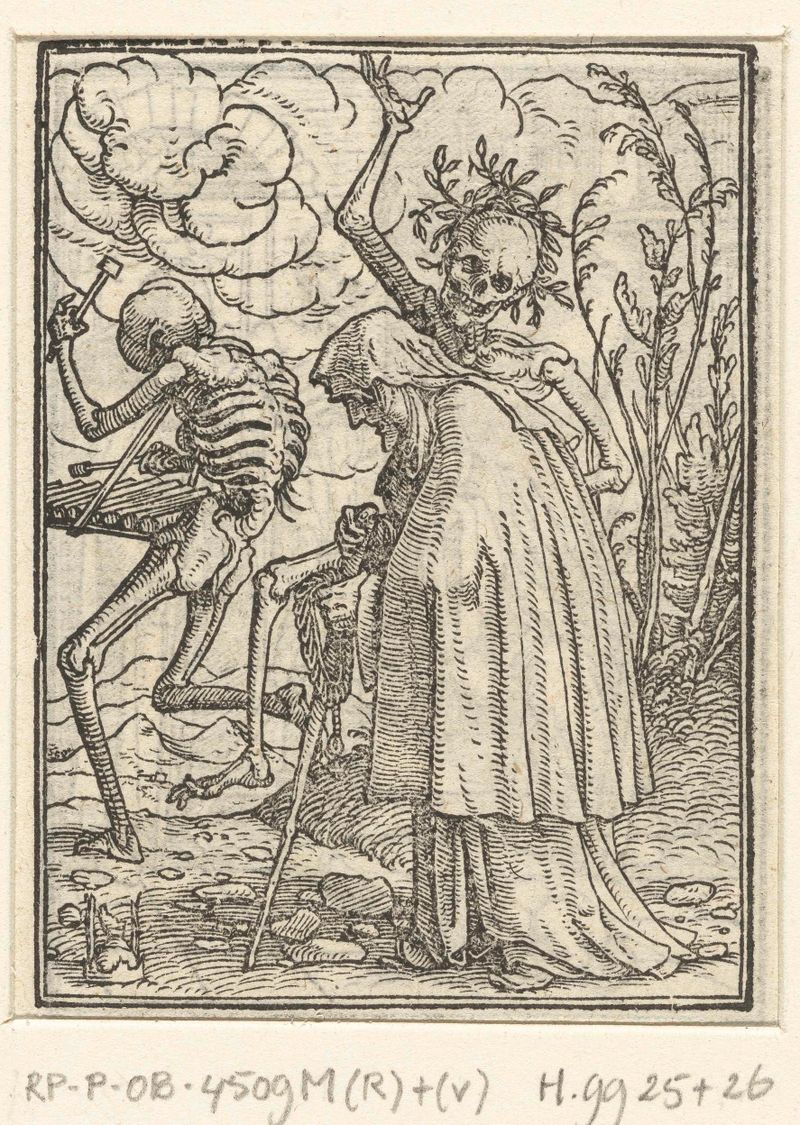
Oude vrouw en de Dood
Hans Holbein (II)





