
Letter N met drie kinderen van wie een kind zijn haar wast — History & Facts
Is this a mirror — or a memory? In Letter N met drie kinderen van wie een kind zijn haar wast, Hans Holbein (II) captures the delicate dance between innocence and the fleeting nature of time, inviting us to ponder the truths we see and the truths we wish to forget. Look to the left at the child perched on the edge of a basin, her fingers intertwined with strands of golden hair, glistening under the soft light that seems to spill from an unseen source. The vibrant colors of the fabric surrounding the children contrast sharply with the muted tones of the background, creating a sense of intimacy and focus. Notice how Holbein’s meticulous detailing of each figure reveals not only their physical forms but also their emotional states, expressed through their gestures and glances toward one another. The painting juxtaposes the playful activity of hair-washing with underlying themes of care, vulnerability, and the passage of youth.
The child at the basin appears lost in her task, embodying a moment of serene concentration while the other two watch, their expressions a mix of curiosity and admiration. This dynamic hints at the tension between childhood innocence and the inevitable journey toward adulthood, suggesting that every action holds echoes of what will soon be lost or transformed. Created between 1522 and 1526, this work emerged during Holbein's prolific period in Basel, where he was deeply engaged in portraying the human experience with an unparalleled depth of perception. Amidst a world rapidly evolving through the Reformation and increasing interest in humanist ideals, he sought to capture not just likenesses but the essence of his subjects’ truths, intertwining their individual stories with the broader narrative of society.
More Artworks by Hans Holbein (II)
Browse all →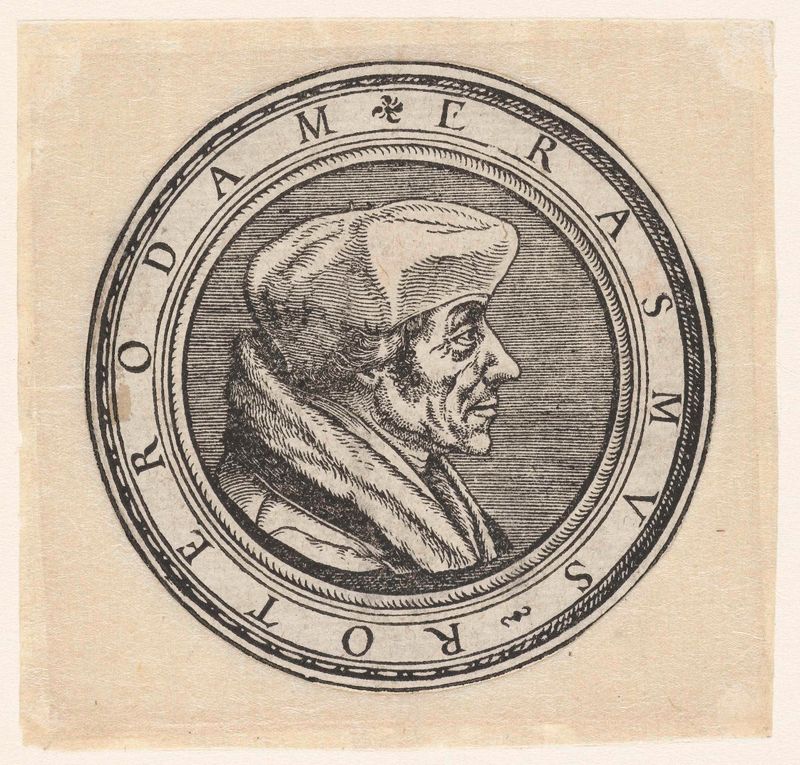
Portret van Erasmus
Hans Holbein (II)
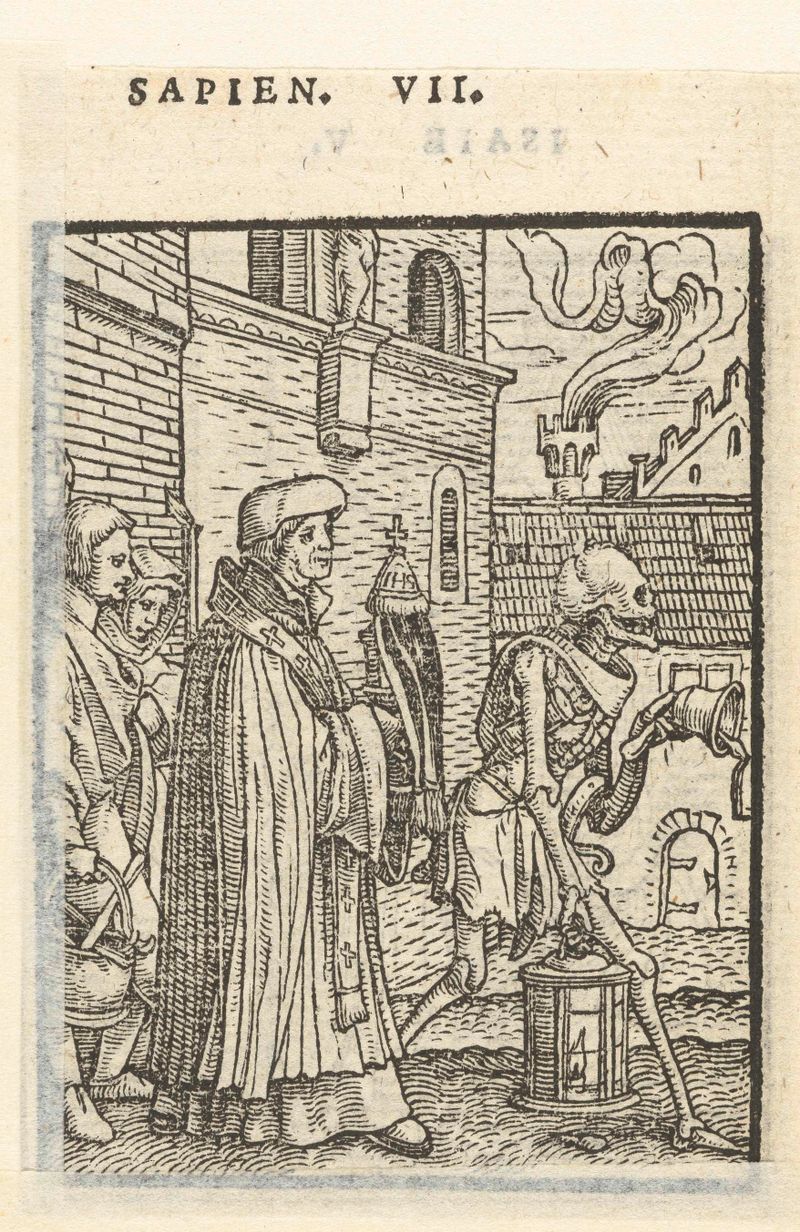
Priester en de Dood
Hans Holbein (II)
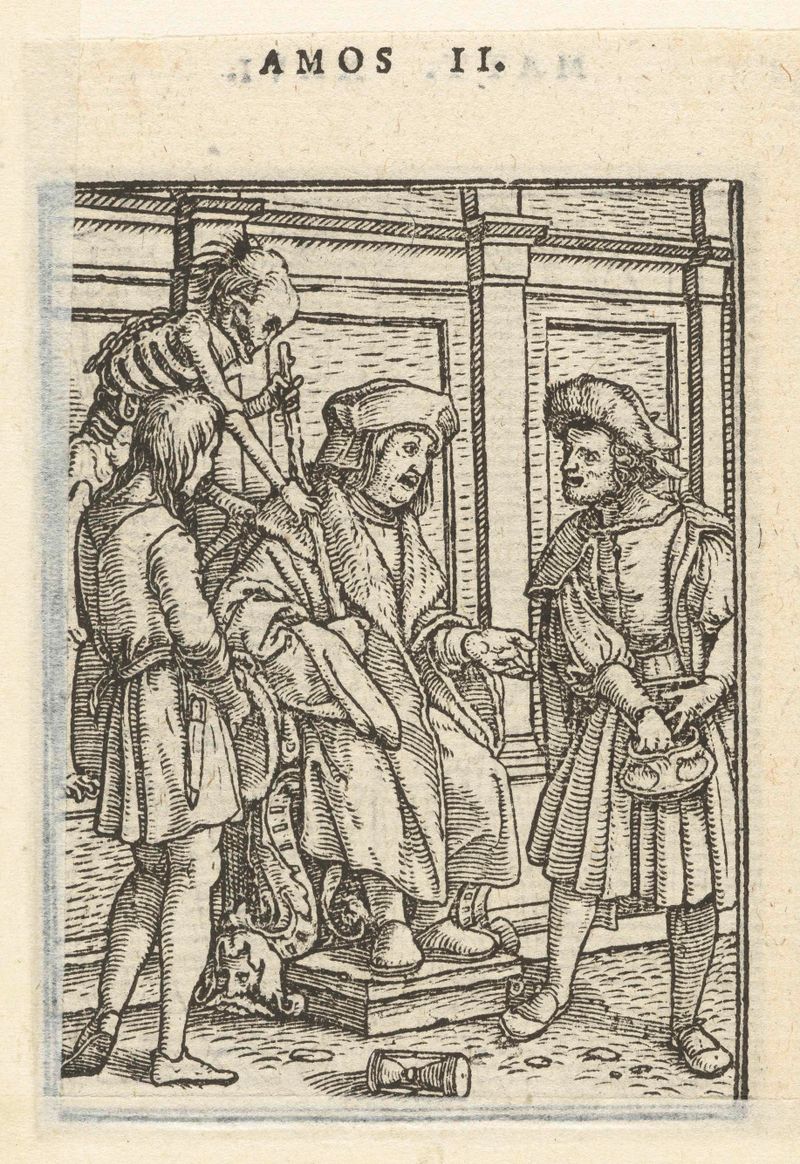
Rechter en de Dood
Hans Holbein (II)
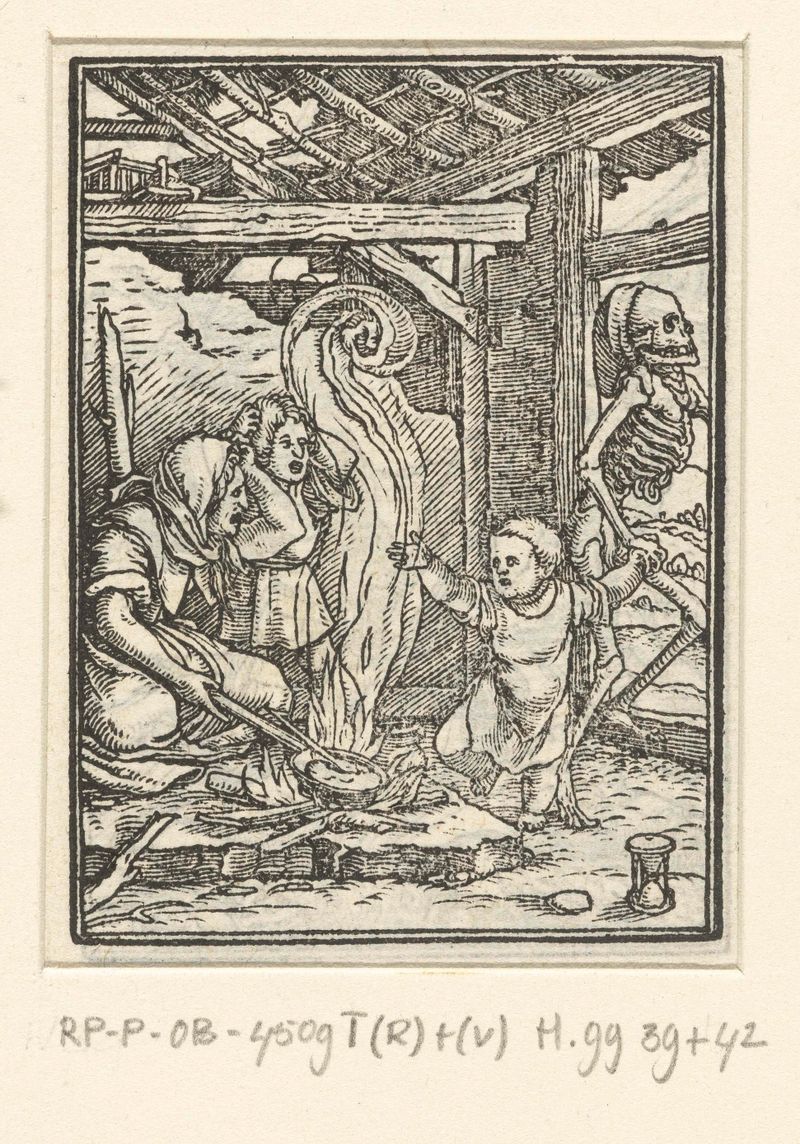
Kind en de Dood
Hans Holbein (II)
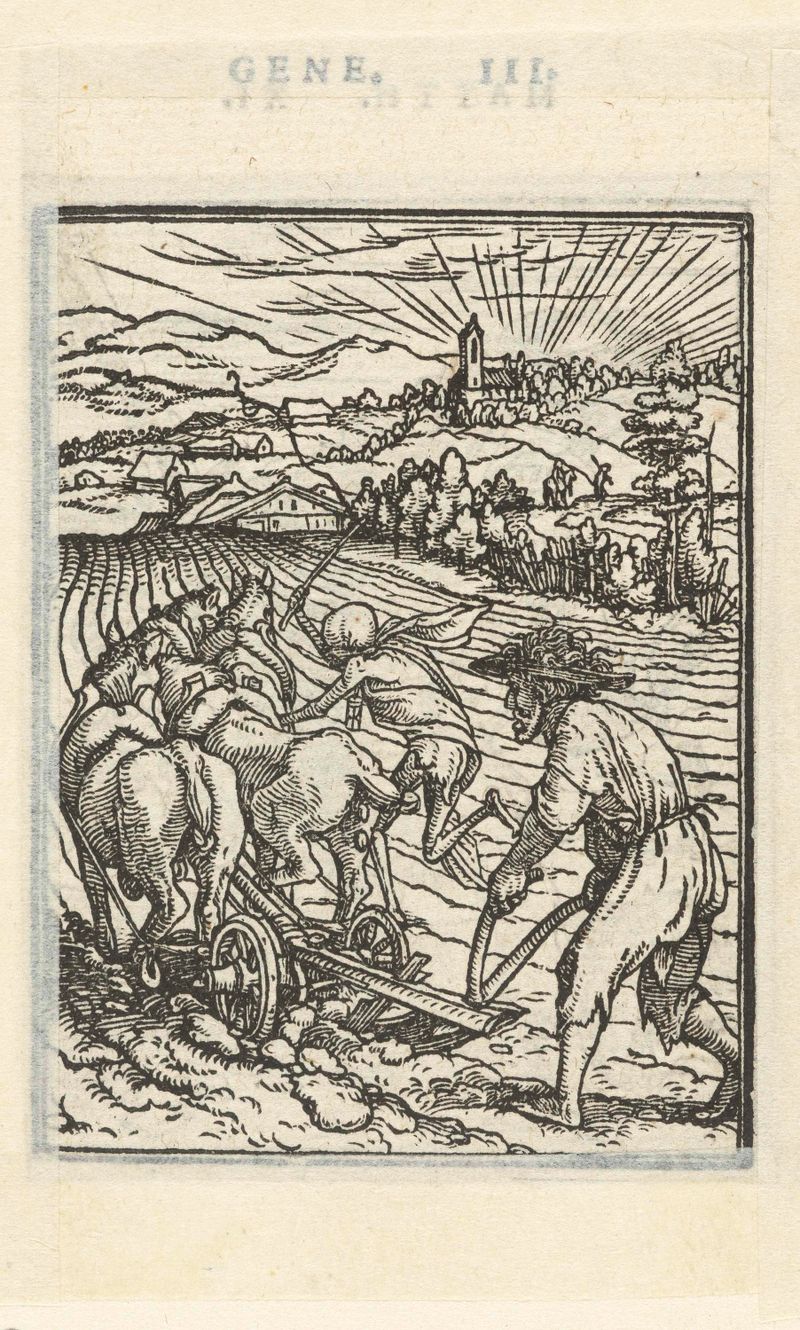
Boer en de Dood
Hans Holbein (II)
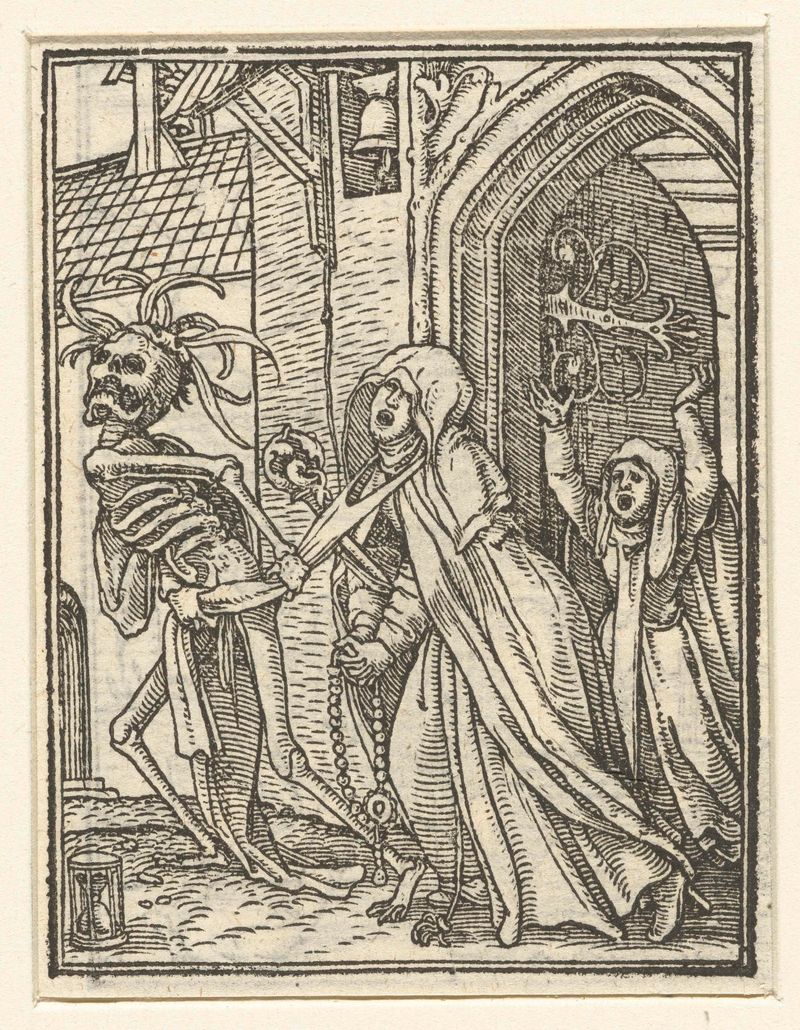
Abdis en de Dood
Hans Holbein (II)
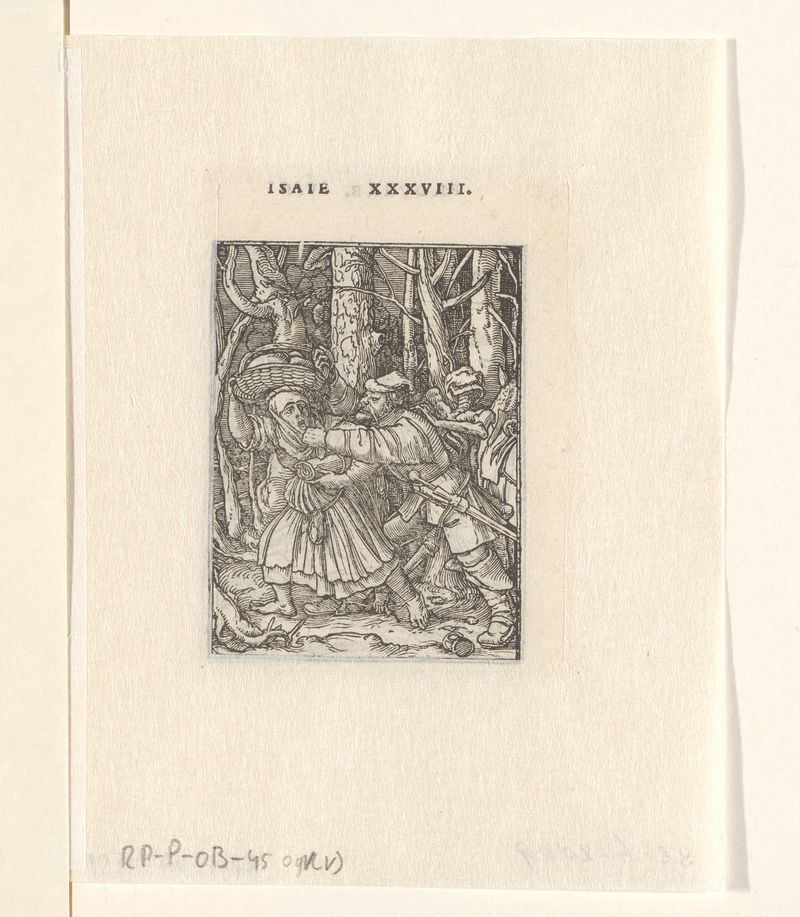
Dief en de Dood
Hans Holbein (II)
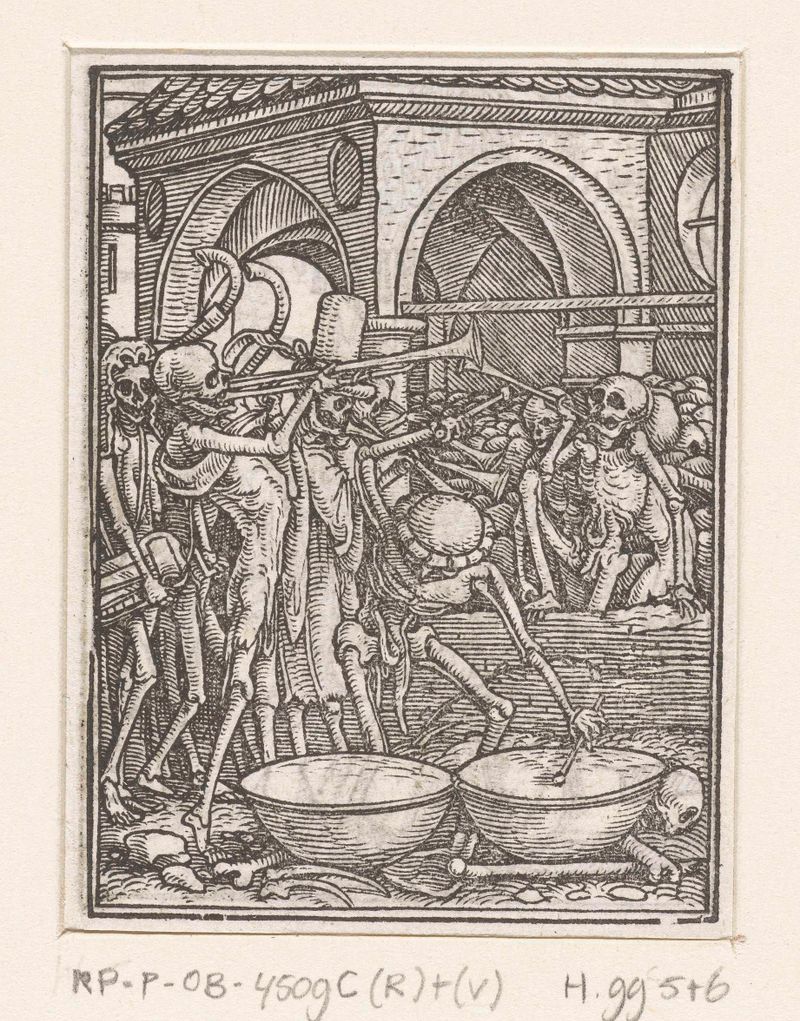
Skeletons Making Music from Dance of the Dead
Hans Holbein (II)
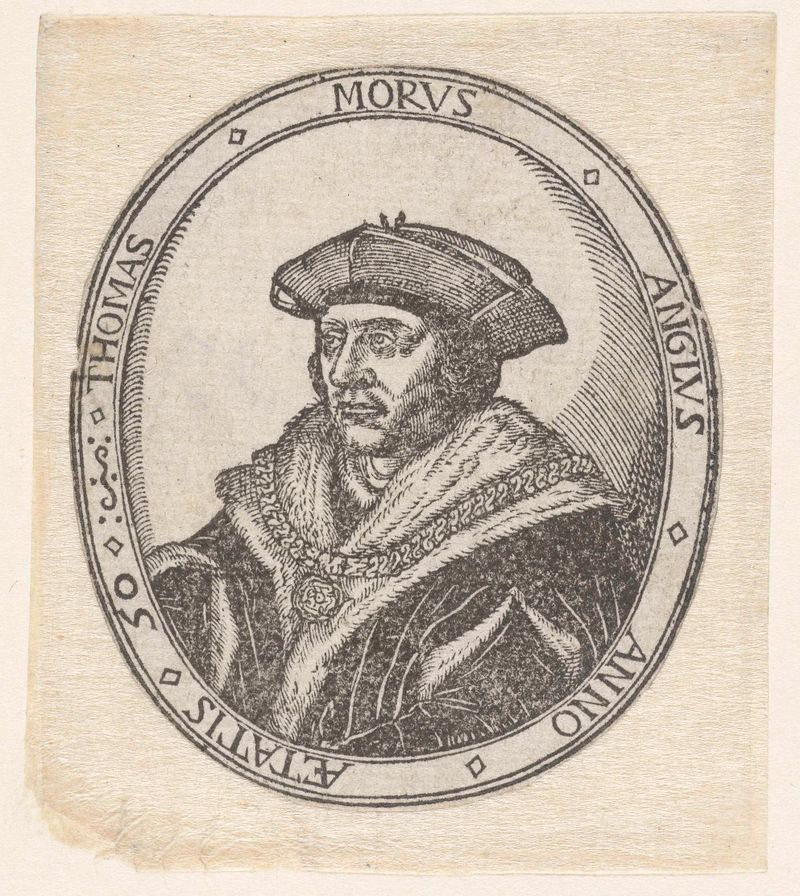
Portret van Thomas More
Hans Holbein (II)
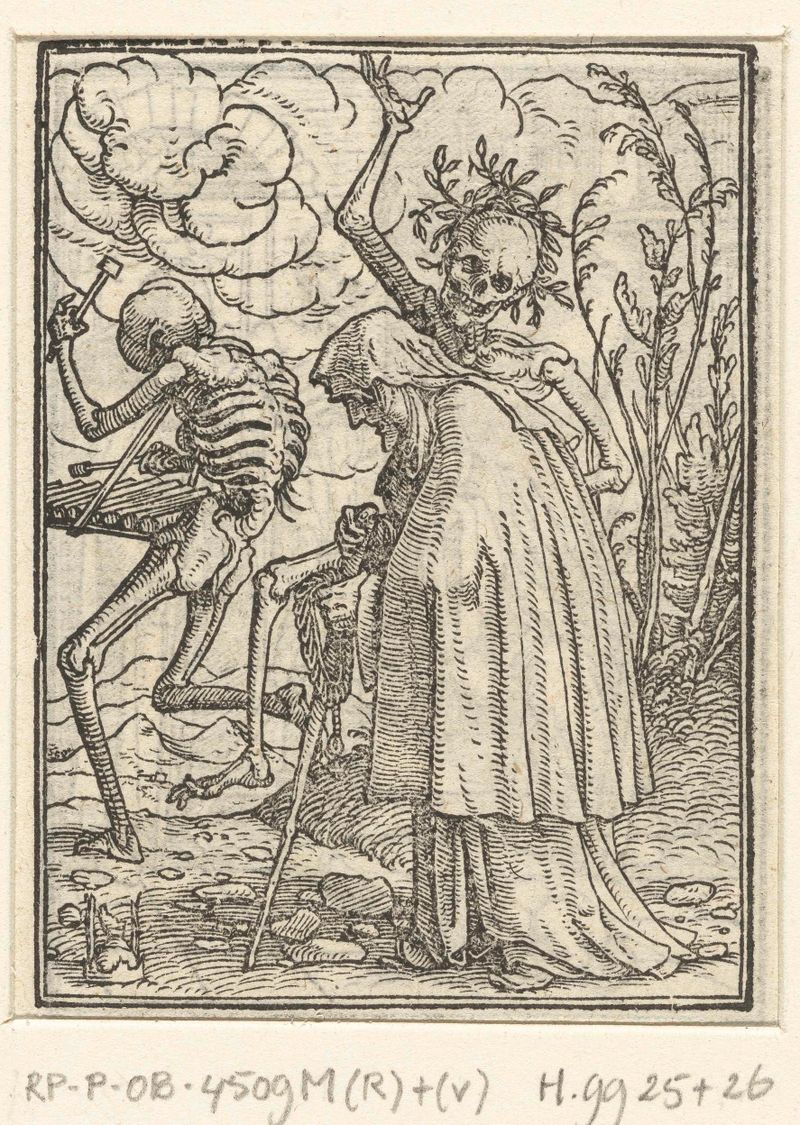
Oude vrouw en de Dood
Hans Holbein (II)





