
lhiver a pont du chateau122509) — History & Facts
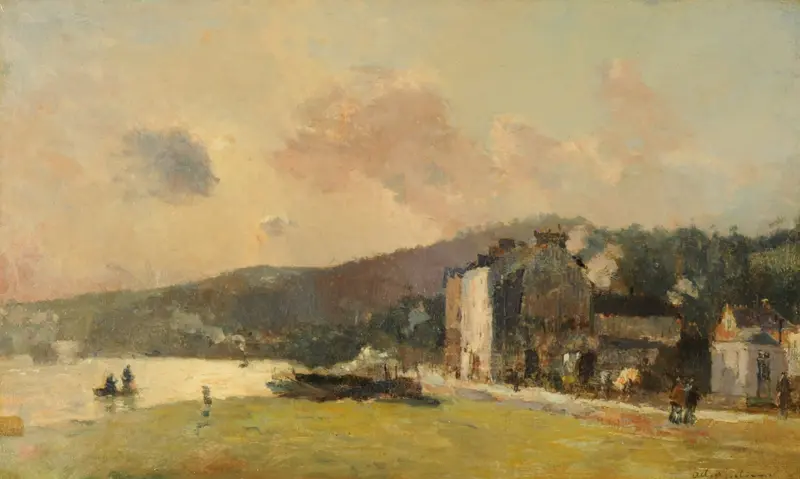
A hush settles over the landscape, as if the world itself has paused to listen to the subtle dialogue between water, stone, and snow. The eye is drawn first to the broad, arched bridge that anchors the left side of the canvas, its shadowy mass softened by thick daubs of white marking the snow that clings to its buttresses. The river below, broken by floating ice, mirrors the muted sky above, blurring the boundary between earth and air.
At the far end of the bridge, a solitary building stands sentinel, its yellow walls offering the only hint of warmth amid the winter’s restraint. Every brushstroke in lhiver a pont du chateau122509) by Albert Charles Lebourg seems to dissolve into the next, inviting the viewer to linger in the quiet, suspended moment. Painted in 1884, this work belongs to a period when artists like Lebourg—often associated with the Impressionist movement—turned their attention to the shifting moods of the French landscape. Rather than celebrate bustling city life or heroic events, painters of this era found poetry in the ordinary and the overlooked: a frozen river, a silent bridge, the hush of a winter morning.
Such scenes were rarely grand commissions; instead, they were often painted for collectors who cherished the intimate and the atmospheric. Little is recorded about the specific journey of this canvas, now known from its appearance in a modern collection, but its quiet authority speaks across time—a reminder that the most enduring stories are sometimes those told in whispers.
More Artworks by Albert Charles Lebourg

Le Jardin du Docteur Viau
Albert Charles Lebourg
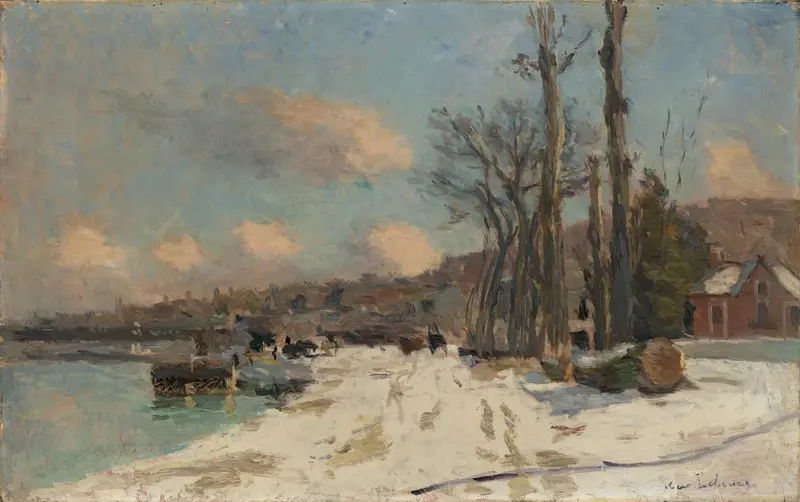
Snow Scene at Bougival
Albert Charles Lebourg
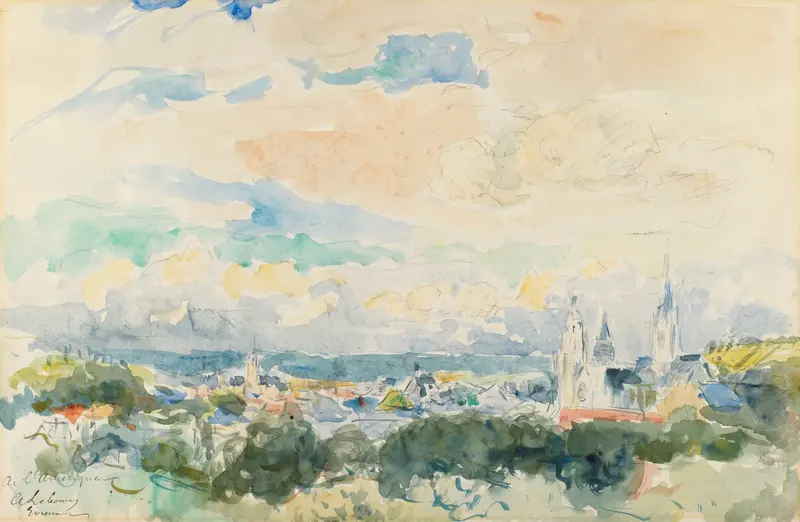
Sketch of a Village
Albert Charles Lebourg
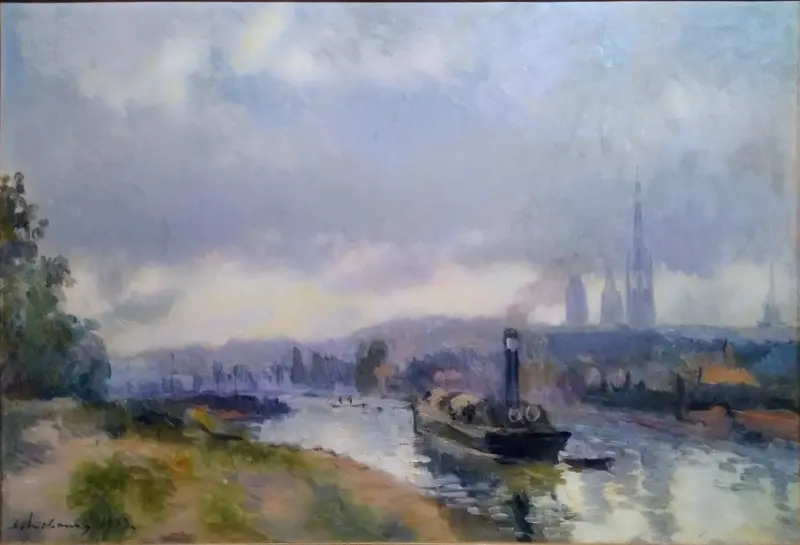
Remorqueurs à Rouen
Albert Charles Lebourg
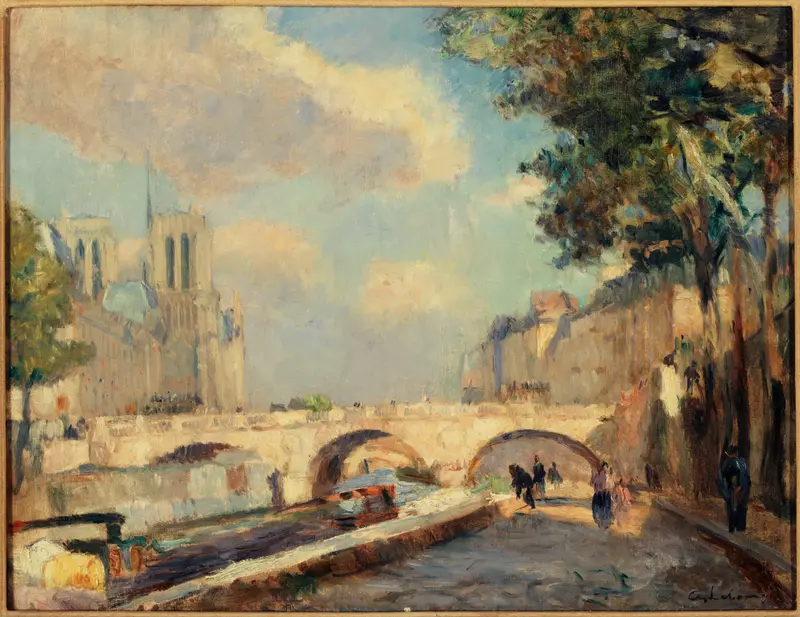
Le pont Saint Michel et Notre Dame, vus du quai des Grands Augustins P459 Musée Carnavalet
Albert Charles Lebourg
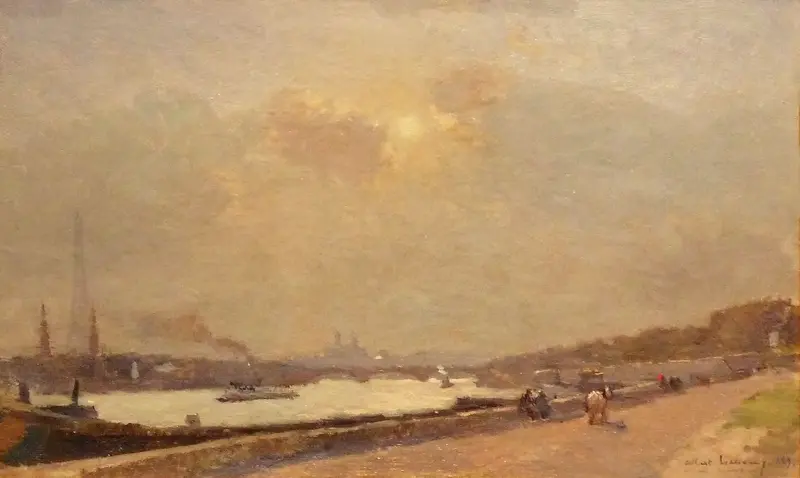
Banks of the Seine, Cours La Reine
Albert Charles Lebourg
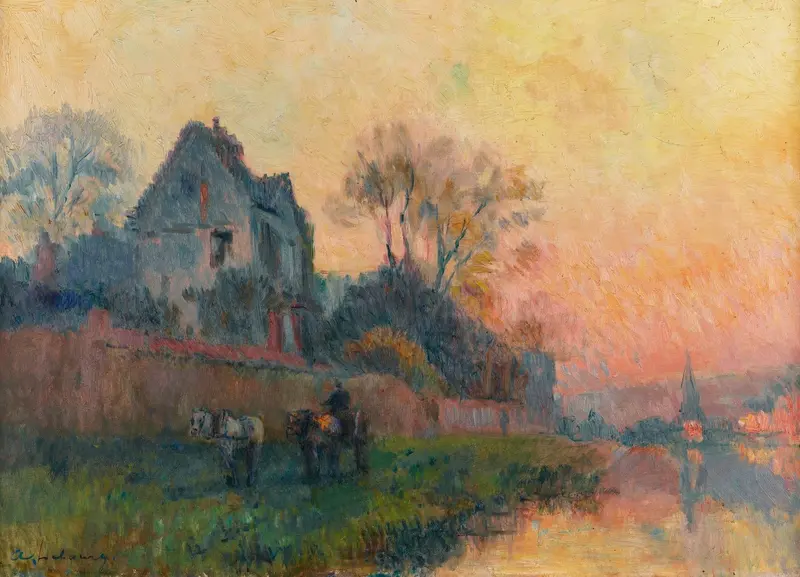
Bords de Seine à Chatou, oil on canvas, 46.4 by 65.1cm, 18.25 by 25.6 in
Albert Charles Lebourg
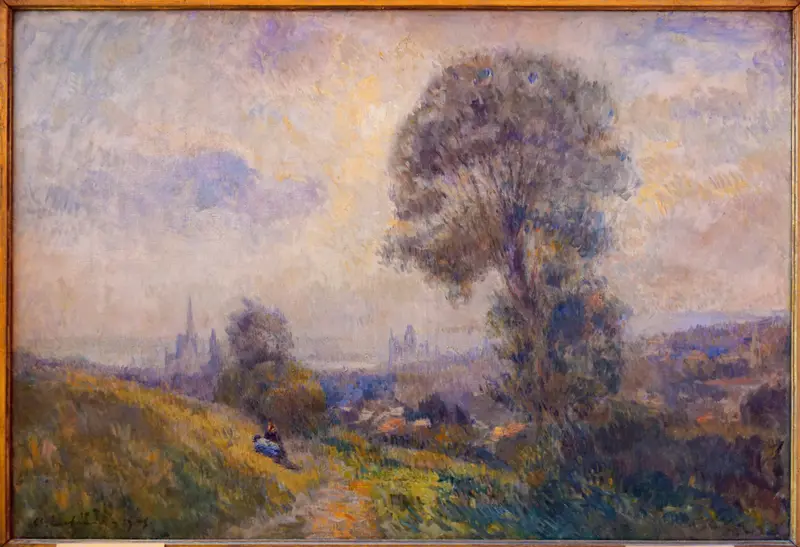
Camaret. The Harbor During a Thunderstorm
Albert Charles Lebourg
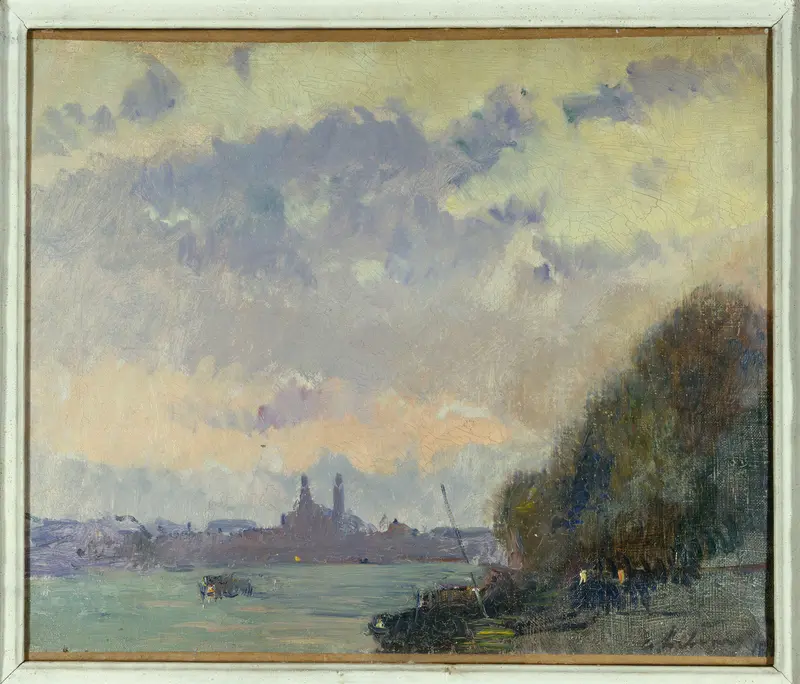
La Seine et l'ancien Trocadéro P2269 Musée Carnavalet
Albert Charles Lebourg
La Seine à Croisset, près de Rouen
Albert Charles Lebourg
More Landscape Art

The Starry Night
Vincent van Gogh

View of Delft
Johannes Vermeer

Water Lilies
Claude Monet

The Grand Canal, Venice, looking north-west from the Ca' Corner to the Ca' Contarini degli Scrigni, with the campanile of Santa Maria della Carità
Canaletto

Windsor Castle
Canaletto

The Grand Canal looking North-East from the Palazzo Dolfin-Manin to the Rialto Bridge
Canaletto