
Lille Pdba Lebourg ile lacroix rouen — History & Facts
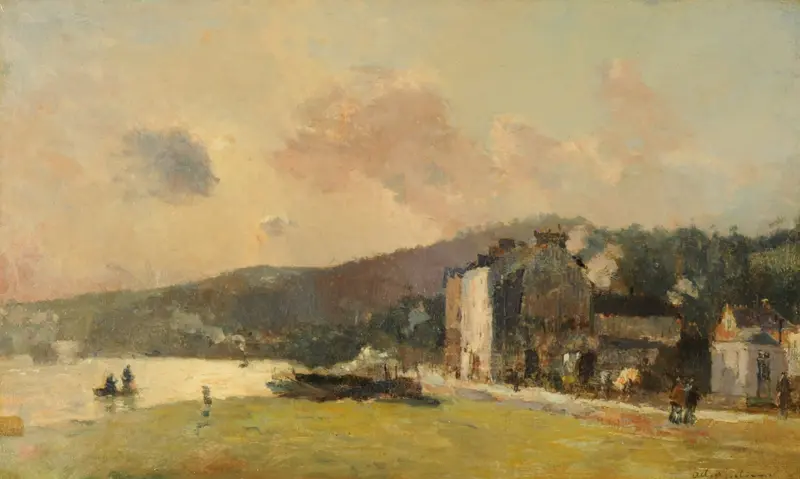
A riverbank draws the eye first, where a handful of figures linger at the water’s edge, their presence dwarfed by the sweep of sky above. The brushwork is loose, the palette soft but restless—each patch of color seems to shimmer, as if the light itself is in motion. The horizon sits low, giving the sky a commanding role, filled with clouds that tumble and break apart, echoing the energy of the water below.
Look closer: the boats are mere suggestions, their forms caught mid-glide, while the distant spires and rooftops of Rouen rise like memories from the haze. This is a painting that invites you to move slowly, to notice the way reflections blur into the river, or how the trees hold the last warmth of the sun. Painted at the turn of the twentieth century, this view of Île Lacroix in Rouen belongs to a tradition shaped by the Impressionists, who found poetry in the everyday and made the changing effects of light their true subject. Artists like Albert Charles Lebourg—though less known than some of his contemporaries—were drawn to the banks of the Seine, capturing the interplay of industry, leisure, and nature as France modernized.
Today, the work hangs in the Palais des Beaux-Arts de Lille, a quiet witness to a world in flux. History has kept few traces of this particular canvas’s journey, but its surface still hums with the urgency of an artist intent on catching a fleeting afternoon—step closer and let your own eye follow the river’s path.
More Artworks by Albert Charles Lebourg

Le Jardin du Docteur Viau
Albert Charles Lebourg
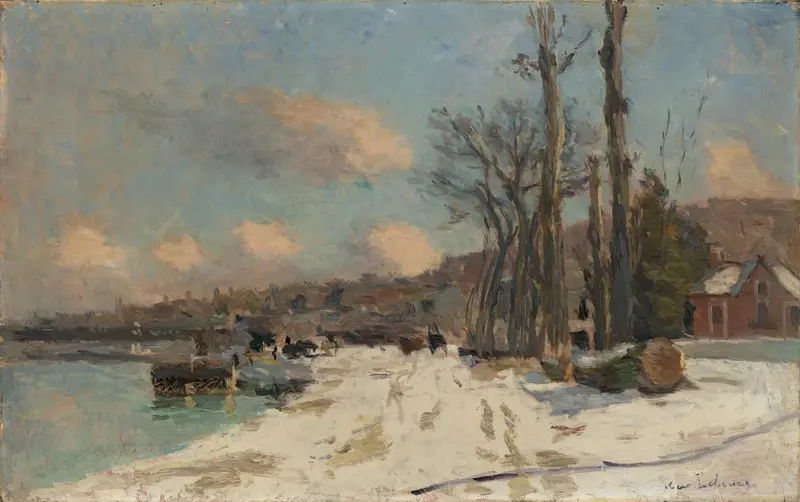
Snow Scene at Bougival
Albert Charles Lebourg
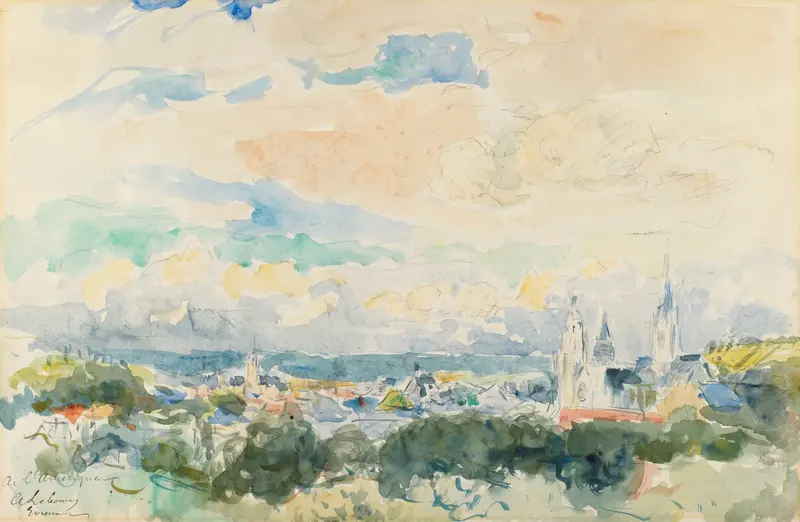
Sketch of a Village
Albert Charles Lebourg
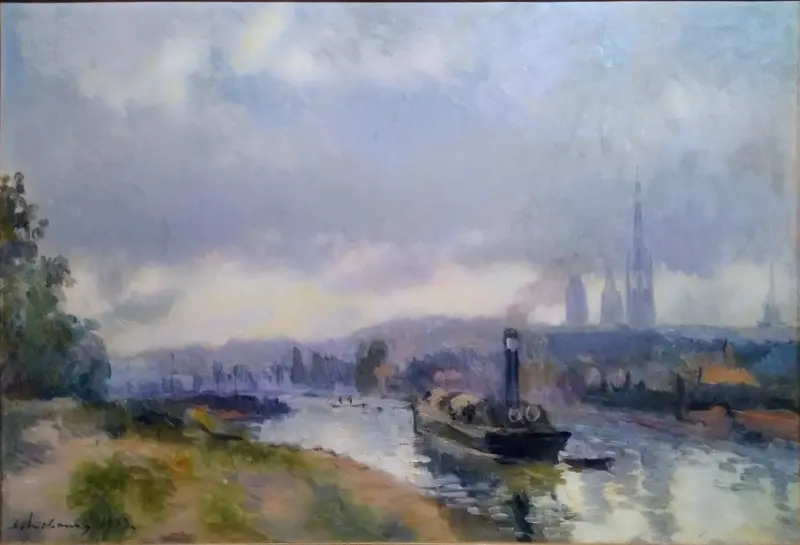
Remorqueurs à Rouen
Albert Charles Lebourg
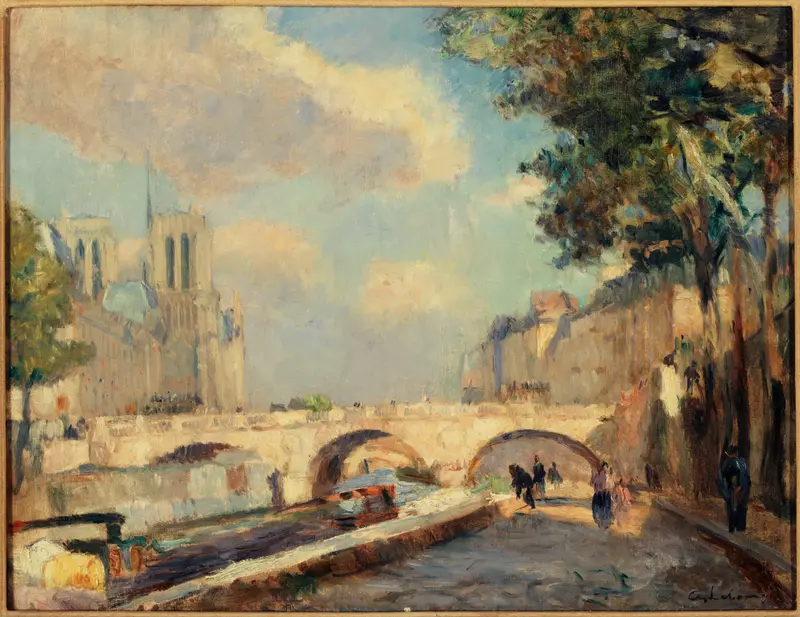
Le pont Saint Michel et Notre Dame, vus du quai des Grands Augustins P459 Musée Carnavalet
Albert Charles Lebourg
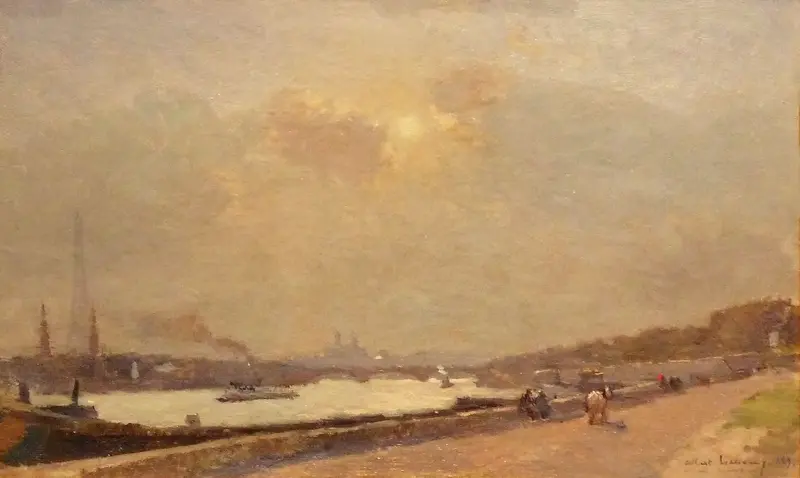
Banks of the Seine, Cours La Reine
Albert Charles Lebourg
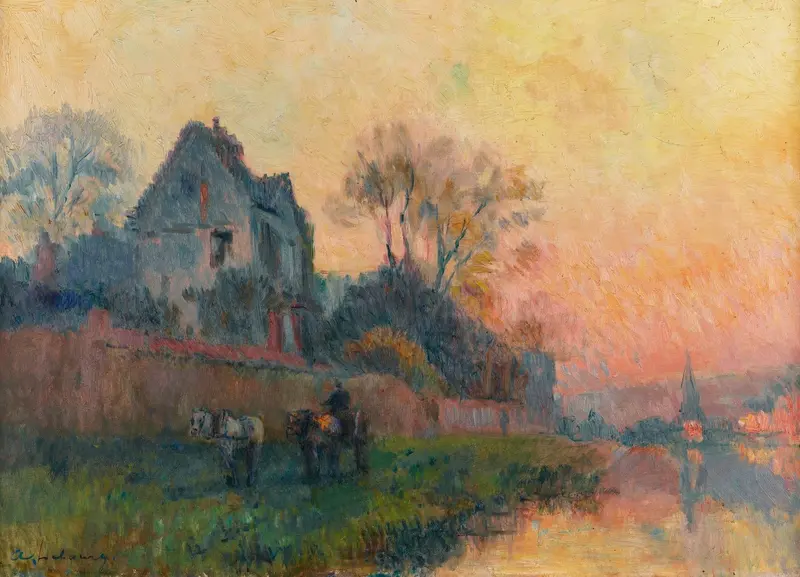
Bords de Seine à Chatou, oil on canvas, 46.4 by 65.1cm, 18.25 by 25.6 in
Albert Charles Lebourg
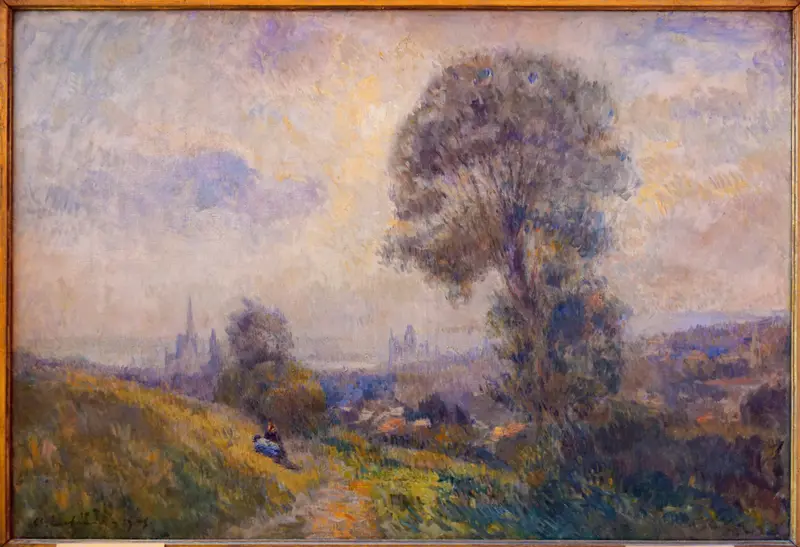
Camaret. The Harbor During a Thunderstorm
Albert Charles Lebourg
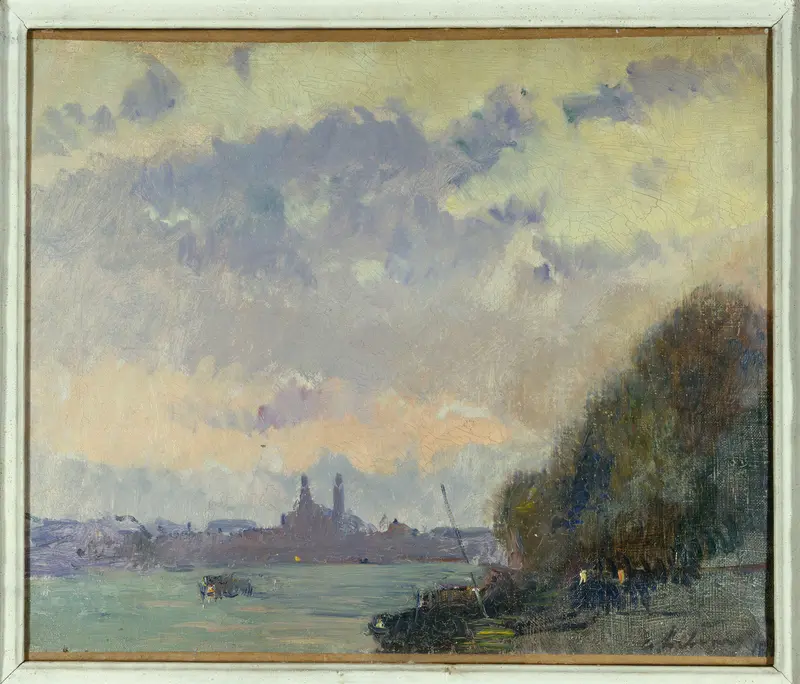
La Seine et l'ancien Trocadéro P2269 Musée Carnavalet
Albert Charles Lebourg
La Seine à Croisset, près de Rouen
Albert Charles Lebourg
More Landscape Art

The Starry Night
Vincent van Gogh

View of Delft
Johannes Vermeer

Water Lilies
Claude Monet

The Grand Canal, Venice, looking north-west from the Ca' Corner to the Ca' Contarini degli Scrigni, with the campanile of Santa Maria della Carità
Canaletto

Windsor Castle
Canaletto

The Grand Canal looking North-East from the Palazzo Dolfin-Manin to the Rialto Bridge
Canaletto