
Lincoln Cathedral — History & Facts
In Thomas Girtin’s Lincoln Cathedral, this sentiment resonates deeply, reflecting the tension between creation and fragility. Look to the center of the canvas where the majestic spires of Lincoln Cathedral rise against a stormy sky, their vertical lines reaching for salvation. The muted blues and grays evoke a sense of somberness, while flecks of warm golden light illuminate the intricate stonework, suggesting a divine presence. The careful brushstrokes convey a sense of movement, as if the clouds themselves are swirling around the steadfast cathedral, infusing the scene with a dynamic energy that contrasts the stillness of the structure. Amidst the looming shadows, one can find hints of hope in the radiant light that bathes parts of the cathedral.
This interplay of darkness and illumination speaks to the duality of faith and doubt, reflecting the struggles inherent in both human endeavor and spiritual aspiration. The surrounding landscape, dotted with trees, further emphasizes the isolation of the cathedral, symbolizing the sanctity of creation amidst the chaos of existence. In 1795, Girtin painted this piece while in England, a time when Romanticism was gaining momentum, emphasizing emotion and nature's power. He was influenced by the sublime, as artists sought to capture the essence of beauty intertwined with the tempestuous forces of life.
This work not only showcases his mastery of watercolor but also his deep contemplation of the human experience, rooted in the ever-present search for meaning and creation.
More Artworks by Thomas Girtin
Browse all →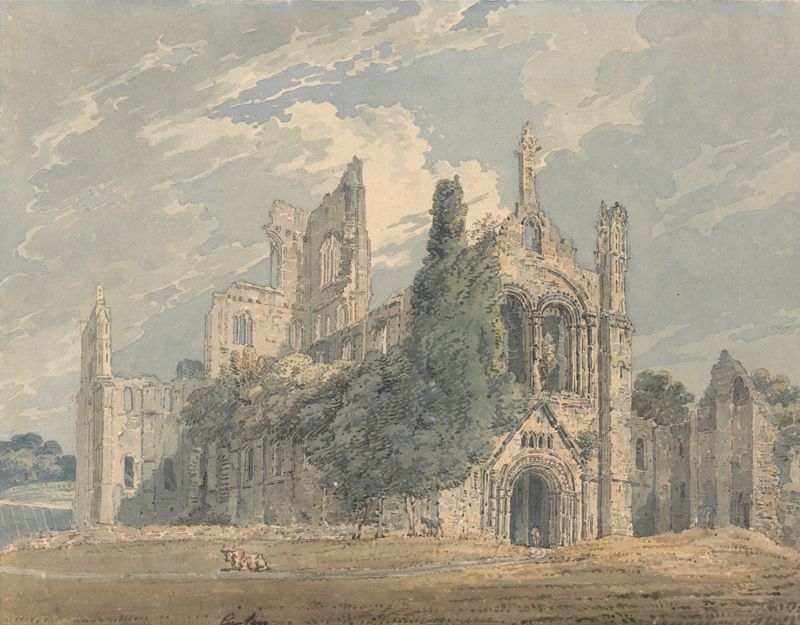
Kirkstall Abbey from the N.W.
Thomas Girtin
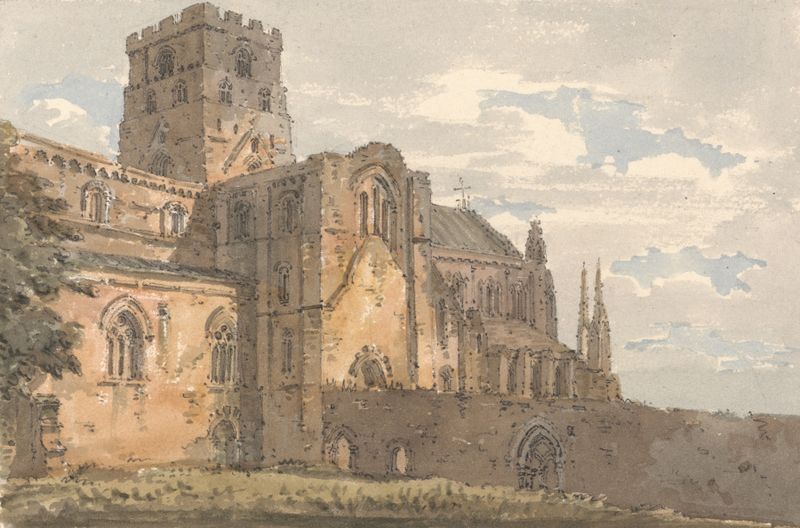
Carlisle Cathedral, Cumberland, from the South-west
Thomas Girtin
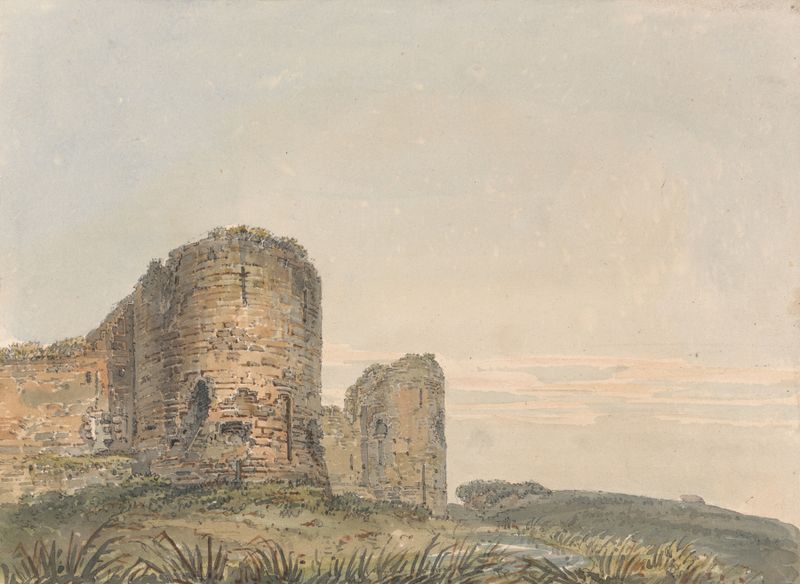
Pevensey Castle, Sussex
Thomas Girtin
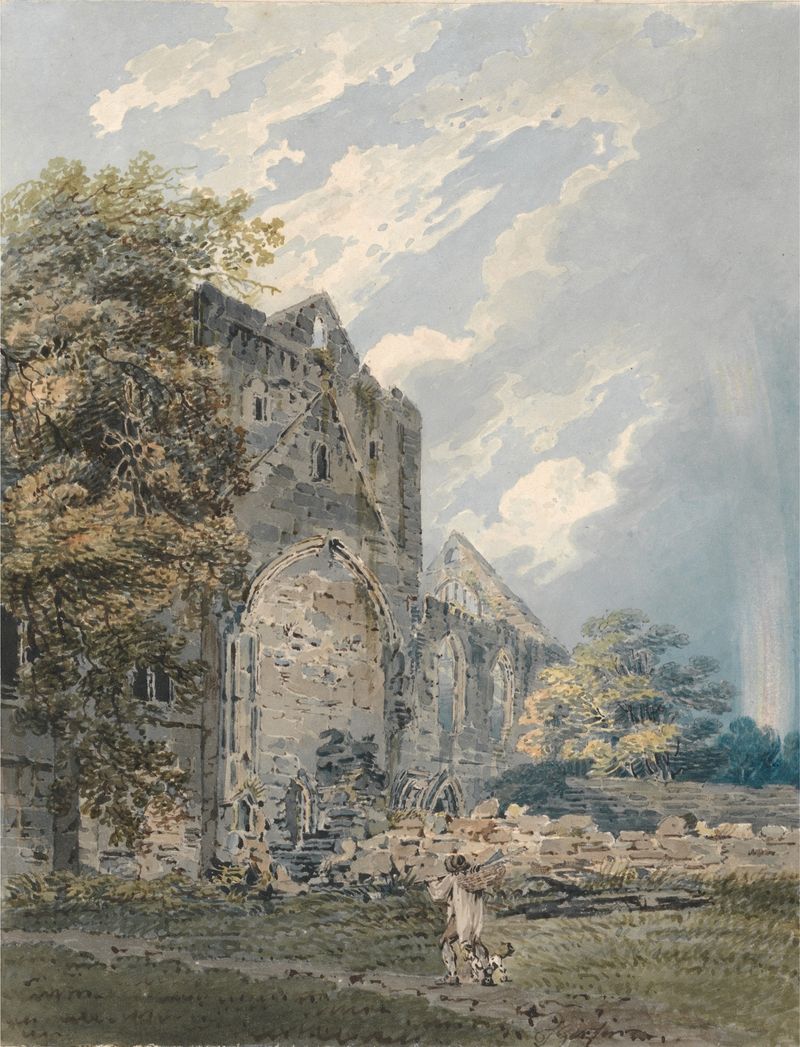
Pluscardine Abbey, Elgin
Thomas Girtin
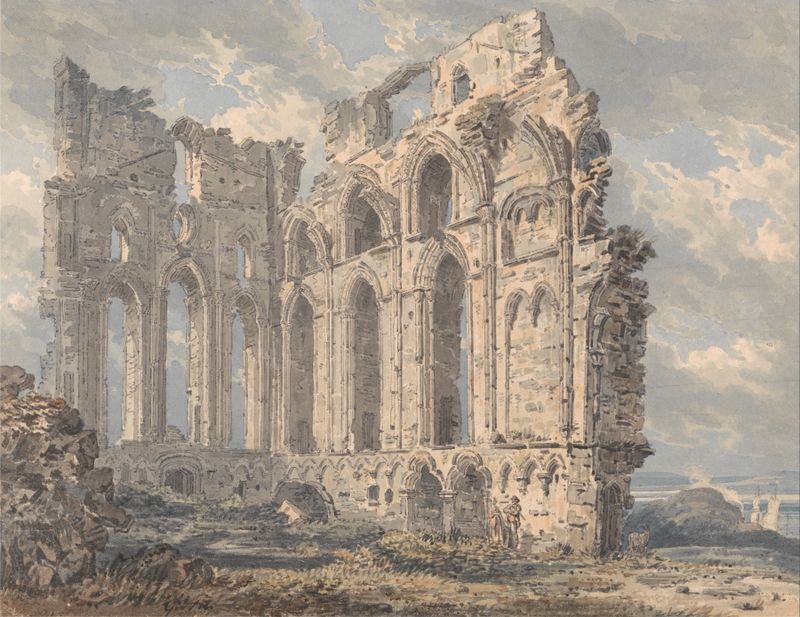
Tynemouth Priory, Northumberland
Thomas Girtin
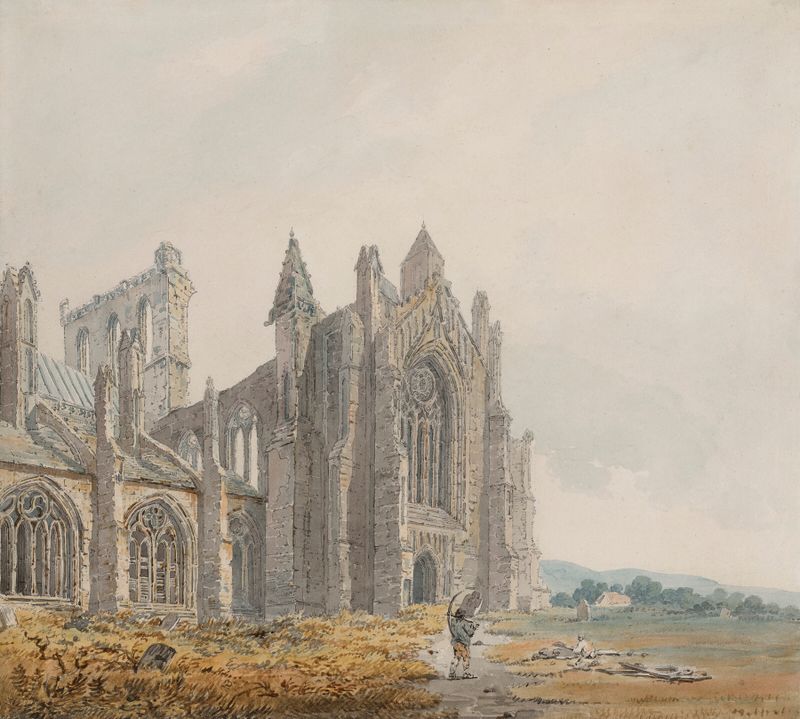
Melrose Abbey, Scotland
Thomas Girtin
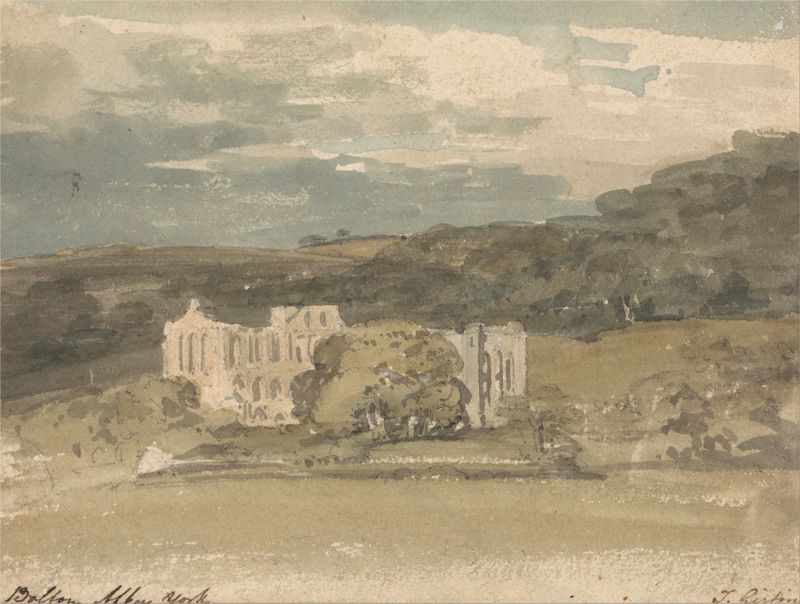
Rievaulx Abbey, Yorkshire
Thomas Girtin
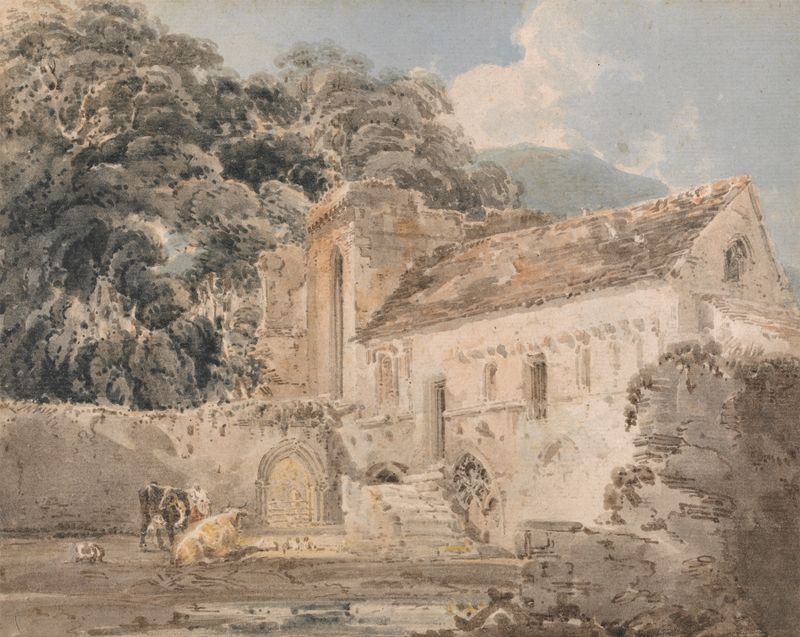
Valle Crucis Abbey, Denbighshire
Thomas Girtin
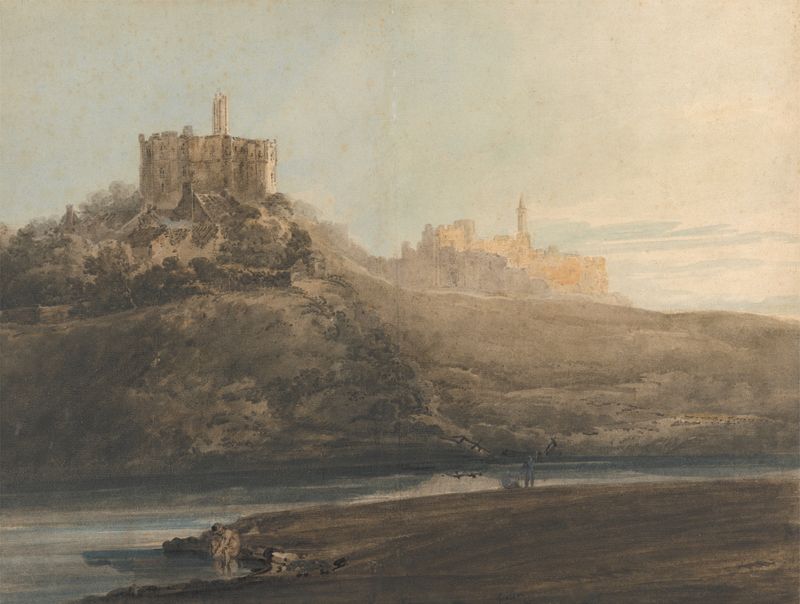
Warkworth Castle, Northumberland
Thomas Girtin
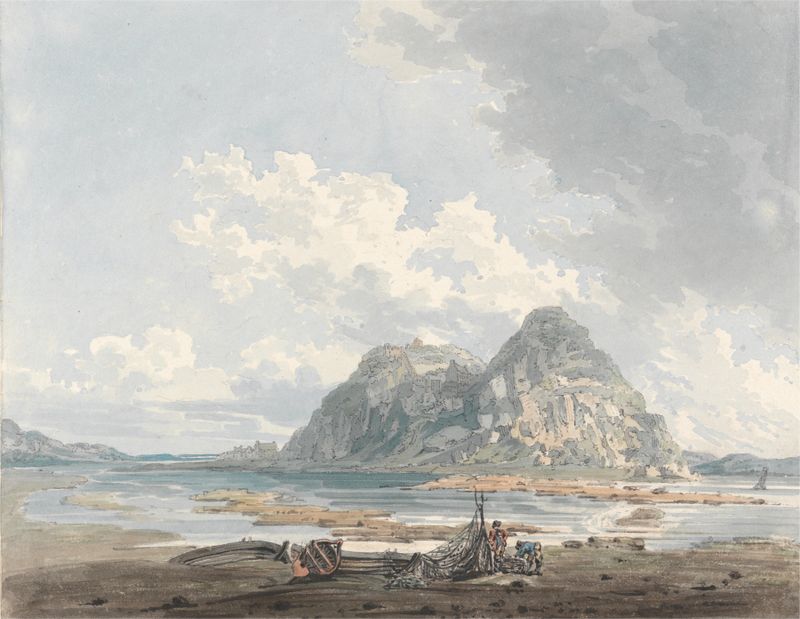
Dumbarton Rock and Castle
Thomas Girtin
More Architecture Art
Browse all →
The statue of Liberty
Frédéric Auguste Bartholdi

View of Houses in Delft, Known as ‘The Little Street’
Johannes Vermeer

View of Houses in Delft, Known as ‘The Little Street’
Johannes Vermeer

The Cathedral in Rouen. The portal, Grey Weather
Claude Monet

The yellow house
Vincent van Gogh

The Church in Auvers-sur-Oise, View from the Chevet
Vincent van Gogh