Lion’s Inn — History & Facts
What if beauty was never meant to be finished? This question resonates through the layers of Lion’s Inn, where the interplay of light and shadow reveals more than just a picturesque tavern. Look to the left at the inviting entrance, framed by warm, golden light that spills from inside, beckoning patrons with its soft glow. Notice how the artist employs a rich palette of earthy tones, with deep greens and browns, evoking the rustic charm of the countryside. The deliberate brushstrokes create a sense of texture, making the building's weathered stones and wooden beams almost tangible.
Each element draws your gaze deeper into the scene, inviting you to linger on the details. As the eye wanders, subtle contrasts emerge. The sturdy architecture stands resolute against the ethereal sky, where soft clouds seem to dance in harmony with the trees that sway gently in the breeze. The presence of figures outside the inn speaks to moments of connection and camaraderie, yet there’s an underlying solitude—a truth about transient joys and the quiet moments we seek in life’s simple pleasures. Samuel Ireland painted Lion’s Inn between 1794 and 1800 in England during a time of artistic transition.
Emerging from the shadows of the neoclassical dominance, he was influenced by the natural landscapes that surrounded him, while also reflecting the burgeoning Romantic movement. Capturing the essence of everyday life, Ireland contributed to the evolving narrative of art, seeking to express both beauty and truth in an ever-changing world.
More Artworks by Samuel Ireland
Browse all →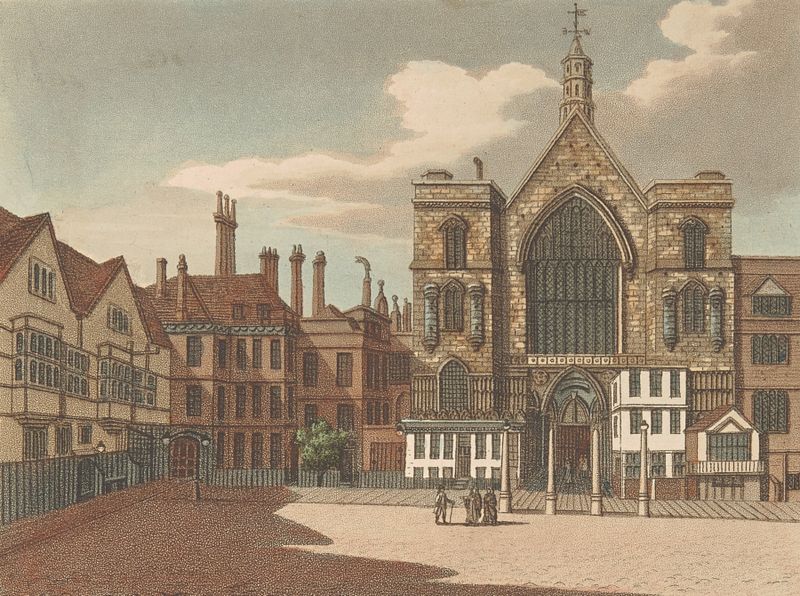
Westminster Hall
Samuel Ireland

Southwest View of Middle Temple
Samuel Ireland
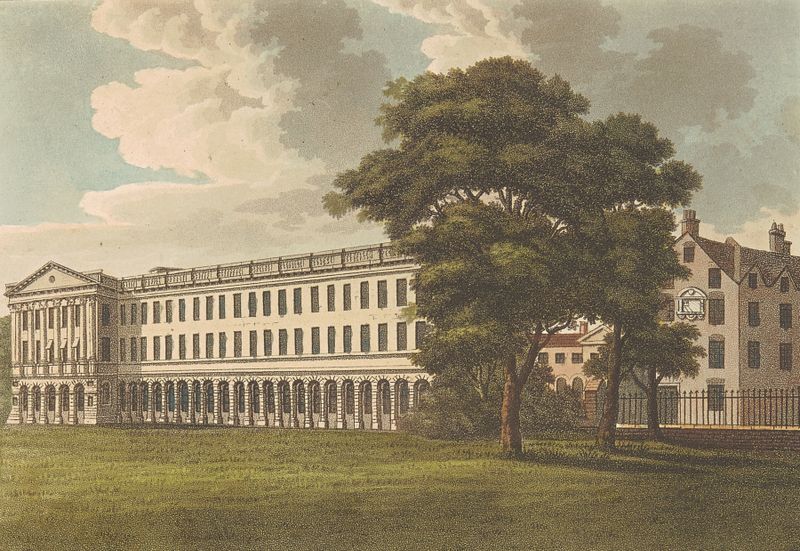
Stone Buildings, Lincoln’s Inn
Samuel Ireland
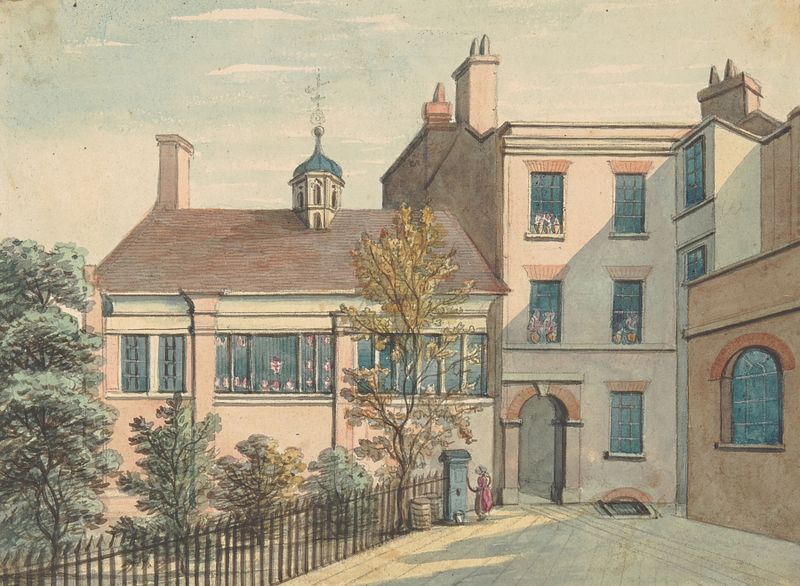
Barnard’s Inn
Samuel Ireland

Lincoln’s Inn Hall and Chapel
Samuel Ireland

Lion’s Inn
Samuel Ireland
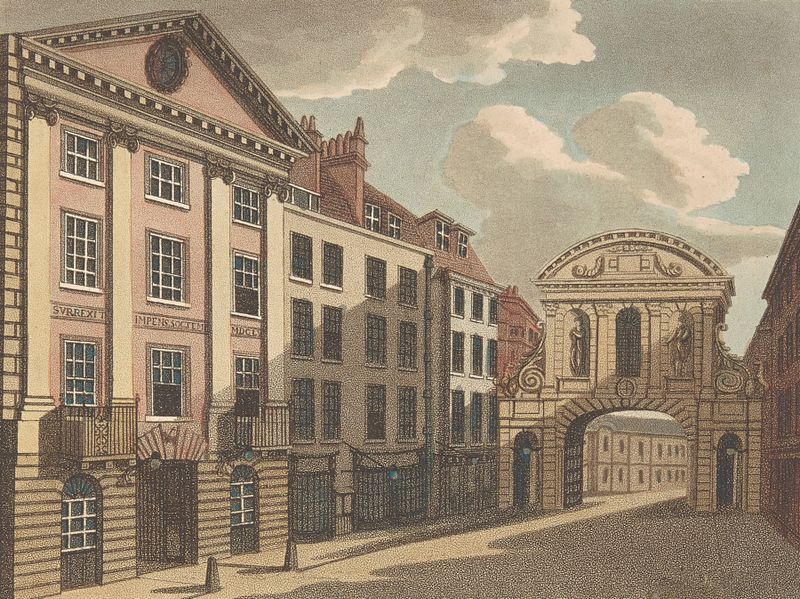
Middle Temple Gate
Samuel Ireland
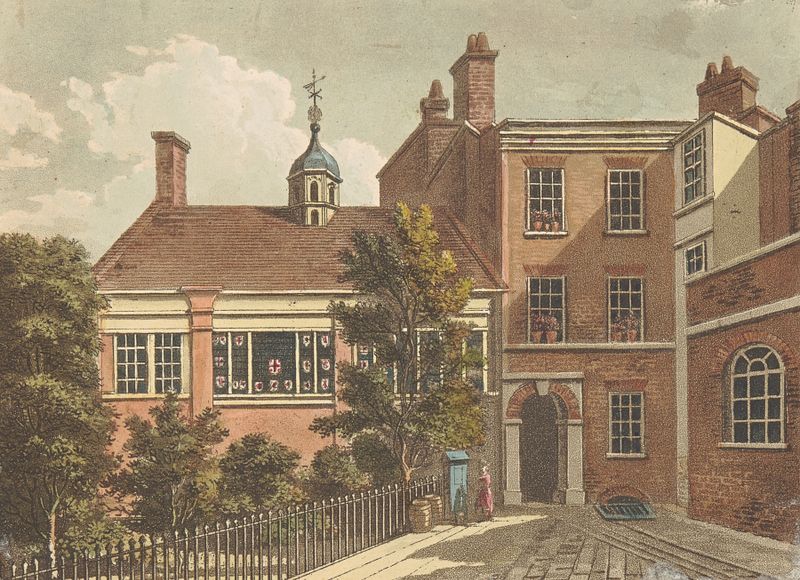
Barnard’s Inn
Samuel Ireland

Westminster Hall
Samuel Ireland
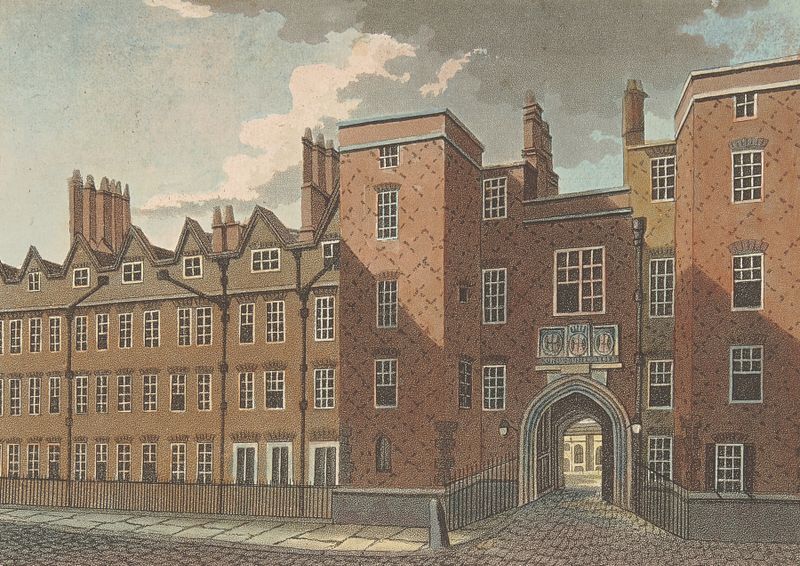
Lincoln’s Inn Gate
Samuel Ireland