
Little foot of Queen Jadwiga — History & Facts
A single, almost theatrical gesture draws the eye: a queen, robed in gold and crimson, extends her foot toward a kneeling craftsman, as if the fate of the scene depends on this quiet moment of contact. The crowd that gathers around her—nobles, clergy, and commoners alike—seems suspended between reverence and curiosity. The painter, Aleksander Kotsis, uses a haze of earthy browns and muted reds to envelop the figures, letting the queen’s luminous attire and delicate movement command the story.
Every detail is in service of this central act: the craftsman’s concentration, the priest’s raised hand, the onlookers’ intent faces. Even the light, filtering through the background, seems to pause on the queen’s foot, hinting at the symbolic weight of humility and grace. Painted in 1859 and now held by the National Museum in Warsaw, this work belongs to a moment in Polish art when history painting was a vehicle for national memory and identity. In the mid-nineteenth century, artists like Kotsis turned to the legendary figures of Poland’s past, not only to instruct but to inspire a sense of continuity and pride in turbulent times.
Such paintings were often commissioned for public or private spaces where their stories could become part of everyday life. While little is recorded about the specific journey of Little foot of Queen Jadwiga, its presence in a national collection today is a testament to the enduring power of these historical visions. Look again at the queen’s poised foot and the craftsman’s careful hands: here, history is not only remembered but made tangible.
More Artworks by Aleksander Kotsis

Trip in the Tatra Mountains
Aleksander Kotsis

Fair in Nowy Targ
Aleksander Kotsis
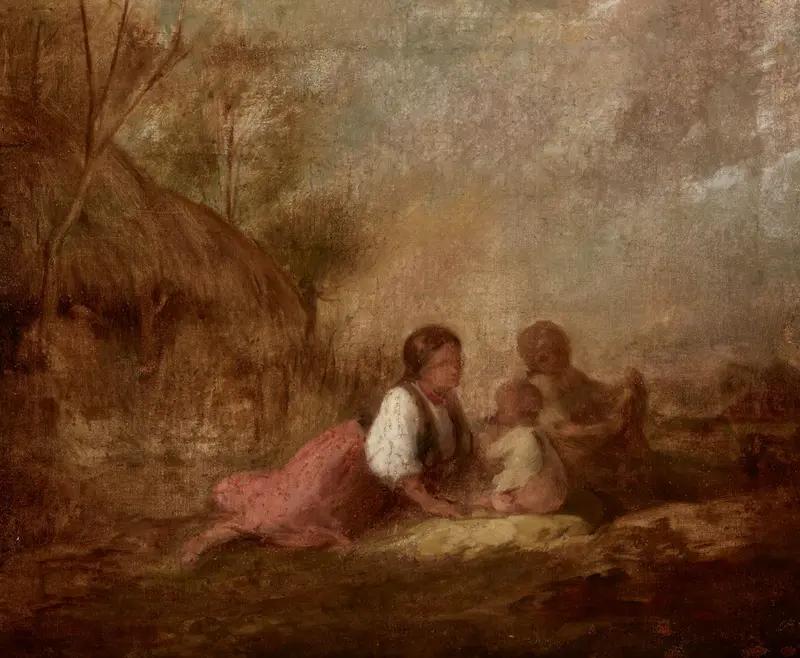
Pastoral Scene
Aleksander Kotsis
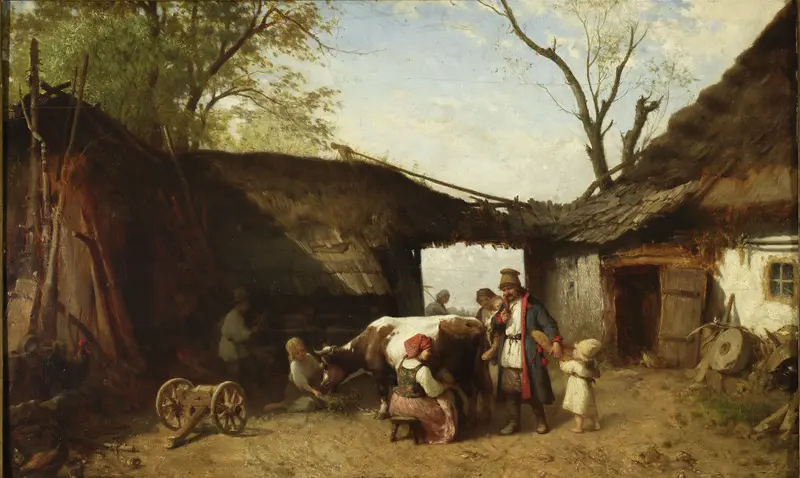
In the farmyard
Aleksander Kotsis
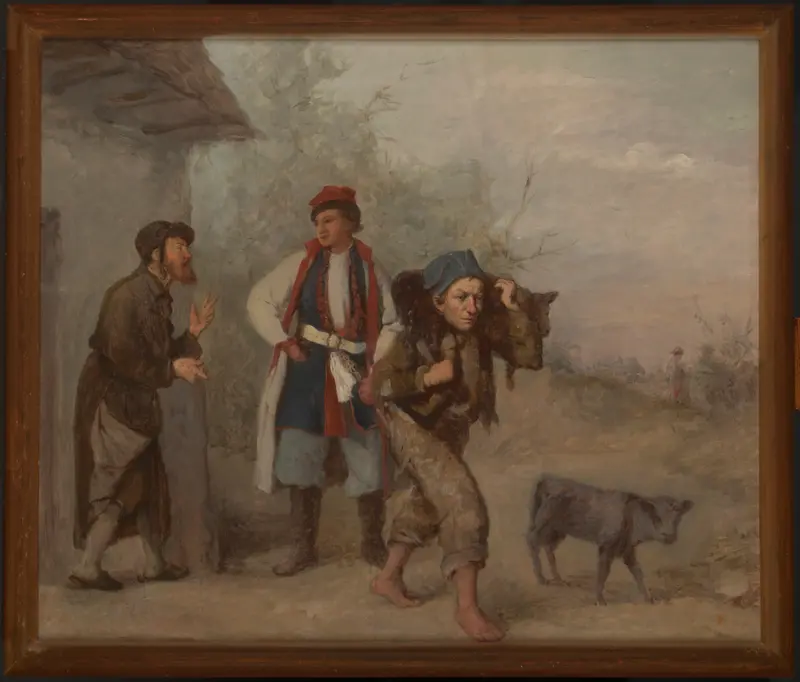
Haggling over a Calf
Aleksander Kotsis
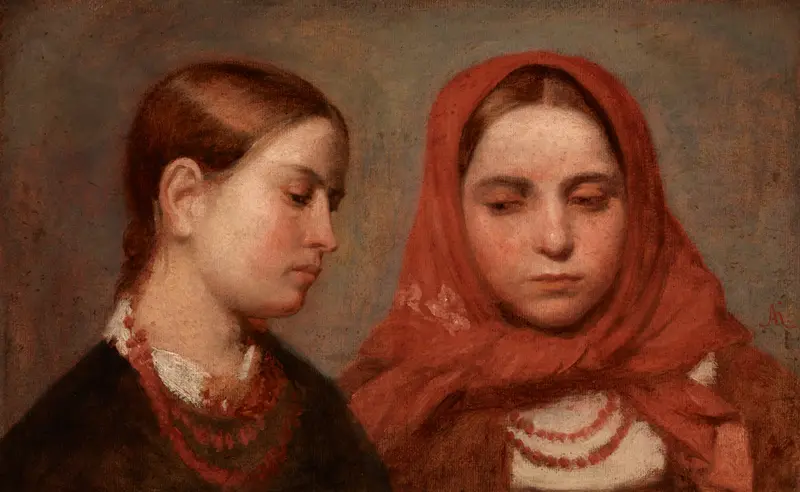
Heads of Two Young Girls
Aleksander Kotsis
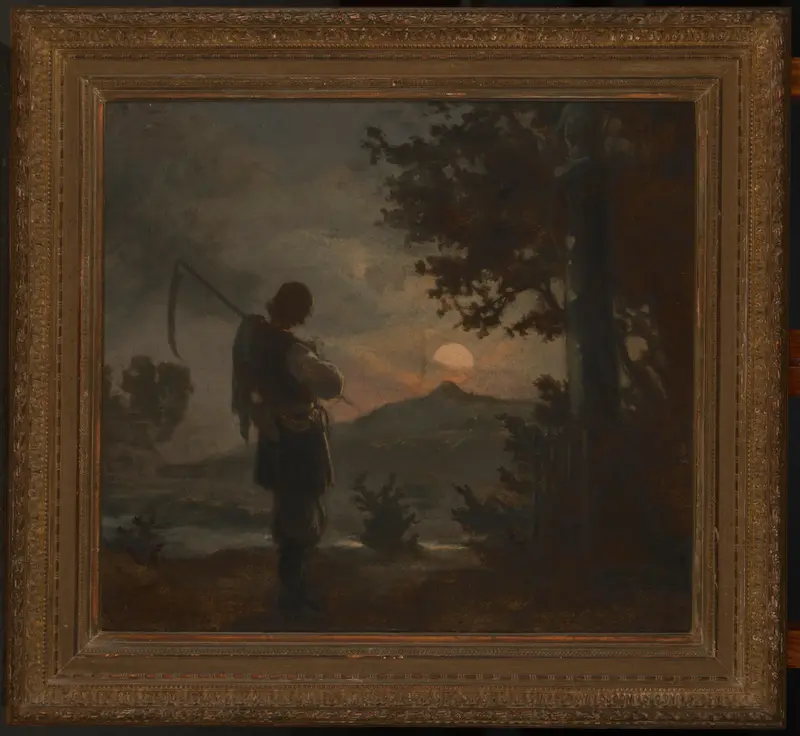
Haymaker
Aleksander Kotsis
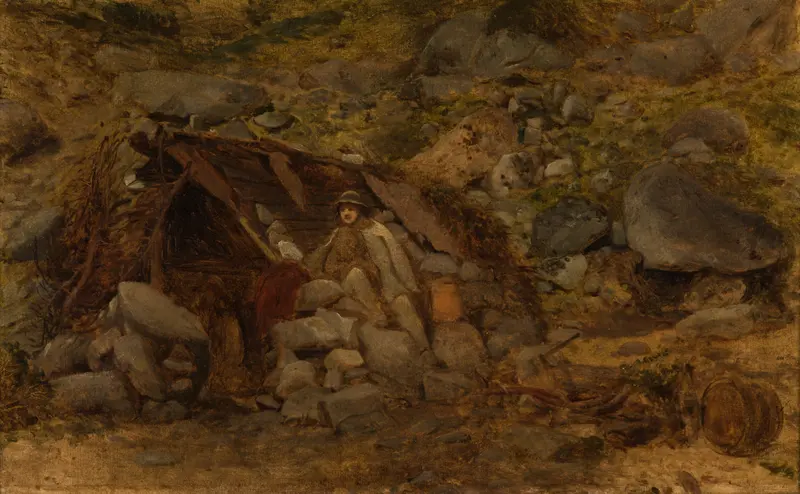
Highlander in Front of a Hut
Aleksander Kotsis
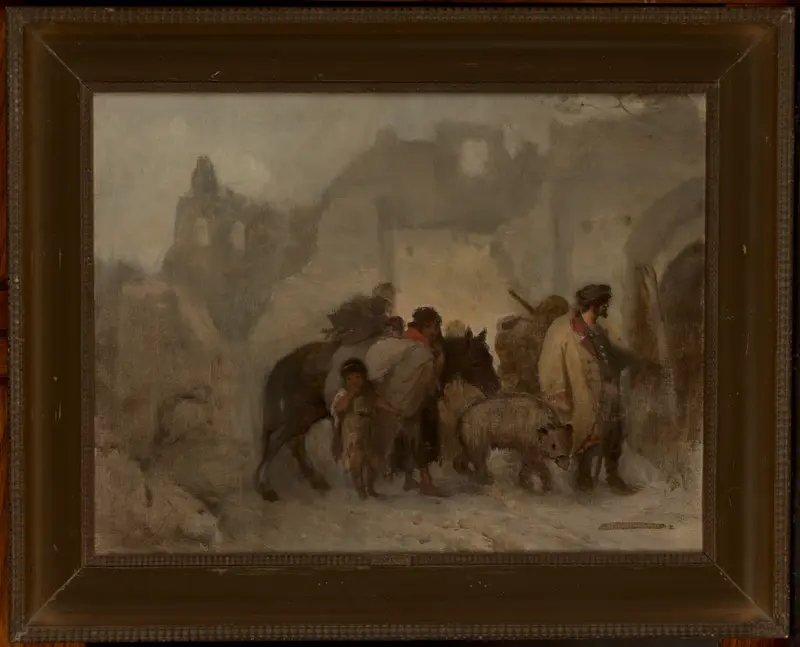
Gypsies
Aleksander Kotsis
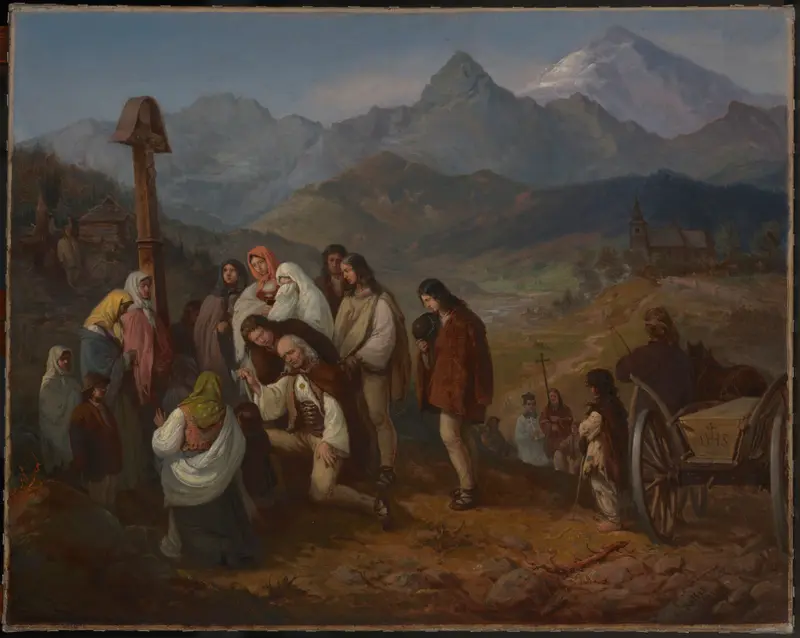
A Highlander's Funeral
Aleksander Kotsis





