
Gypsies — History & Facts
A hush of winter and wandering hangs over Gypsies by Aleksander Kotsis, where the eye is drawn first to the huddled figures pressing forward through a pale, uncertain landscape. The group—children, adults, animals—moves as a single, bundled mass, their forms nearly merging with their beasts of burden. The palette is muted, dominated by greys and ochres, which gives the entire scene a sense of hardship and resilience.
Light filters through the mist, catching on the wool of a sheep and the faces of the youngest, while the ruins in the background dissolve into fog, suggesting a world both ancient and impermanent. Nothing here is static: the brushwork itself seems restless, echoing the journey of its subjects. Works like this, painted in the nineteenth century, often emerged from a fascination with the lives of itinerant peoples—outsiders whose presence unsettled and intrigued settled society. Painters such as Kotsis captured these moments not as grand historical narratives but as glimpses into daily survival, shaped by the realities of rural Eastern Europe.
The National Museum in Kraków, where this painting now resides (digital ID 483192), preserves such images as rare witnesses to the shifting social landscape of their time. History has kept few traces of these travelers’ names or stories, but the painting’s quiet persistence invites us to look closer, searching for the humanity that endures in the haze.
More Artworks by Aleksander Kotsis

Trip in the Tatra Mountains
Aleksander Kotsis

Fair in Nowy Targ
Aleksander Kotsis
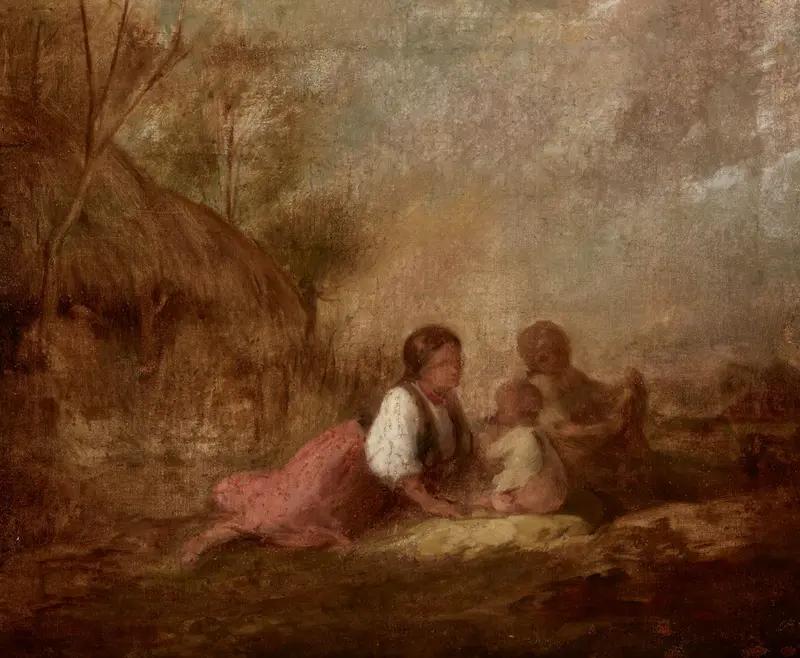
Pastoral Scene
Aleksander Kotsis
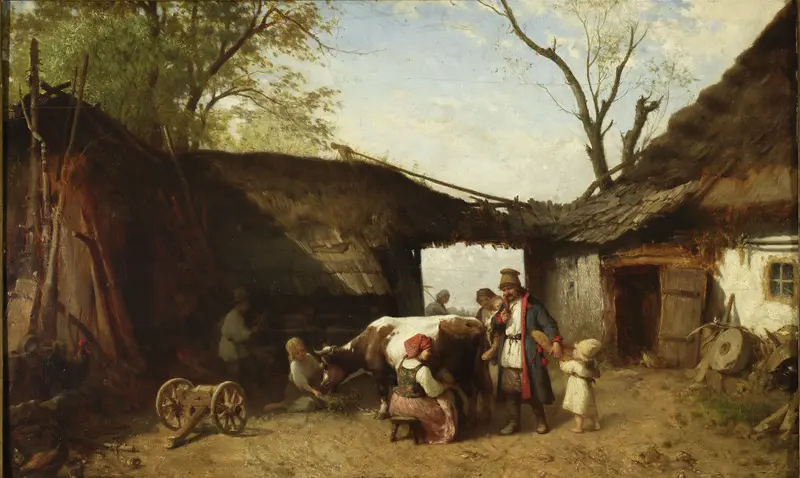
In the farmyard
Aleksander Kotsis
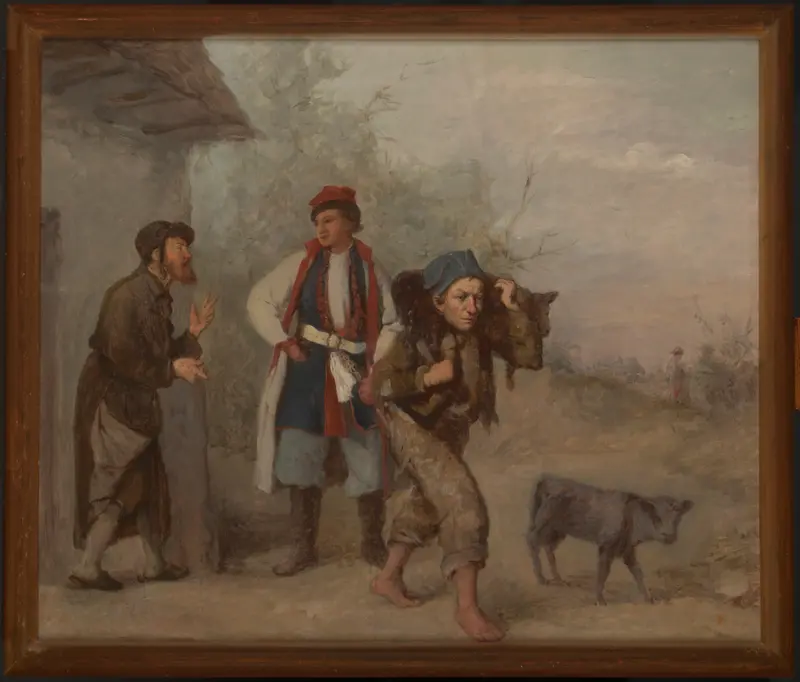
Haggling over a Calf
Aleksander Kotsis
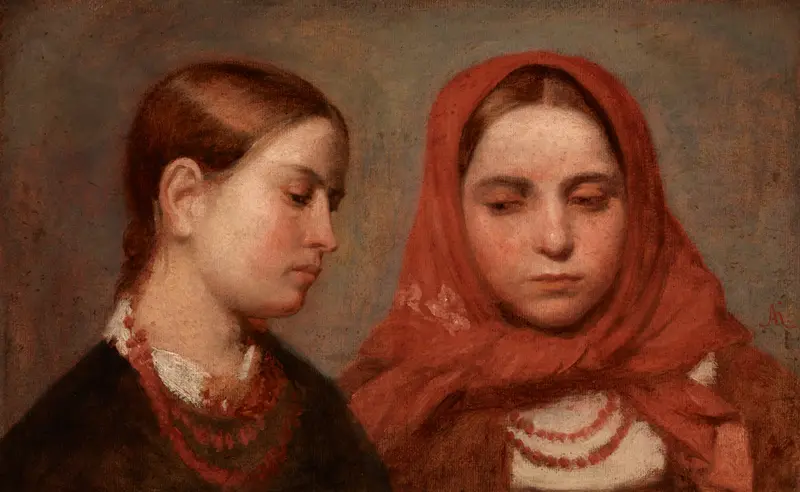
Heads of Two Young Girls
Aleksander Kotsis
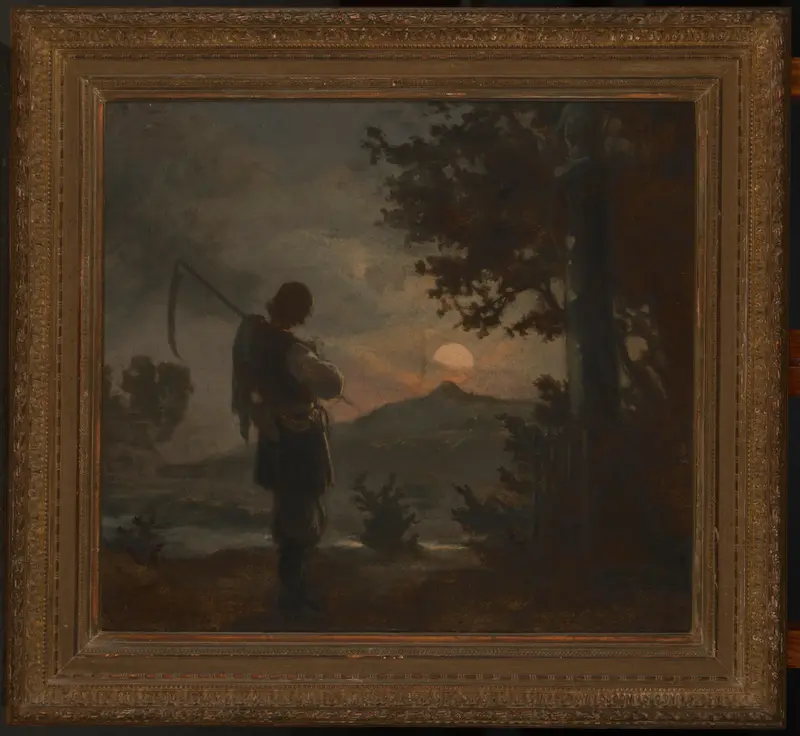
Haymaker
Aleksander Kotsis
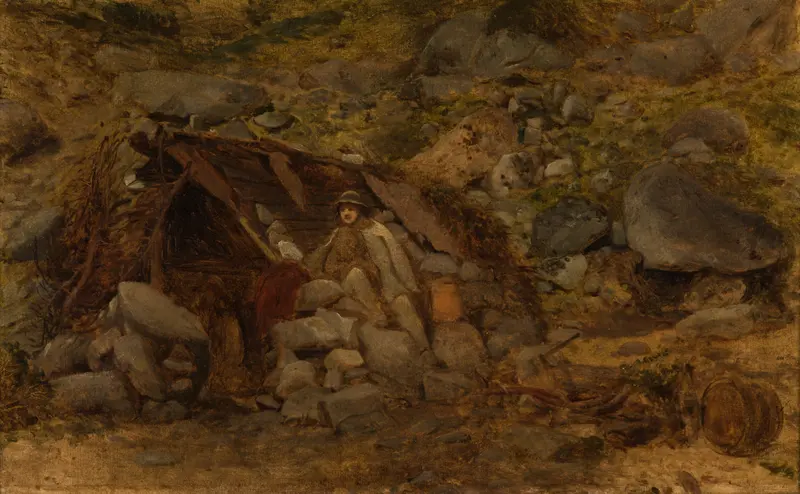
Highlander in Front of a Hut
Aleksander Kotsis
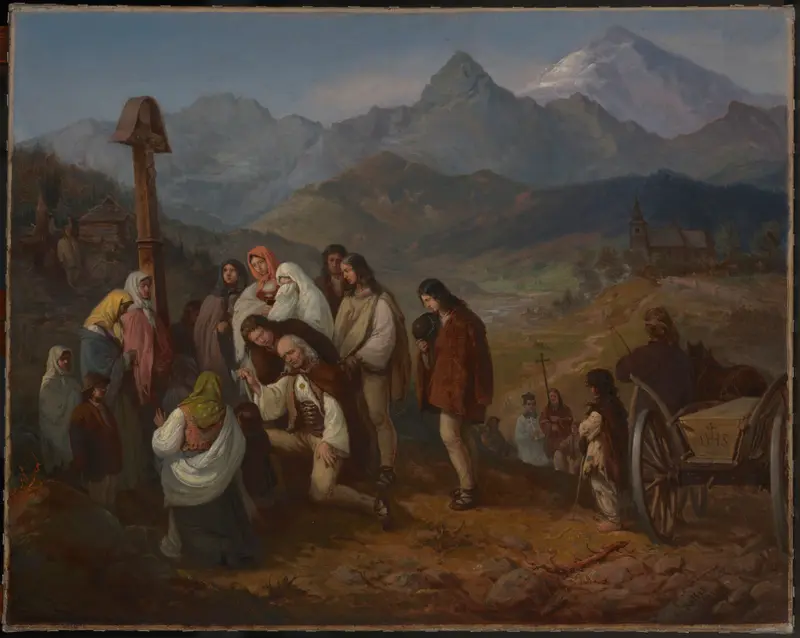
A Highlander's Funeral
Aleksander Kotsis
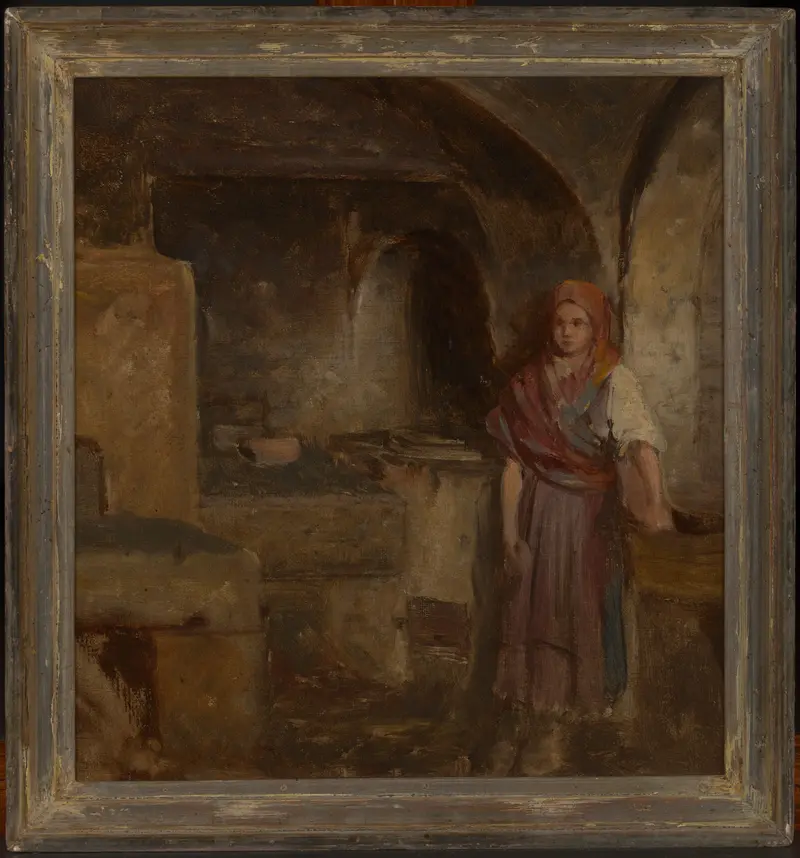
Girl in the Kitchen
Aleksander Kotsis
More Genre Scene Art

Banquet of the Officers of the St George Civic Guard
Frans Hals

Rembrandt and Saskia in the Scene of the Prodigal Son
Rembrandt van Rijn

Bal du moulin de la Galette
Pierre-Auguste Renoir

Quadrille at the Moulin Rouge
Henri de Toulouse-Lautrec

A Burial at Ornans
Gustave Courbet

When Will You Marry?
Paul Gauguin