
Fair in Nowy Targ — History & Facts
A restless energy hums beneath the surface of Fair in Nowy Targ by Aleksander Kotsis. The painter chooses a moment thick with negotiation and anticipation: a crowded market square, sheep clustered in the foreground, and every face turned toward the business of the day. The church tower rises pale against a turbulent sky, its spire anchoring the swirl of human activity below.
A man in dark clothes leans forward, gesturing urgently to two young men in traditional dress, while another figure, arms crossed, watches with wary interest. The sheep, oblivious, form a living border between the viewer and the drama of barter and exchange. The palette is earthy, the brushwork loose and atmospheric, lending the scene a sense of immediacy and lived experience. Light breaks through the clouds to strike the whitewashed walls of the church and the faces of the central figures, drawing the eye to the heart of the transaction.
Around them, the crowd dissolves into a blur of hats, shawls, and indistinct gestures, suggesting the fair’s noisy, shifting chaos. The artist’s attention to costume and posture signals not only regional identity but also the subtle hierarchies and negotiations of rural life. Unlike the grand, idealized market scenes of Jean-Baptiste-Siméon Chardin, Kotsis’s focus remains intimate and grounded, rooted in the muddy ground and everyday urgency. Little is recorded about the journey of this particular painting, now held in The National Museum in Kraków’s digital collection under the digital ID 509247.
Works like this, painted in the nineteenth century, often served to document and dignify the rhythms of rural existence at a time when Polish national identity was under strain and the countryside was rapidly changing. Artists such as Kotsis found subjects in the ordinary, elevating fairs, markets, and village life to worthy themes for art. Though the precise circumstances of its creation remain obscure, the painting’s vitality invites us to linger, searching the crowd for stories that echo far beyond the square in Nowy Targ.
Sources: Wikidata Q104758925 · Image source (Wikimedia Commons)
More Artworks by Aleksander Kotsis

Trip in the Tatra Mountains
Aleksander Kotsis
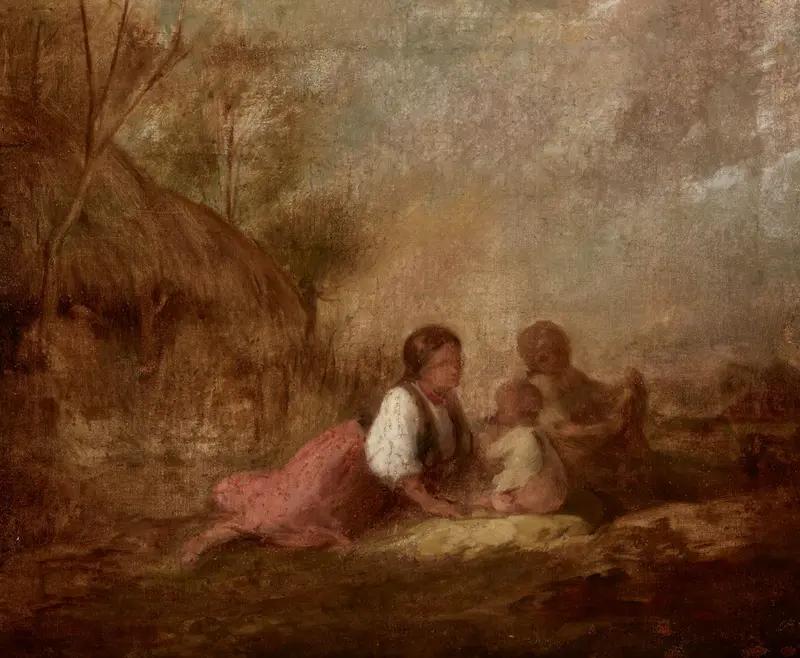
Pastoral Scene
Aleksander Kotsis
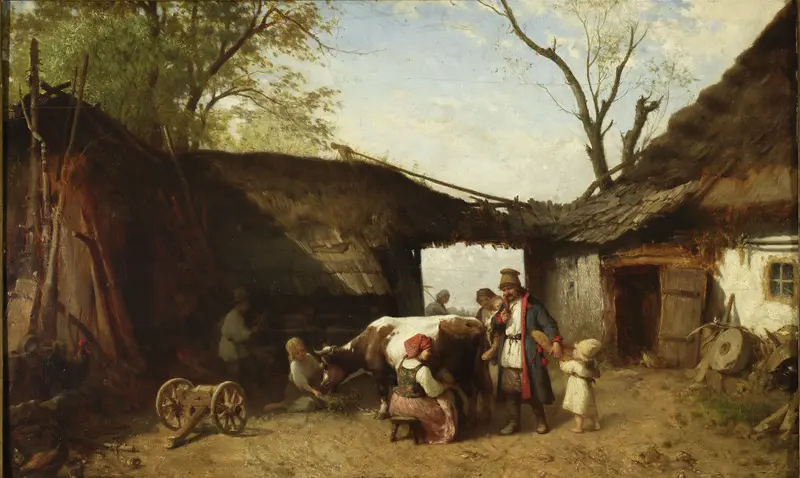
In the farmyard
Aleksander Kotsis
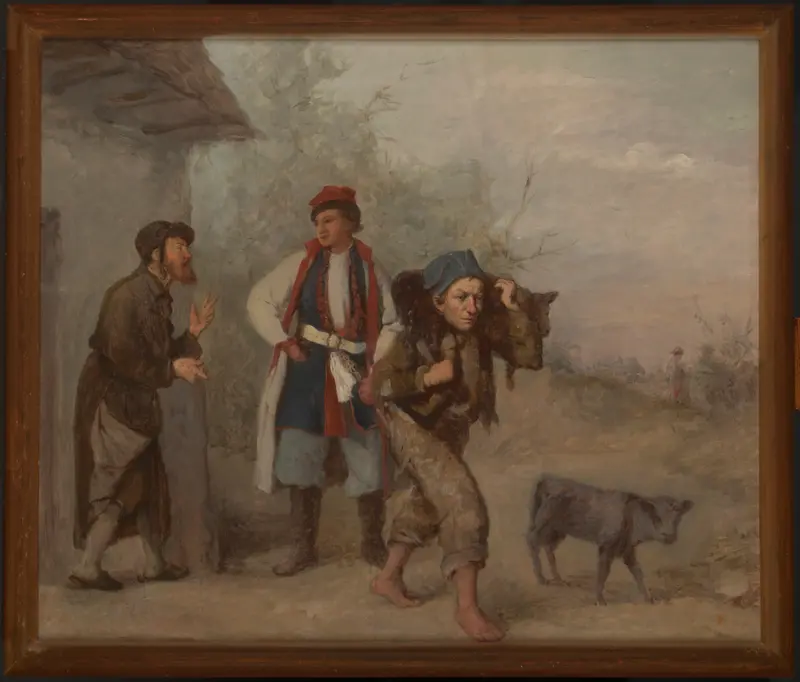
Haggling over a Calf
Aleksander Kotsis
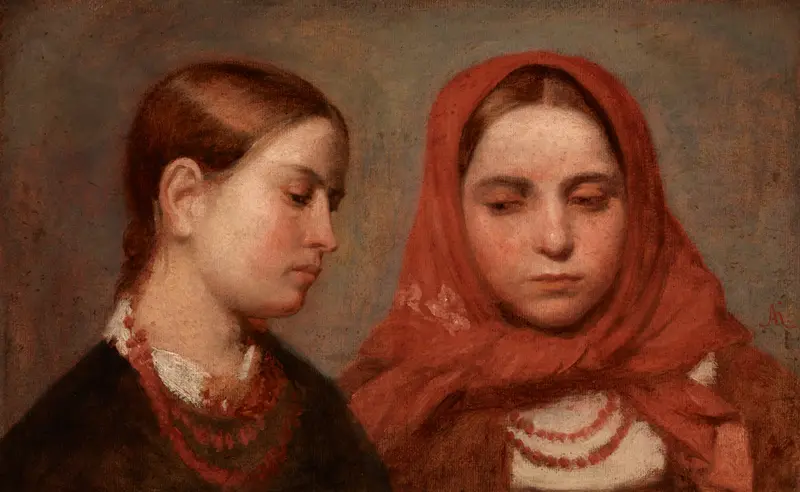
Heads of Two Young Girls
Aleksander Kotsis
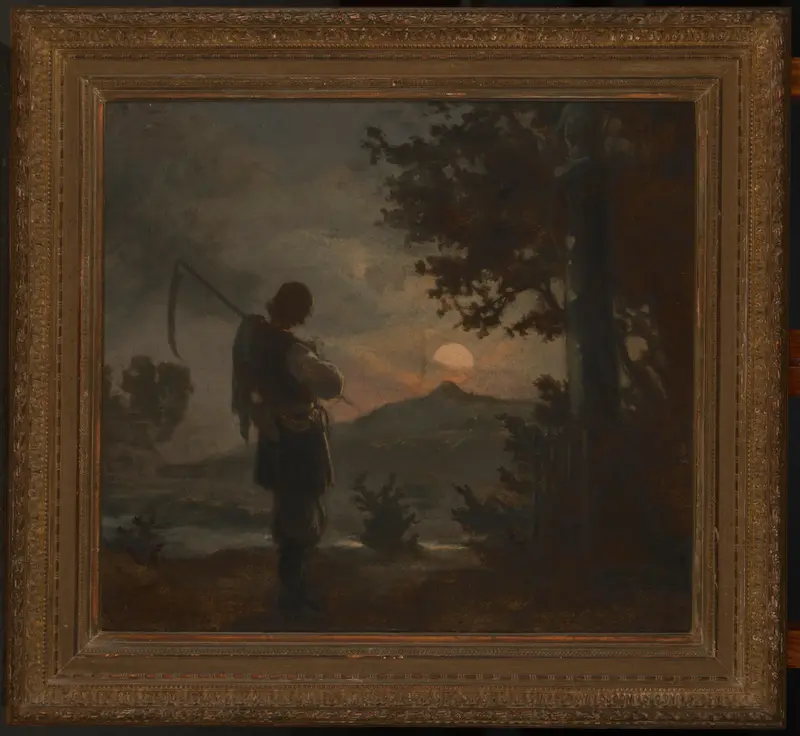
Haymaker
Aleksander Kotsis
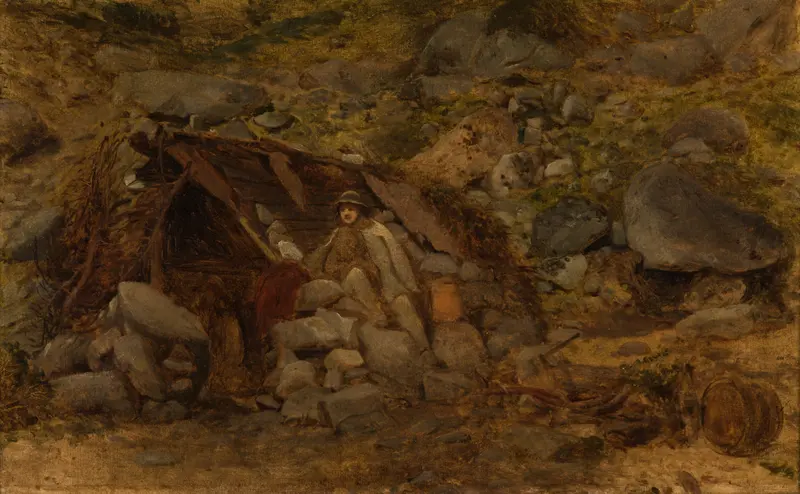
Highlander in Front of a Hut
Aleksander Kotsis
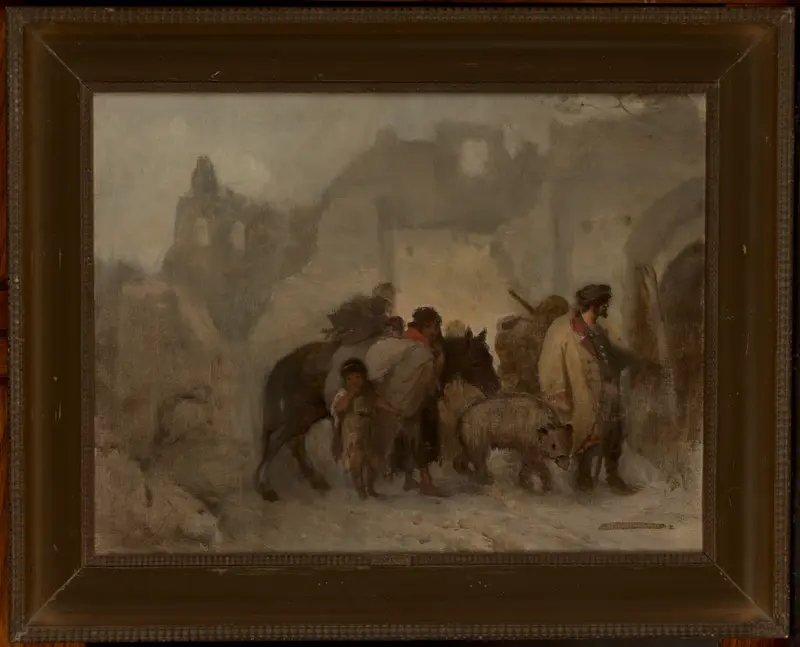
Gypsies
Aleksander Kotsis
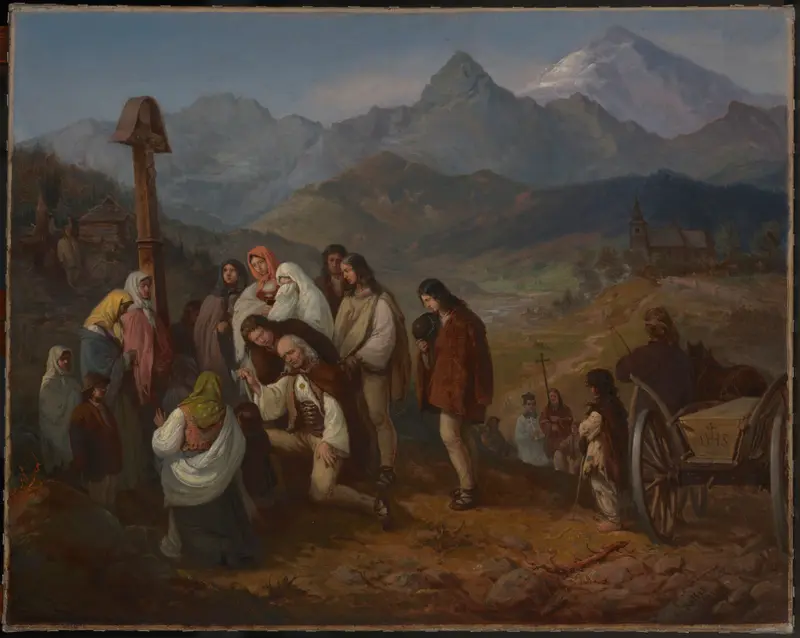
A Highlander's Funeral
Aleksander Kotsis
Girl in the Kitchen
Aleksander Kotsis
More Genre Scene Art

Banquet of the Officers of the St George Civic Guard
Frans Hals

Rembrandt and Saskia in the Scene of the Prodigal Son
Rembrandt van Rijn

Bal du moulin de la Galette
Pierre-Auguste Renoir

Quadrille at the Moulin Rouge
Henri de Toulouse-Lautrec

A Burial at Ornans
Gustave Courbet

When Will You Marry?
Paul Gauguin