
Haggling over a Calf — History & Facts
A moment of rural negotiation unfolds with theatrical intensity: a barefoot figure, calf slung over his shoulders, turns away from an animated exchange, his face set in wary determination. The man at the threshold gestures urgently, hands raised in a plea or perhaps a final bid, while a third, dressed in bright folk costume, stands between them—half mediator, half bystander, his posture relaxed but his gaze alert. The calf, the silent center of this drama, pads forward on spindly legs, oblivious to the human calculations that swirl around it.
The earth-toned palette, streaked with the pale light of a cloudy sky, draws the eye from the huddled figures to the open fields beyond, suggesting a world where every transaction is both survival and spectacle. Painted in 1870, Haggling over a Calf by Aleksander Kotsis immerses us in the rhythms of 19th-century Eastern European village life, where bargaining was as much a social ritual as an economic necessity. Genre scenes like this, popular among Polish and Central European artists of the time, were often commissioned by urban collectors eager for glimpses of rural authenticity—images that balanced humor, hardship, and the sharp wit of daily dealings. The work now resides in the National Museum in Kraków, a testament to the era’s fascination with the everyday and the enduring power of a well-told story.
One is left to wonder, as the calf ambles forward, who truly emerged victorious from this exchange—the seller, the buyer, or the painter who captured them both.
Sources: Wikidata Q104759623 · Image source (Wikimedia Commons)
More Artworks by Aleksander Kotsis

Trip in the Tatra Mountains
Aleksander Kotsis

Fair in Nowy Targ
Aleksander Kotsis
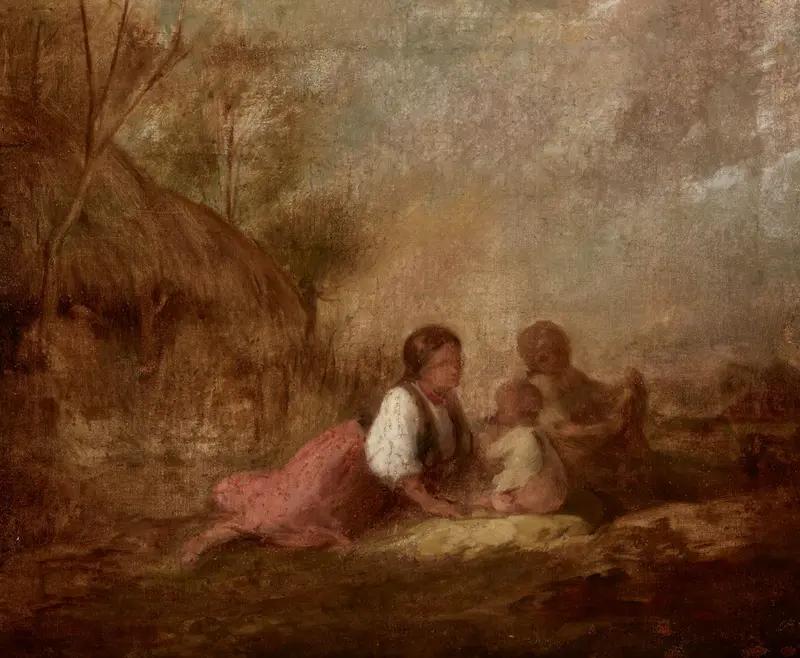
Pastoral Scene
Aleksander Kotsis
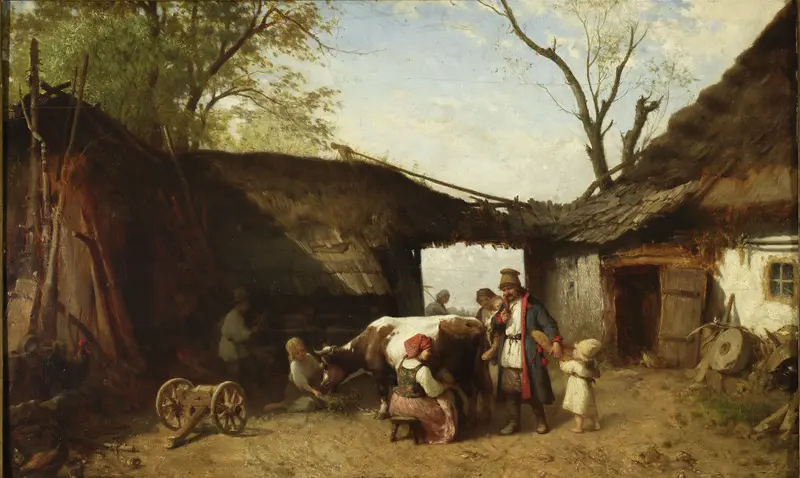
In the farmyard
Aleksander Kotsis
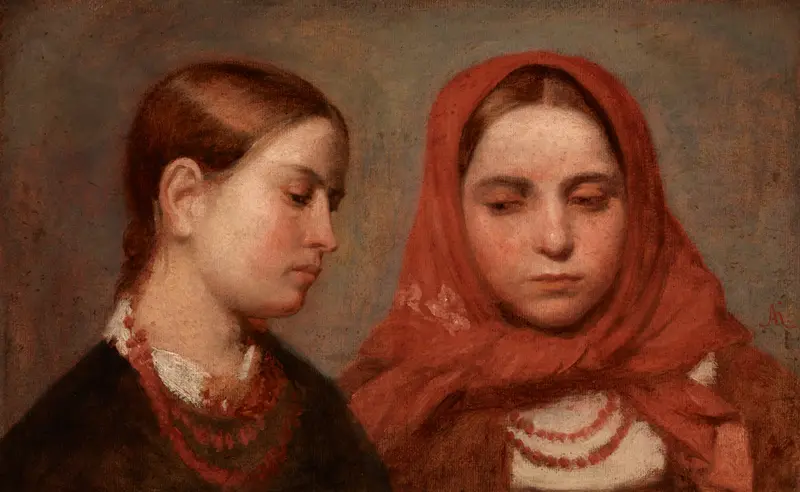
Heads of Two Young Girls
Aleksander Kotsis
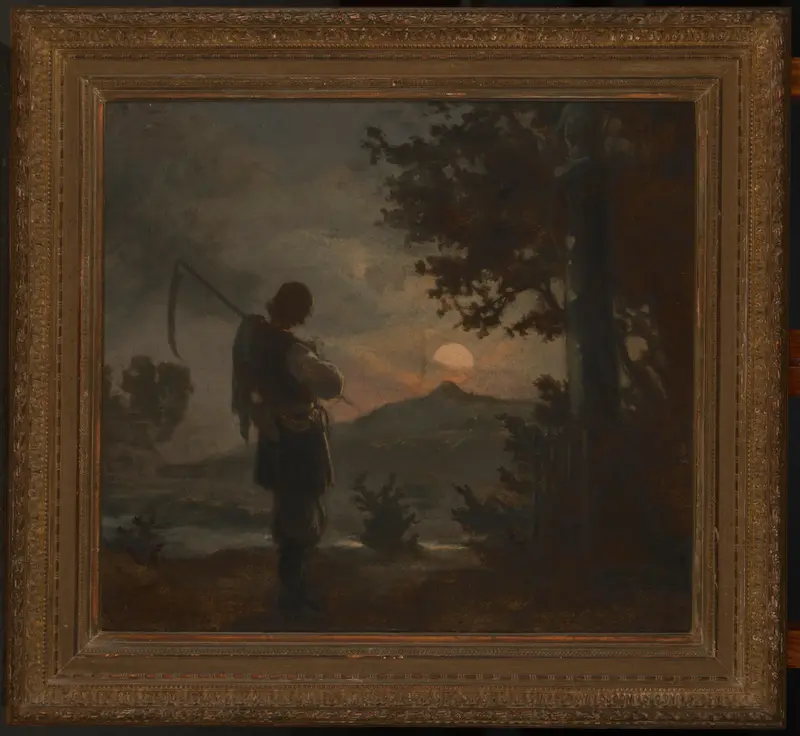
Haymaker
Aleksander Kotsis
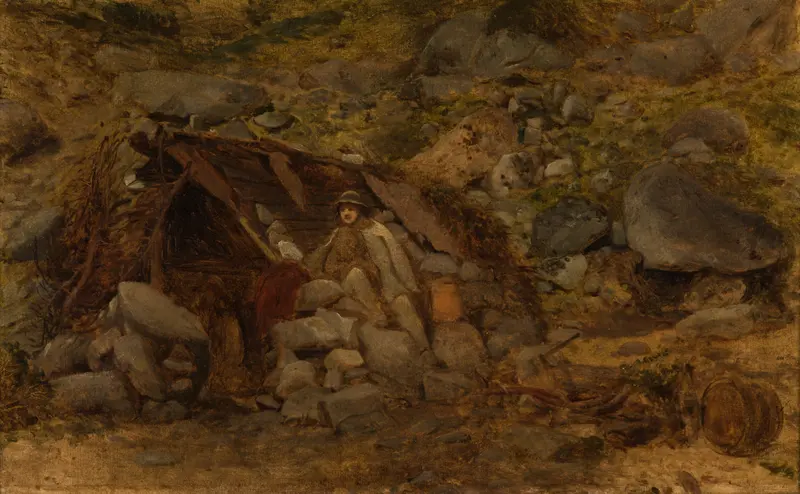
Highlander in Front of a Hut
Aleksander Kotsis
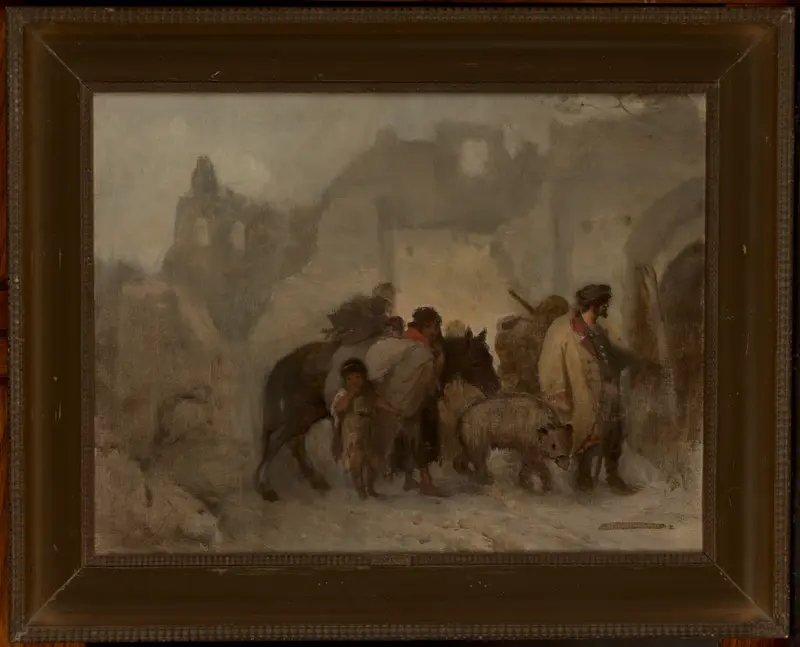
Gypsies
Aleksander Kotsis
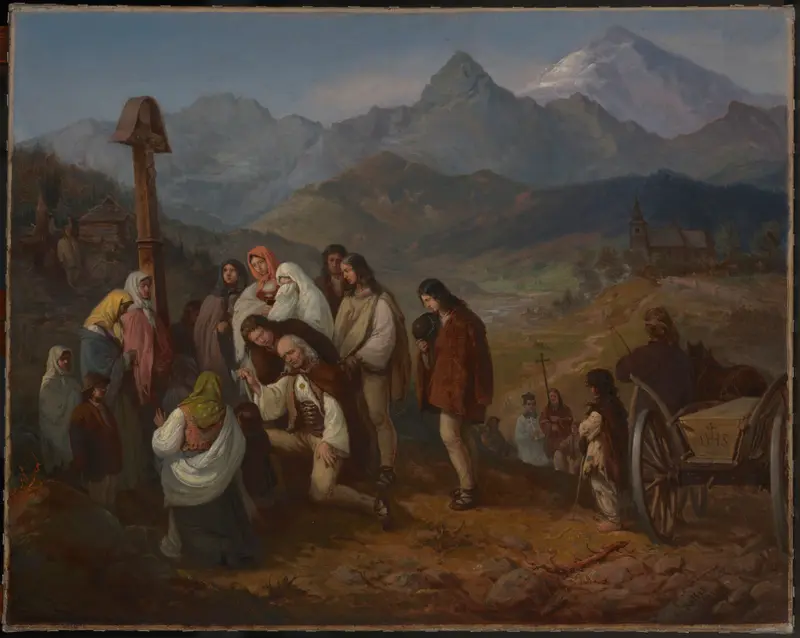
A Highlander's Funeral
Aleksander Kotsis
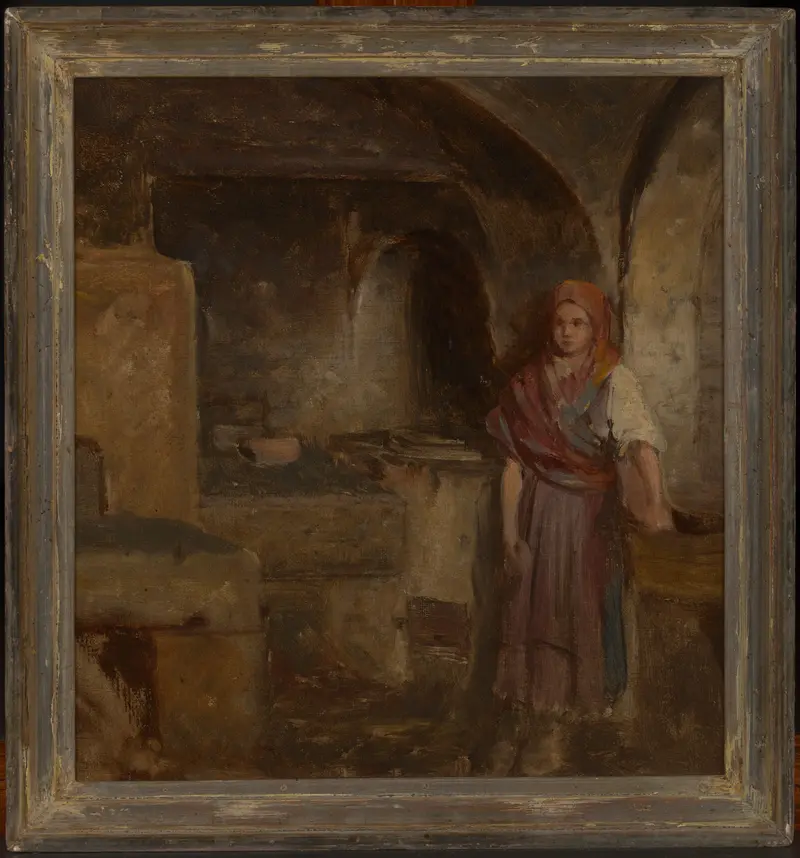
Girl in the Kitchen
Aleksander Kotsis
More Genre Scene Art

Banquet of the Officers of the St George Civic Guard
Frans Hals

Rembrandt and Saskia in the Scene of the Prodigal Son
Rembrandt van Rijn

Bal du moulin de la Galette
Pierre-Auguste Renoir

Quadrille at the Moulin Rouge
Henri de Toulouse-Lautrec

A Burial at Ornans
Gustave Courbet

When Will You Marry?
Paul Gauguin