
Haymaker — History & Facts
A lone figure stands at the threshold of dusk, his scythe slung over one shoulder, pausing in the hush between labor and rest. The setting sun glows low behind the hills, casting the haymaker’s silhouette into sharp relief and flooding the landscape with the last embers of daylight. The painter draws the viewer’s eye through the figure’s steady stance to the distant horizon, where the sun’s disk hovers, caught between day and night.
The palette is hushed and earthy, the brushwork soft, as if the world itself is holding its breath. Every element in the scene is tuned to this moment of stillness, the scythe’s curve echoing the arc of the sun, the trees framing the figure like a stage. Painted between 1860 and 1862, Haymaker by Aleksander Kotsis belongs to a period when artists across Europe turned their gaze to rural life, seeking both poetry and dignity in everyday labor. Such images were often created for a rising middle class eager to see their own landscapes and traditions reflected in art, or for collectors drawn to the authenticity of peasant scenes.
This work now resides in the National Museum in Kraków, a reminder of how quickly the world of the haymaker was vanishing even as it was being recorded. History has kept few traces of this specific canvas, but its quiet drama invites us to linger, imagining the world just beyond the frame.
More Artworks by Aleksander Kotsis

Trip in the Tatra Mountains
Aleksander Kotsis

Fair in Nowy Targ
Aleksander Kotsis
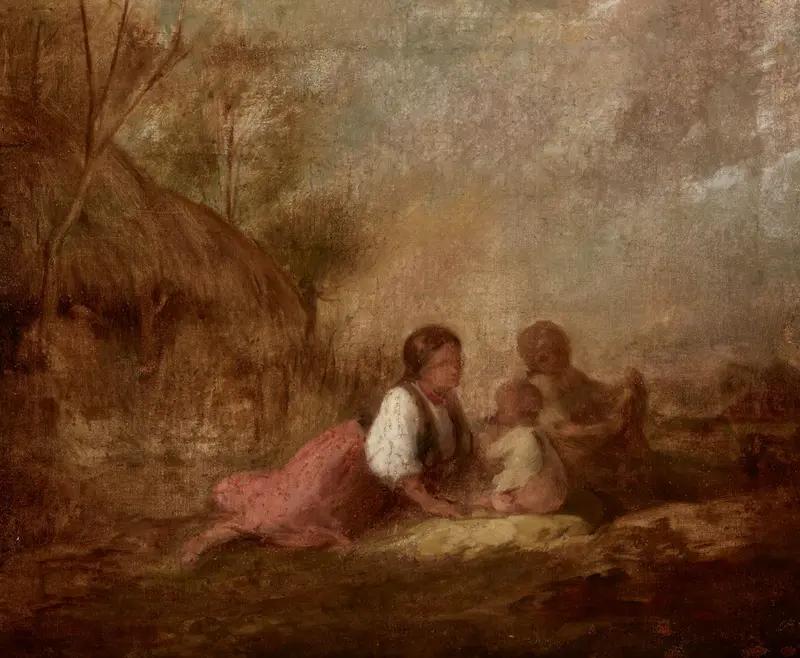
Pastoral Scene
Aleksander Kotsis
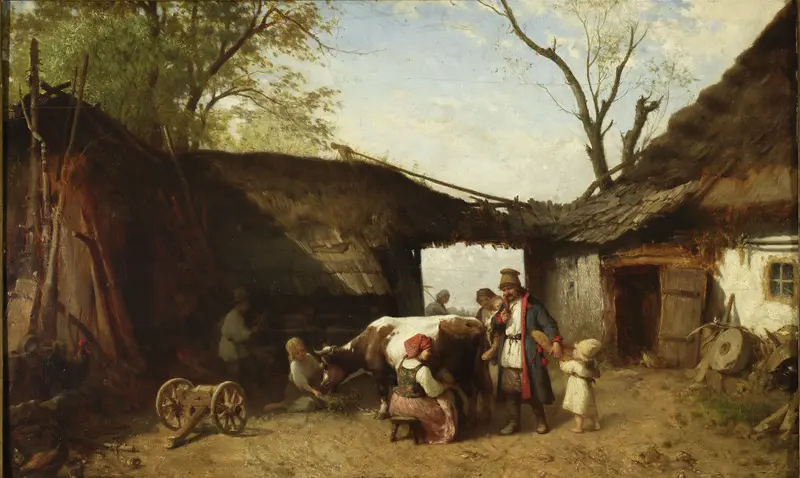
In the farmyard
Aleksander Kotsis
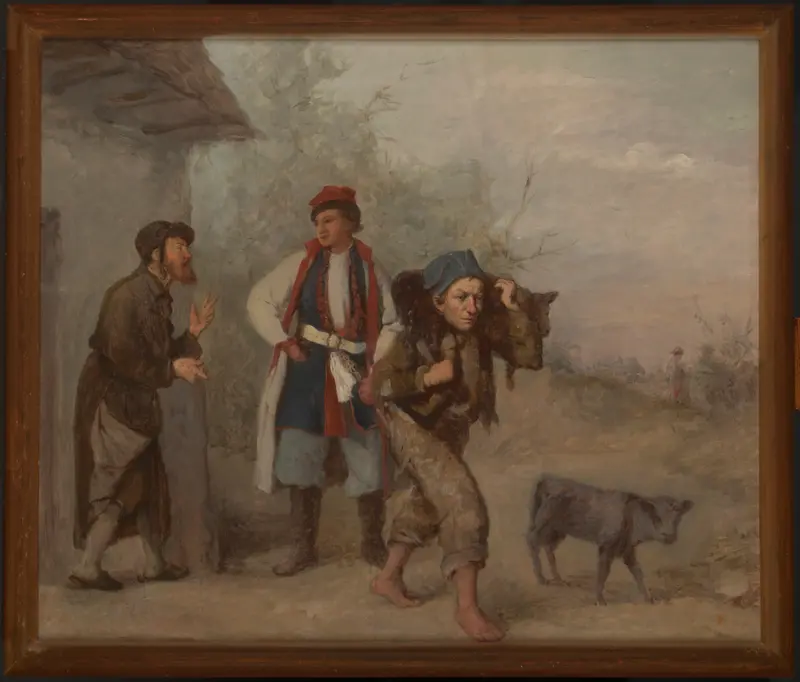
Haggling over a Calf
Aleksander Kotsis
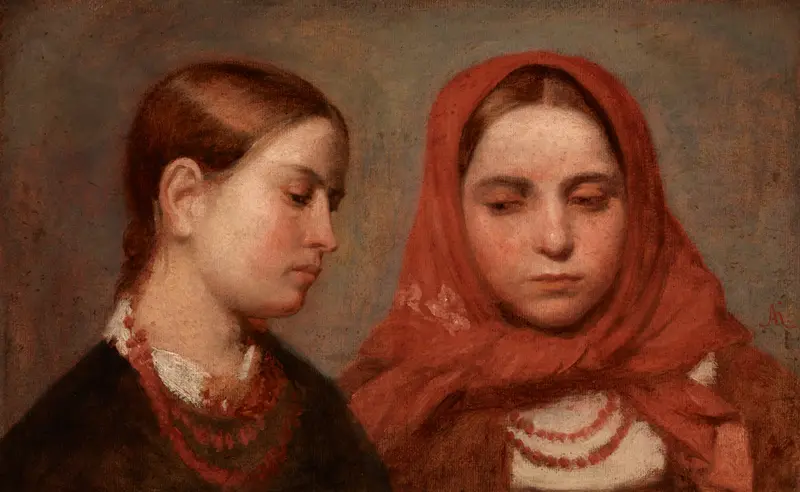
Heads of Two Young Girls
Aleksander Kotsis
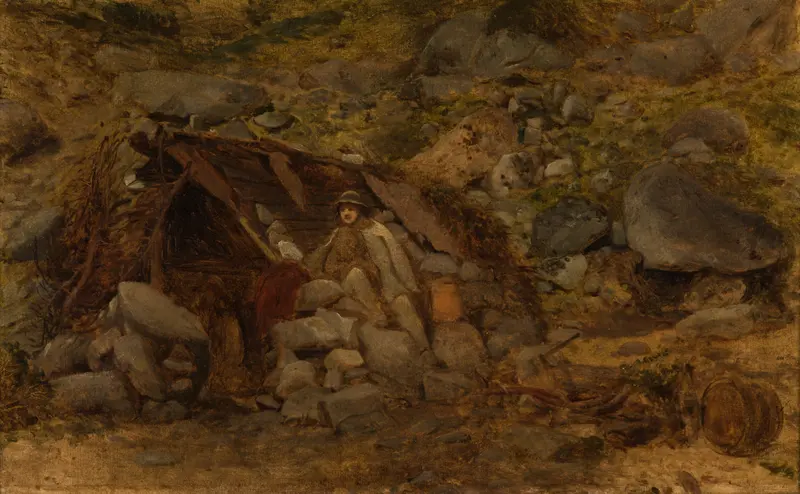
Highlander in Front of a Hut
Aleksander Kotsis
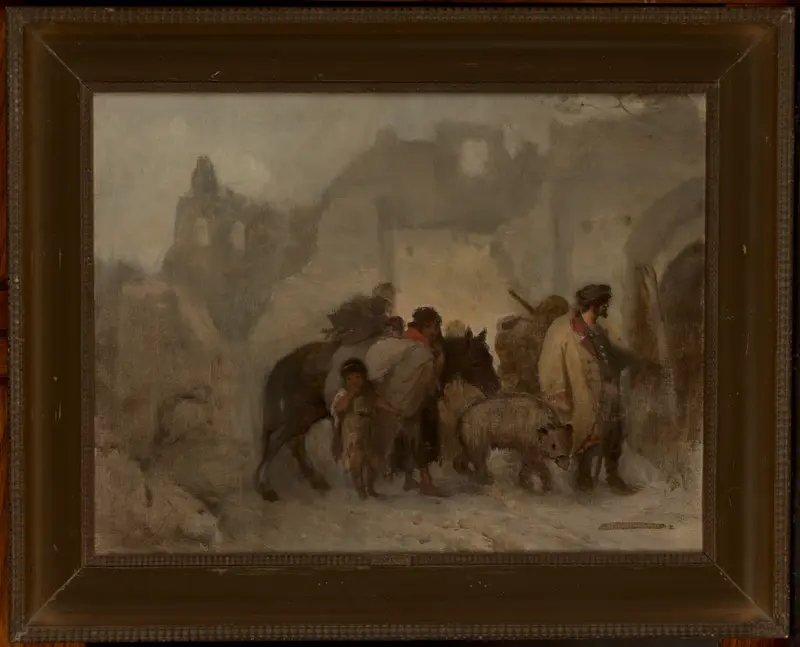
Gypsies
Aleksander Kotsis
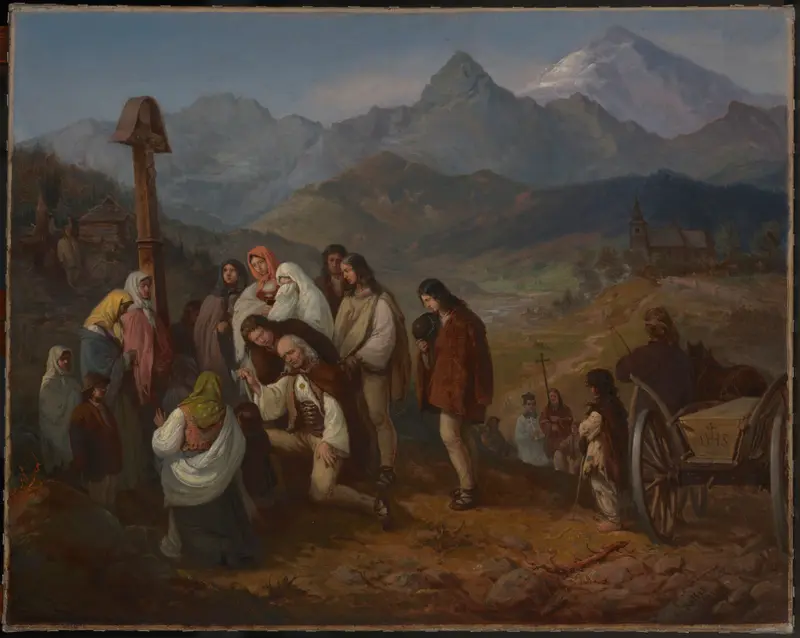
A Highlander's Funeral
Aleksander Kotsis
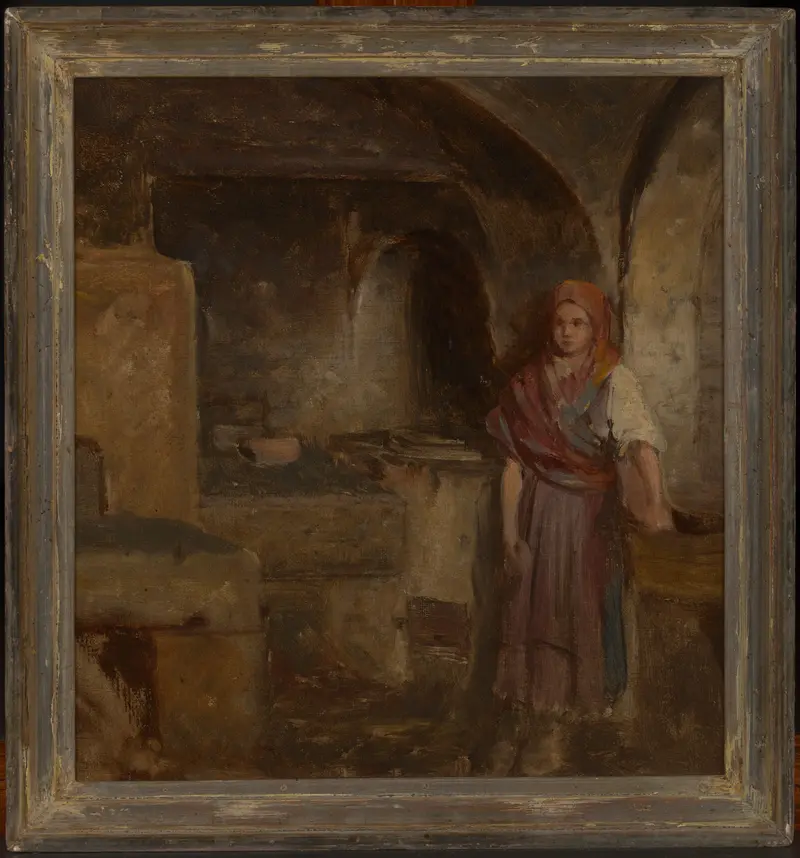
Girl in the Kitchen
Aleksander Kotsis
More Landscape Art

The Starry Night
Vincent van Gogh

View of Delft
Johannes Vermeer

Water Lilies
Claude Monet

The Grand Canal, Venice, looking north-west from the Ca' Corner to the Ca' Contarini degli Scrigni, with the campanile of Santa Maria della Carità
Canaletto

Windsor Castle
Canaletto

The Grand Canal looking North-East from the Palazzo Dolfin-Manin to the Rialto Bridge
Canaletto