
Pastoral Scene — History & Facts
What draws the eye first in Pastoral Scene is not a grand gesture or a dramatic event, but the quiet intimacy of daily life—three figures, gathered close on the earth, their forms softened by the haze of afternoon light. The woman’s skirt, rendered in a warm, earthy red, anchors the composition, while the child at her knee and the companion beside her form a gentle triangle of attention. The haystack looms behind them, its rough texture echoing the tangled branches and the muted, ochre palette that fills the scene with a sense of rural calm.
Every brushstroke seems to slow time, inviting the viewer to linger on the small gestures: a hand resting, a child leaning in, the shared space of work and rest. Painted in 1872, this work by Aleksander Kotsis belongs to a world in which scenes of peasant life were both a record and a quiet celebration of the countryside’s rhythms. In the nineteenth century, artists across Europe turned their gaze from aristocratic salons to the fields and villages, capturing the dignity and routine of rural existence. Such paintings were often collected by urban patrons longing for a vision of simpler times, or by national museums seeking to preserve a sense of place.
Today, Pastoral Scene resides in the National Museum in Kraków, a reminder that history has kept few traces of the individuals pictured here—but the warmth of their presence endures in every brushstroke. Let your eye wander back to the figures, and imagine the stories that might have unfolded in this patch of earth.
Sources: Wikidata Q104759762 · Image source (Wikimedia Commons)
More Artworks by Aleksander Kotsis

Trip in the Tatra Mountains
Aleksander Kotsis

Fair in Nowy Targ
Aleksander Kotsis
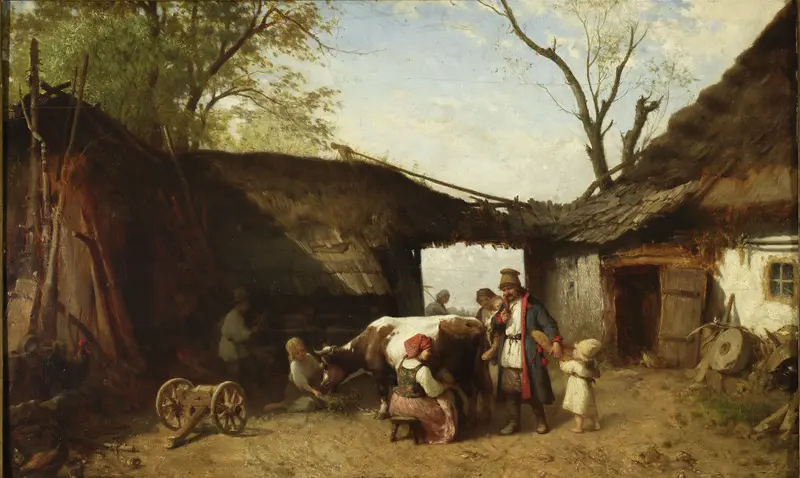
In the farmyard
Aleksander Kotsis
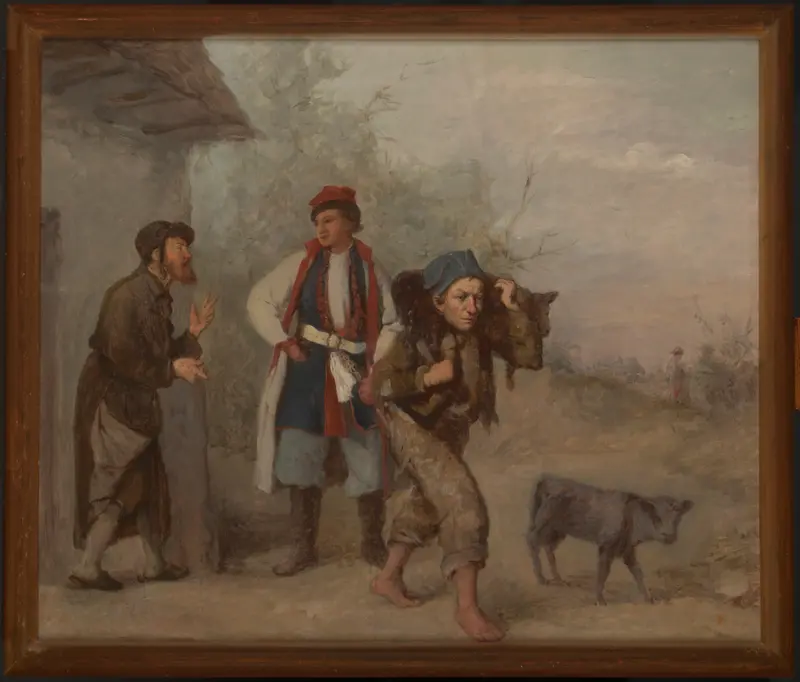
Haggling over a Calf
Aleksander Kotsis
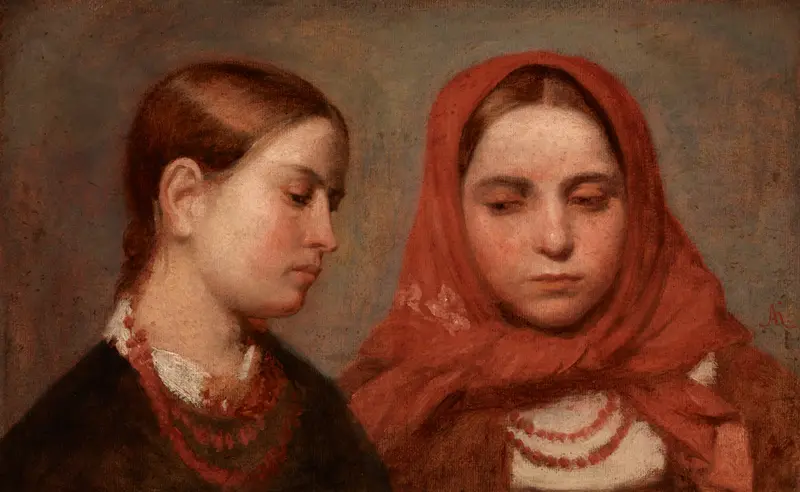
Heads of Two Young Girls
Aleksander Kotsis
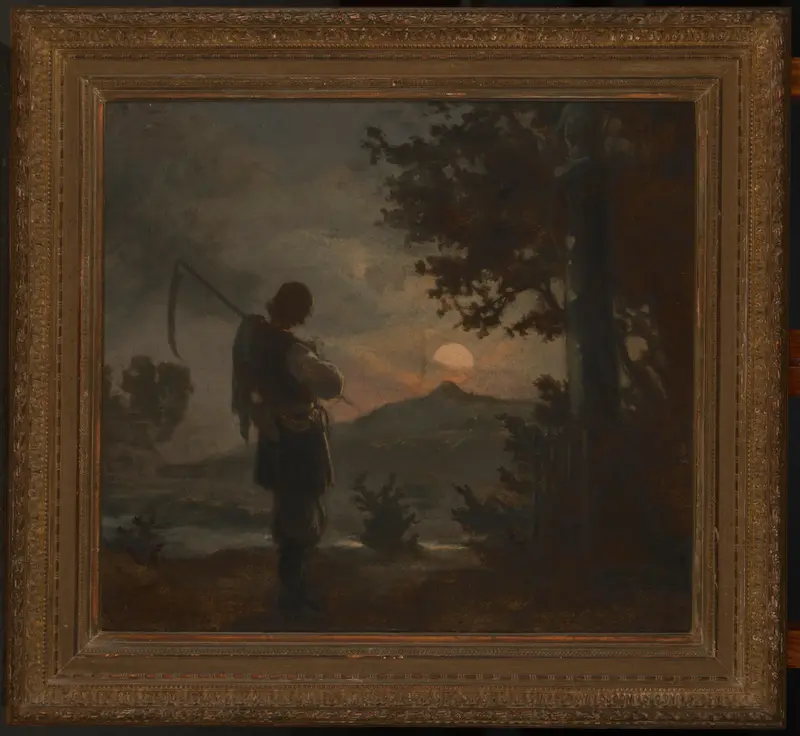
Haymaker
Aleksander Kotsis
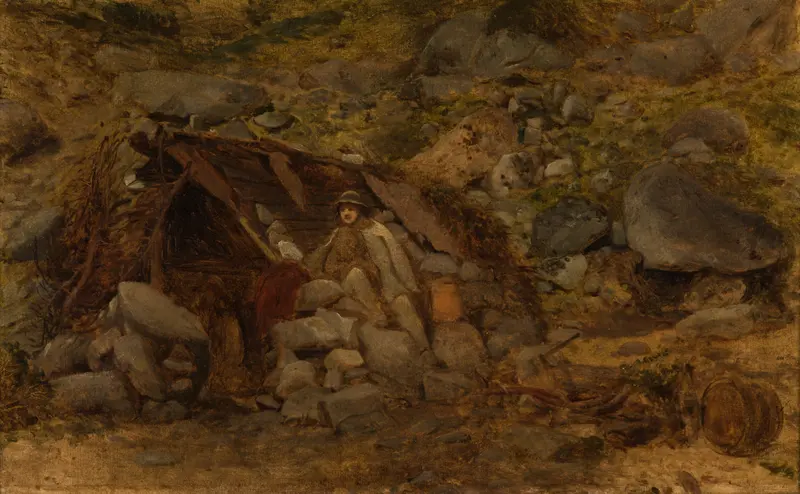
Highlander in Front of a Hut
Aleksander Kotsis
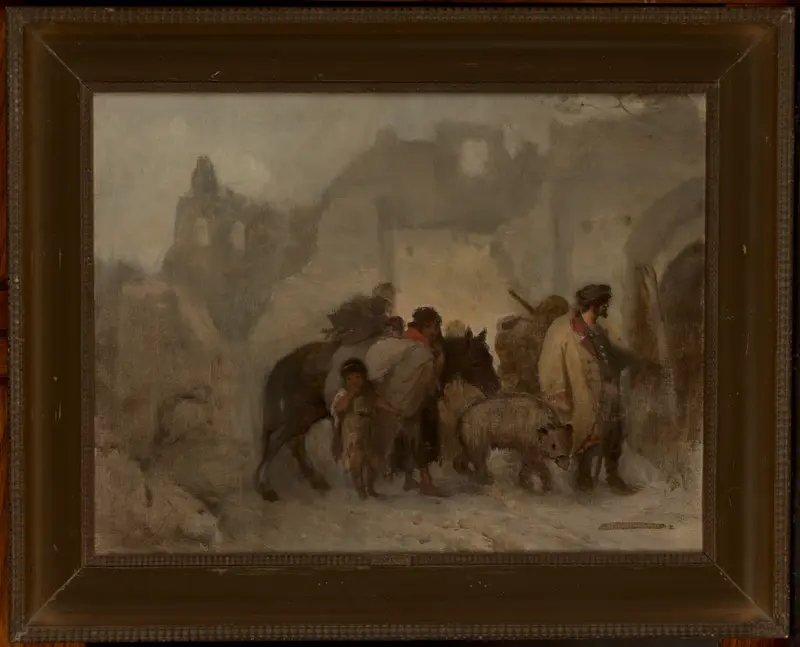
Gypsies
Aleksander Kotsis
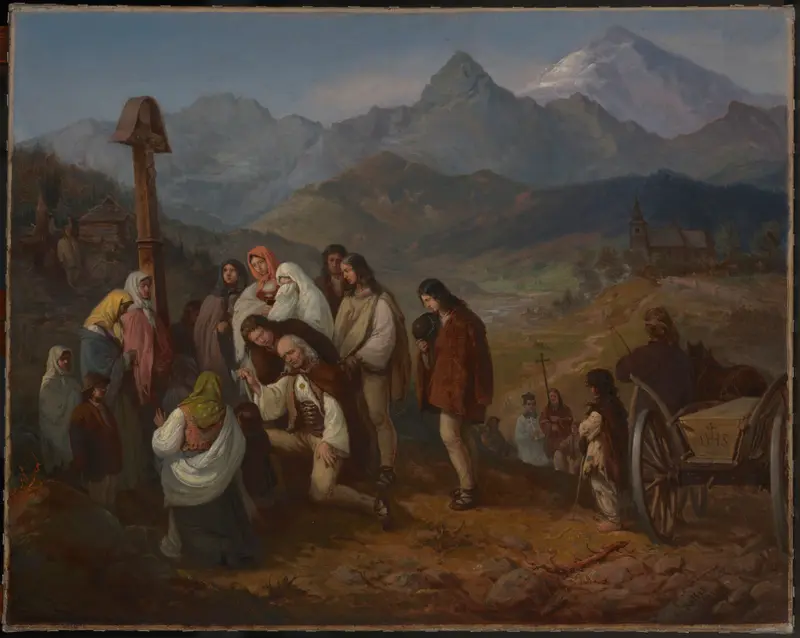
A Highlander's Funeral
Aleksander Kotsis
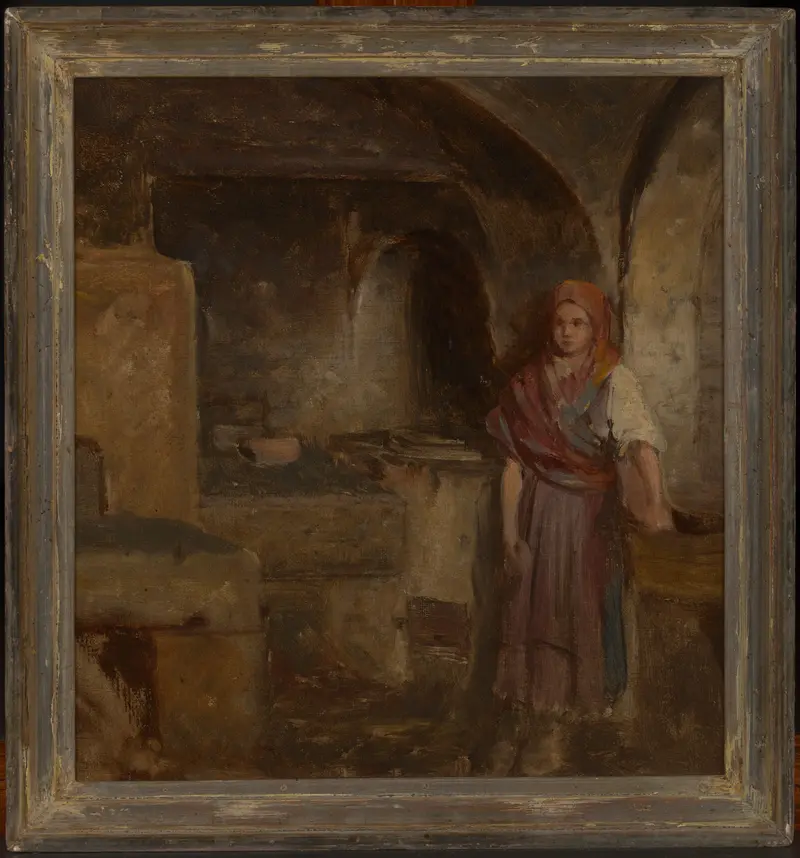
Girl in the Kitchen
Aleksander Kotsis
More Genre Scene Art

Banquet of the Officers of the St George Civic Guard
Frans Hals

Rembrandt and Saskia in the Scene of the Prodigal Son
Rembrandt van Rijn

Bal du moulin de la Galette
Pierre-Auguste Renoir

Quadrille at the Moulin Rouge
Henri de Toulouse-Lautrec

A Burial at Ornans
Gustave Courbet

When Will You Marry?
Paul Gauguin