
Heads of Two Young Girls — History & Facts
What draws the eye first in Heads of Two Young Girls is the quiet, almost conspiratorial intimacy between the two figures. The artist, Aleksander Kotsis, chooses not to show us a moment of laughter or play, but instead captures a hush—one girl’s gaze lowered in thought, the other’s eyes drifting away, lost in her own world. Their faces are close, yet their expressions do not meet; the space between them is charged with unspoken feeling.
The soft, reddish tones of their hair and shawl echo in the strands of coral beads that adorn both necks, linking them visually and perhaps emotionally. Light falls gently across their faces, modeling their features with a tenderness that suggests both youth and gravity, while the muted background keeps all attention on their inward moods. Painted in 1870, this work belongs to a period when artists across Central and Eastern Europe were turning to scenes of everyday life, often elevating humble subjects with a new seriousness and psychological depth. Portraits and studies of rural youth like these were sometimes commissioned by collectors eager to celebrate national identity, or simply to capture the fleeting beauty of childhood.
Aleksander Kotsis was active in a time of political and social change, and his focus on ordinary people reflects a broader movement toward realism and empathy in art. Now held in The National Museum in Kraków, this painting stands as a quiet testament to the era’s fascination with the inner lives of its subjects—inviting us to look again, and wonder what thoughts pass between these two young girls.
More Artworks by Aleksander Kotsis

Trip in the Tatra Mountains
Aleksander Kotsis

Fair in Nowy Targ
Aleksander Kotsis
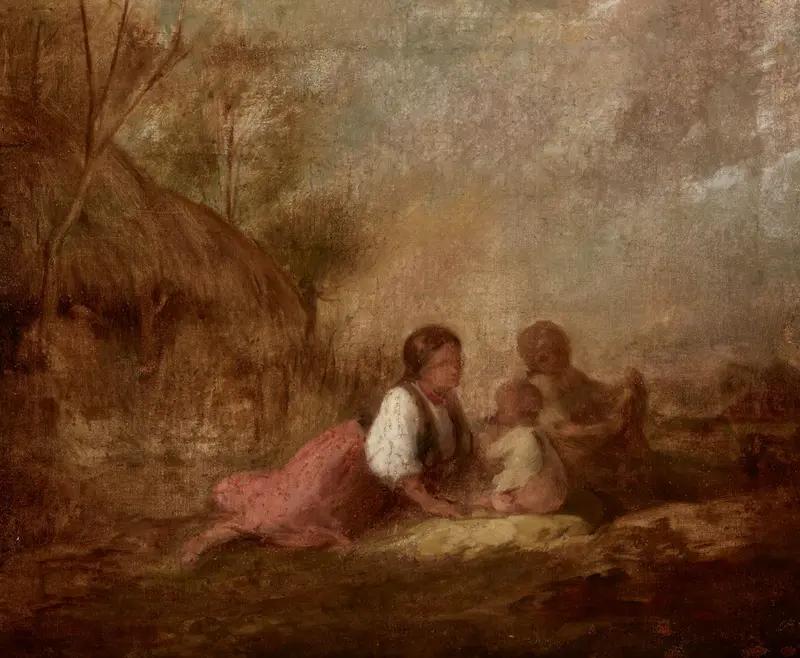
Pastoral Scene
Aleksander Kotsis
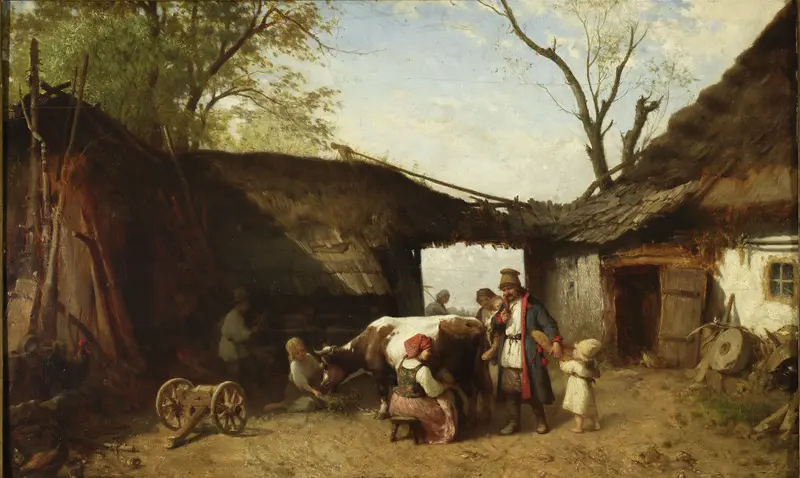
In the farmyard
Aleksander Kotsis
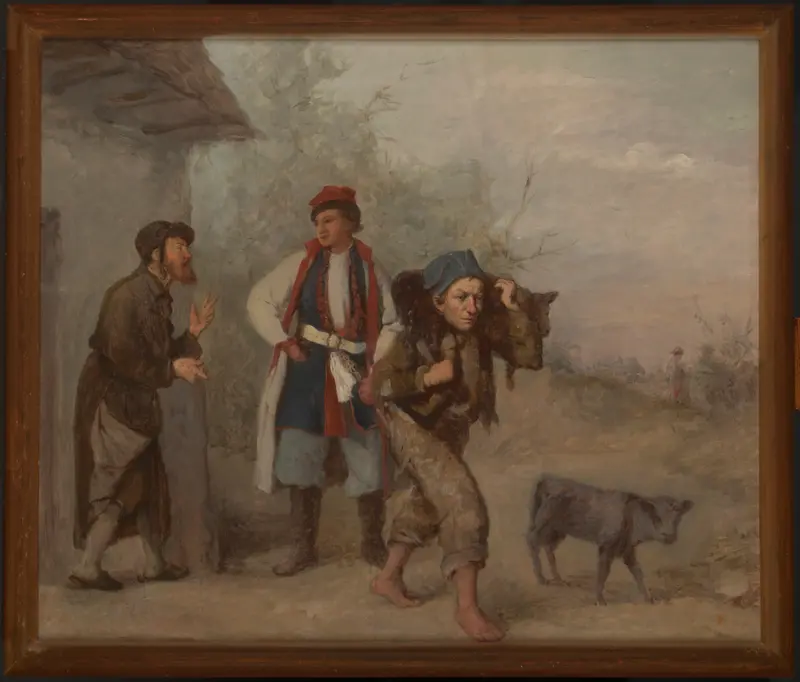
Haggling over a Calf
Aleksander Kotsis
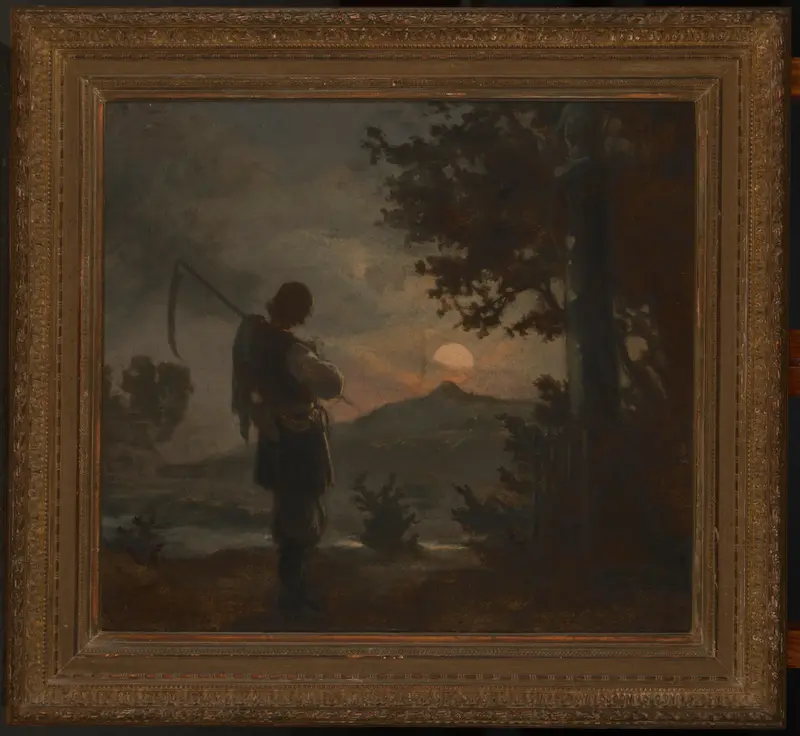
Haymaker
Aleksander Kotsis
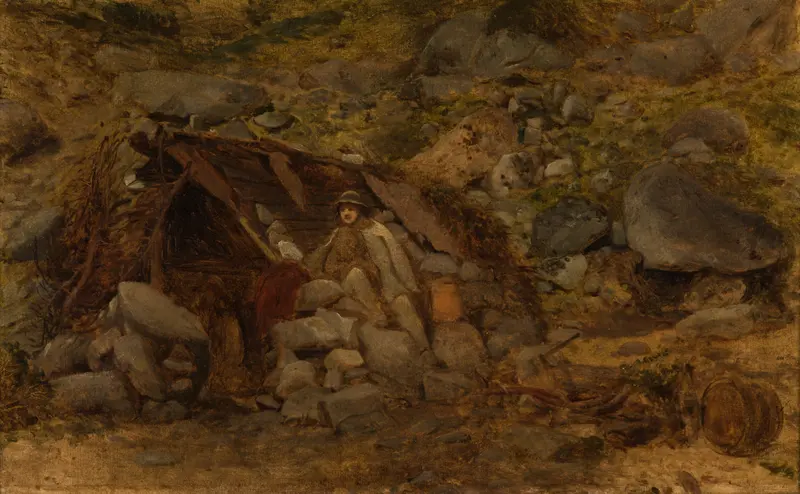
Highlander in Front of a Hut
Aleksander Kotsis
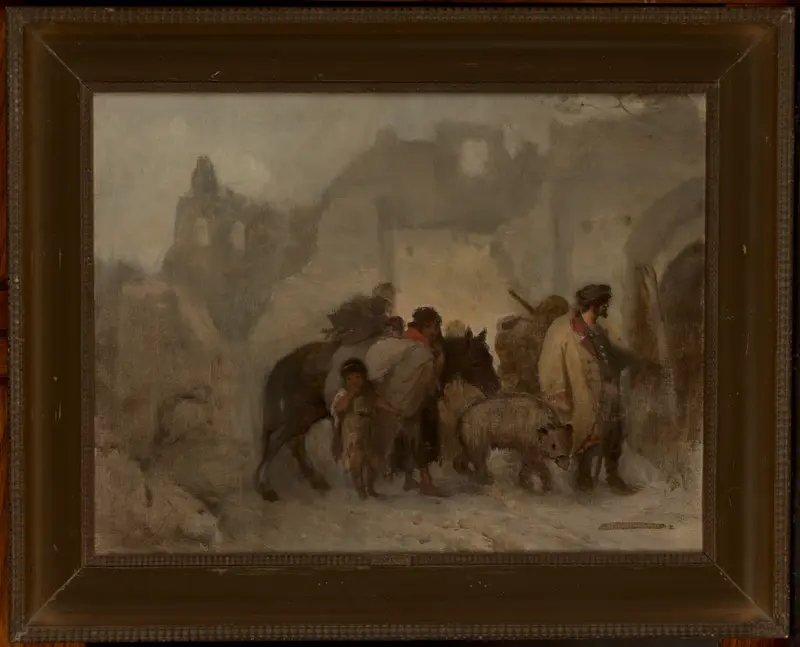
Gypsies
Aleksander Kotsis
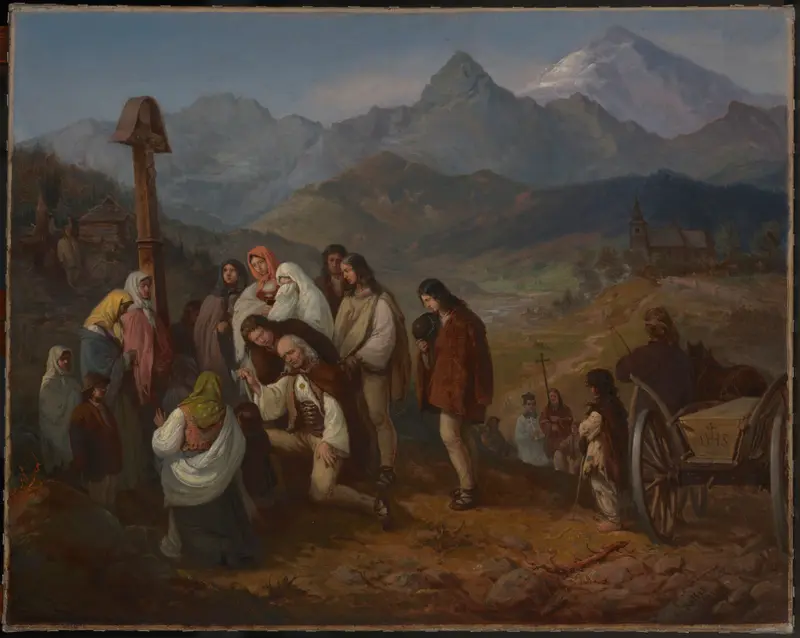
A Highlander's Funeral
Aleksander Kotsis
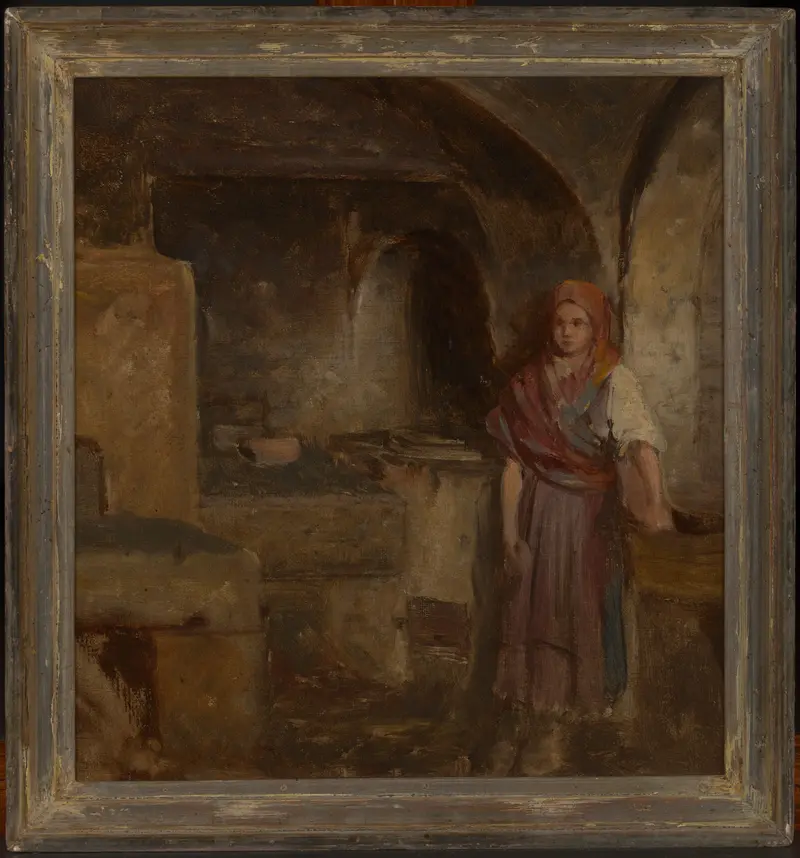
Girl in the Kitchen
Aleksander Kotsis





