Little Owl — History & Facts
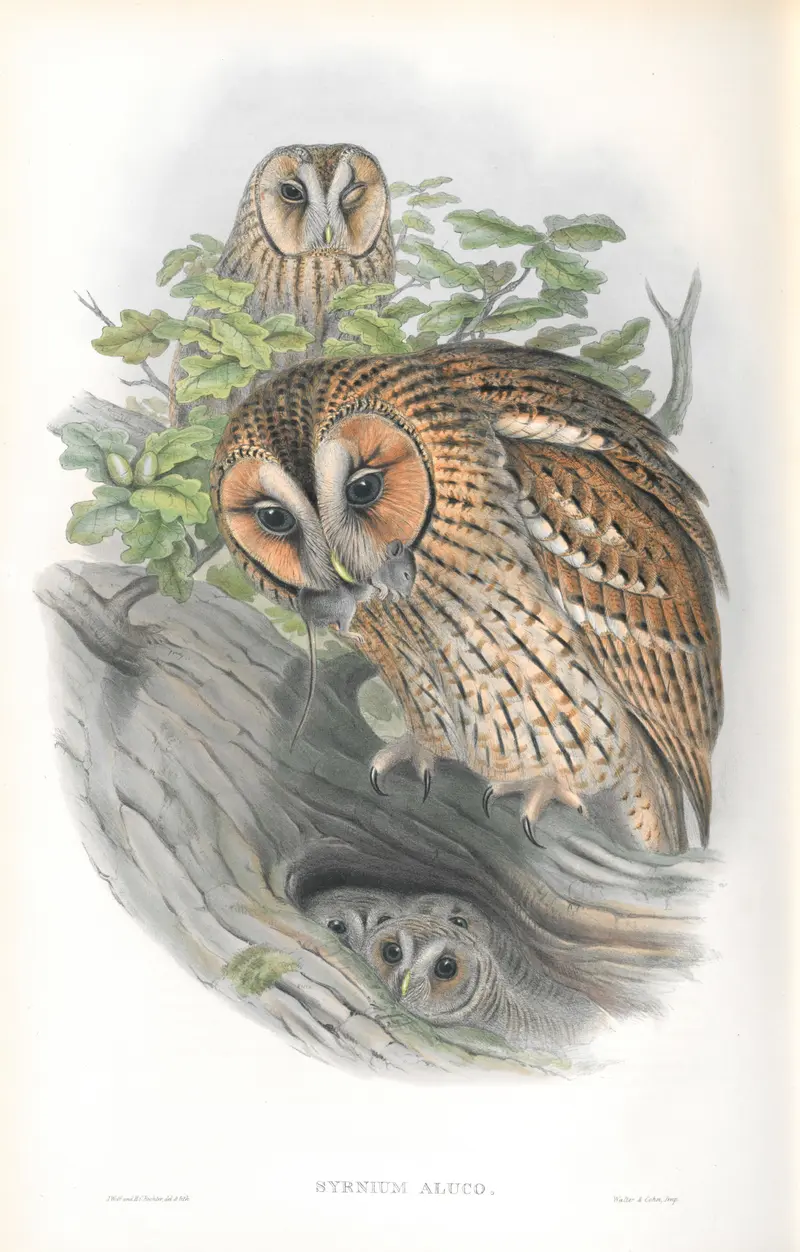
The gaze of the Little Owl in this illustration by John Gould is impossible to ignore—those wide, golden eyes seem to catch the viewer in the act of looking, as if the bird itself is the observer and not the observed. Perched on a broken branch, talons gripping a freshly-caught mouse, the owl is rendered with a precision that makes every feather a marvel of pattern and texture. The composition draws the eye along the curve of the log, past the trailing ivy, and into the shaded hollow where two more owls peer out, half-hidden, their faces echoing the same alert intensity.
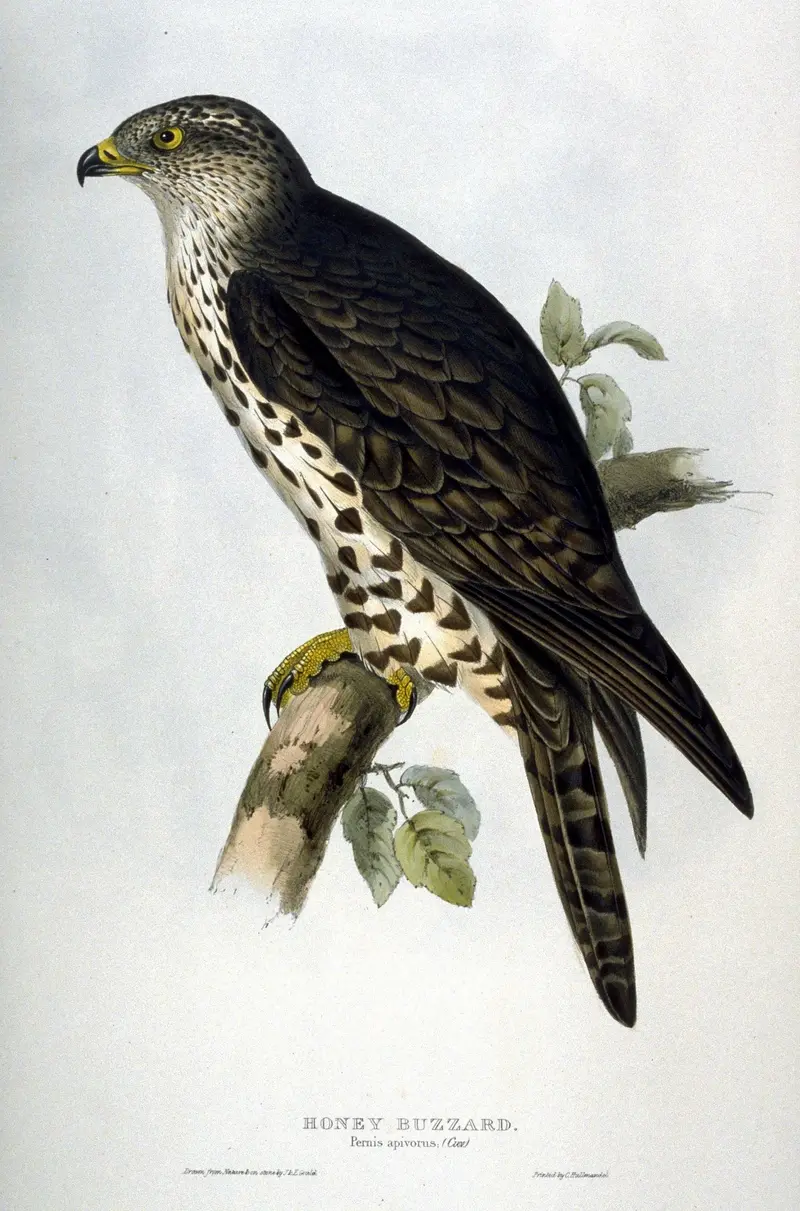
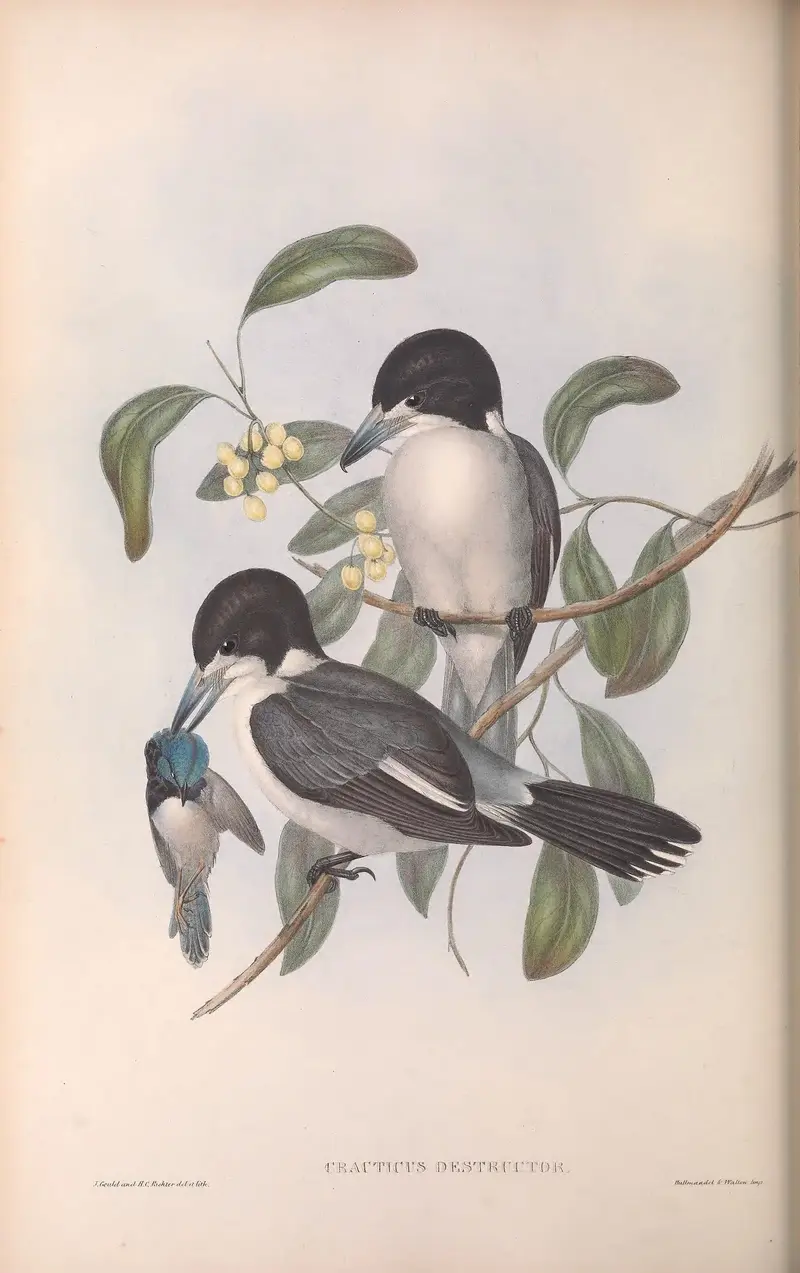
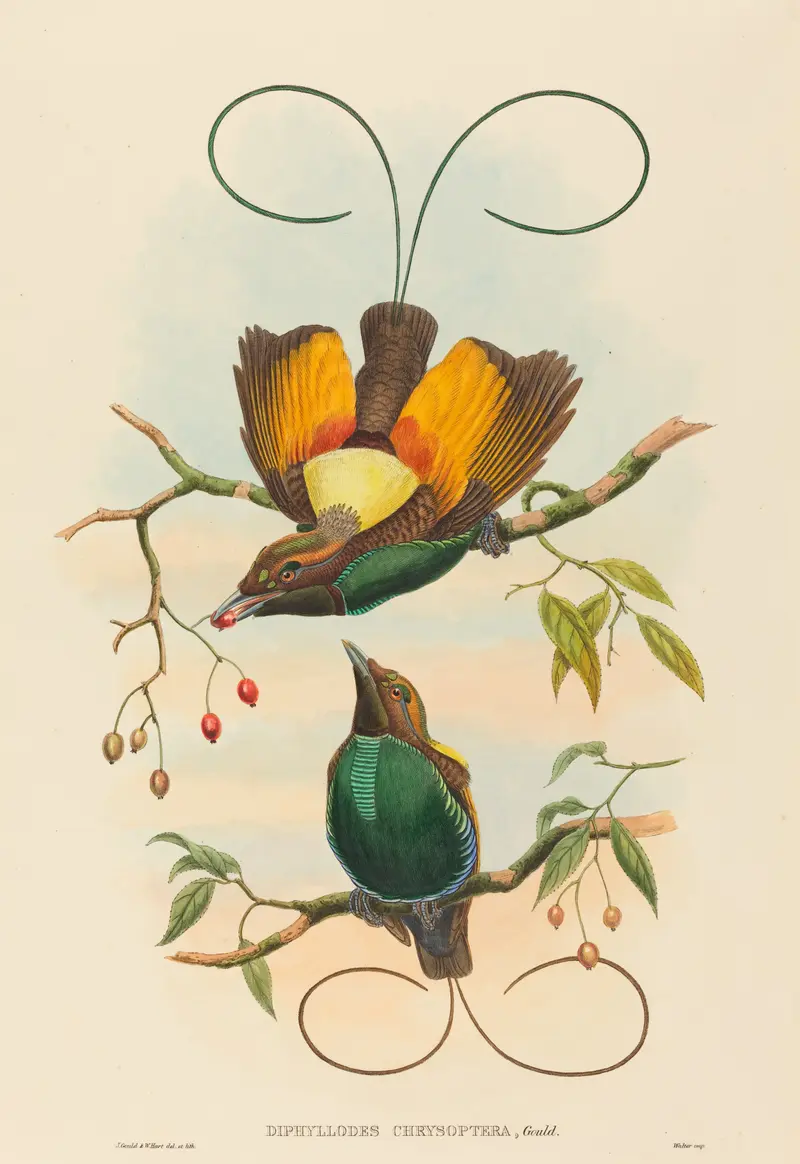
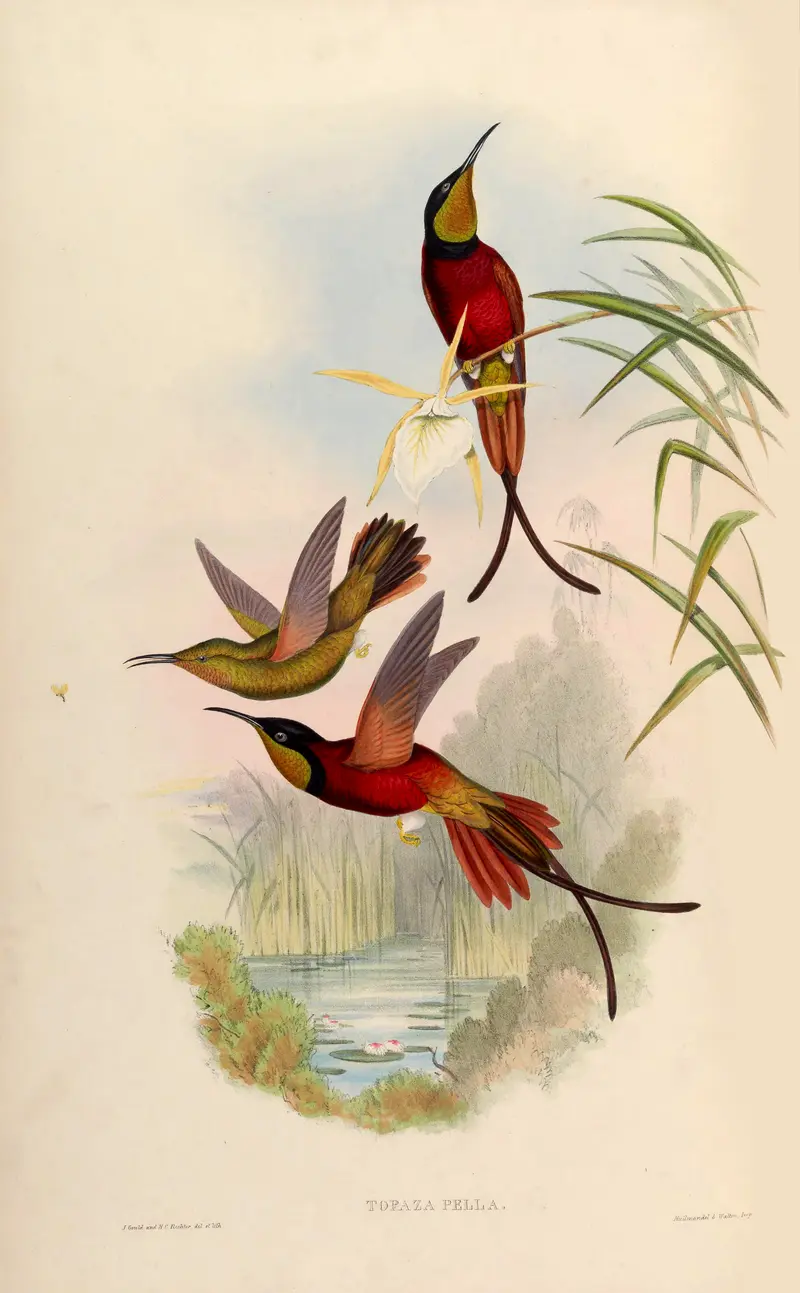
The soft, almost luminous background throws the sharpness of the owl into relief, making the bird’s presence feel immediate and alive. This drawing, published in London in 1873 as part of The Birds of Great Britain, belongs to a world where natural history illustration was both art and science. In the age before wildlife photography, such images were the definitive record of species, commissioned by collectors, scholars, and a Victorian public hungry for knowledge of the natural world. John Gould was among the most celebrated of these artist-naturalists, his works prized for their accuracy and vitality.
The careful attention to habitat—the moss, the ivy, the hollowed wood—reflects a period fascination with the interconnectedness of life, and the desire to see nature not as a static specimen, but as a living drama. The story here is not only of the owl, but of the era’s belief in the power of close observation, inviting us to look again, and more closely, at what might otherwise pass unseen.