
Liverpool Docks — History & Facts
Could beauty survive in a century of chaos? In the heart of industrial transformation, a sense of hope emerges from the bustling commotion of Liverpool Docks, encapsulated within the strokes of this exquisite piece. Look to the foreground, where the vibrant hues of the water dance in the sunlight, reflecting the movement of ships and the energy of laborers at work. The interplay of light and shadow creates a rhythmic harmony, drawing your gaze across the various elements of the docks. Notice the meticulous detail in the vessels, their sails catching the breeze, hinting at a world constantly in motion, while the palette of warm earth tones juxtaposes the cool blues of the water, anchoring the scene in a comforting embrace. Amidst the industrious atmosphere, we witness a contrast between human endeavor and the natural world.
The figures, caught in their daily toil, find themselves dwarfed by the grandeur of the ships and the sky above, yet their resilience speaks volumes. Each stroke conveys not merely activity but a deep-seated hope for progress and prosperity amid the sprawling chaos of modernization, echoing the sentiment that beauty can flourish even when surrounded by the noise of industry. Julian Alden Weir painted this piece in 1889 while living in France, a time when he was deeply influenced by the Impressionist movement. His work sought to capture moments of everyday life infused with emotion, reflecting both the vibrancy of his surroundings and the evolving landscape of art itself.
The late 19th century was marked by a tension between tradition and innovation, and through this painting, Weir navigated the waters of change with a hopeful gaze.
More Artworks by Julian Alden Weir
Browse all →
My Back Yard no. 1
Julian Alden Weir
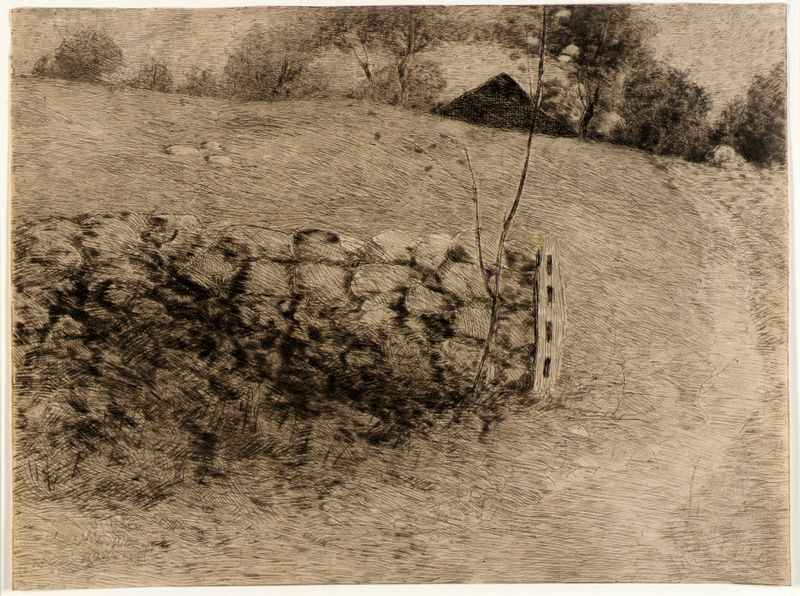
The Barn Lot
Julian Alden Weir

The Webb Farm
Julian Alden Weir
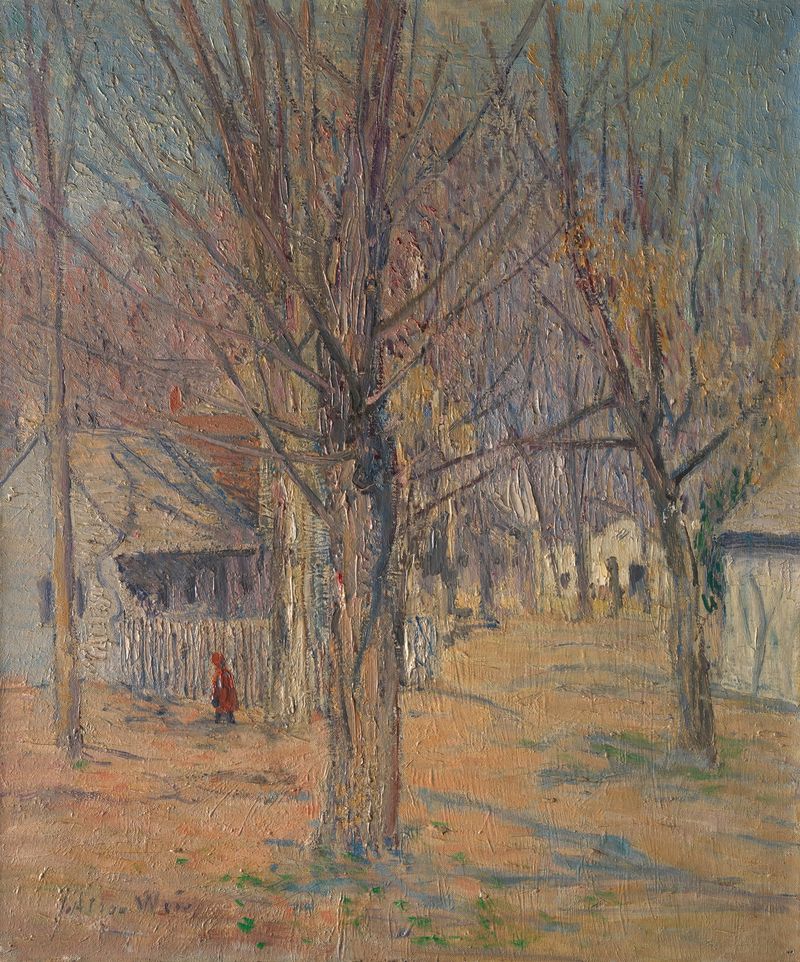
Connecticut Village (Going to School)
Julian Alden Weir

The Stone Bridge
Julian Alden Weir

The Webb Farm 2
Julian Alden Weir
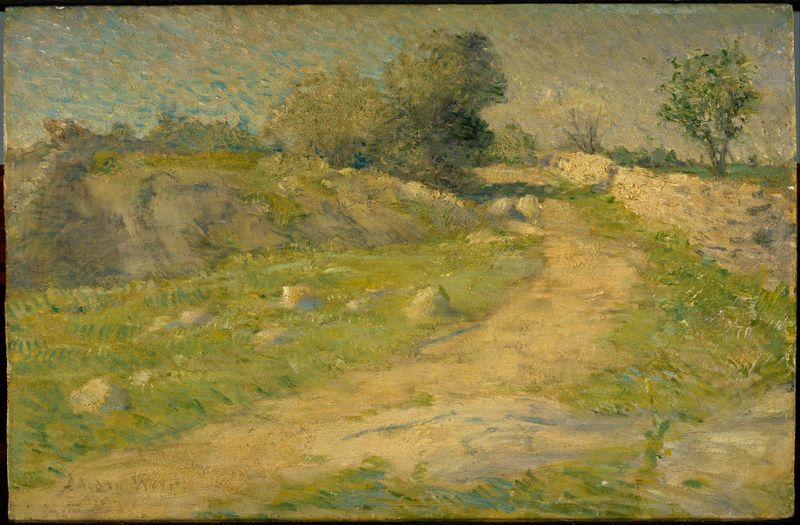
The Lane
Julian Alden Weir
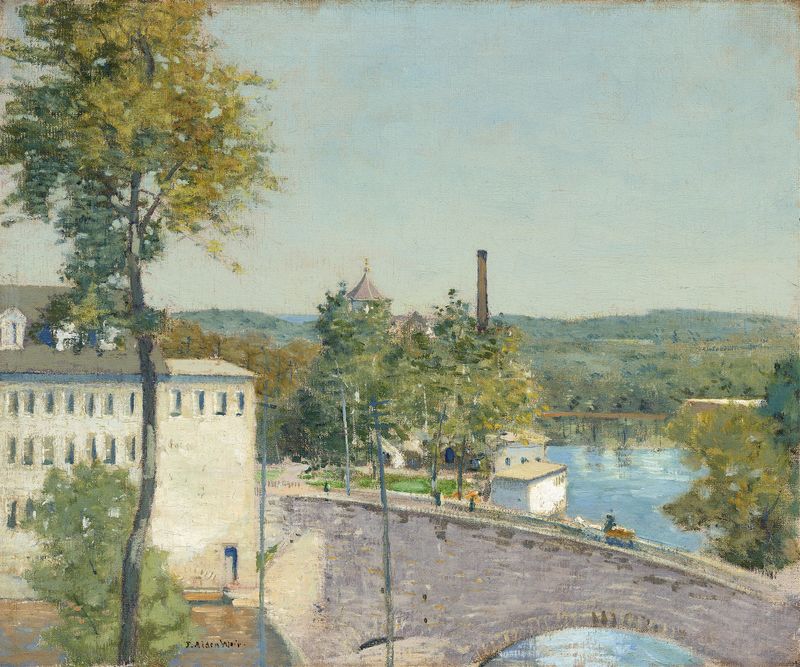
U.S. Thread Company Mills,Willimantic,Connecticut
Julian Alden Weir

Neighboring Farm
Julian Alden Weir

Coon Alley
Julian Alden Weir





