
Llyn Ogween — History & Facts
Where does light end, and longing begin? In the heart of Llyn Ogween, a profound sense of grief lingers within the luminous landscape. Look to the center of the canvas, where the tranquil lake mirrors the surrounding mountains, their jagged peaks softened by a hazy mist. Notice how the muted blues and greens blend seamlessly, creating a serene yet somber atmosphere. The gentle touch of light dapples the water's surface, capturing its essence while hinting at hidden depths beneath.
It beckons the viewer into a moment of stillness, inviting contemplation of both beauty and loss. Delve deeper into the scene, and you’ll uncover the emotional tension woven into every brushstroke. The lonely tree on the left stands as a silent witness to the landscape, its bare branches reaching out, echoing the theme of solitude. The ethereal glow of the sky contrasts sharply with the darker hues of the earth below, emphasizing the dichotomy between hope and despair.
As we gaze upon this serene yet haunting vista, we sense the weight of unexpressed grief, wrapped in nature’s eternal embrace. In 1805, during a time when Romanticism was sweeping through the art world, Philip James de Loutherbourg painted this sublime scene amidst personal challenges and the broader societal upheaval of the Napoleonic Wars. Living in England, he sought solace in nature as a response to the chaos around him. This work reflects not just the beauty of the Welsh landscape but also the complex emotions that arise when confronted with both nature's grandeur and human sorrow.
More Artworks by Philip James de Loutherbourg
Browse all →
Iron Works, Colebrook Dale
Philip James de Loutherbourg
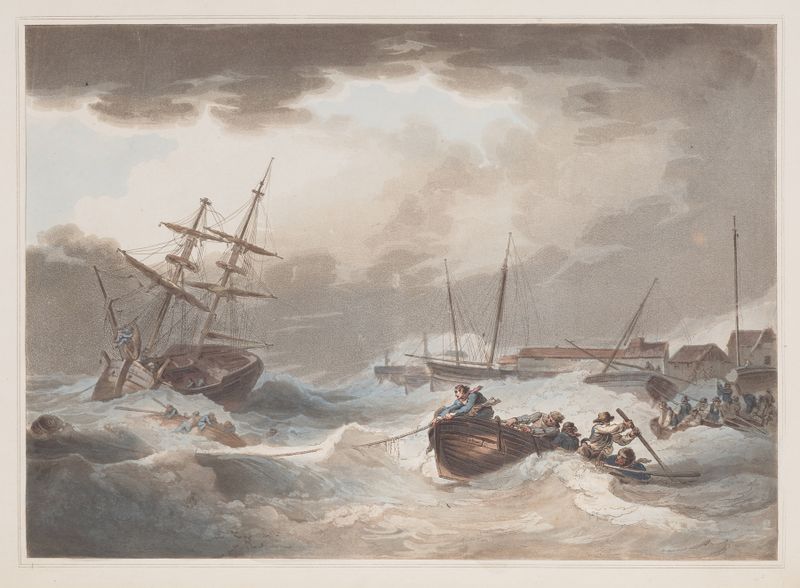
Storm off Margate
Philip James de Loutherbourg
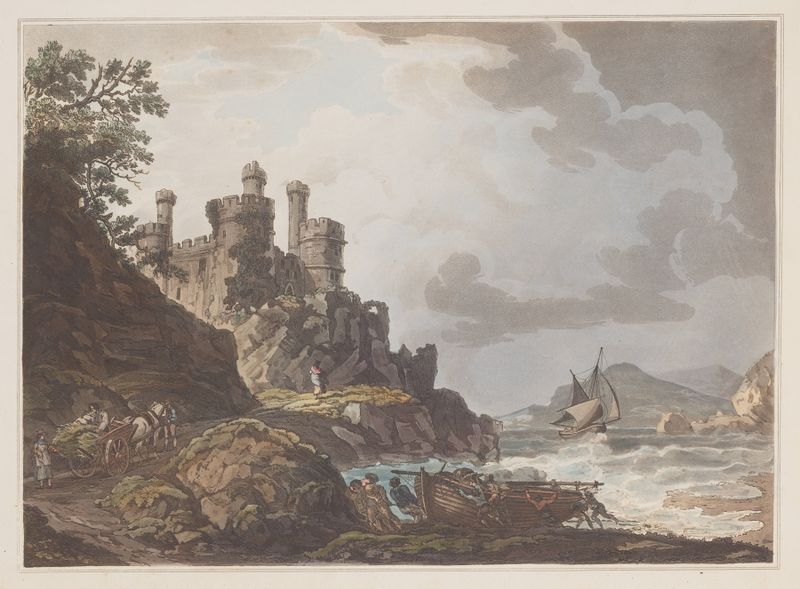
Conway Castle
Philip James de Loutherbourg
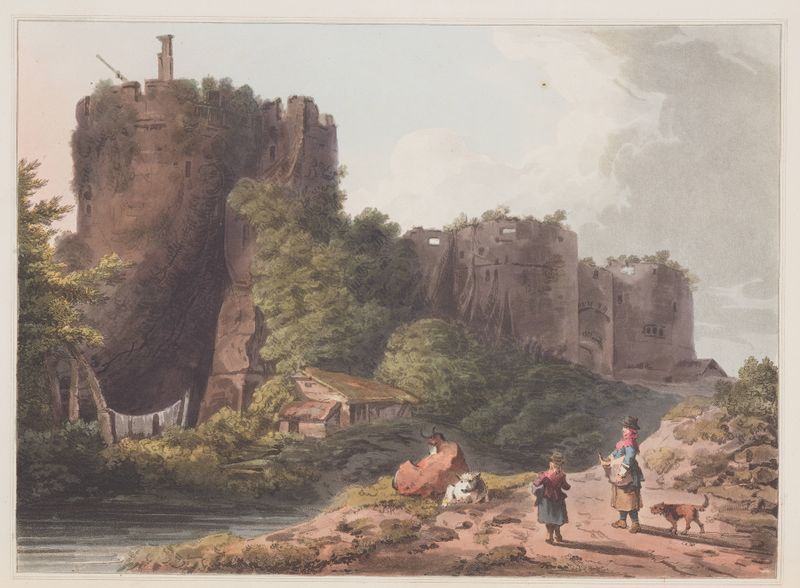
Chepstow Castle in Monmouthshire
Philip James de Loutherbourg
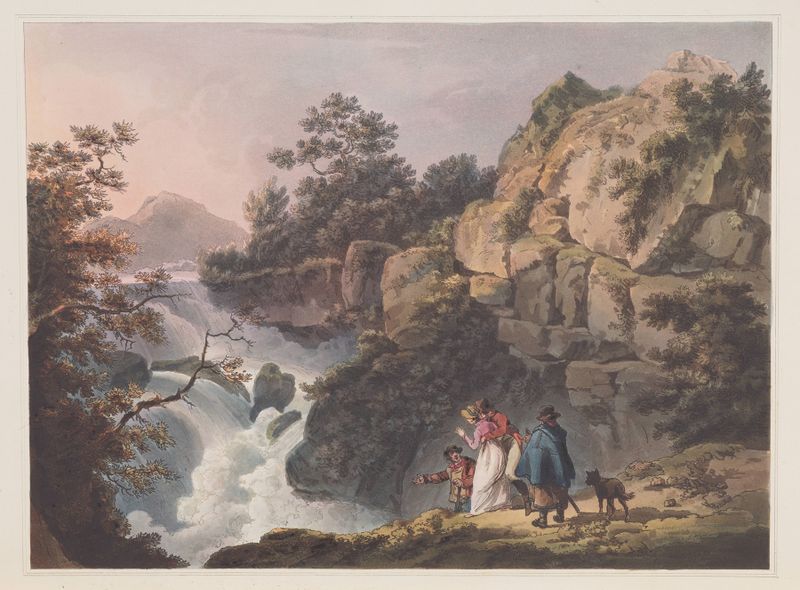
Cataract on the Llugwy
Philip James de Loutherbourg

Tintern Abbey
Philip James de Loutherbourg
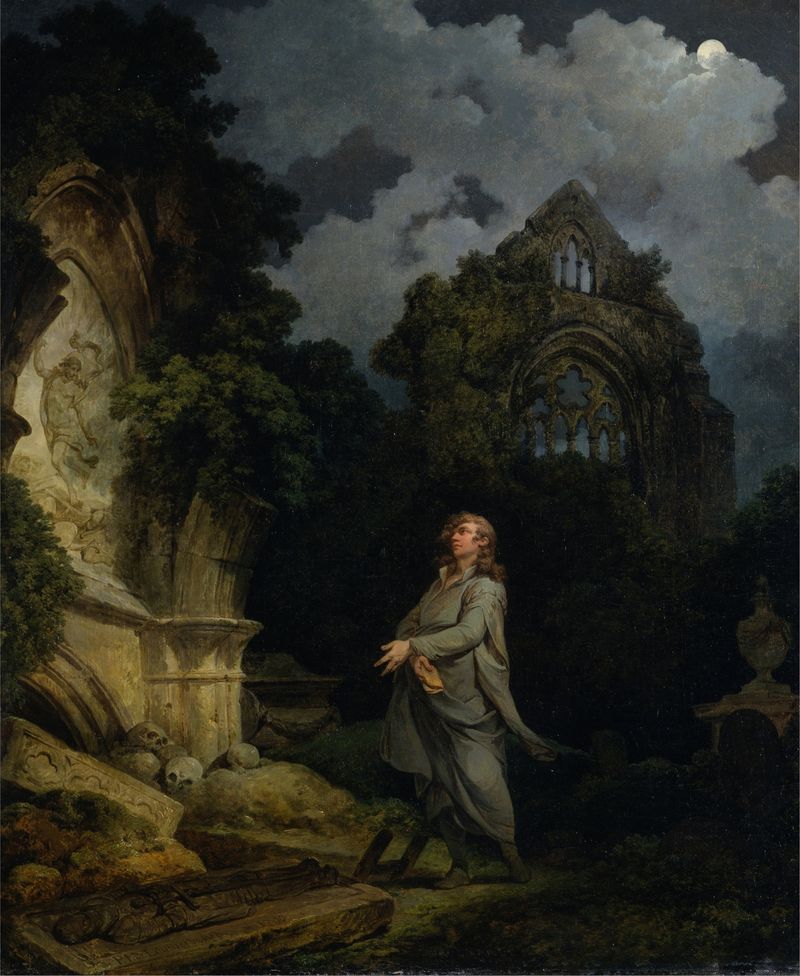
Visitor to a Moonlit Churchyard
Philip James de Loutherbourg

A Storm at the Entrance of a Mediterranean Port
Philip James de Loutherbourg
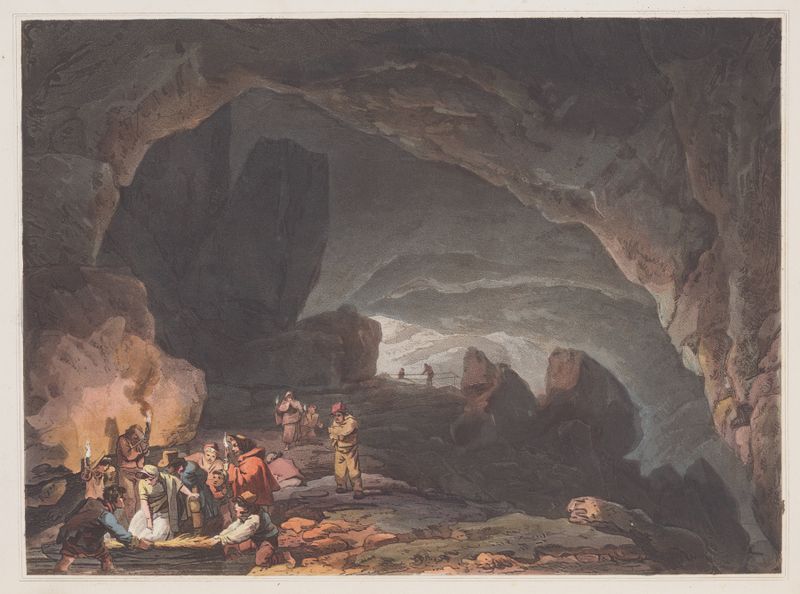
Peak’s Hole, Derbyshire
Philip James de Loutherbourg
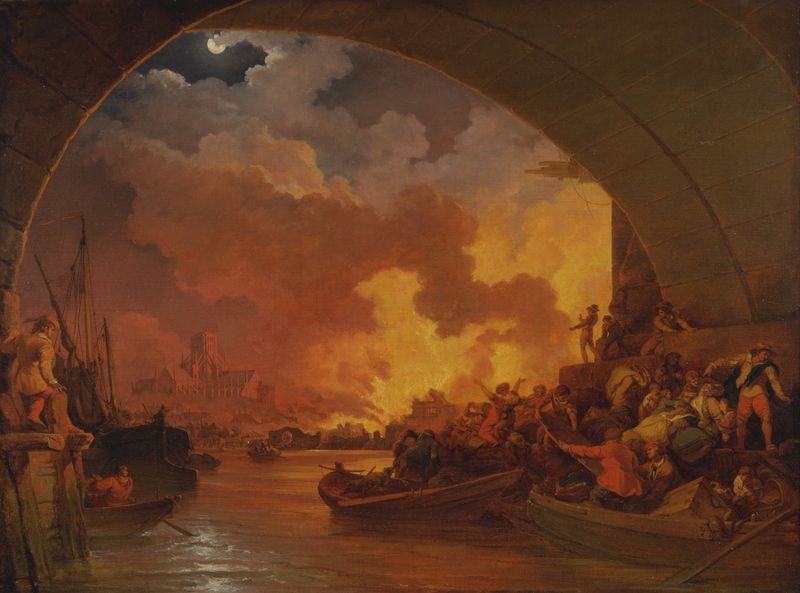
The Great Fire of London
Philip James de Loutherbourg





