
Loch Ranza Castle, Isle of Arran, Scotland — History & Facts
In the stillness of the landscape, the towering ruins whisper tales of obsession—of nature’s relentless grip on man-made structures. Look to the left at the stark silhouette of Loch Ranza Castle, its crumbling walls framed by the lush green hills that cradle it. The artist's palette is a symphony of muted grays and greens, evoking an atmosphere of both majesty and decay. Notice how the water's surface mirrors the castle, creating a haunting double—a reminder of what is real and what is merely a shadow of the past.
The gentle strokes convey a sense of tranquility, while the ominous clouds overhead hint at the turbulent history embedded in this serene setting. The interplay of light and shadow reveals deeper truths: the castle, once a seat of power, now succumbs to the quiet encroachment of nature’s reclaiming force. The distant mountains loom as silent guardians, their presence suggesting an eternal witness to human ambition and folly. This juxtaposition of grandeur and ruin speaks to an obsession with legacy, as well as the inevitability of time’s passage, drawing viewers into a contemplation of their own aspirations and fears. John Sell Cotman painted this piece in 1800 while residing in the bustling artistic circles of London.
During this period, Romanticism was gaining momentum, encouraging a fascination with the sublime and the picturesque. Cotman was deeply influenced by the natural beauty of Scotland, and this work reflects both his appreciation for the dramatic landscapes and the emotional resonance of historical ruins, marking a significant moment in his exploration of watercolor techniques.
More Artworks by John Sell Cotman
Browse all →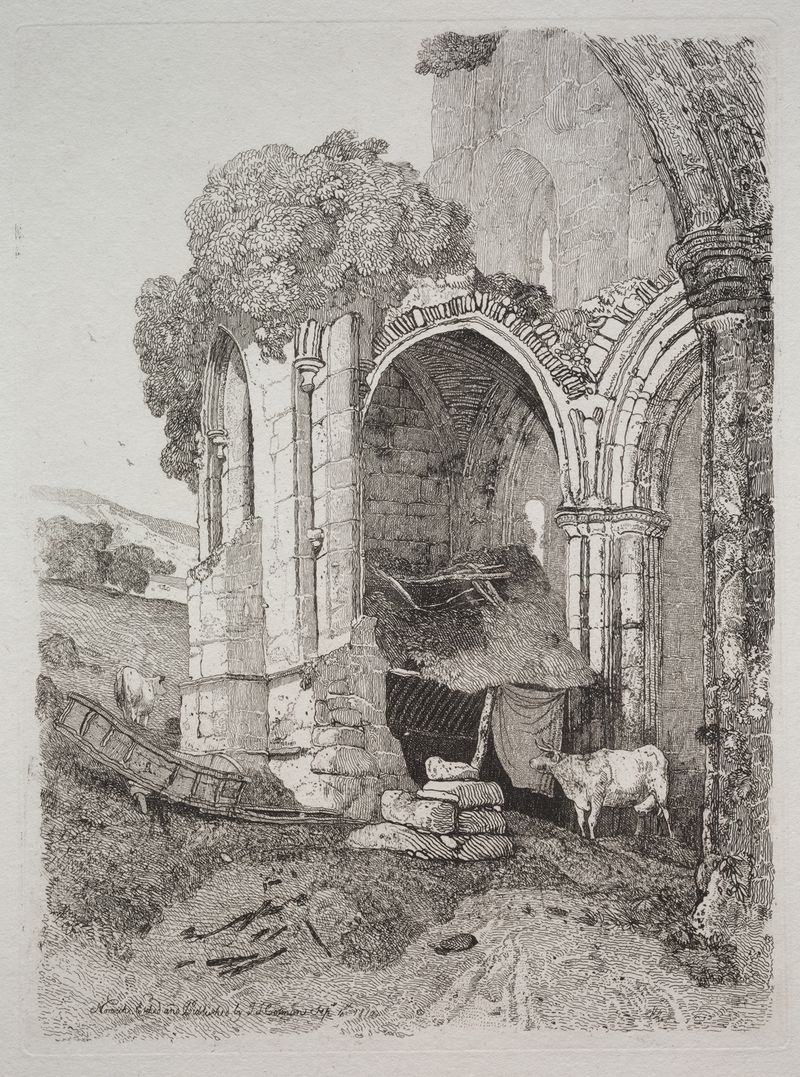
Rievaulx Abbey, Yorkshire
John Sell Cotman
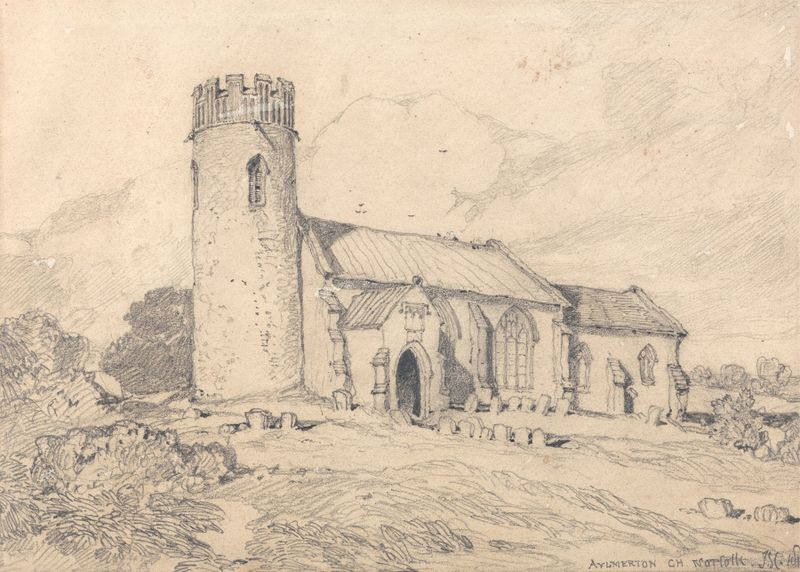
Aylmerton Church; Norfolk, from the South-West
John Sell Cotman
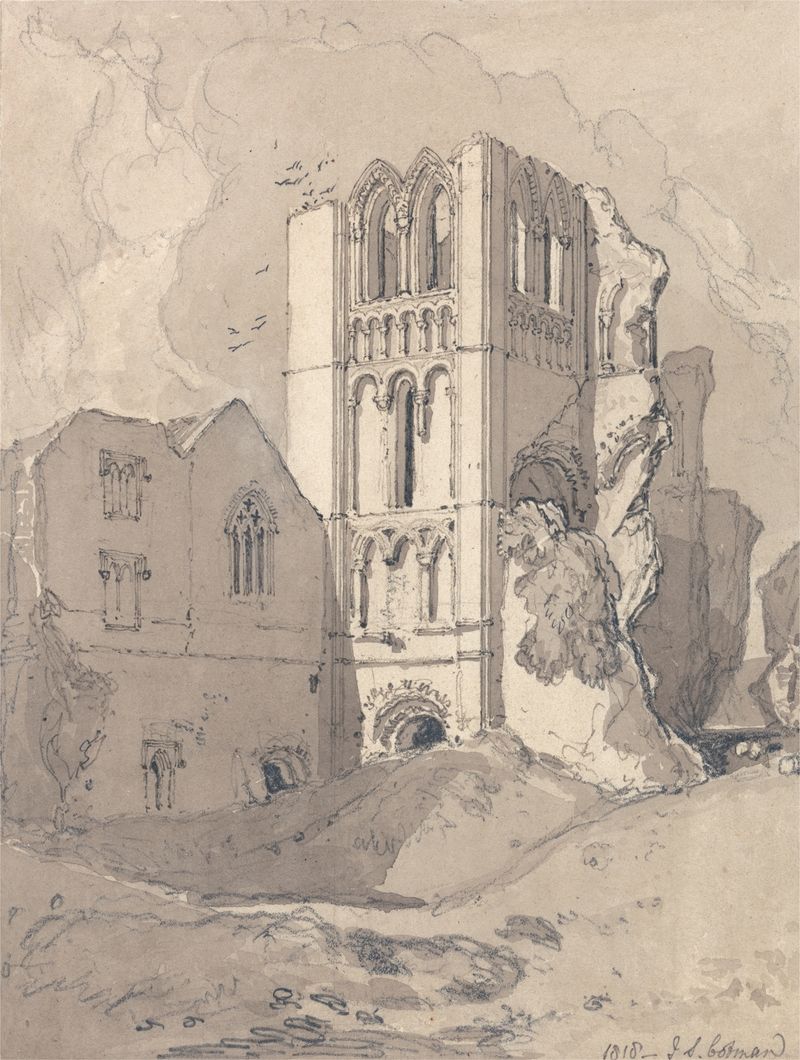
Castle Acre Priory, Norfolk
John Sell Cotman
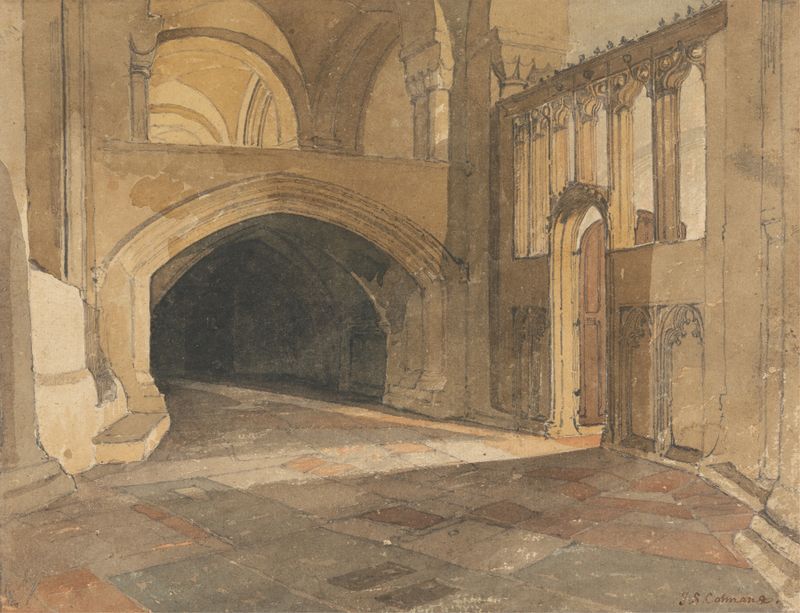
Norwich Cathedral; Entrance to Jesus Chapel
John Sell Cotman
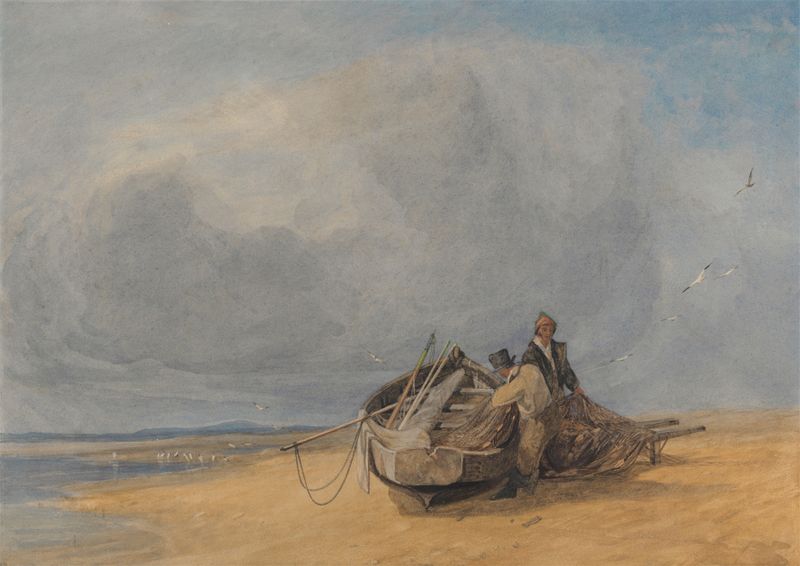
Yarmouth Sands, Norfolk
John Sell Cotman
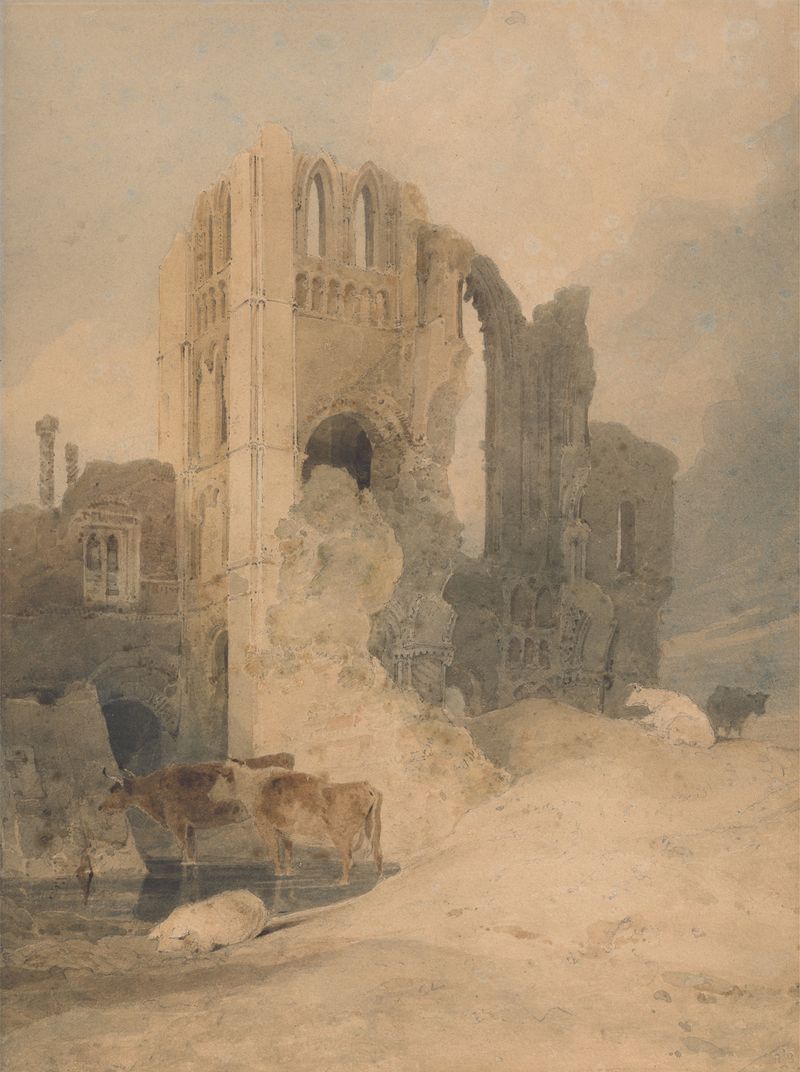
Castle Acre Priory, Norfolk
John Sell Cotman
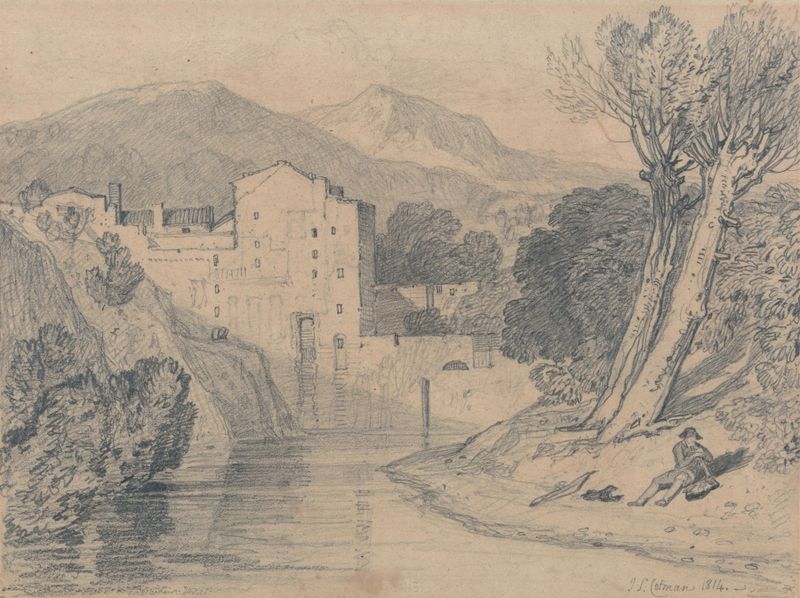
Near Whitby, Yorkshire
John Sell Cotman
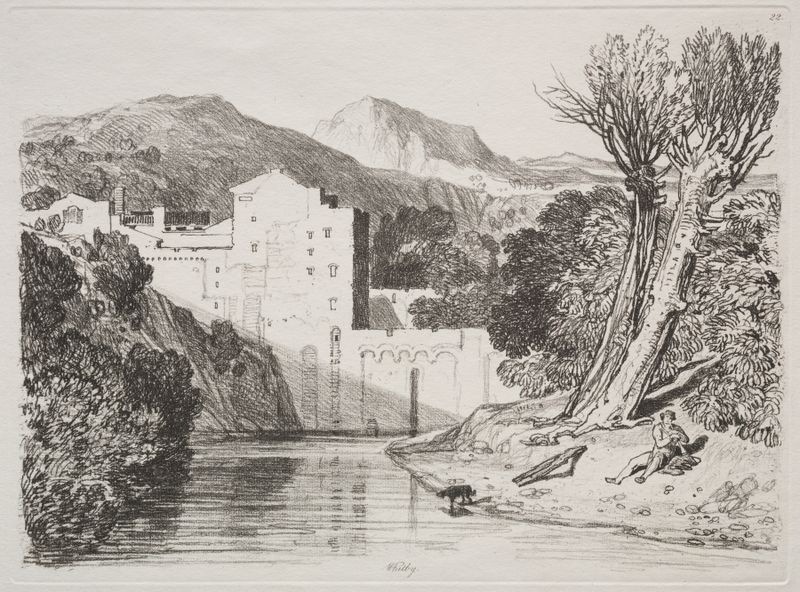
Whitby
John Sell Cotman
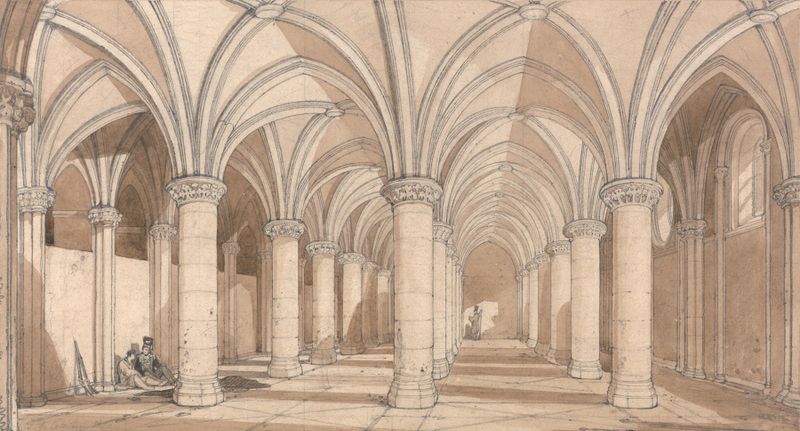
The Barons’ Hall, Mont Saint Michel
John Sell Cotman
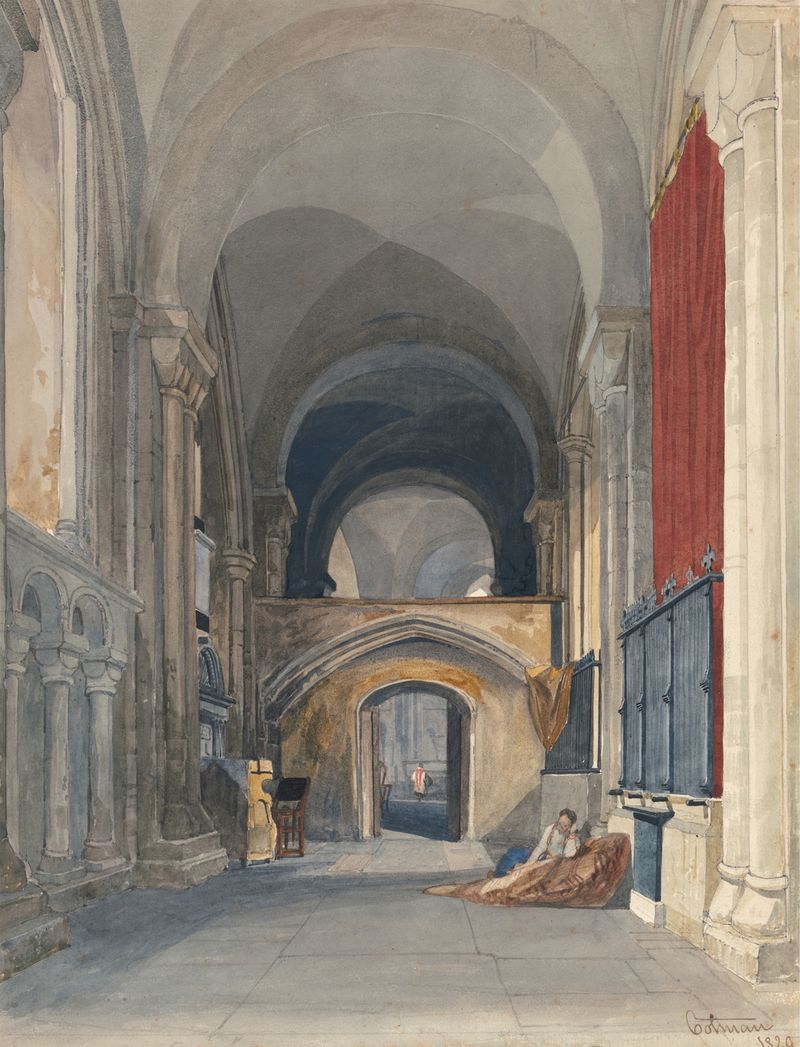
Norwich Cathedral; Interior of the North Aisle of the Choir, Looking East
John Sell Cotman





