
London Bridge — History & Facts
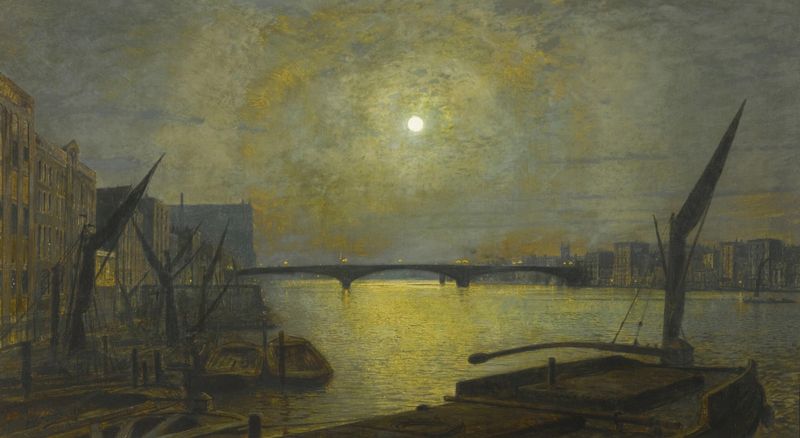
In the stillness of twilight, transformation lingers in the air—a moment caught between day and night. Shadows stretch across the cobblestone streets, where the iconic structure looms, its arching silhouette a testament to both resilience and change. Look to the left, where the dim light dances on the water’s surface, reflecting the soft hues of lilac and gold. The intricate details of the bridge, meticulously rendered, draw the eye to its ornate ironwork and steadfast presence against the backdrop of a deepening blue sky.
The gentle gradient of the colors creates an ethereal atmosphere, inviting contemplation and reverie. Beneath the serene surface lies a tension between the past and present. The flickering lamplights symbolize progress, illuminating the historic bridge as a beacon of innovation amidst the encroaching darkness. Grimshaw’s choice of colors and light signifies a broader transition—one that echoes the rapid changes sweeping through London during this period, where nostalgia intertwines with the promise of modernity. In 1883, the artist worked from his studio in Leeds, a bustling hub of the Industrial Revolution.
This era saw a burgeoning fascination with urban landscapes, as artists sought to capture both the beauty and the complexities of city life. Grimshaw, known for his nocturnal scenes, was deeply influenced by the evolving environment around him, yet he maintained a romantic lens, revealing the poignant interplay between human endeavor and nature’s timeless allure.
More Artworks by John Atkinson Grimshaw
Browse all →
Under the Silvery Moonbeams
John Atkinson Grimshaw
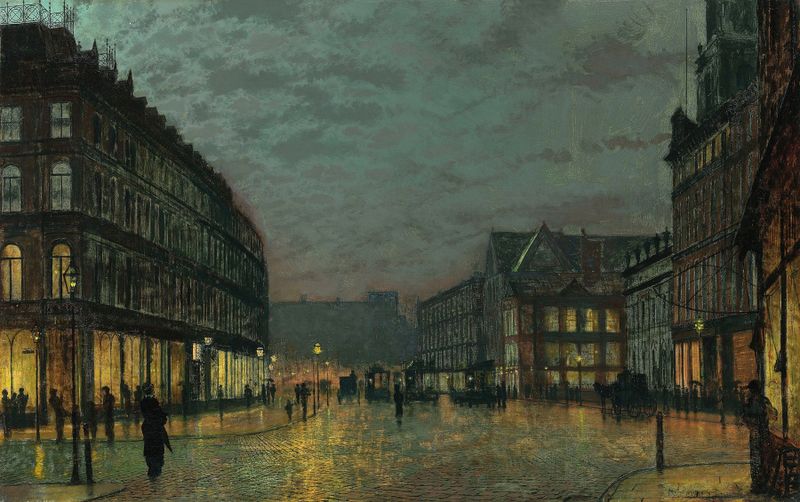
Boar Lane, Leeds by lamplight
John Atkinson Grimshaw
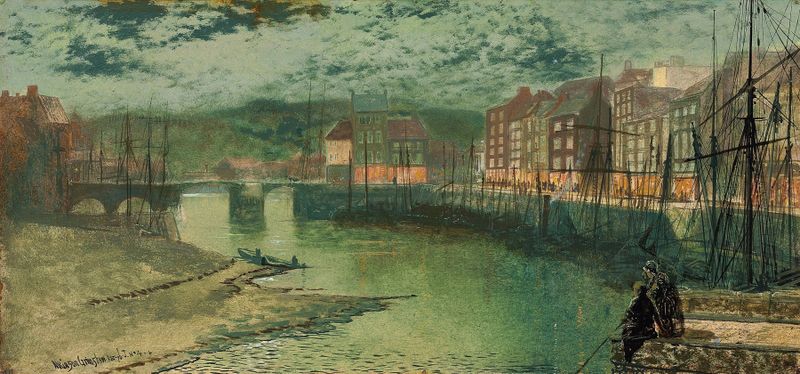
Whitby docks
John Atkinson Grimshaw

Old Chelsea
John Atkinson Grimshaw

Late October
John Atkinson Grimshaw
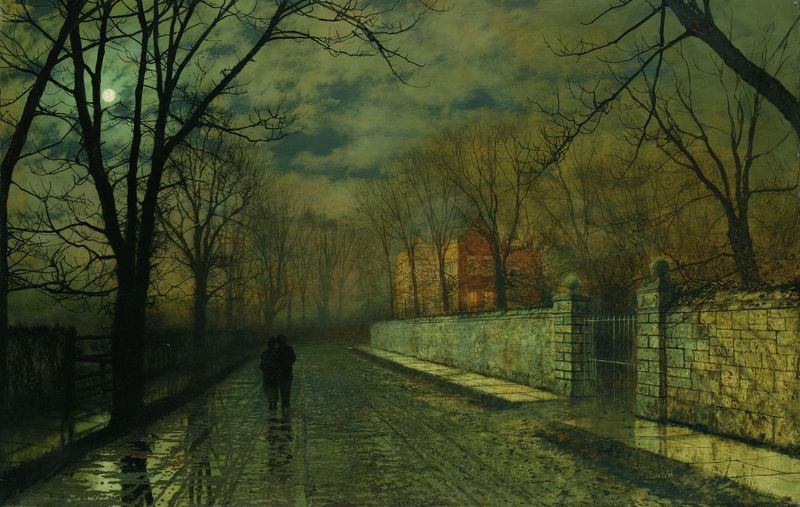
Figures In A Moonlit Lane After Rain
John Atkinson Grimshaw

Liverpool Lights
John Atkinson Grimshaw
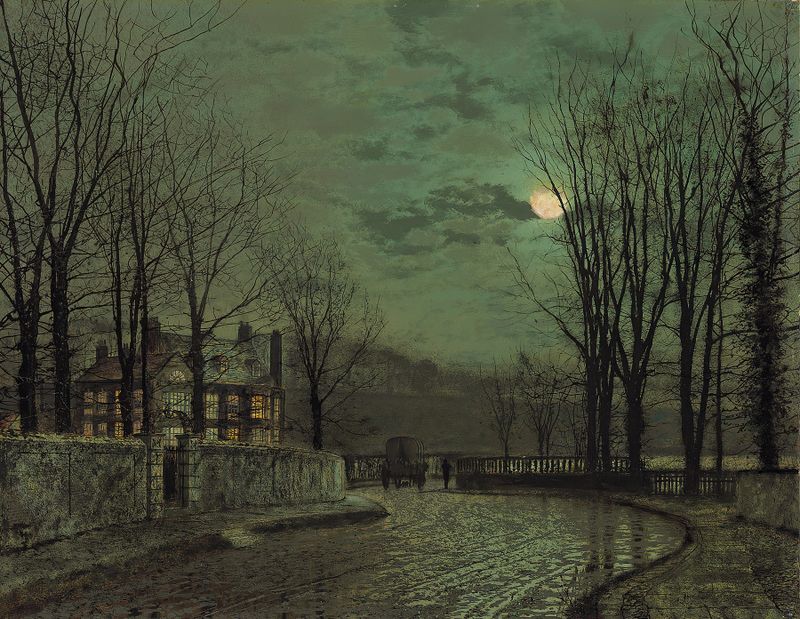
November Moonlight
John Atkinson Grimshaw
Southwark Bridge from Blackfriars by Moonlight
John Atkinson Grimshaw

Whitby From Scotch Head, Moonlight On The Esk
John Atkinson Grimshaw





