
Long Horned Sheep — History & Facts
A single animal commands the scene, its curved horns silhouetted against a sky that is heavy with weather, yet pierced by a wedge of pale blue. The eye is drawn first to the ram’s proud, almost statuesque pose—alert, watchful, as if it has just crested the ridge and paused to survey the vast, rolling landscape below. The light falls from the left, catching the edge of its horns and the line of its back, setting the animal apart from the muted, somber tones of the mountain world behind it.
The drama here is not in action, but in stillness: the sense of a creature utterly at home in its high, wild domain, the world falling away beneath its hooves. Works like Long Horned Sheep by Albert Bierstadt belong to a period when American painters turned westward, capturing the grandeur of landscapes and the animals that roamed them. Bierstadt, best known for his sweeping vistas of the Rocky Mountains and the American West, often placed wildlife as emblems of wilderness and freedom, appealing to collectors fascinated by the idea of untamed nature. This painting, once offered at Christie’s in New York, is less a portrait of a sheep than a meditation on presence and solitude, rendered with the careful observation and atmospheric effects that marked Bierstadt’s mature style.
The story of this particular canvas may be little recorded, but its image invites us to linger, following the animal’s gaze out across the endless, waiting hills.
More Artworks by Albert Bierstadt

A Storm in the Rocky Mountains, Mt. Rosalie
Albert Bierstadt
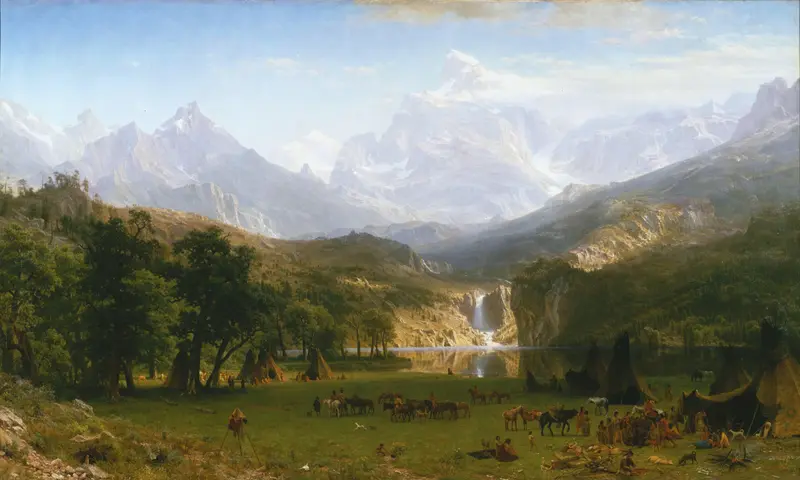
The Rocky Mountains, Lander's Peak
Albert Bierstadt
Niagara from the American Side
Albert Bierstadt
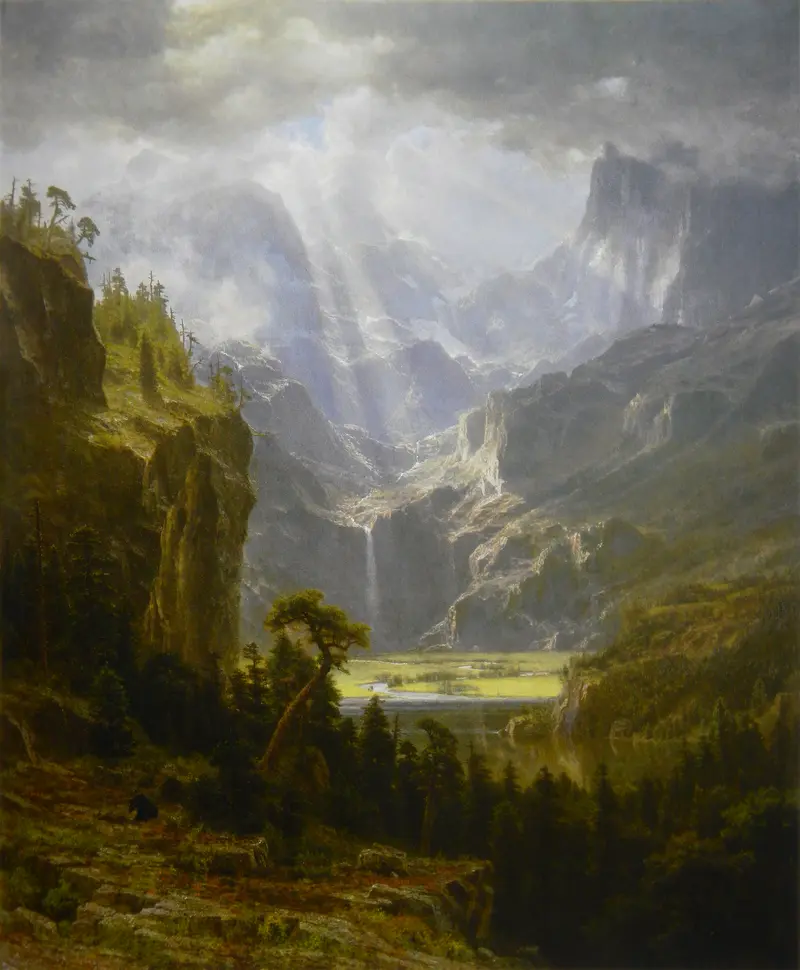
Rocky Mountains, Lander’s Peak
Albert Bierstadt

Valley of the Yosemite
Albert Bierstadt
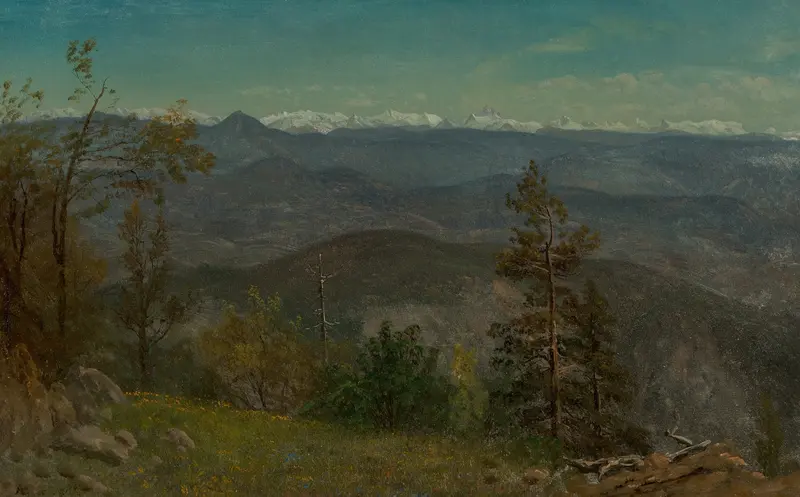
Yosemite Valley, California
Albert Bierstadt
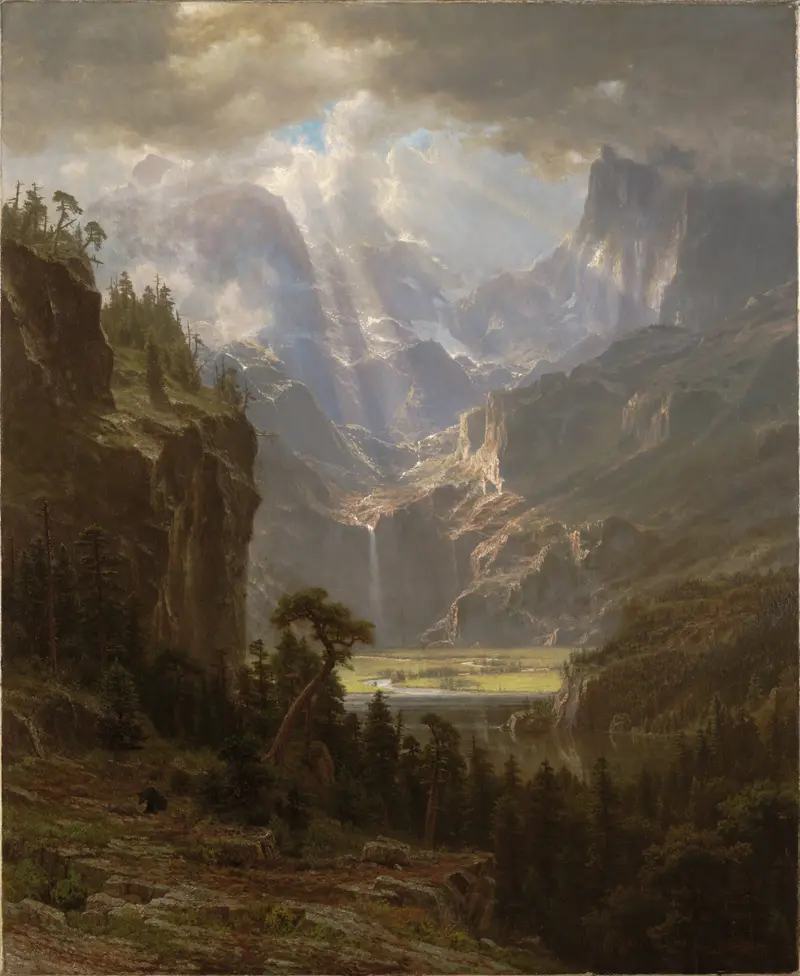
Rocky Mountains, "Lander's Peak"
Albert Bierstadt

Laramie Peak
Albert Bierstadt
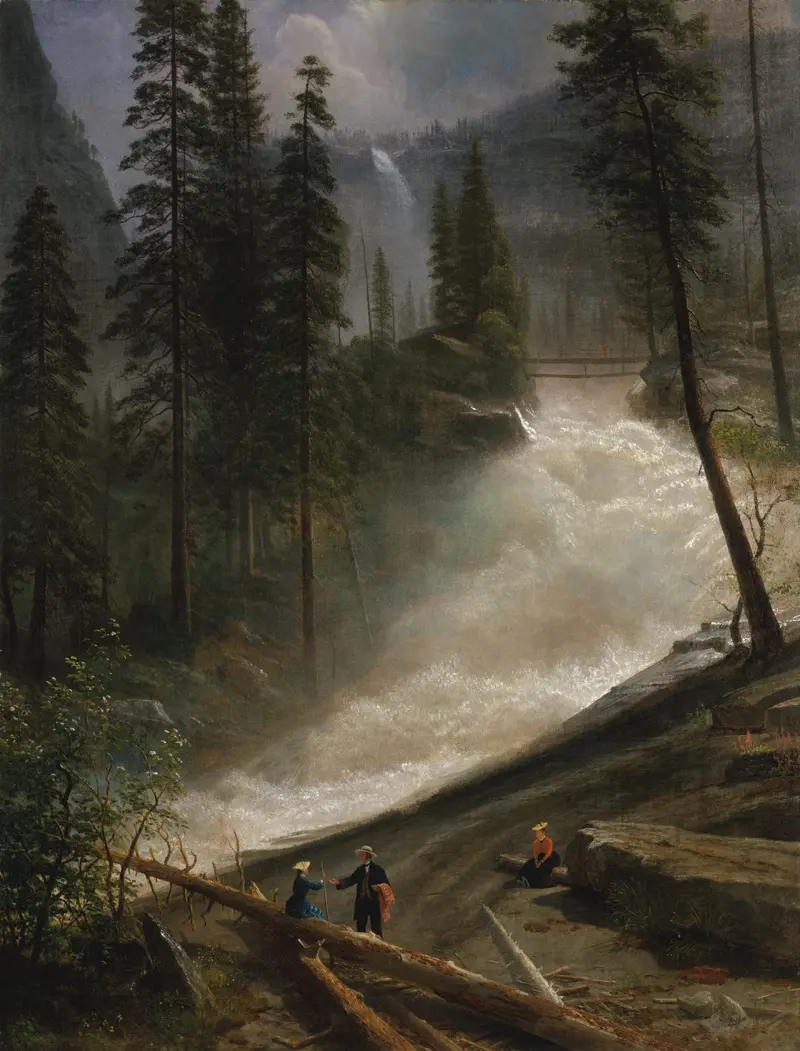
Nevada Falls, Yosemite
Albert Bierstadt
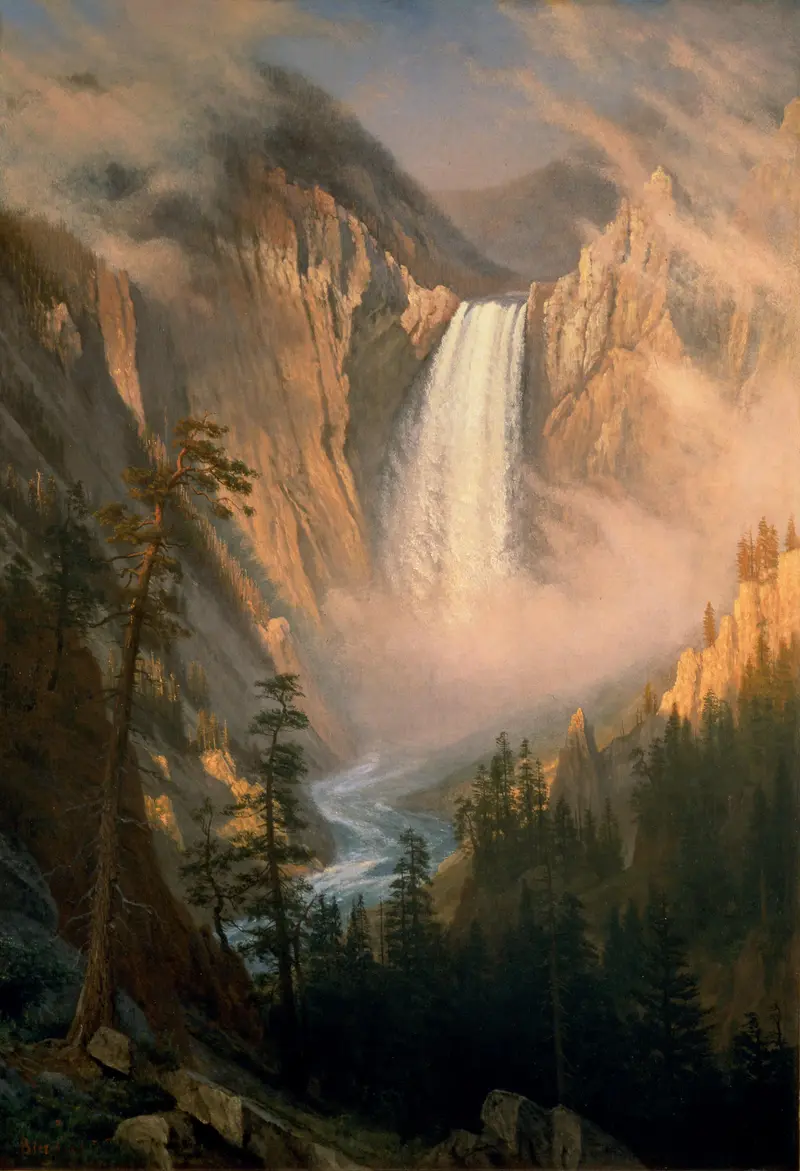
Yellowstone Falls
Albert Bierstadt





