Longfresnay — History & Facts
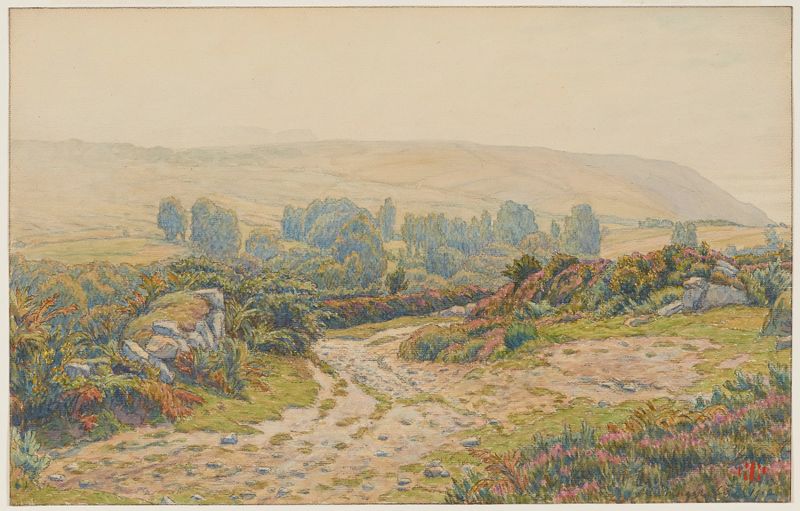
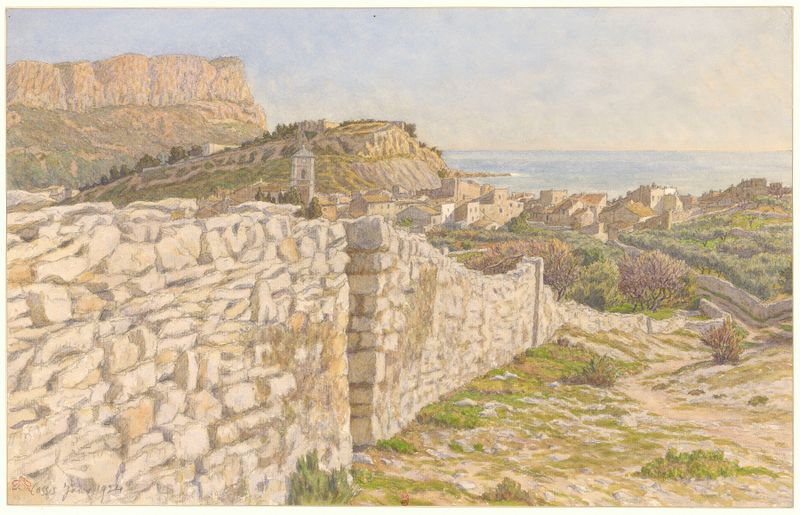
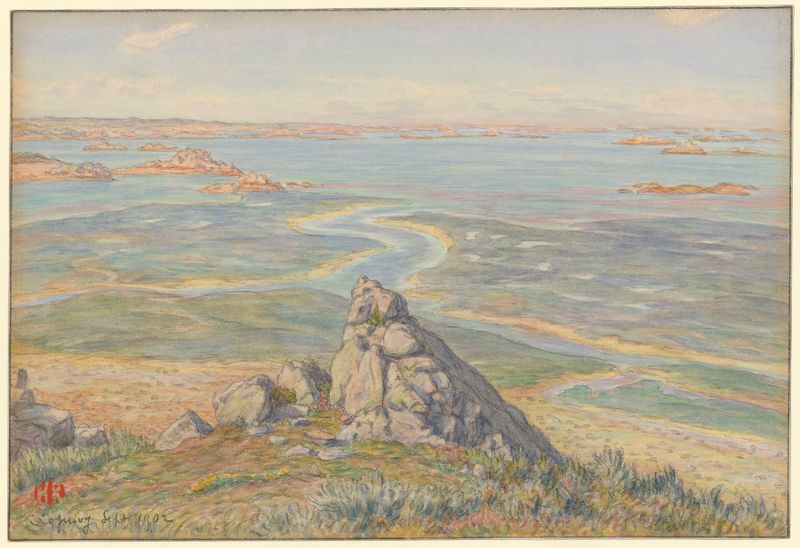
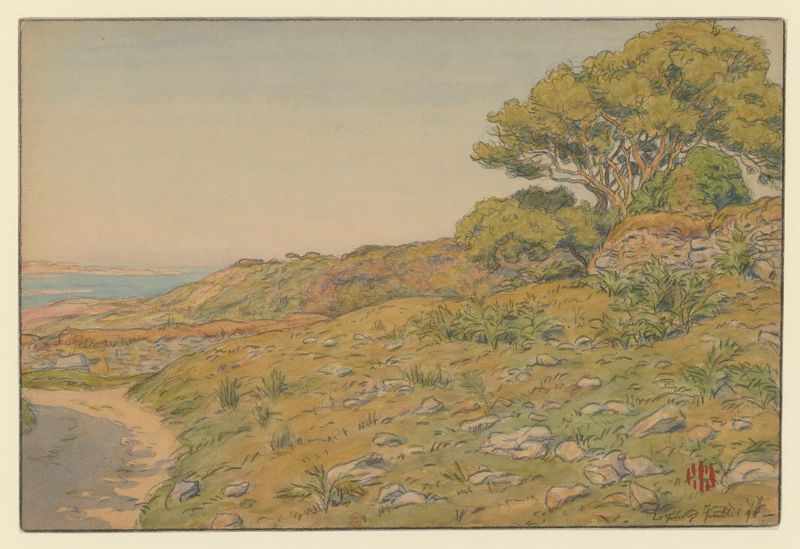
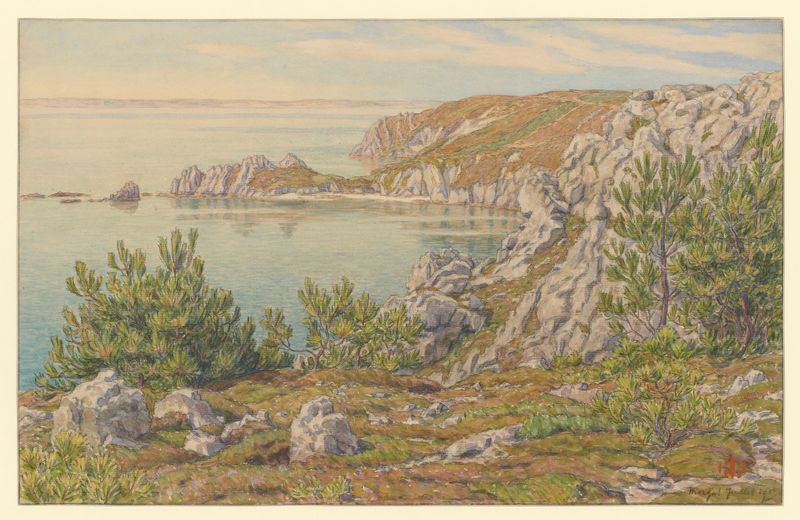
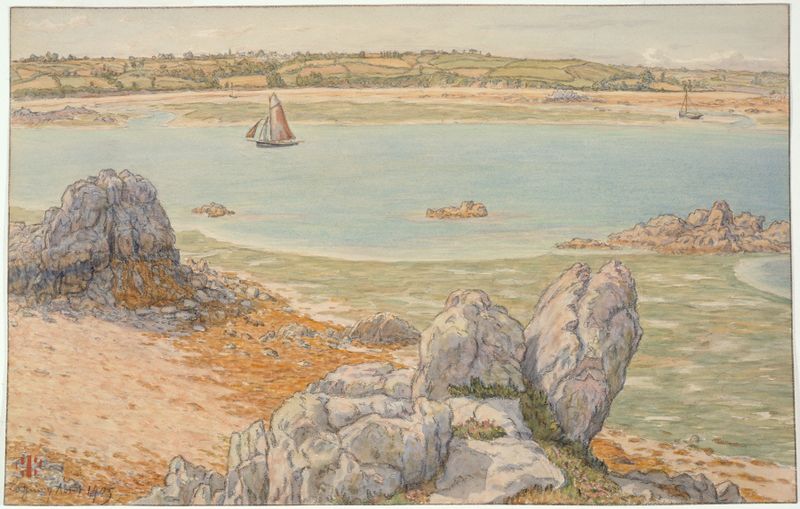
Can beauty exist without sorrow? In Longfresnay, Rivière weaves a tapestry of emotions that dances between elation and melancholy, inviting the viewer to contemplate the complexity of existence. Begin by focusing on the ethereal quality of Rivière's color palette. Notice how soft blues blend seamlessly into warm earth tones, creating a harmonious yet dynamic atmosphere. Look to the left, where the sweeping curves of the landscape cradle a delicate river, reflecting light in a mesmerizing play of movement.
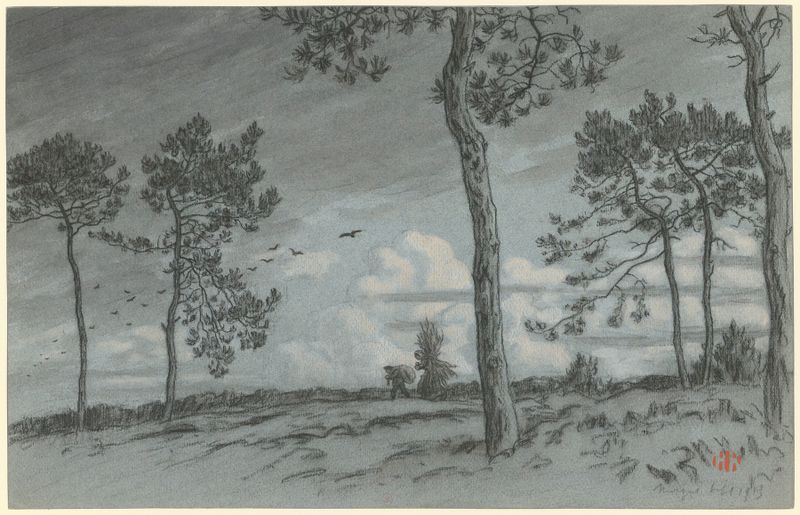
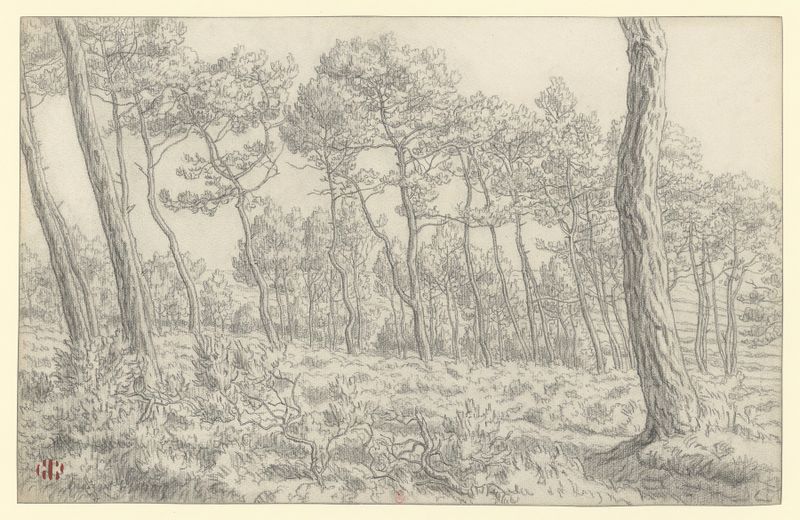
Each brushstroke appears to breathe life, as if the scene pulses with an unspoken story, inviting you to explore deeper layers of meaning. As you delve further, consider the juxtaposition of the tranquil landscape against the subtle hints of unease. The serene water might evoke a sense of peace, yet the looming trees, with their twisted branches, suggest an underlying tension. Here, the joy of nature clashes with the uncertainty of life, reminding us that beauty often coexists with its counterpart—sorrow.
Each detail contributes to a narrative that transcends the visual, compelling us to search for our own truths amid the quiet chaos. Created in 1925, during a period of transition in art and society, Rivière was influenced by movements that sought to capture emotion through abstraction. He painted Longfresnay while residing in France, a time when artists were exploring new forms and techniques, reflecting the complexities of a rapidly changing world. This work stands as a testament not only to Rivière's mastery but also to the collective yearning for meaning in an era fraught with both beauty and upheaval.