Loowaerdt — History & Analysis
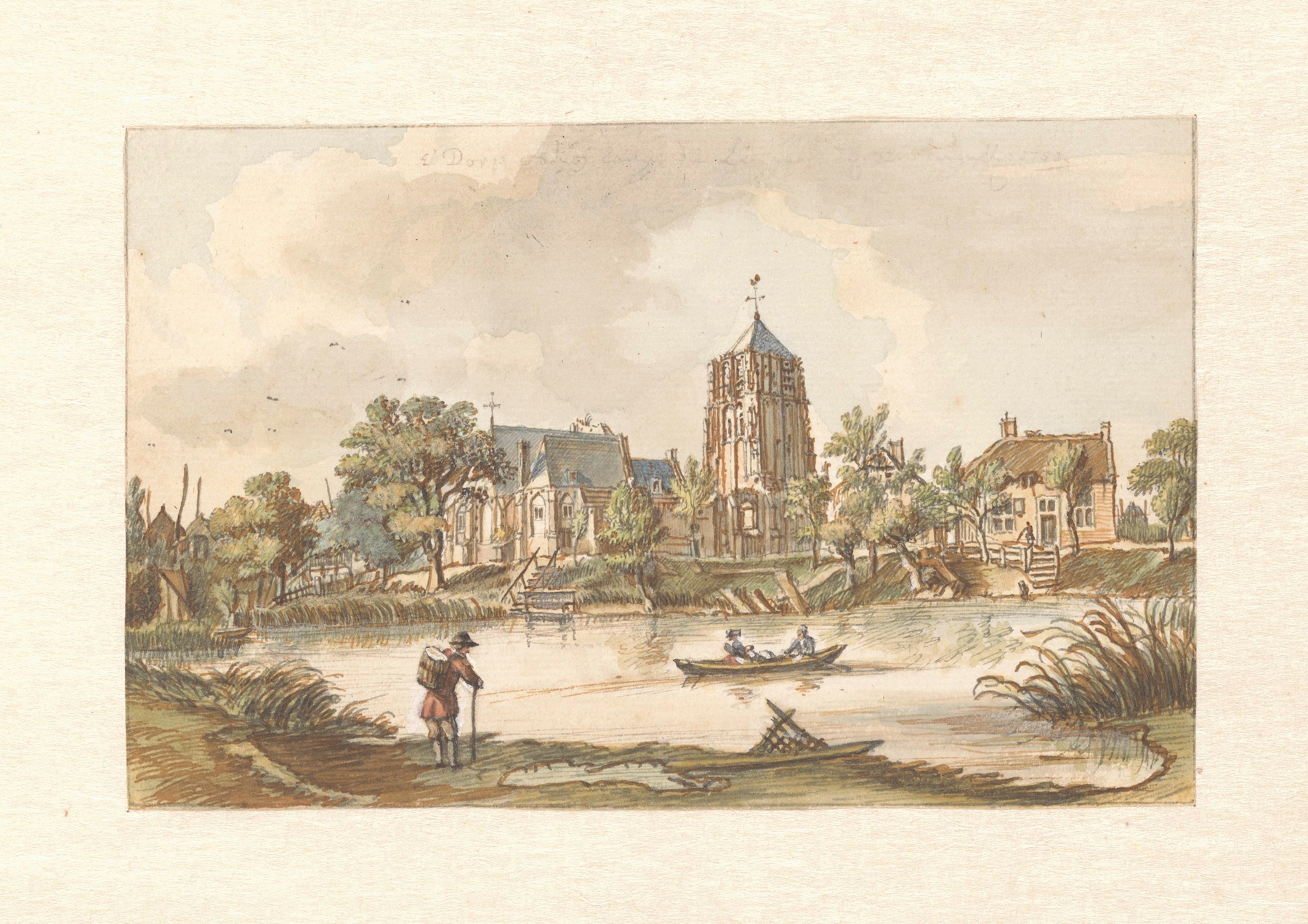
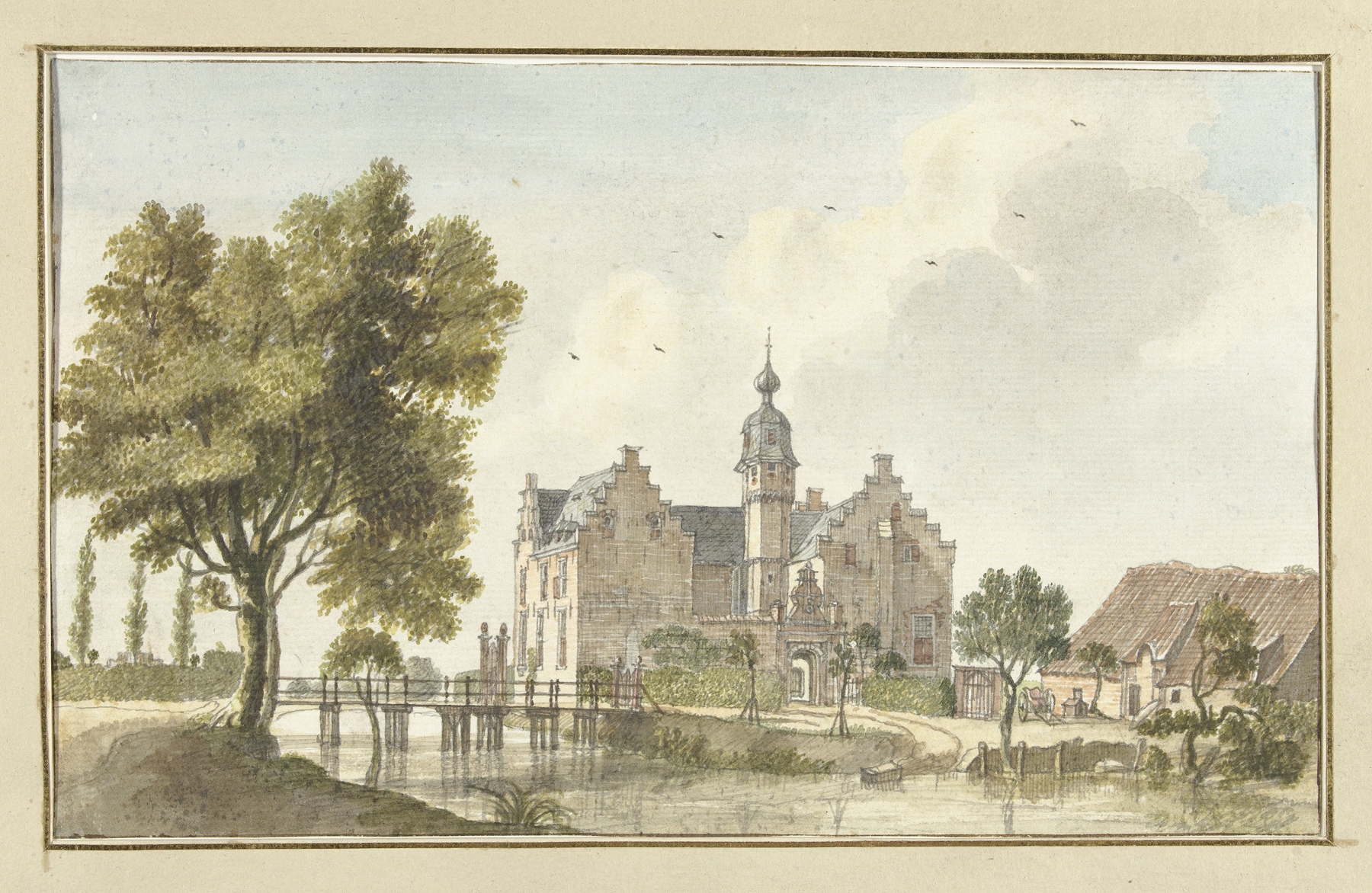
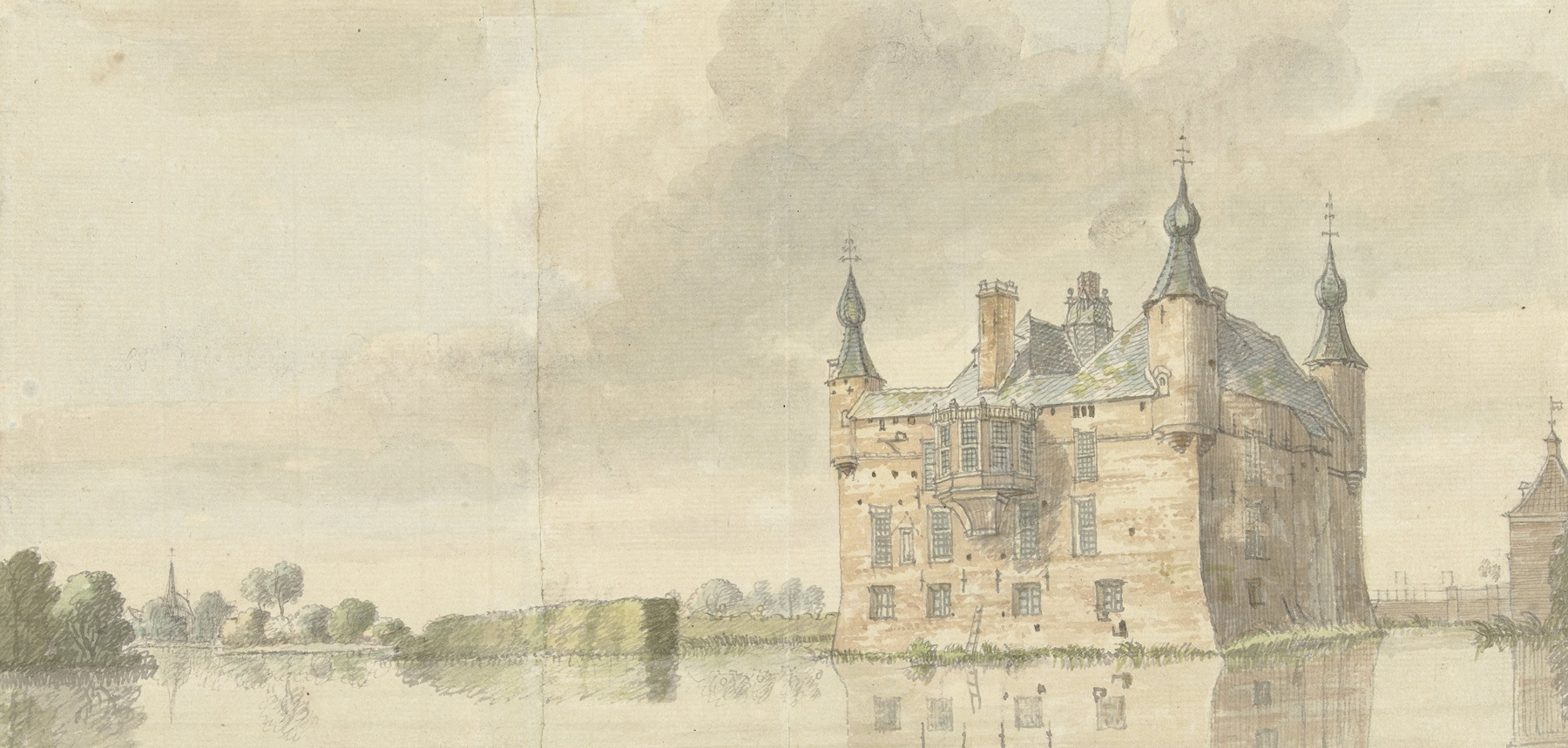
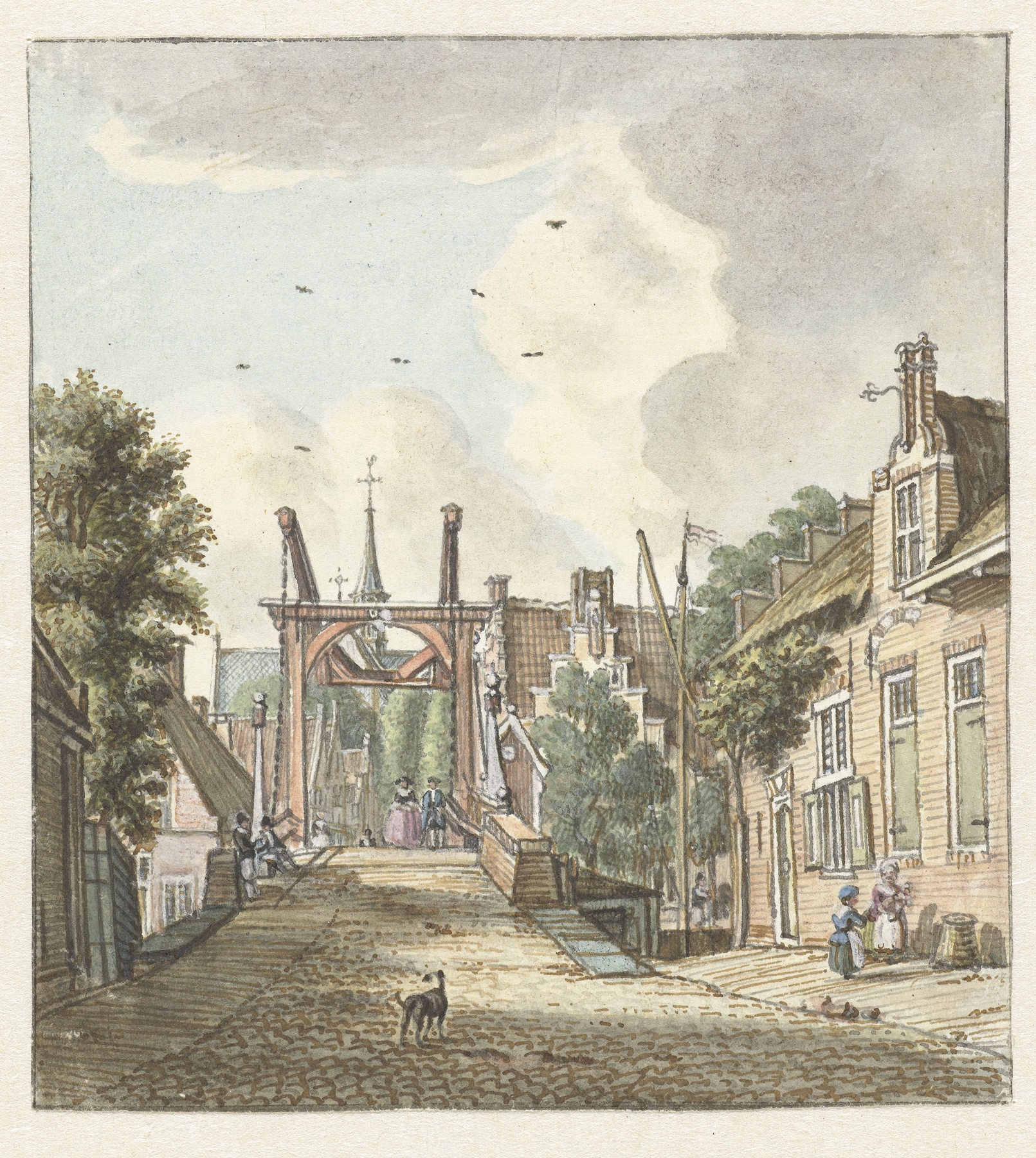
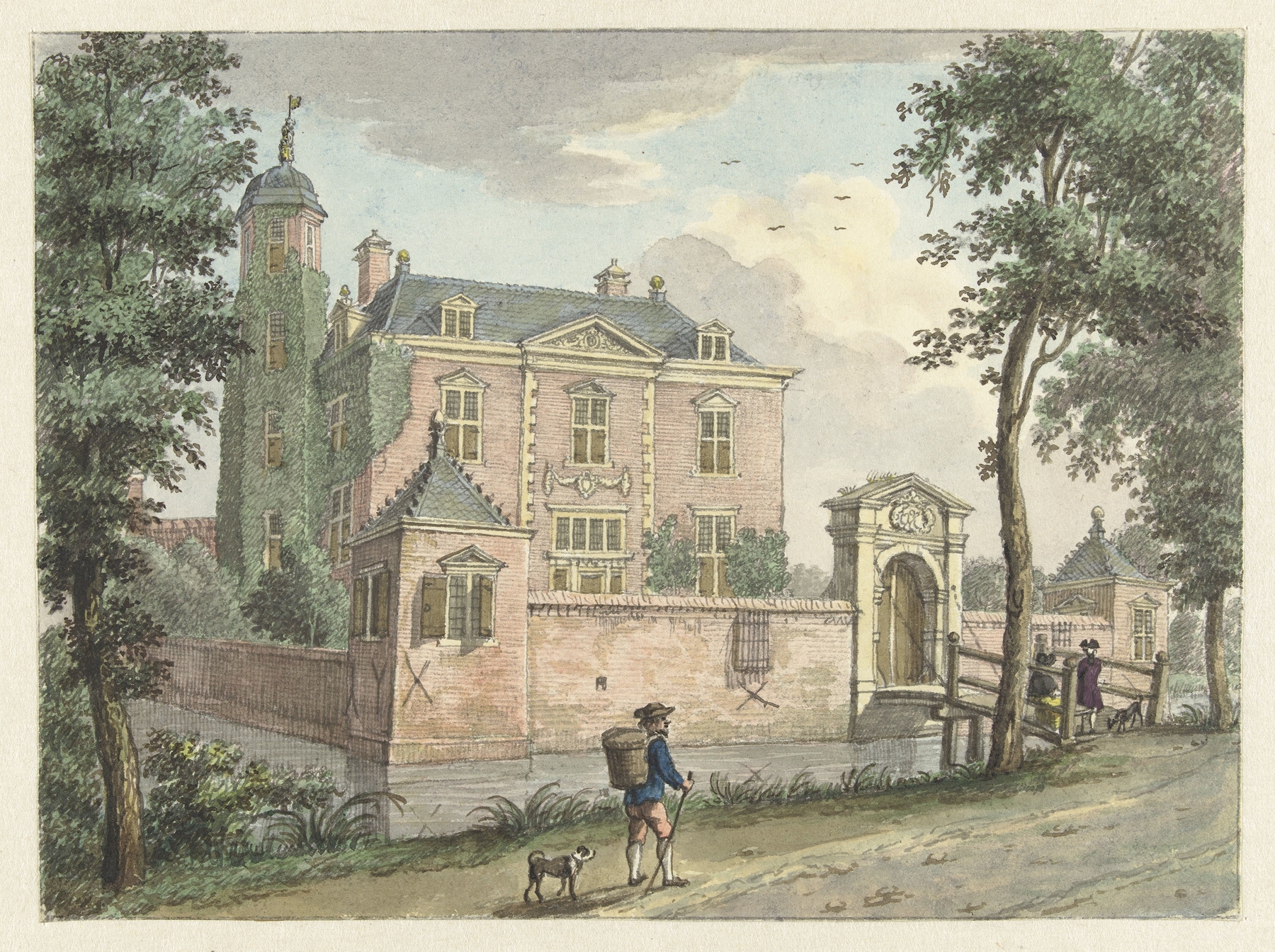
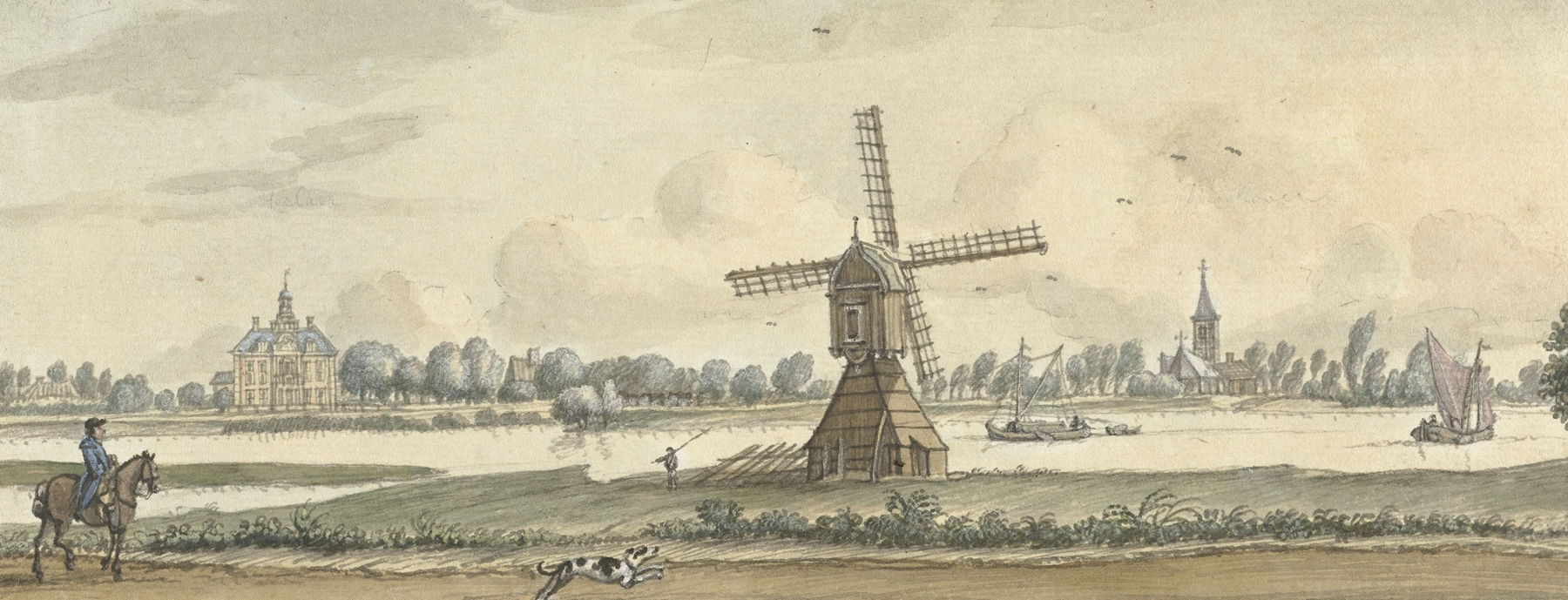
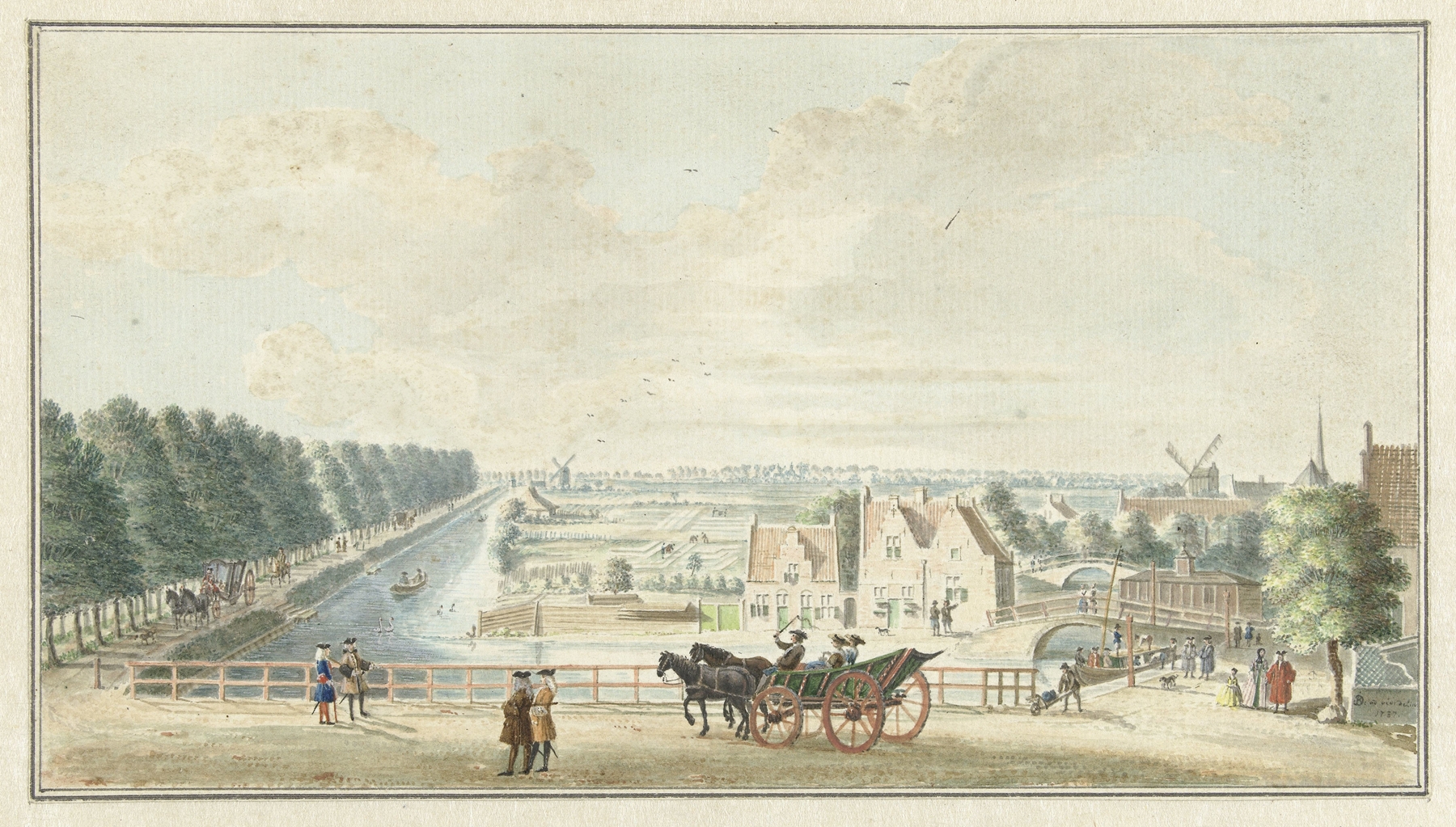
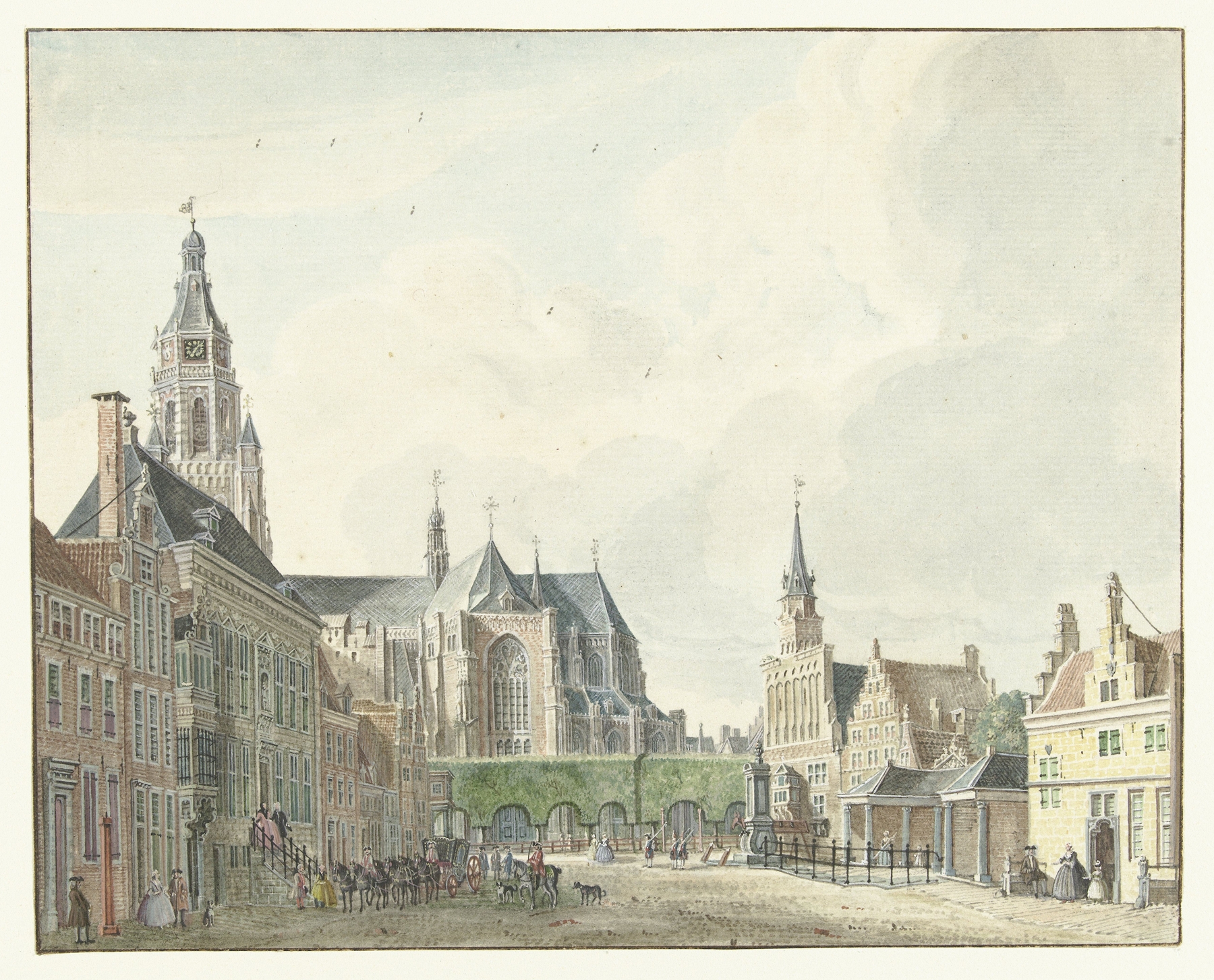
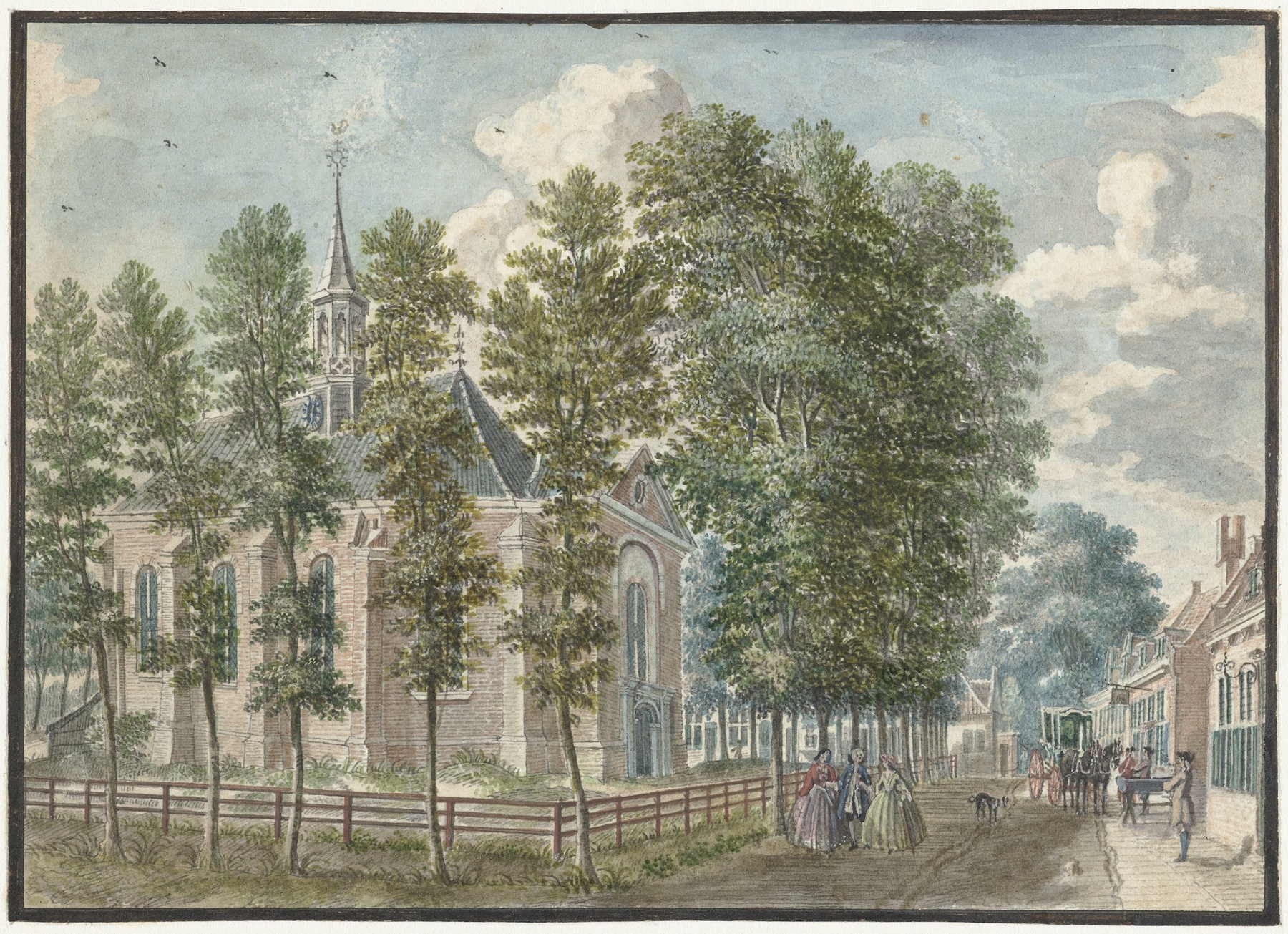
“Every brushstroke is a heartbeat remembered.” In the realm of art, one finds the power to unveil hidden truths, to reveal what lies beneath the surface of the ordinary. As you delve into the canvas, focus on the gentle curves of the landscape that invite you to explore its undulating forms. Notice how the vibrant greens of the meadows contrast with the muted blues of the sky, creating a harmonious dialogue between earth and heavens. The technique employed reveals fine, textured strokes that breathe life into the foliage, while the careful interplay of light and shadow enhances the dimensionality of the scene.
Within this tranquil vista lies a deeper narrative—a tension between serenity and the passage of time. The distance between the foreground and the background seems to echo the ephemeral nature of existence, inviting contemplation on the fleeting moments of beauty. Each detail, from the wisps of clouds to the play of light on the water, draws the viewer into a revelation: that nature holds secrets waiting to be uncovered by those who take a moment to truly see.
In 1742, Jan de Beijer was immersed in a flourishing artistic community in the Netherlands, a time when landscape painting was becoming increasingly celebrated. He captured Loowaerdt while navigating personal and professional transitions, reflecting a growing appreciation for the natural world in art. This work stands as a testament to his skill and his keen observation of the interplay between light and landscape, which was pivotal in shaping the trajectory of Dutch landscape painting.