
Losiny ostrov (Moose island) — History & Facts
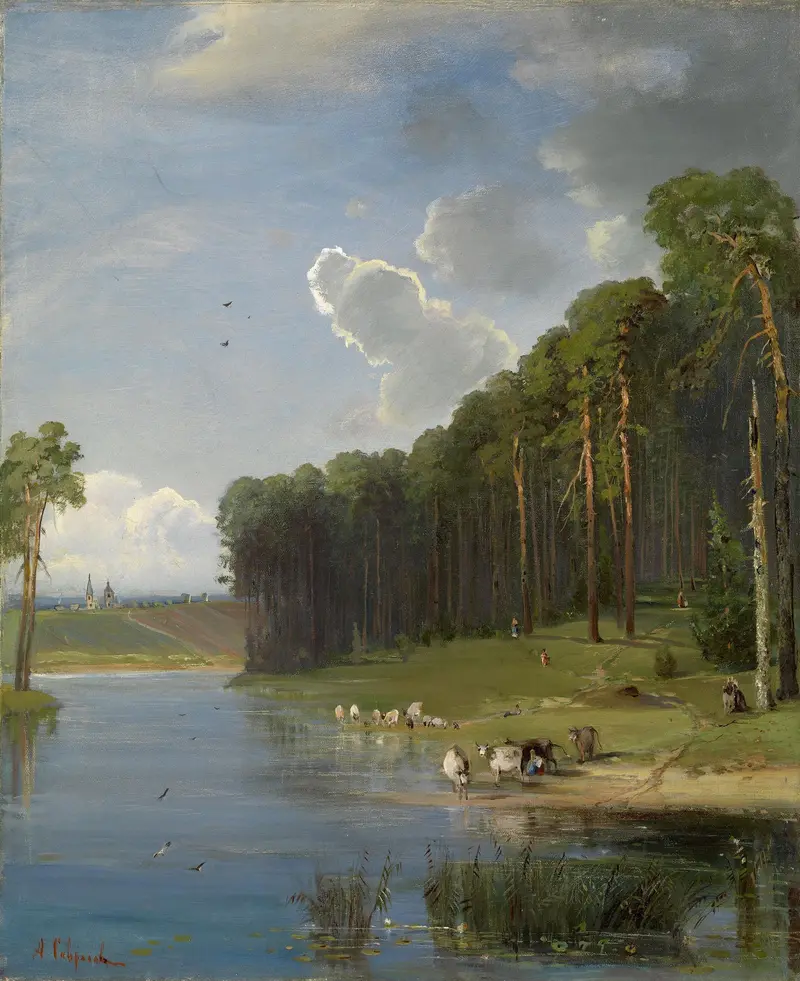
The first thing that catches the eye in Losiny ostrov (Moose island) is the way the forest seems to pause at the water’s edge, as if the trees themselves are quietly watching the cattle wade into the shallows. The painter draws you in along a sunlit path, its wildflowers and grasses rendered with careful attention, inviting you to step into the scene. The tall pines rise in a dense, vertical mass, their trunks catching the last golden light before the forest recedes into shadow.
Overhead, the sky expands in a sweep of cloud, its pale blue broken by the flight of distant birds—tiny, but insistent reminders of movement in a landscape otherwise still. Every detail, from the mirrored water lilies to the cattle cooling off at the far bank, is placed to guide the viewer’s gaze deeper, rewarding patience with new discoveries. Painted in 1881, this work belongs to a period in Russian art when landscape painting was both a celebration of the homeland and a quiet act of observation. Artists like Alexei Kondratievich Savrasov became known for their ability to capture the mood of a place, often for a growing urban audience hungry for reminders of rural beauty.
Such paintings were sometimes commissioned for private homes or collected by the rising middle class, who saw in them both national pride and personal nostalgia. While history has kept few traces of this specific painting beyond its appearance at Christie’s in London, its careful composition and gentle palette speak to a moment when Russian artists, and their patrons, found meaning in the ordinary rhythms of the countryside. The longer you look, the more you sense the quiet confidence with which the artist asks you to linger.
More Artworks by Alexei Kondratievich Savrasov
Pastoral scene
Alexei Kondratievich Savrasov
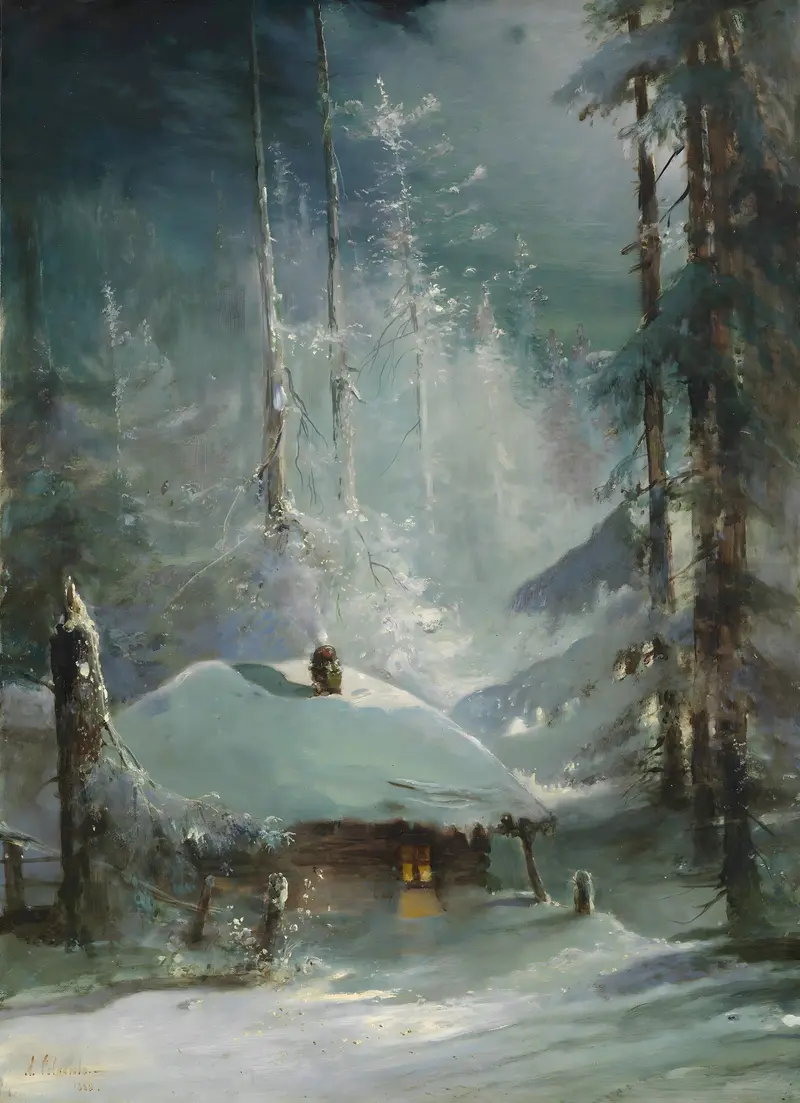
Hut in a wintry forest Object type painting
Alexei Kondratievich Savrasov
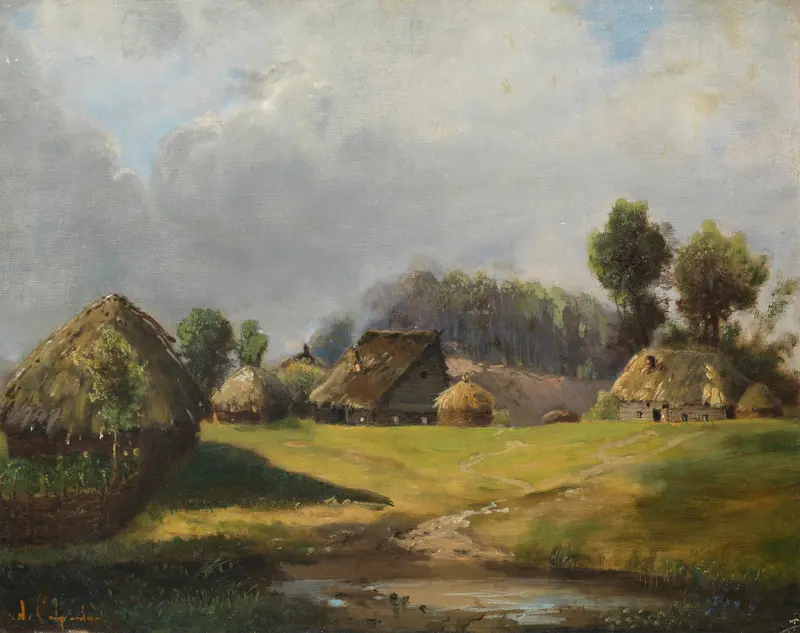
Village by the forest
Alexei Kondratievich Savrasov
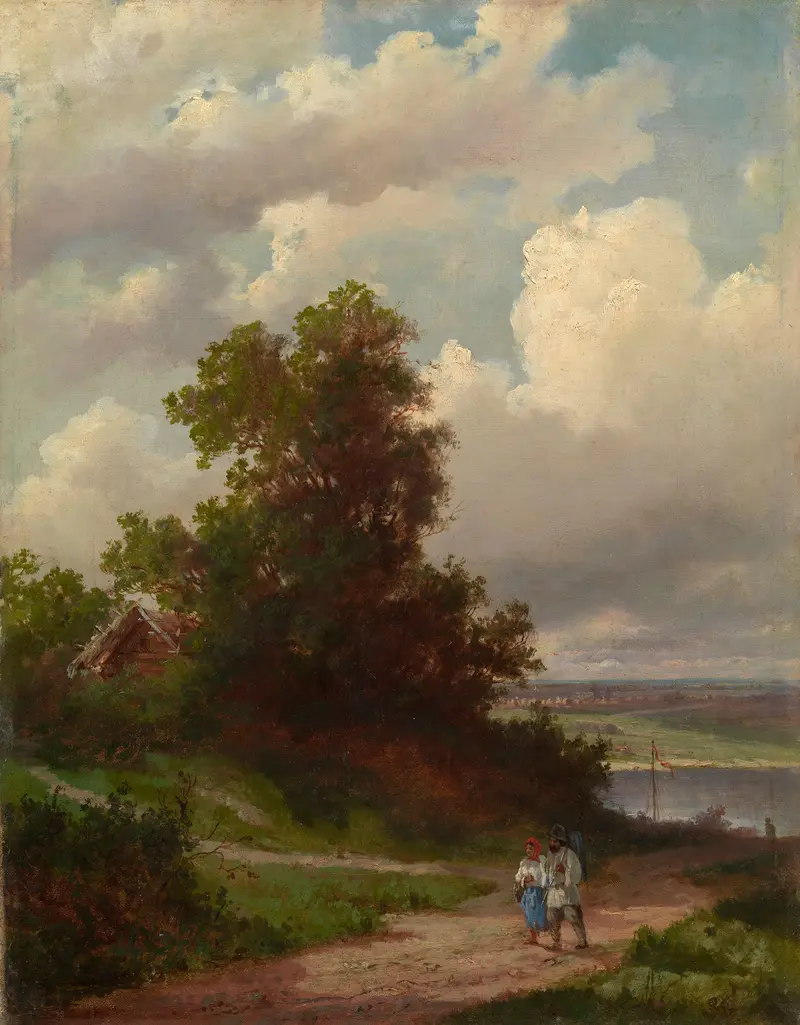
Road by the Volga river
Alexei Kondratievich Savrasov
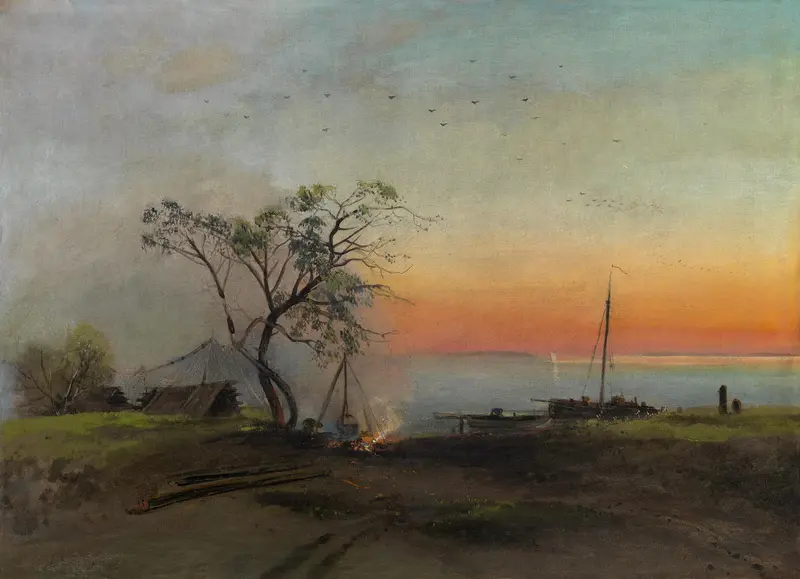
Fishermen on the Volga
Alexei Kondratievich Savrasov
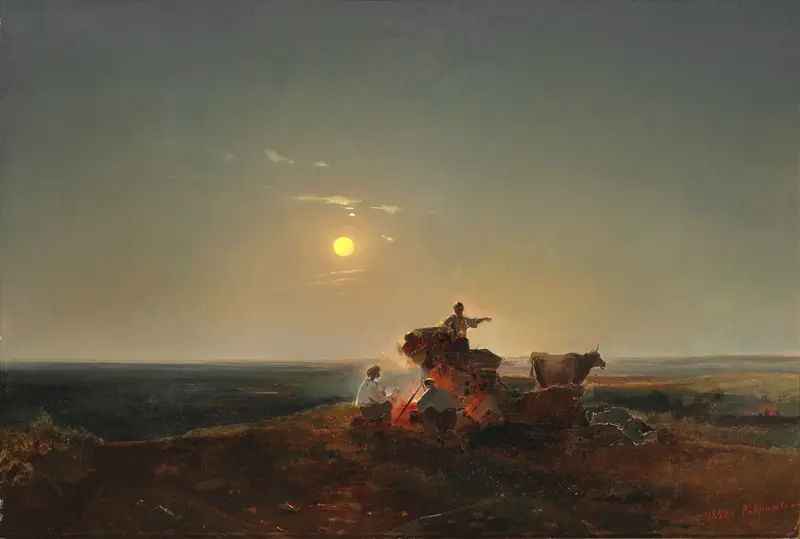
Nomads around a fire on the plain in moonlight
Alexei Kondratievich Savrasov
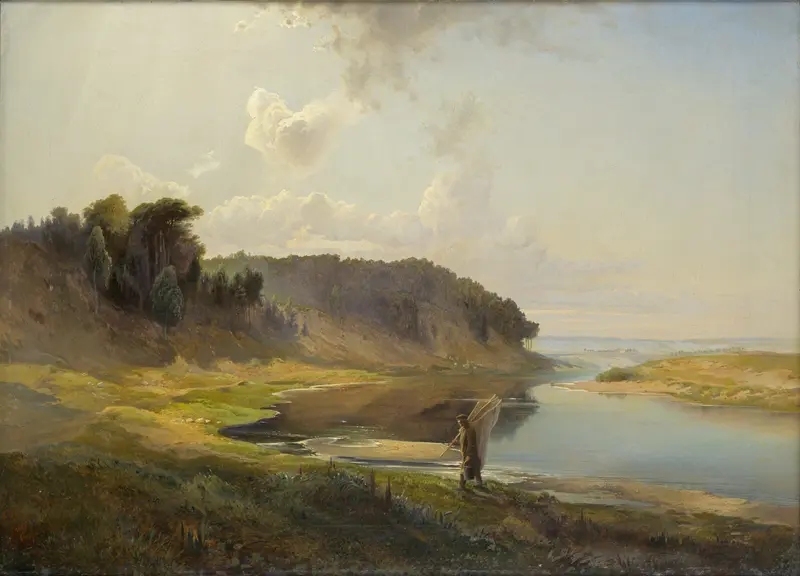
Landscape with a river and angler
Alexei Kondratievich Savrasov
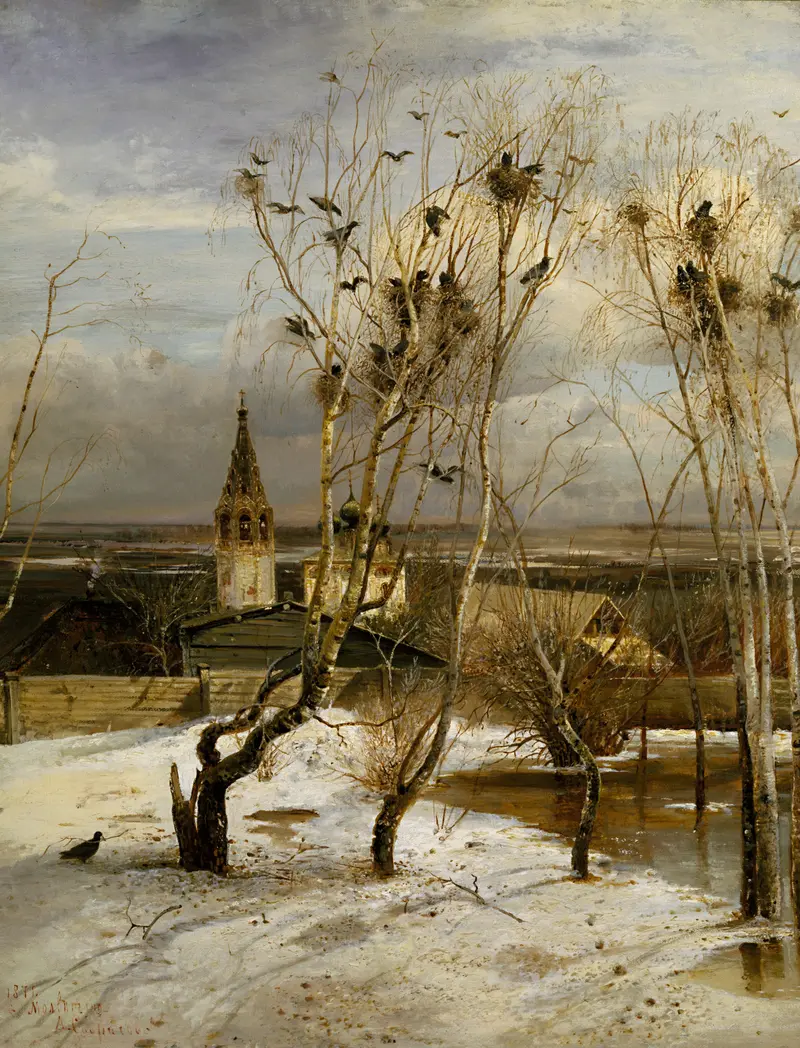
The Rooks Have Returned
Alexei Kondratievich Savrasov
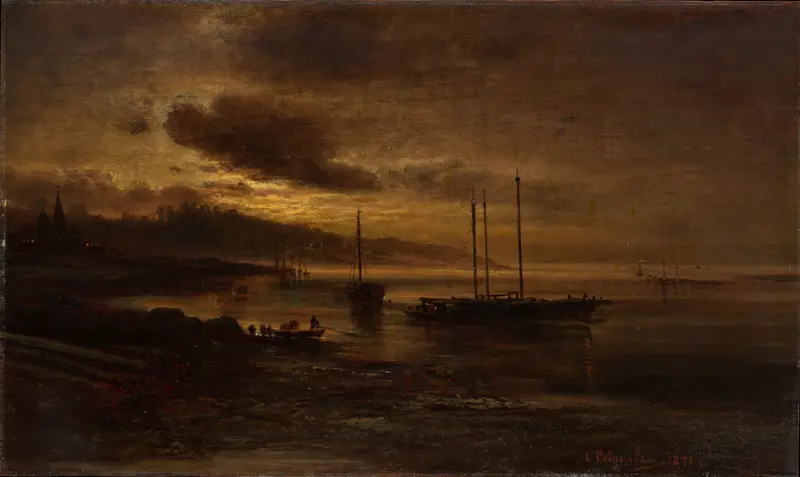
Night Scene on the Volga
Alexei Kondratievich Savrasov
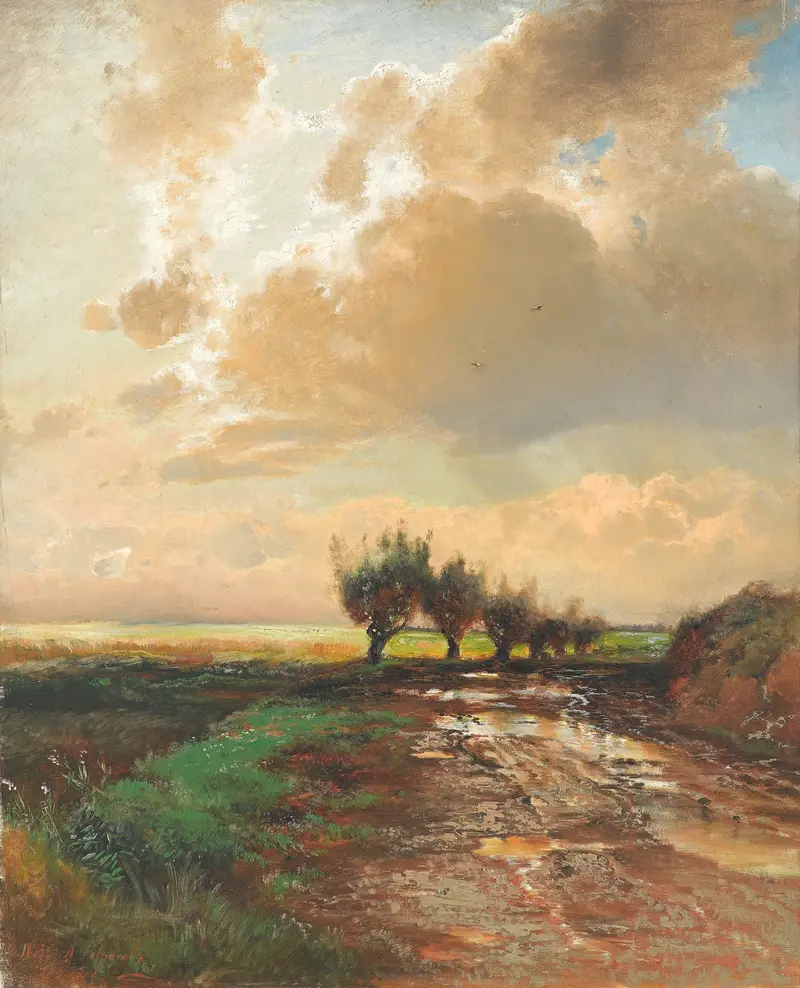
Country road
Alexei Kondratievich Savrasov
More Landscape Art

The Starry Night
Vincent van Gogh

View of Delft
Johannes Vermeer

Water Lilies
Claude Monet

The Grand Canal, Venice, looking north-west from the Ca' Corner to the Ca' Contarini degli Scrigni, with the campanile of Santa Maria della Carità
Canaletto

Windsor Castle
Canaletto

The Grand Canal looking North-East from the Palazzo Dolfin-Manin to the Rialto Bridge
Canaletto