
Night Scene on the Volga — History & Facts
A hush falls across the Volga as dusk thickens, and the last embers of daylight struggle through a heavy sky. The eye is drawn first to the luminous band at the horizon, where gold and ochre slice through the gloom, hinting at both the close of day and the promise of movement—barges moored and small boats drifting, their silhouettes etched against the water’s slow shimmer. The clustered masts and distant church spires anchor the scene in a world both real and half-remembered, while the darkness at the riverbank presses in, broken only by the faintest glimmer of reflected light.
Every brushstroke seems to weigh the balance between stillness and anticipation, as if the river itself is holding its breath. Painted in 1871, this work by Alexei Kondratievich Savrasov belongs to a period when Russian landscape painting was finding its own voice, moving beyond decorative views to capture the soul of place and time. The Volga, lifeblood of Russian commerce and folklore, was a favorite subject for artists seeking to express the vastness and quiet drama of their homeland. Works like this, now in the Metropolitan Museum of Art, were rarely made for grand salons; they spoke instead to a growing middle class eager for images that resonated with national identity and personal memory.
History has kept few traces of this particular painting’s journey, but its brooding quiet invites us to linger, to follow the line of light as it fades into night.
More Artworks by Alexei Kondratievich Savrasov
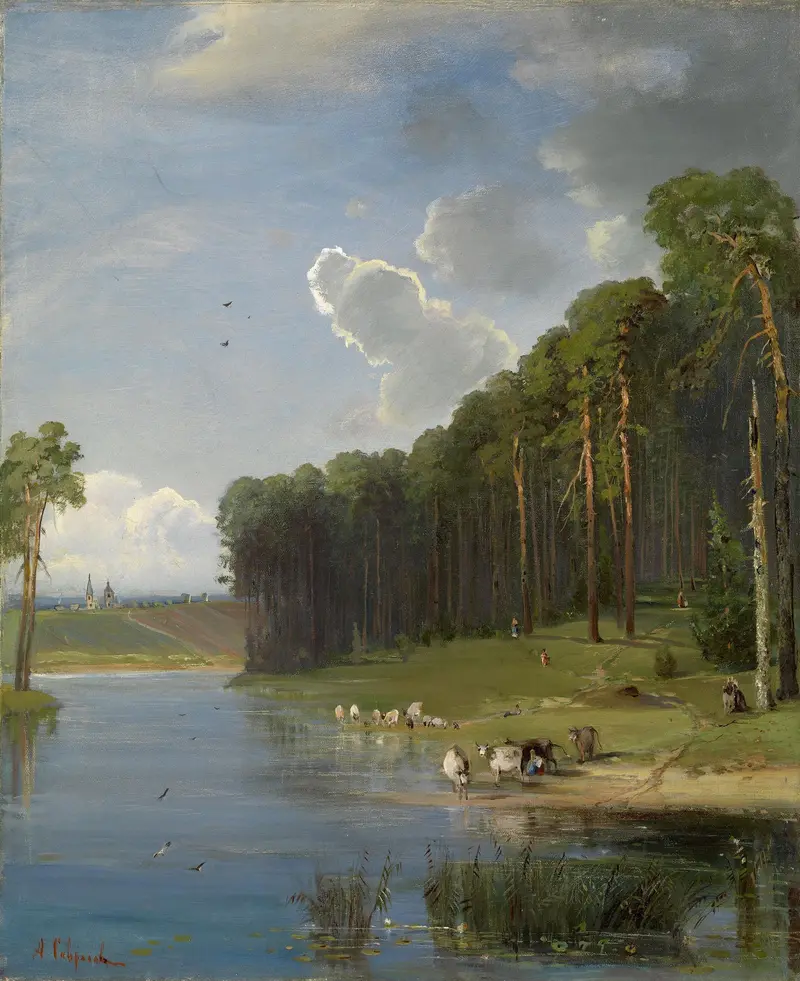
Pastoral scene
Alexei Kondratievich Savrasov
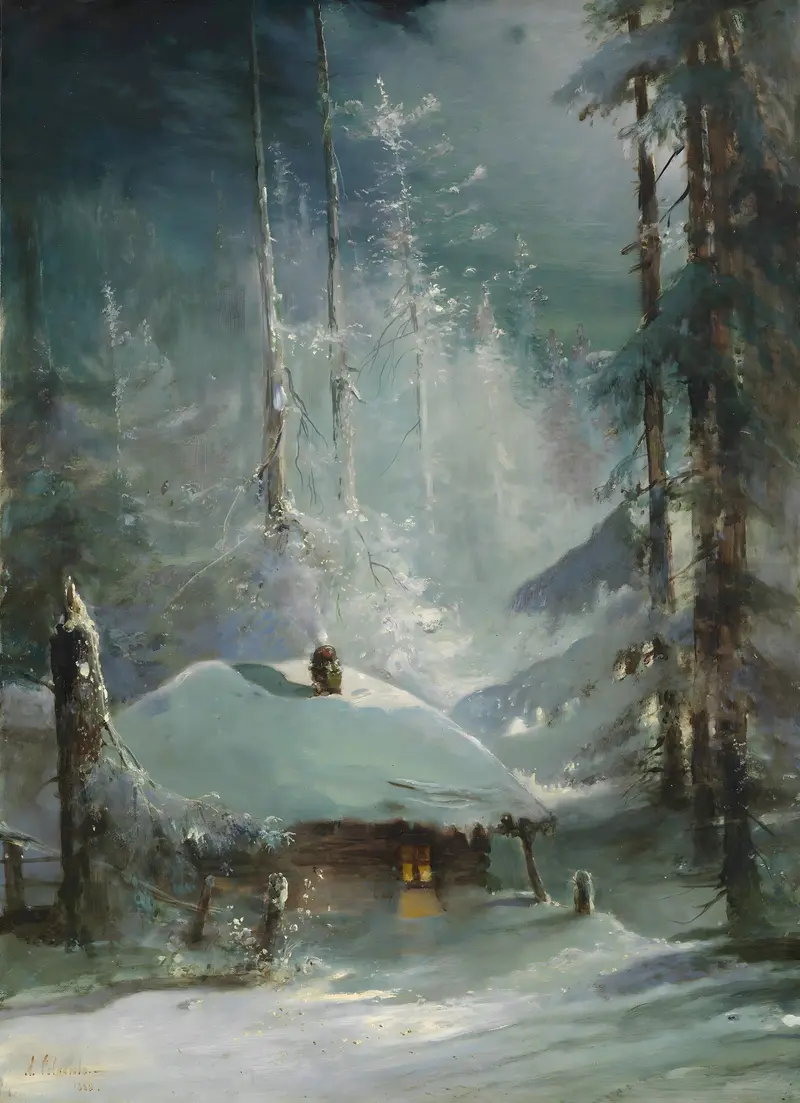
Hut in a wintry forest Object type painting
Alexei Kondratievich Savrasov
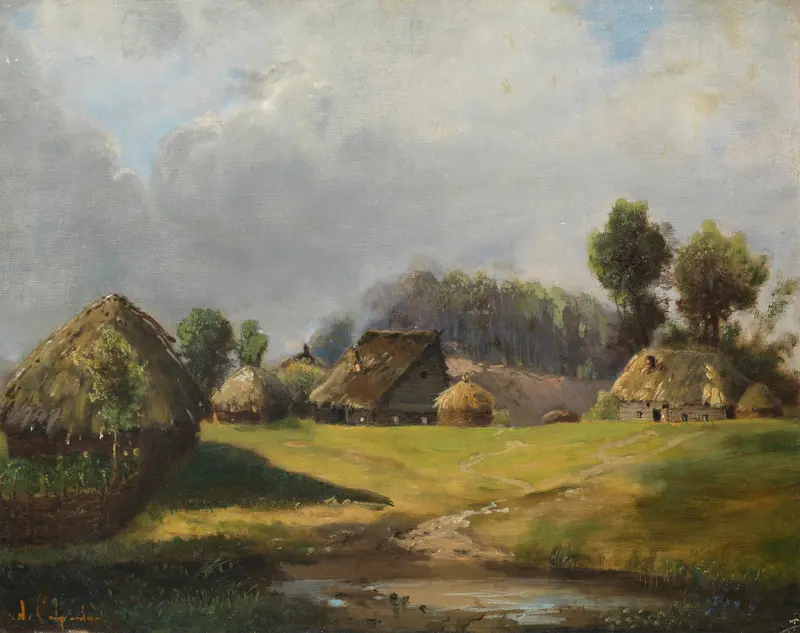
Village by the forest
Alexei Kondratievich Savrasov
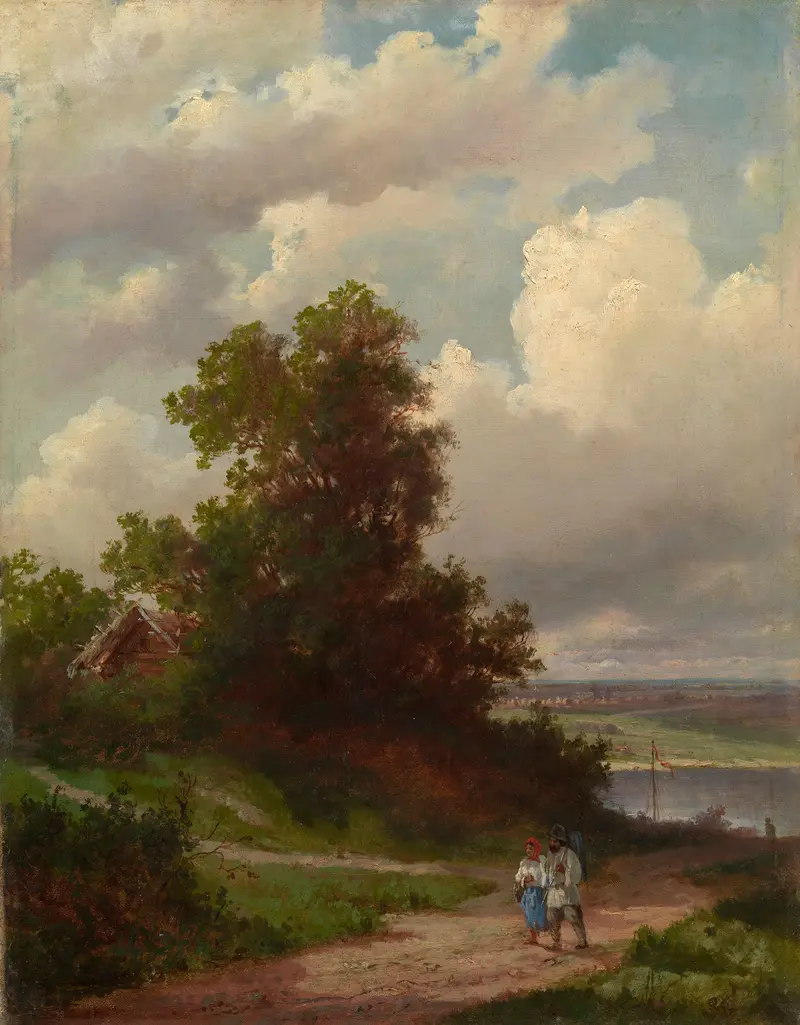
Road by the Volga river
Alexei Kondratievich Savrasov
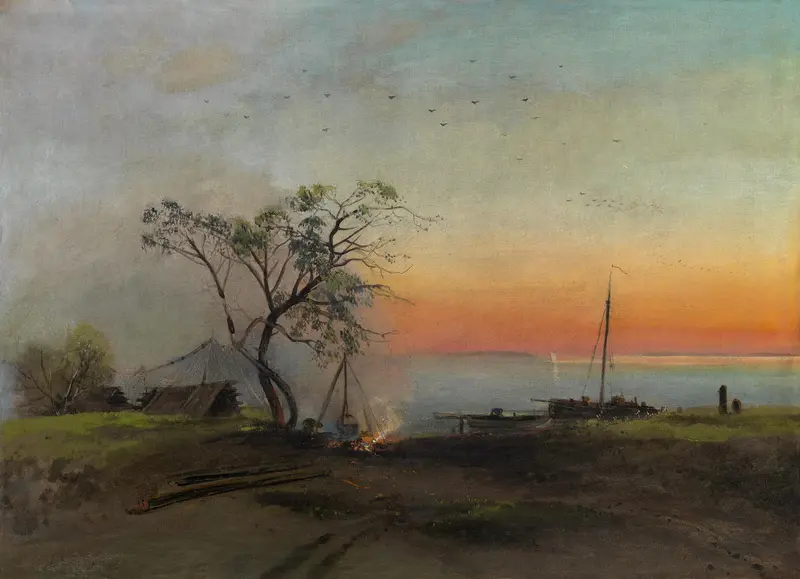
Fishermen on the Volga
Alexei Kondratievich Savrasov
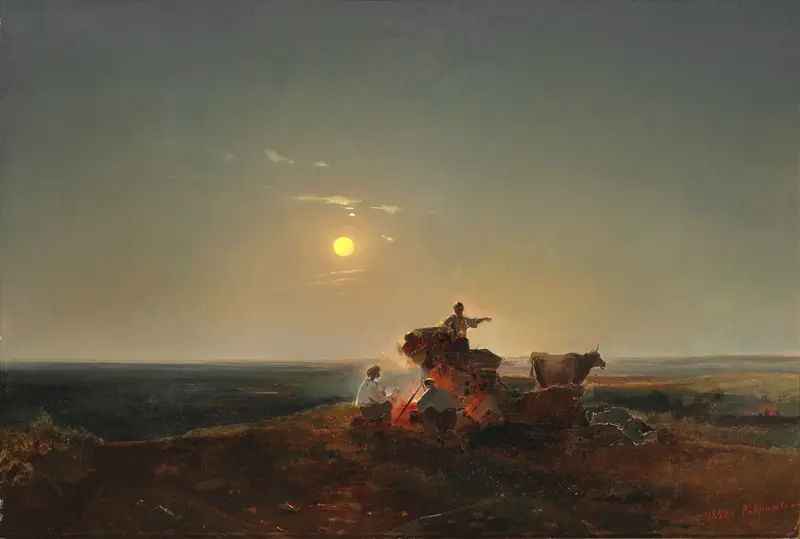
Nomads around a fire on the plain in moonlight
Alexei Kondratievich Savrasov
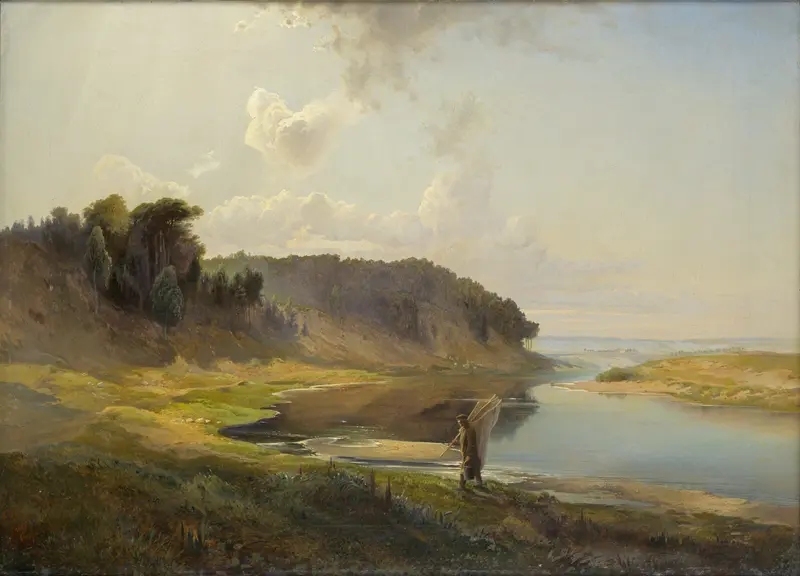
Landscape with a river and angler
Alexei Kondratievich Savrasov
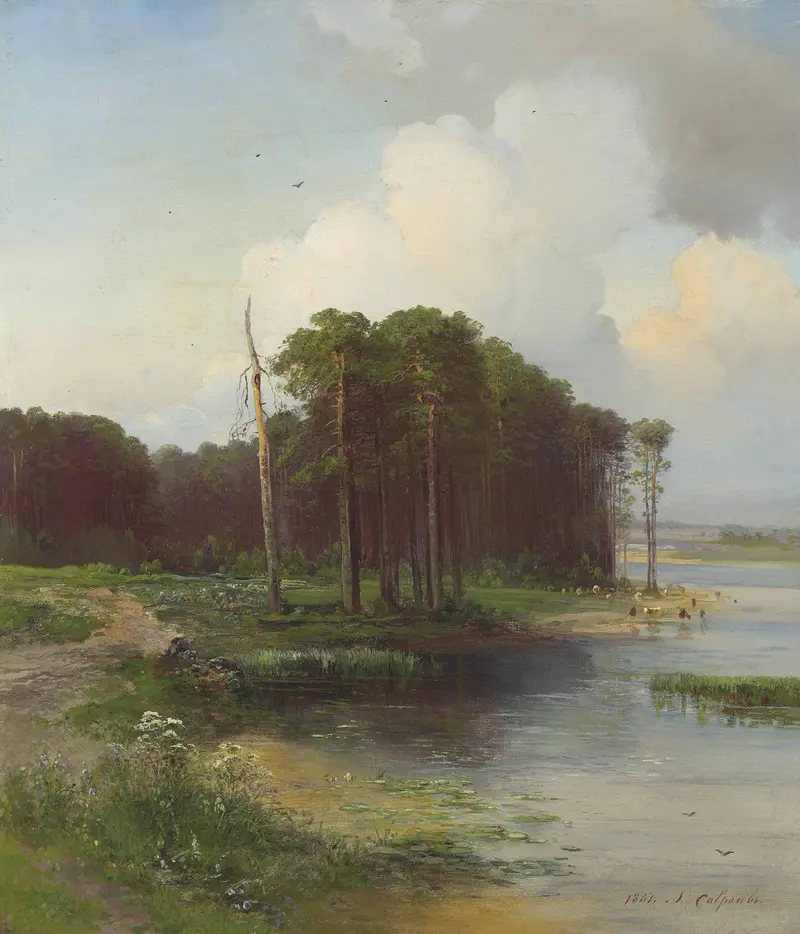
Losiny ostrov (Moose island)
Alexei Kondratievich Savrasov
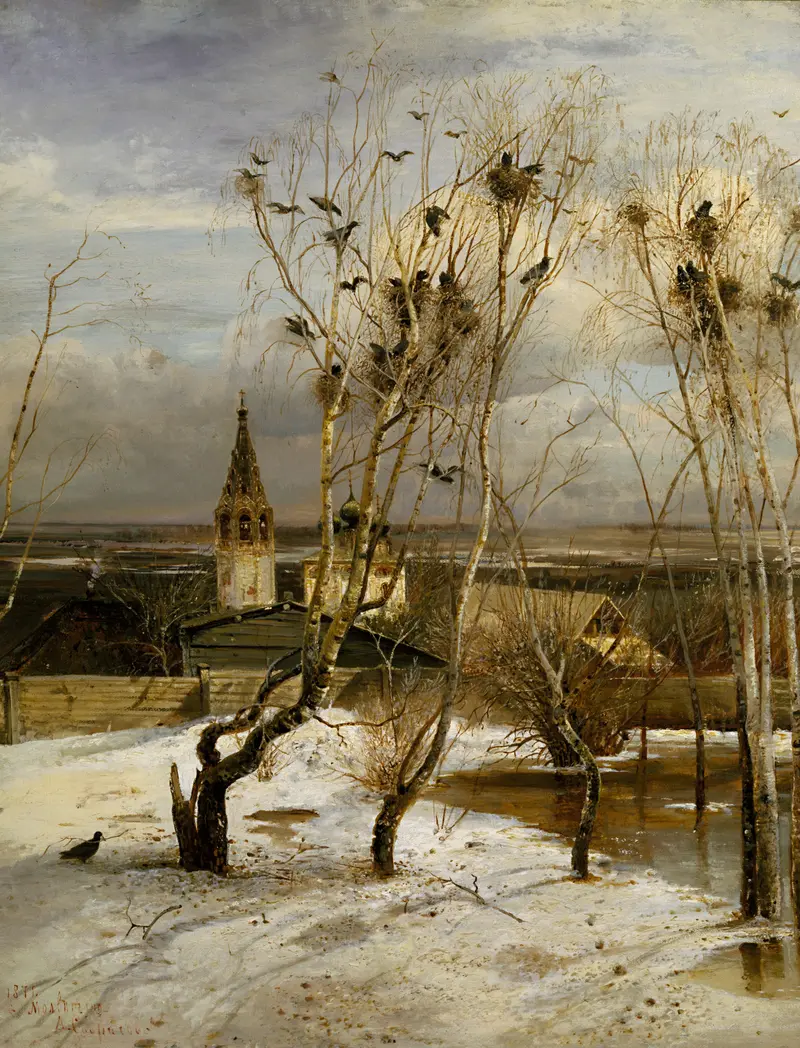
The Rooks Have Returned
Alexei Kondratievich Savrasov
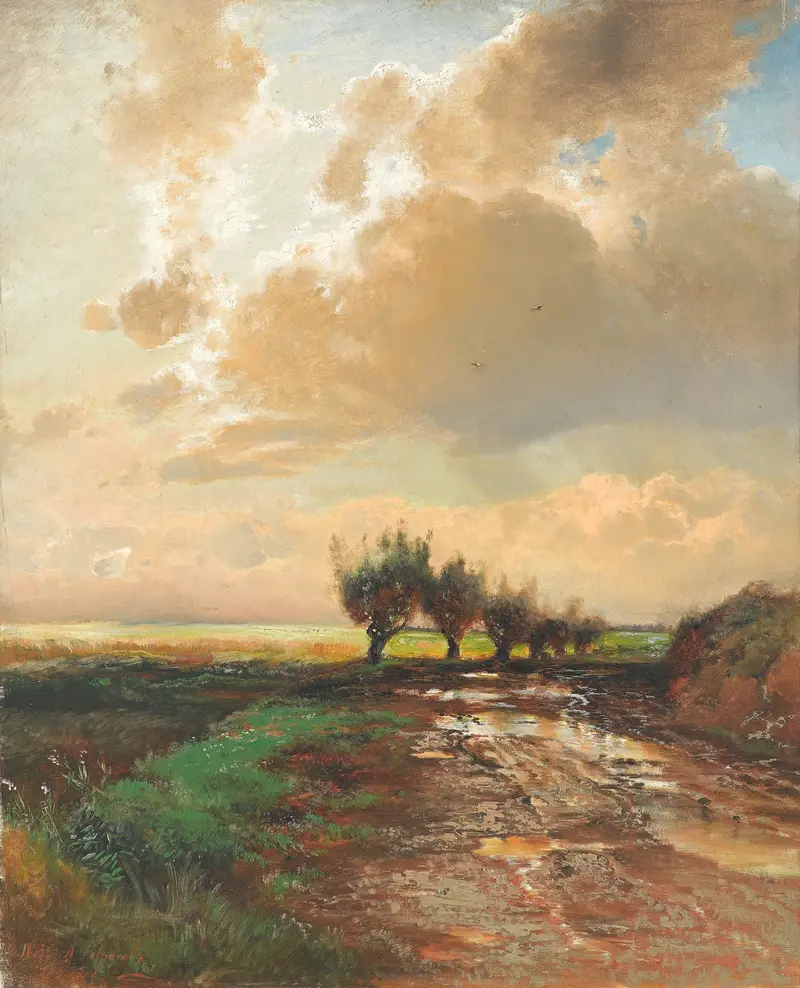
Country road
Alexei Kondratievich Savrasov
More Landscape Art

The Starry Night
Vincent van Gogh

View of Delft
Johannes Vermeer

Water Lilies
Claude Monet

The Grand Canal, Venice, looking north-west from the Ca' Corner to the Ca' Contarini degli Scrigni, with the campanile of Santa Maria della Carità
Canaletto

Windsor Castle
Canaletto

The Grand Canal looking North-East from the Palazzo Dolfin-Manin to the Rialto Bridge
Canaletto