
The Rooks Have Returned — History & Facts
The restless gathering of rooks in the bare treetops instantly draws the eye, their black forms clustered around nests like notes on a staff. The land below is caught in the uneasy pause between winter and spring: snow still clings to the ground, but meltwater pools around the trees, reflecting a sky that is heavy with promise and uncertainty. The church spire rises quietly in the background, its weathered walls and golden cross giving the whole scene a sense of rootedness, as if the village and the birds alike are waiting for the world to turn green again.
The painter’s brush lingers on the thin, twisting trunks and the delicate tangle of branches, each stroke suggesting both fragility and persistence. Painted in 1871, The Rooks Have Returned belongs to a moment in Russian art when landscape painting was charged with new meaning and emotion. Artists like Alexei Kondratievich Savrasov turned their attention to the rural heartland, capturing not just the look of the countryside, but its rhythms and moods. Such works were often created for a growing urban audience hungry for images of a vanishing rural life, and for collectors who prized the truthful rendering of nature.
While the details of this specific painting’s journey through history are not widely recorded, its presence today in the Google Arts & Culture collection lets us see through the eyes of a 19th-century observer, standing on the threshold of spring, watching the rooks return to their ancient nests. Look again at the sky—how it seems to hold its breath—and imagine the sound of wings overhead.
More Artworks by Alexei Kondratievich Savrasov
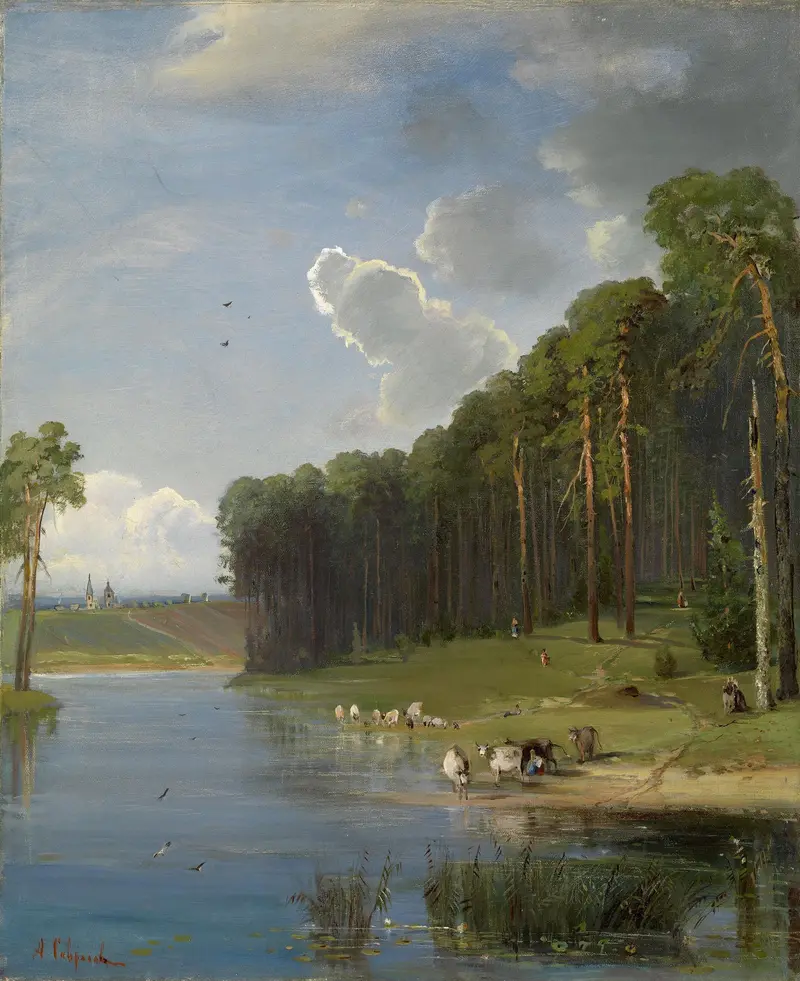
Pastoral scene
Alexei Kondratievich Savrasov
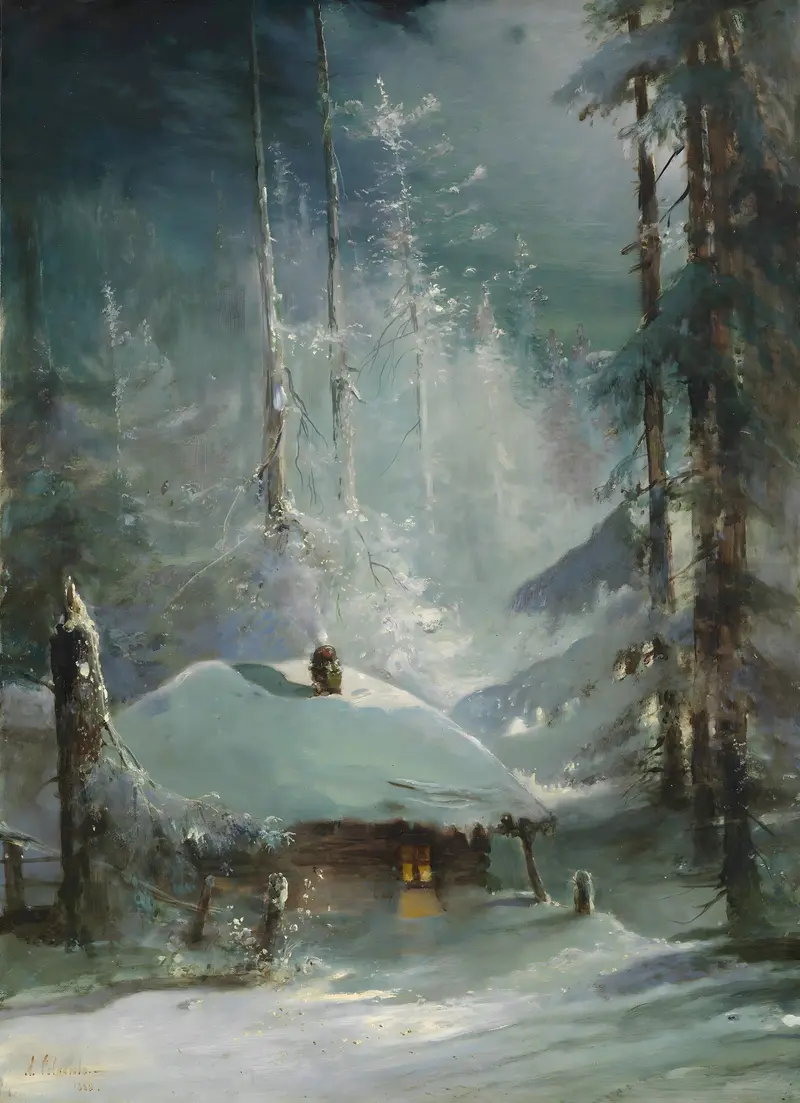
Hut in a wintry forest Object type painting
Alexei Kondratievich Savrasov
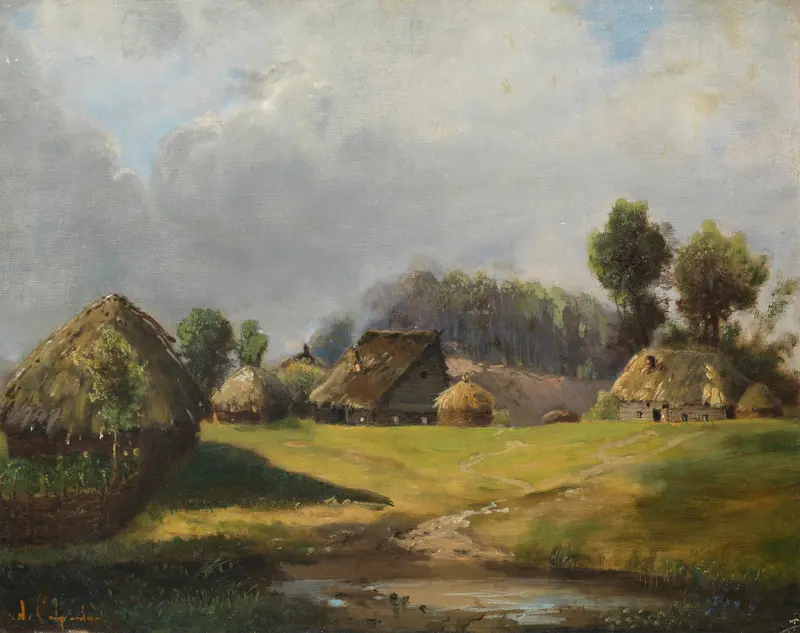
Village by the forest
Alexei Kondratievich Savrasov
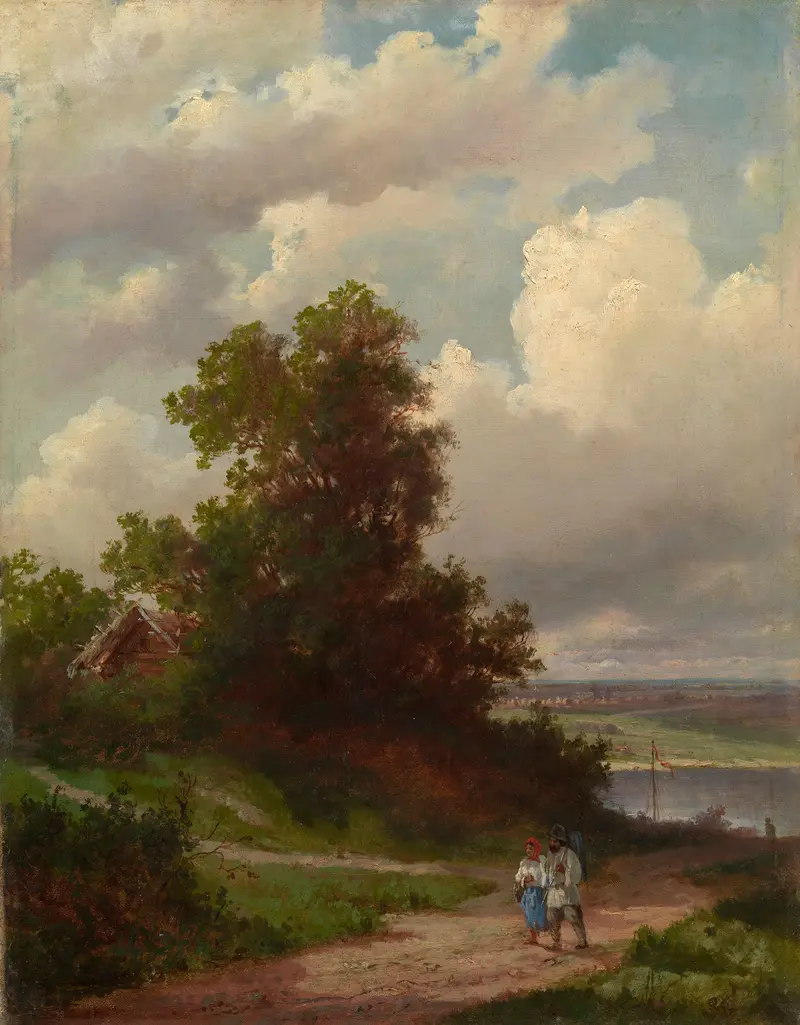
Road by the Volga river
Alexei Kondratievich Savrasov
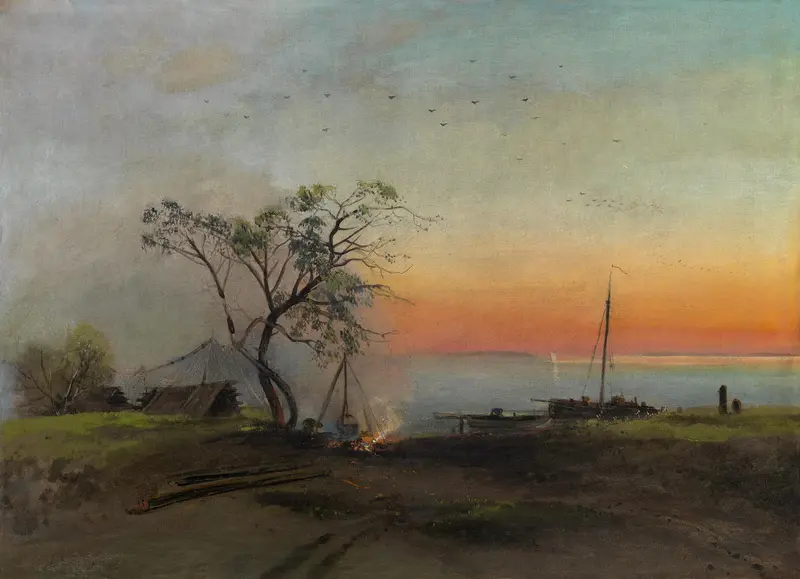
Fishermen on the Volga
Alexei Kondratievich Savrasov
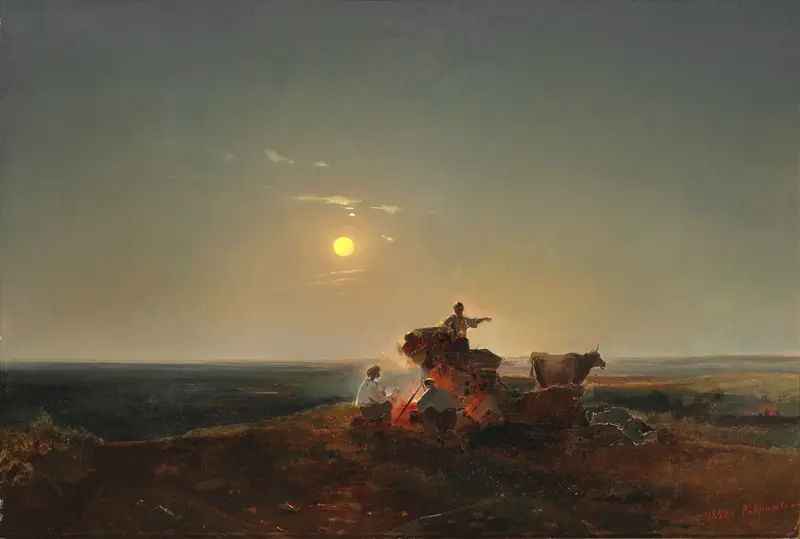
Nomads around a fire on the plain in moonlight
Alexei Kondratievich Savrasov
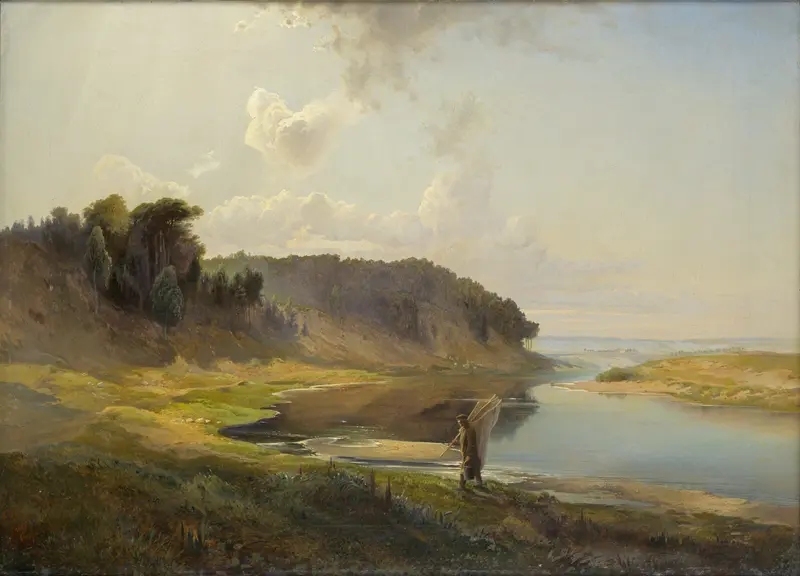
Landscape with a river and angler
Alexei Kondratievich Savrasov
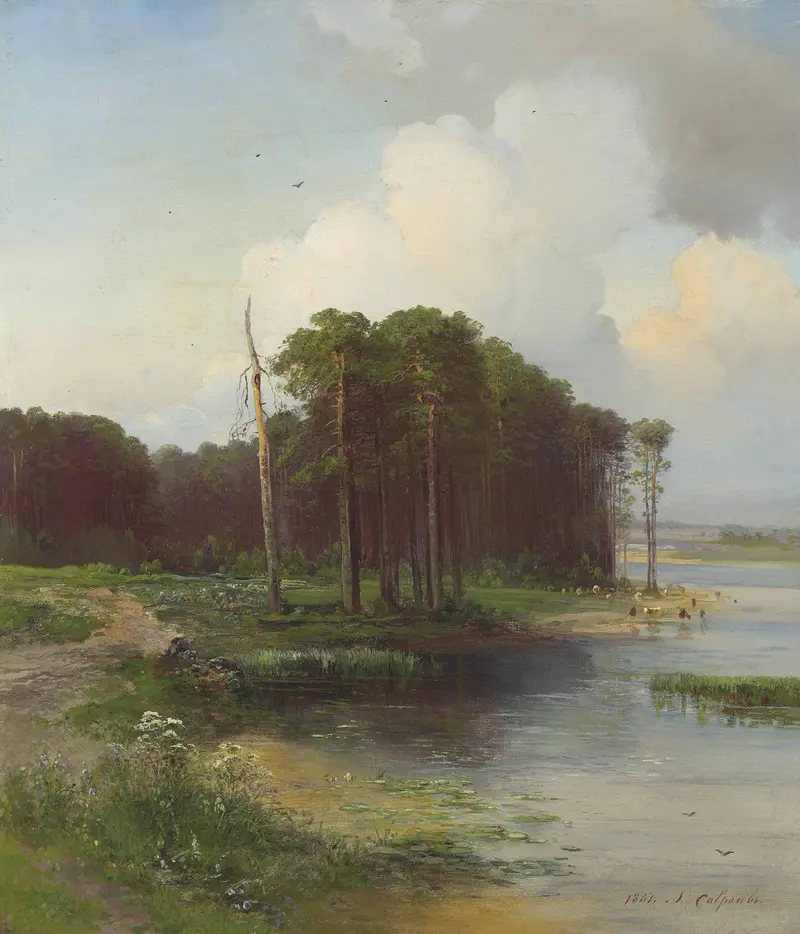
Losiny ostrov (Moose island)
Alexei Kondratievich Savrasov
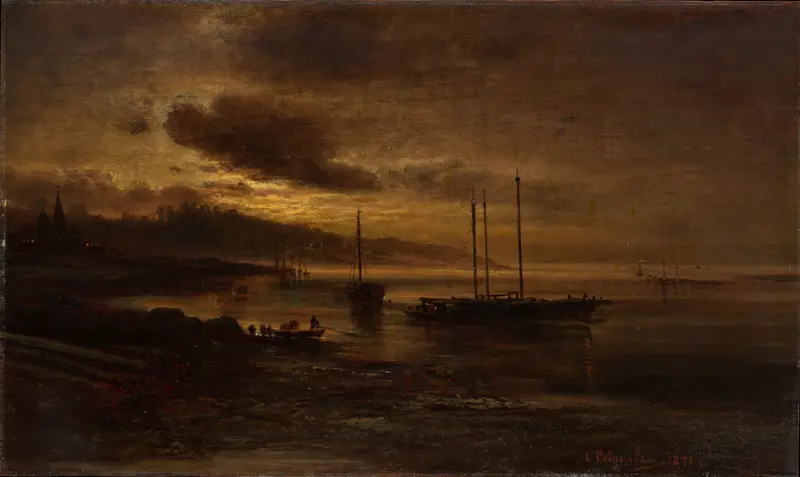
Night Scene on the Volga
Alexei Kondratievich Savrasov
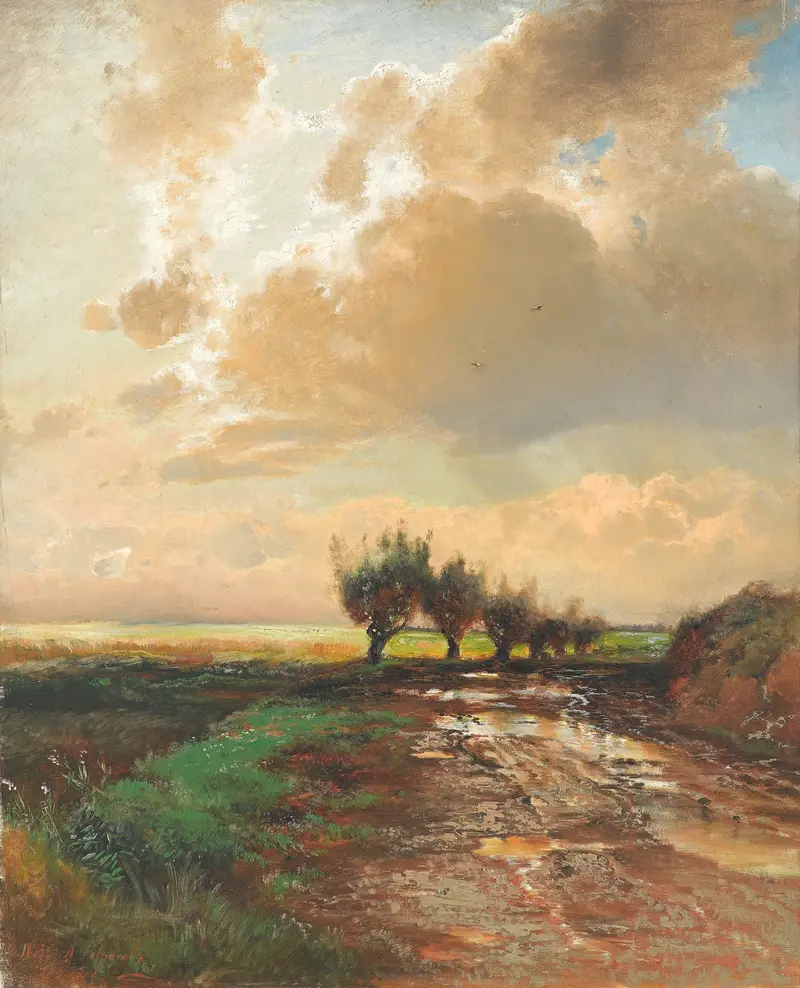
Country road
Alexei Kondratievich Savrasov
More Landscape Art

The Starry Night
Vincent van Gogh

View of Delft
Johannes Vermeer

Water Lilies
Claude Monet

The Grand Canal, Venice, looking north-west from the Ca' Corner to the Ca' Contarini degli Scrigni, with the campanile of Santa Maria della Carità
Canaletto

Windsor Castle
Canaletto

The Grand Canal looking North-East from the Palazzo Dolfin-Manin to the Rialto Bridge
Canaletto