
Lot and His Daughters [reverse] — History & Facts
A single shaft of light slices the gloom, illuminating three figures caught in a moment of uneasy intimacy. The artist’s hand lingers on the tension between closeness and discomfort: Lot, his daughters pressed to either side, is rendered with a gravity that makes the viewer hesitate. The composition’s tightness draws the eye to their faces—Lot’s averted gaze, the daughters’ intent expressions—while the landscape behind them is little more than a suggestion, as if the world beyond has fallen away.
Dürer’s palette here is subdued, earthy, and the figures’ gestures are deliberate: one daughter’s hand rests on her father’s shoulder, the other clasps a vessel, hinting at the story’s darker undertones. The light does not flatter; it interrogates, exposing the ambiguity of the moment. Painted between circa 1496 and 1499, and now in the National Gallery of Art, Washington, D.C., this image occupies the reverse of Dürer’s Madonna and Child, a pairing that speaks to the era’s fascination with dualities—sin and redemption, Old Testament severity and New Testament grace. Works like this, often commissioned for private devotion or as portable altarpieces, offered viewers a chance to contemplate both the frailty and resilience of humanity.
In the late fifteenth century, artists in German-speaking lands were experimenting with oil and tempera, pushing the boundaries of narrative and emotion. History has kept few traces of this painting’s early life, but its survival on the back of a more familiar image invites us to look again, to search for meaning in the shadows as much as the light.
More Artworks by Albrecht Dürer

Melancholia
Albrecht Dürer

St. George and the dragon.
Albrecht Dürer
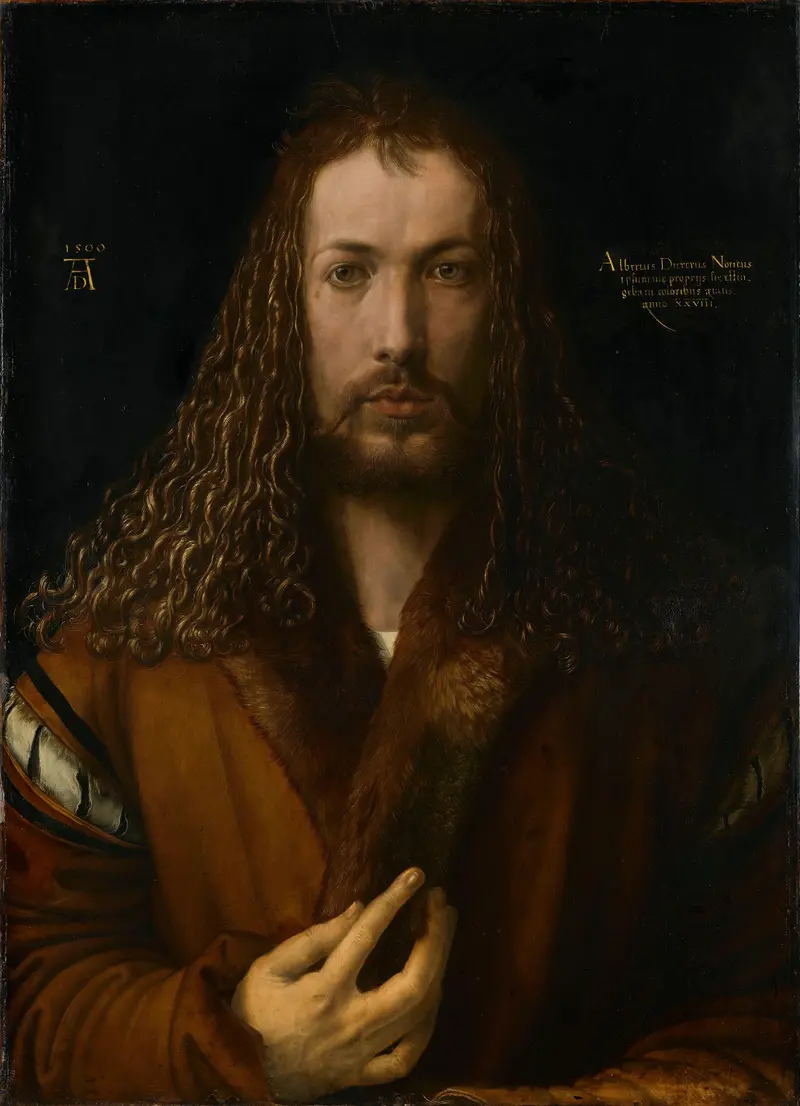
Self-Portrait with Fur-Trimmed Robe
Albrecht Dürer

Wing of a European Roller
Albrecht Dürer
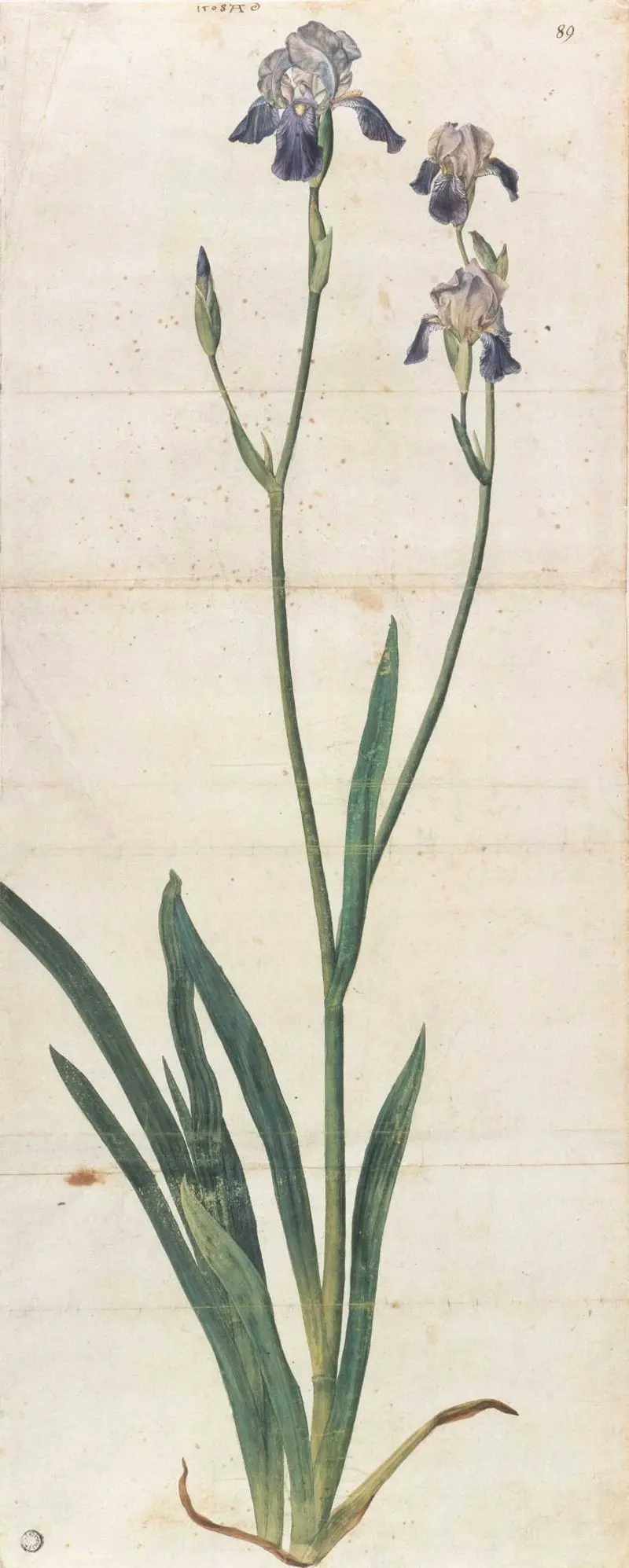
Iris
Albrecht Dürer
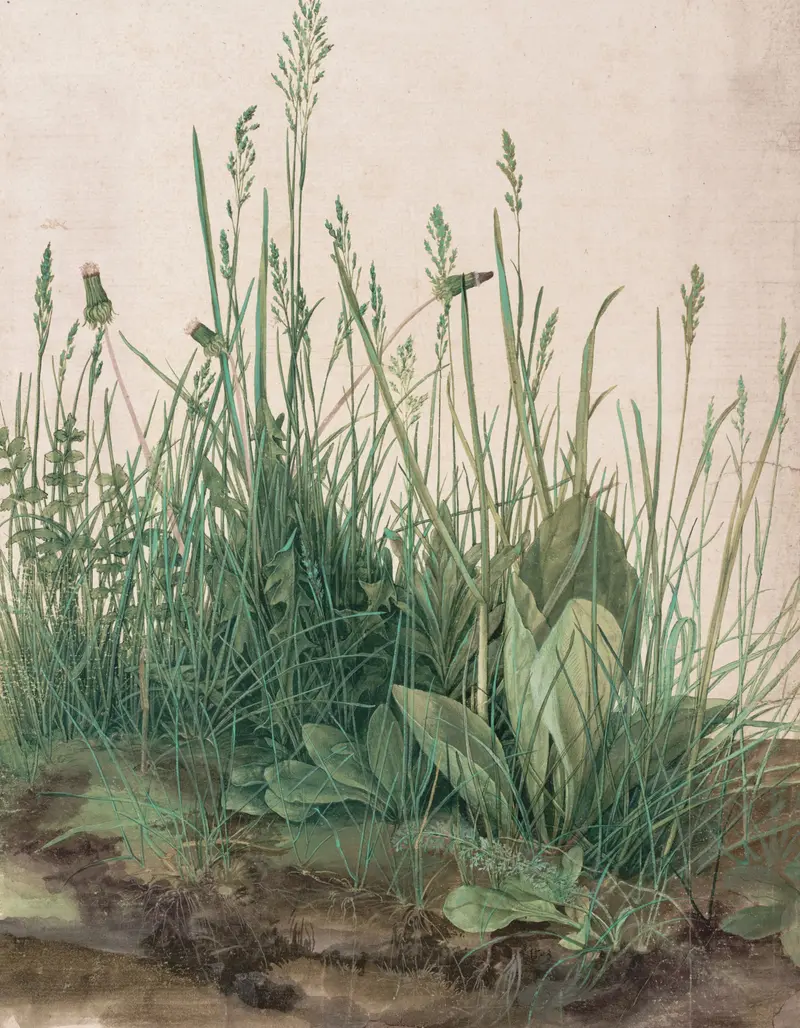
The Great Piece of Turf
Albrecht Dürer
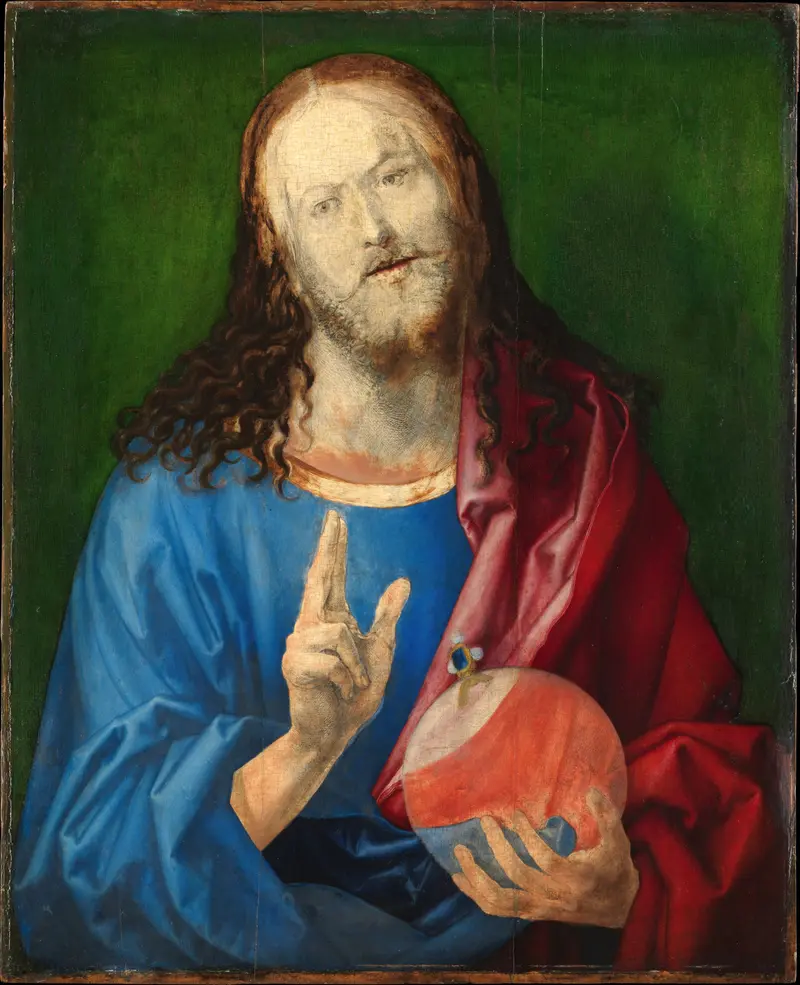
Salvator Mundi
Albrecht Dürer
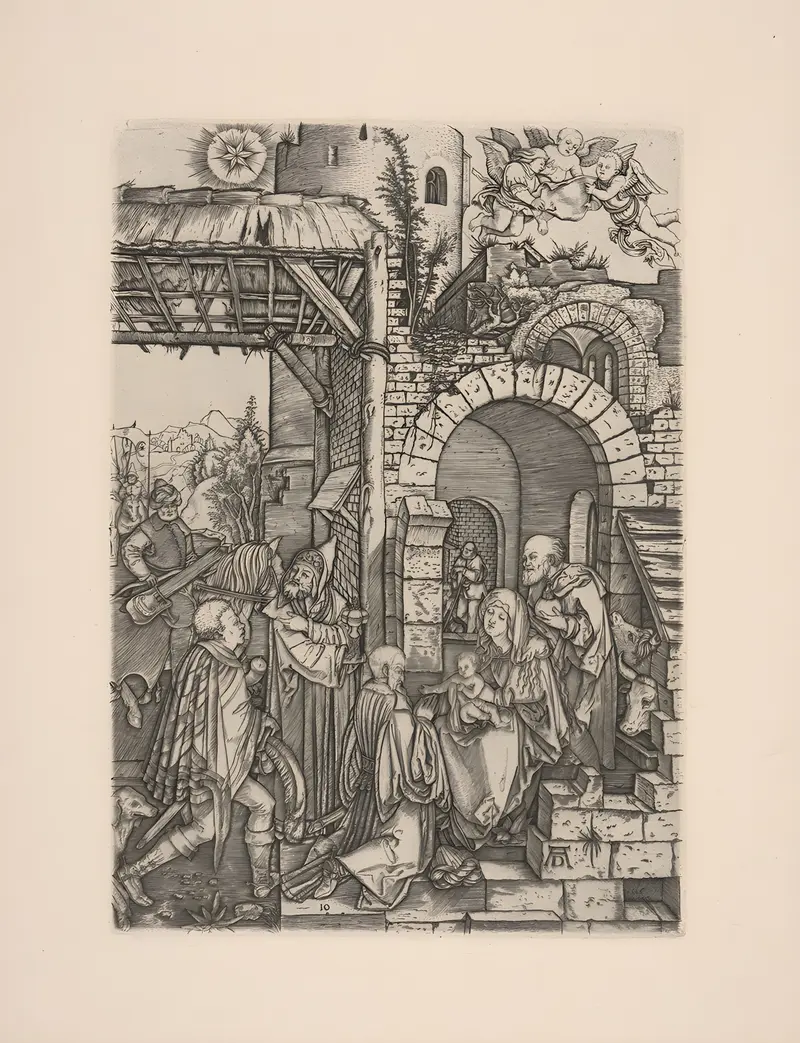
The Adoration of the Magi
Albrecht Dürer
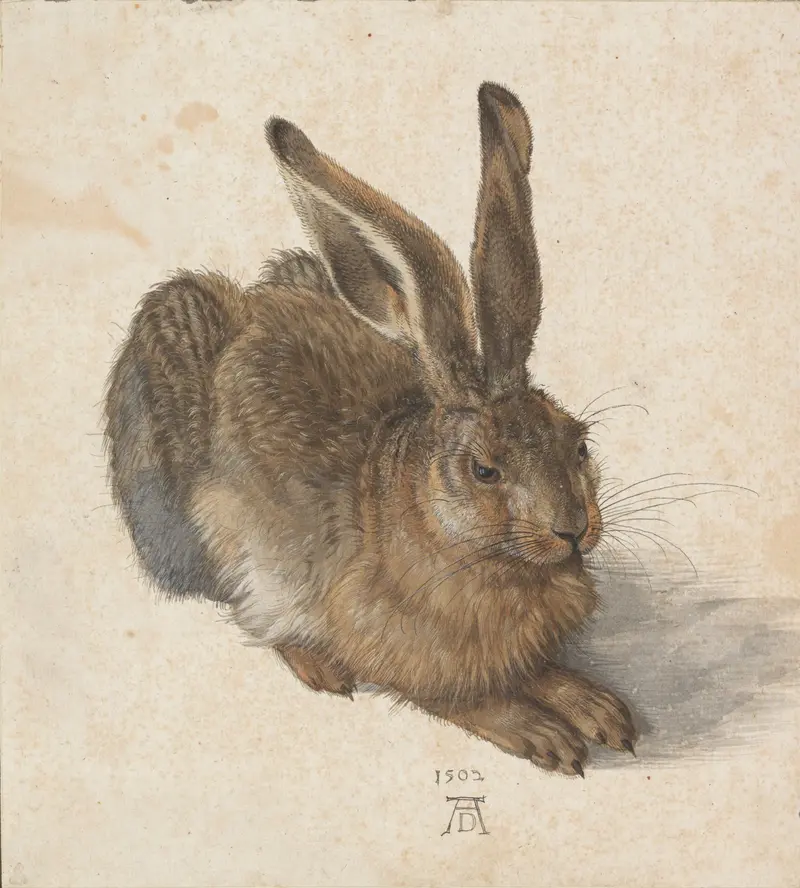
Young Hare
Albrecht Dürer
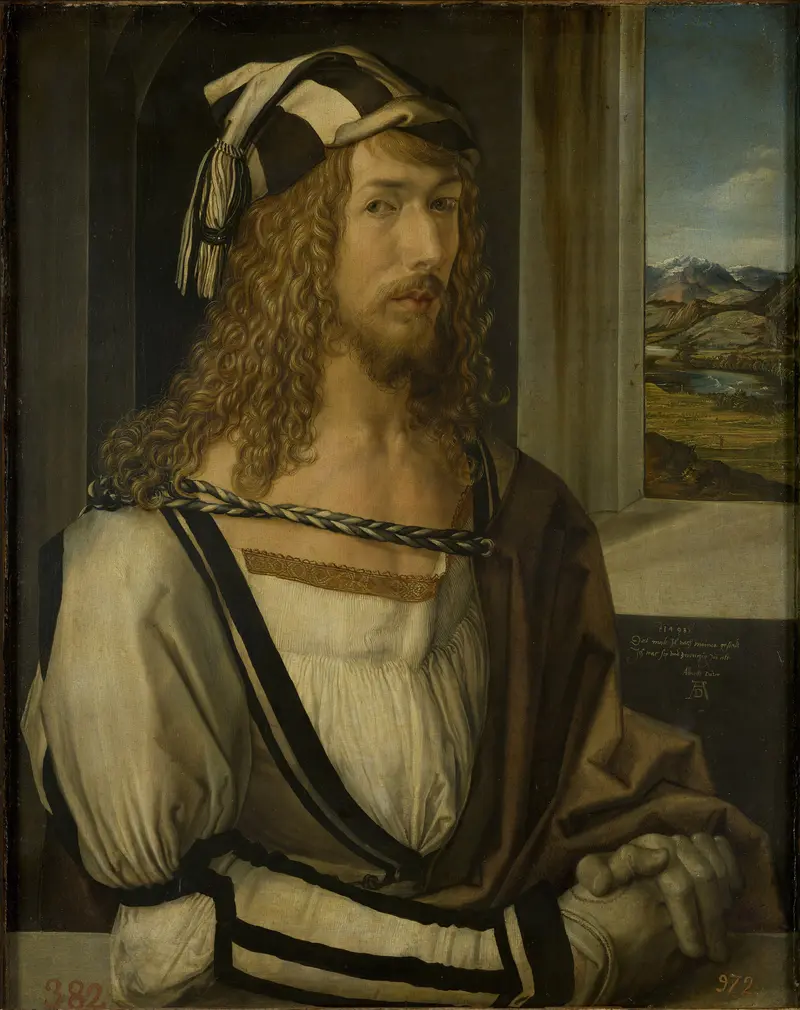
Self-portrait
Albrecht Dürer



