
Louis Jean Francois Lagrenée Cléopâtre expirante 01 — History & Facts
The first thing that catches the eye in Cléopâtre expirante by Louis-Jean-François Lagrenée is the theatrical arrangement of bodies and drapery, all converging on the pale, languid figure of Cleopatra herself. The queen reclines at the center, her lifelessness underscored by the slackness of her arm and the pallor of her skin, while a servant collapses at her feet, jewels spilling from an open casket—a silent testament to lost grandeur. The light, carefully directed, falls on Cleopatra’s exposed torso and the rich brocades of her gown, guiding the viewer’s gaze from the fruit-laden table and the urgent gestures of the Roman soldiers to the stillness of death.
The composition is a study in contrasts: the agitation of the intruders versus the serenity of Cleopatra’s final moment, the opulence of her surroundings against the emptiness of her fate. Painted in 1755, this work emerges from the world of mid-eighteenth-century France, where history painting was considered the highest genre and scenes from antiquity offered artists a stage for both moral lessons and displays of painterly skill. Patrons of the era, often members of the aristocracy or royal court, expected such works to blend drama with decorum, and Lagrenée delivers both: the emotional charge of Cleopatra’s suicide is balanced by the elegance of the setting and the refinement of every gesture. While history has kept few traces of this specific painting’s journey, its survival in a modern collection allows us to glimpse the ambitions and anxieties of its time—when the fall of empires and the allure of tragic heroines were never far from the minds of those who commissioned and admired such scenes.
Let your eye linger on the details: each object and gesture is a clue to the world that imagined Cleopatra’s last breath as both a spectacle and a warning.
More Artworks by Louis-Jean-François Lagrenée
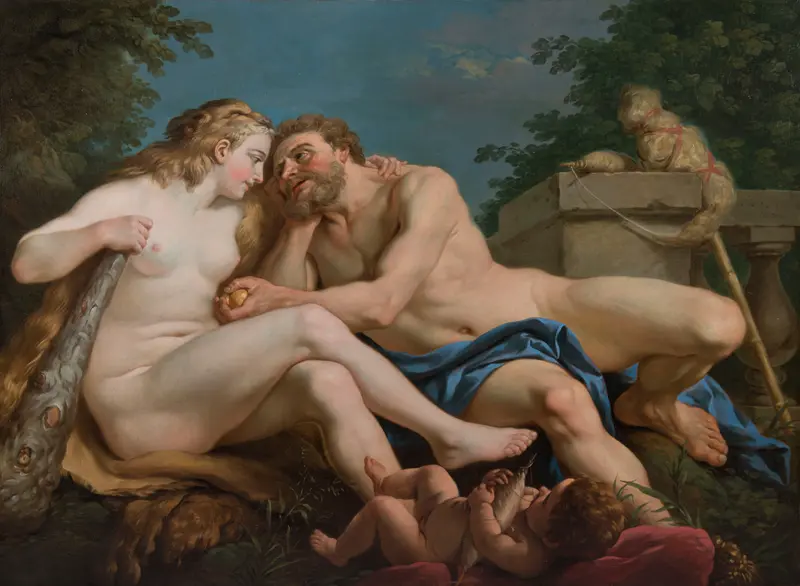
Herkules and Omphale
Louis-Jean-François Lagrenée
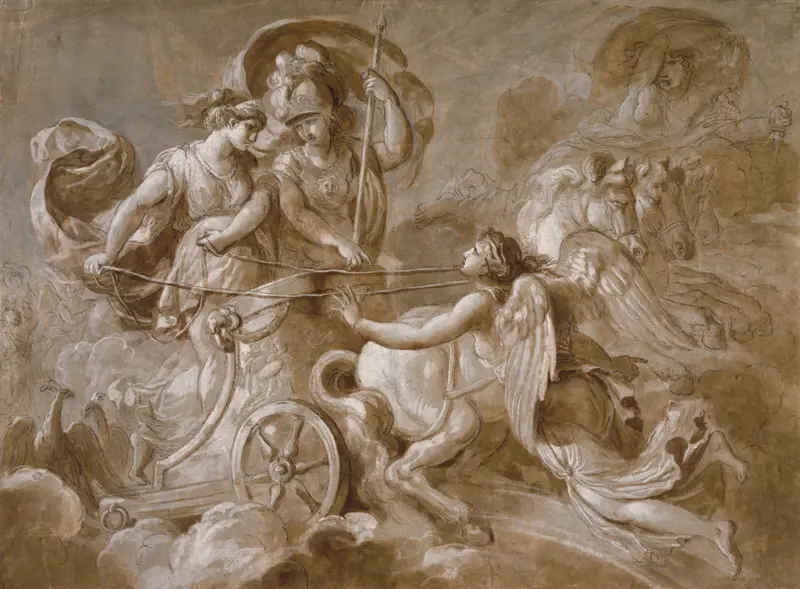
Iris Approaching Athena and Hera
Louis-Jean-François Lagrenée
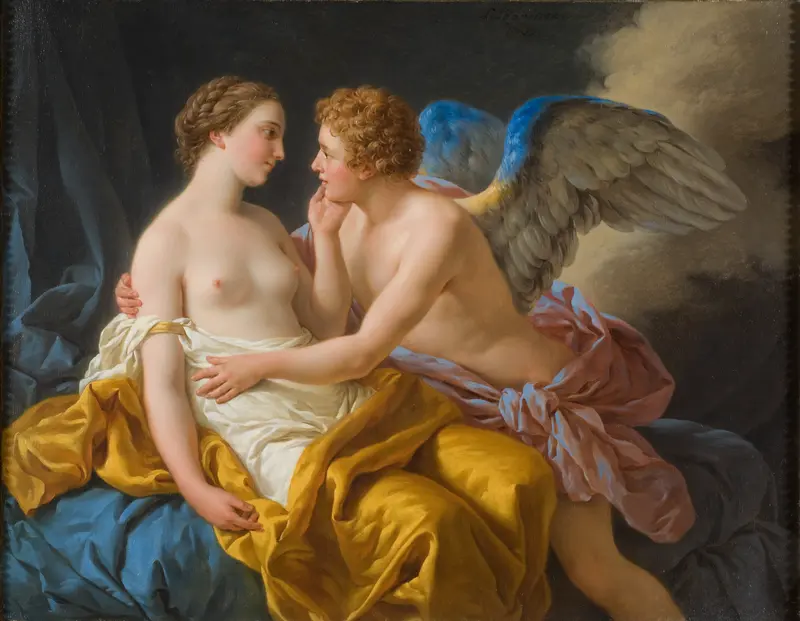
Cupid and Psyche
Louis-Jean-François Lagrenée
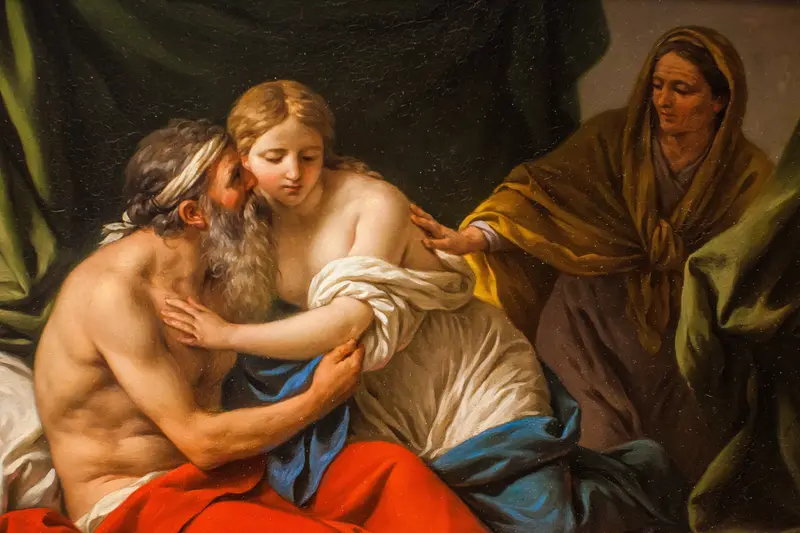
Sarah Presenting Hagar to Abraham
Louis-Jean-François Lagrenée
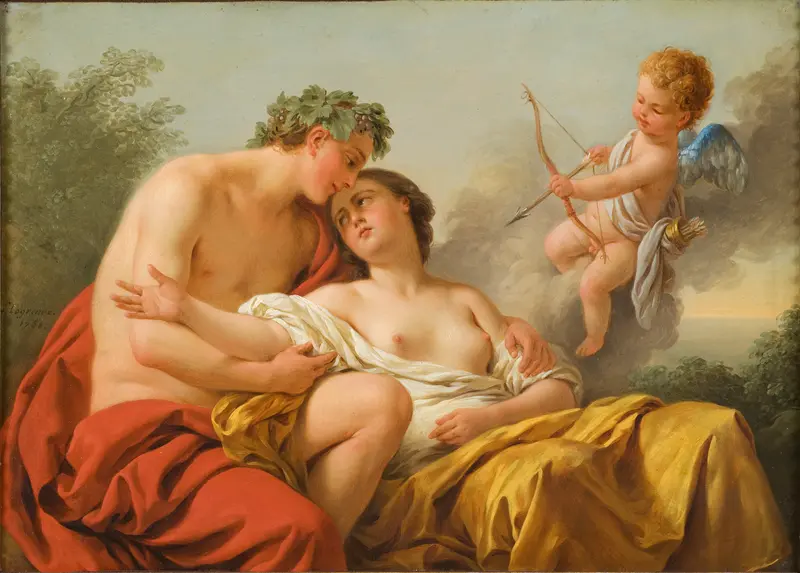
Bacchus and Ariadne
Louis-Jean-François Lagrenée
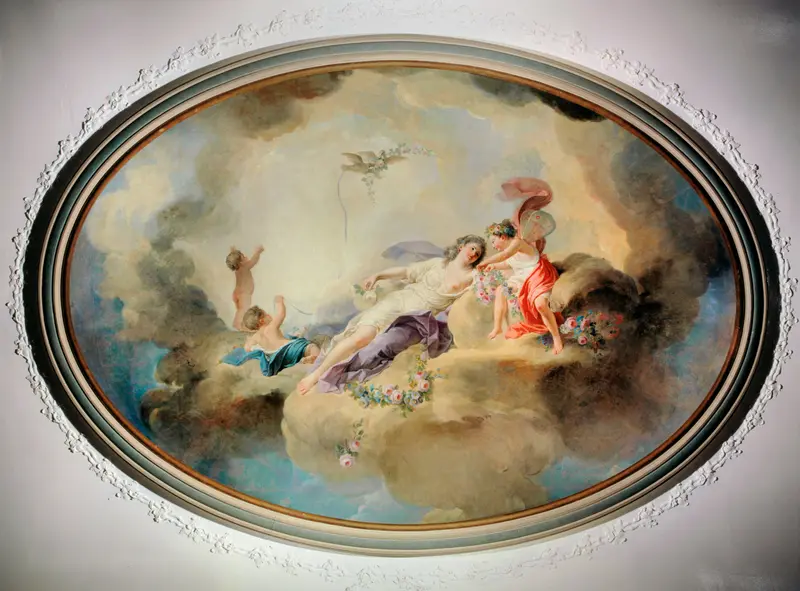
Louis Jean François Lagrenée Le triomphe de Flore P787 Musée Carnavalet
Louis-Jean-François Lagrenée
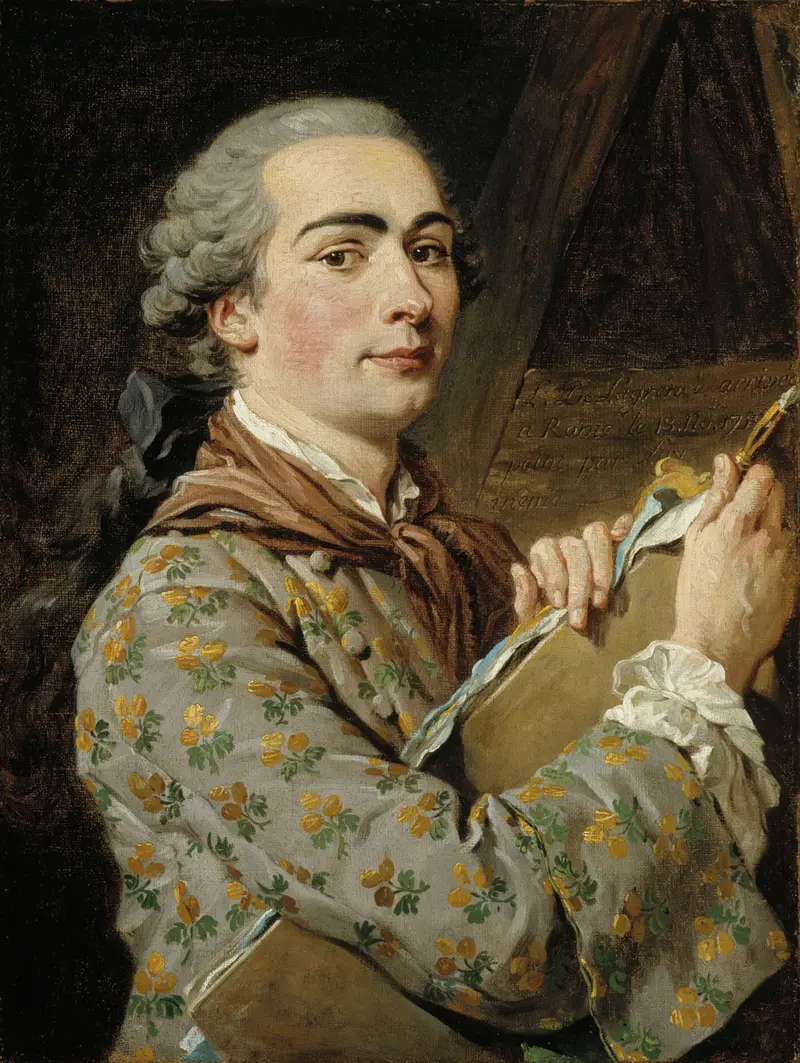
Self-Portrait
Louis-Jean-François Lagrenée
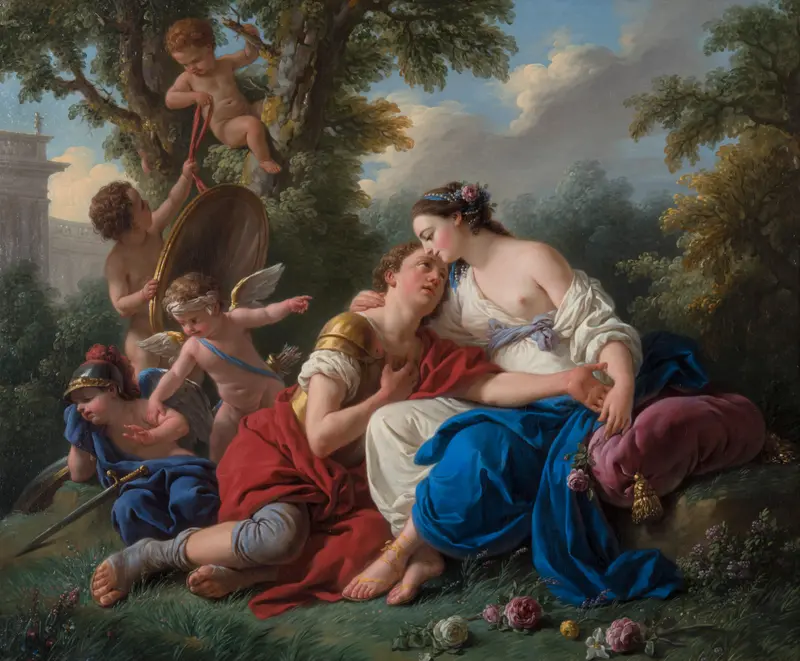
Rinaldo and Armida
Louis-Jean-François Lagrenée
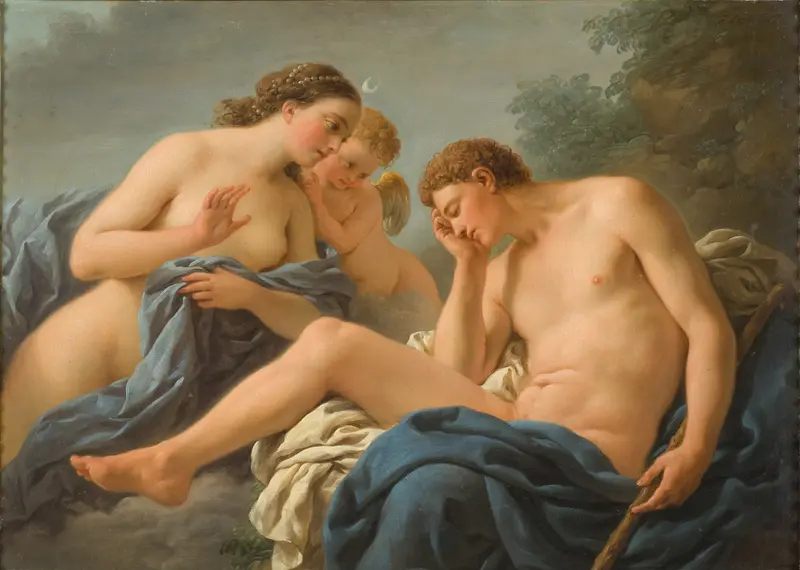
Diana and Endymion
Louis-Jean-François Lagrenée
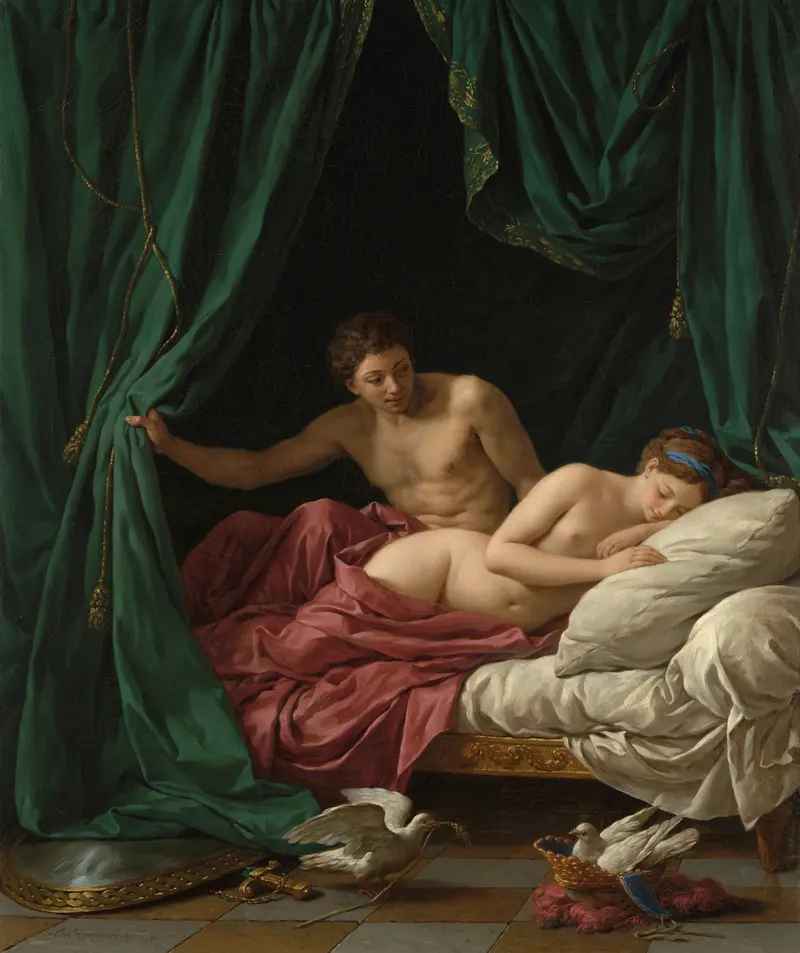
Mars and Venus, Allegory of Peace
Louis-Jean-François Lagrenée





