
Louvre at night — History & Facts
A single gas lamp burns against the darkness, casting a wedge of golden light that slices through the archway and spills onto the cold blue cobbles. The eye is drawn first to the silhouette of a woman, her figure sharply outlined by the glow as she steps forward, parasol in hand, her shadow stretching behind her like a secret. Beyond her, the grand columns of the Louvre recede into a haze of blue, their stone facades caught in the strange, electric shimmer of Paris at night.
The scattered figures—some strolling, some pausing—are dwarfed by the architecture, their anonymity lending the scene a quiet suspense. Every surface seems to vibrate between warmth and chill, the lamplight fighting the night for every inch. Painted in 1892, Louvre at night by Aleksander Gierymski belongs to a moment when city life and artificial light were transforming the way artists saw and painted the world. The late nineteenth century was an age of urban spectacle, when painters across Europe—whether in Paris, Warsaw, or London—turned their attention to the drama of modern streets after dark.
While history has kept few traces of this specific canvas beyond its title and date, its presence in an online collection today is a reminder of how artists like Gierymski captured the uneasy beauty of their changing cities. The painting invites the viewer to linger under the arch, to watch how light and shadow divide the night, and to imagine the stories unfolding just out of reach.
More Artworks by Aleksander Gierymski

Piaskarze
Aleksander Gierymski
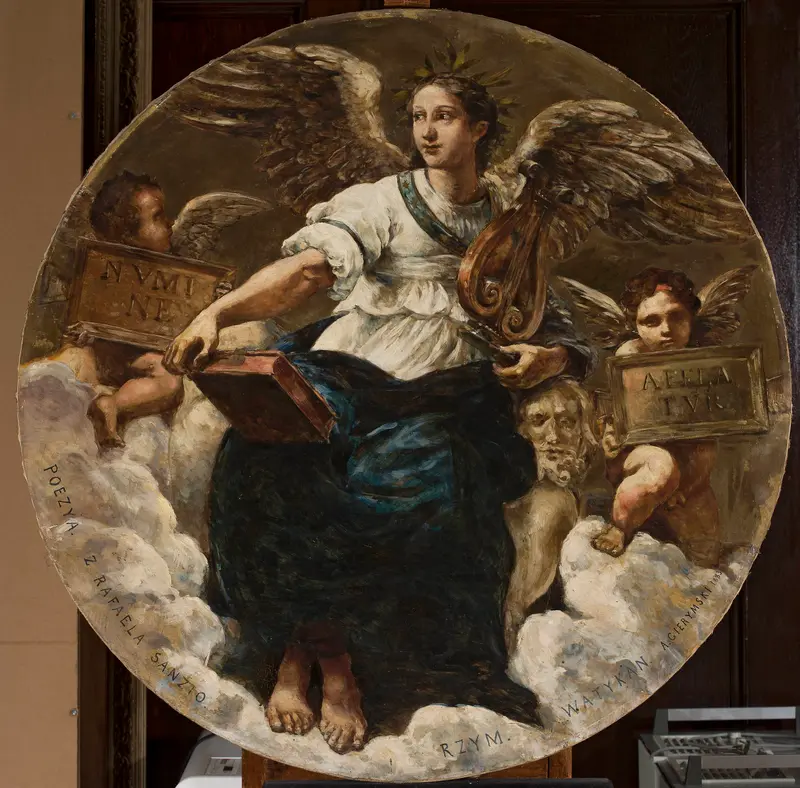
Poetry
Aleksander Gierymski
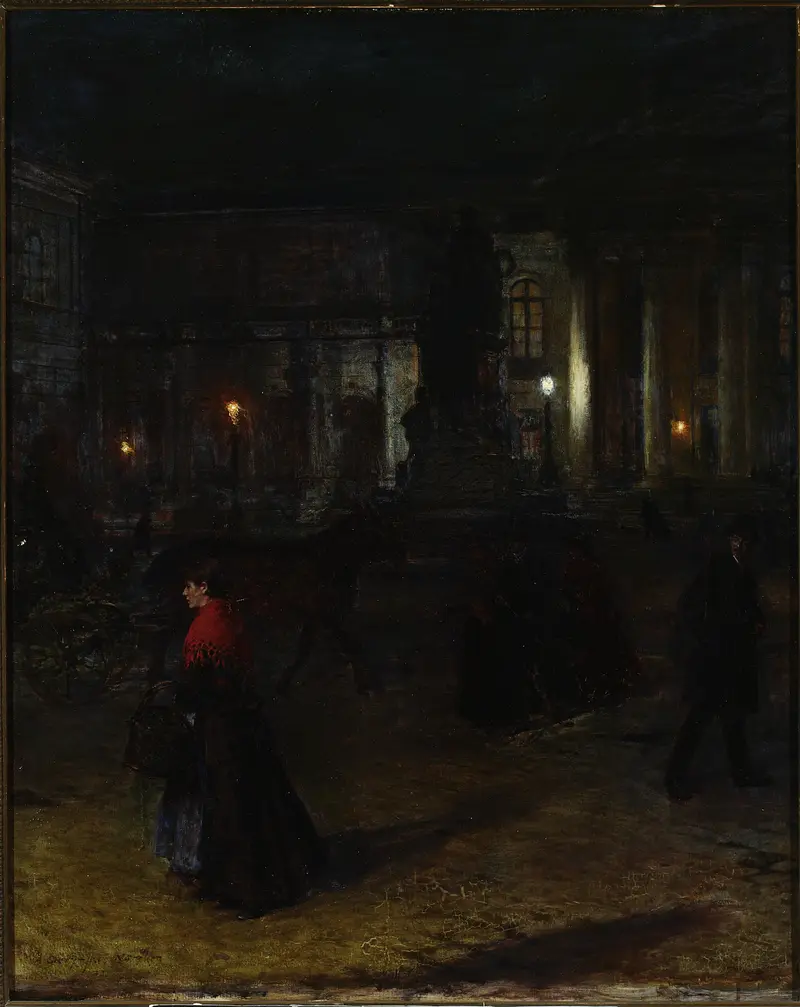
Max-Joseph-Platz in Munich by night.
Aleksander Gierymski
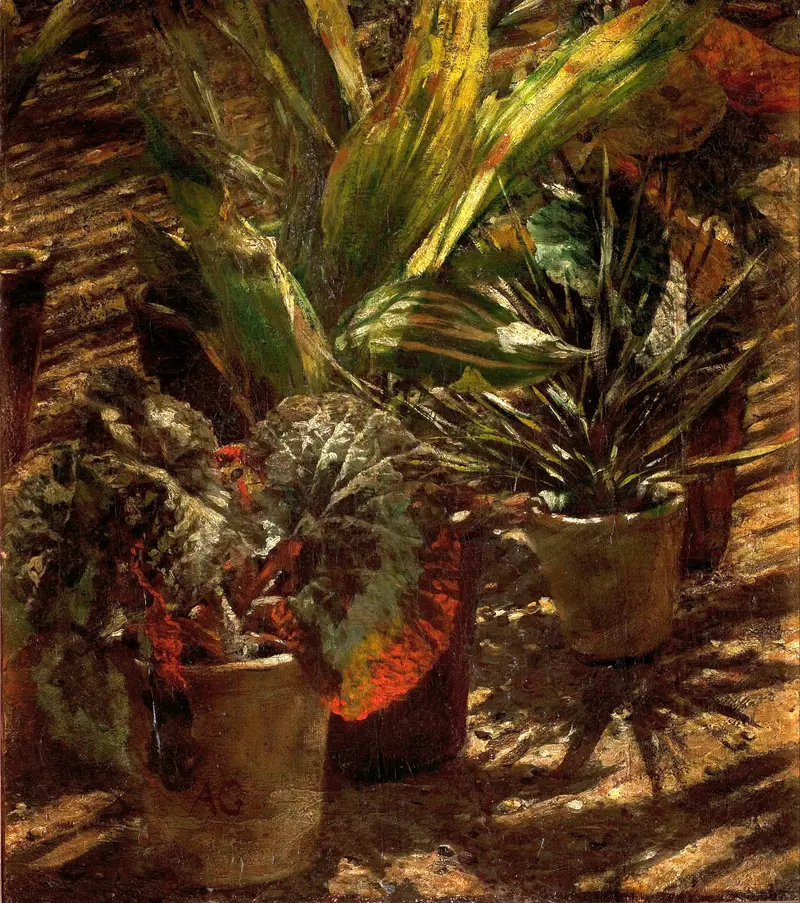
Begonie
Aleksander Gierymski
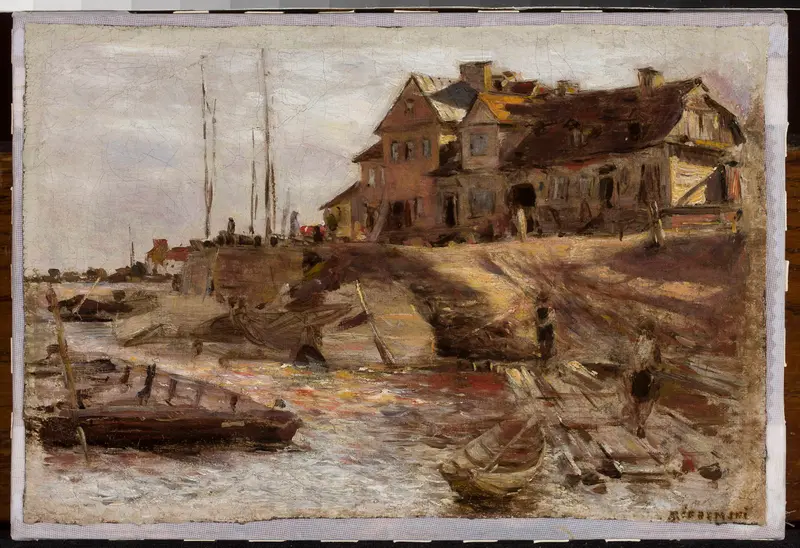
Solec harbour (study).
Aleksander Gierymski
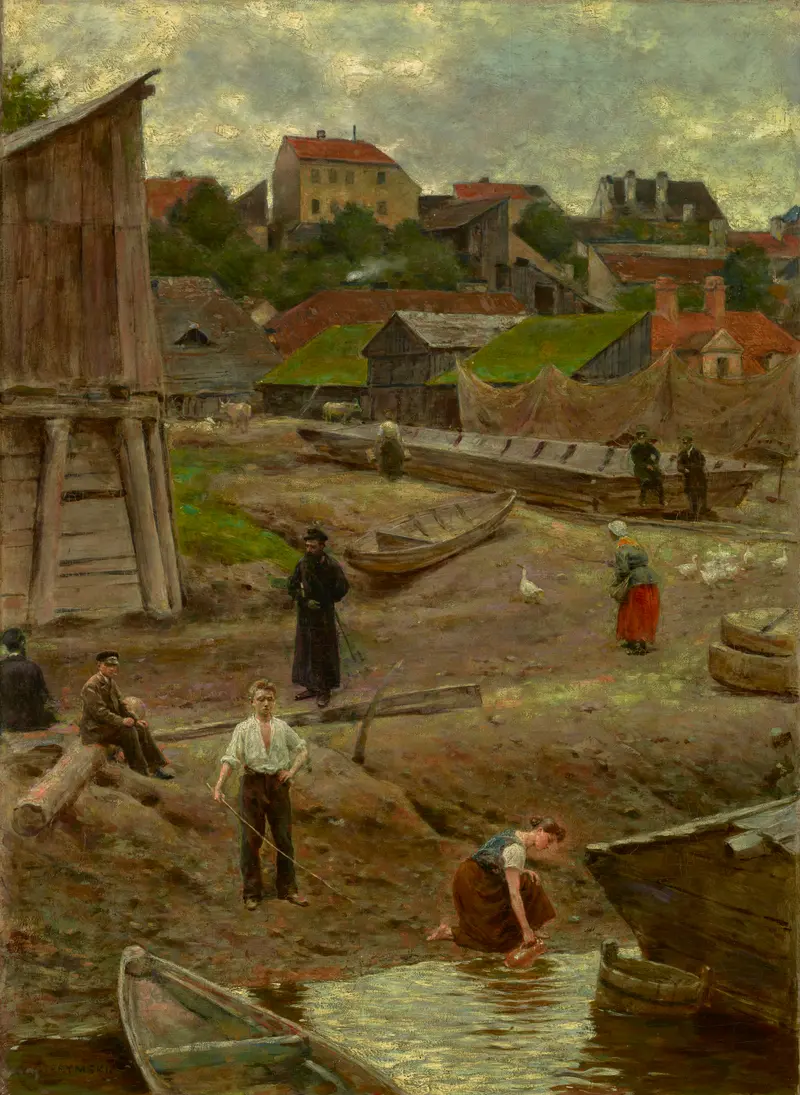
Powiśle (Bank of the Vistula in Warsaw)
Aleksander Gierymski
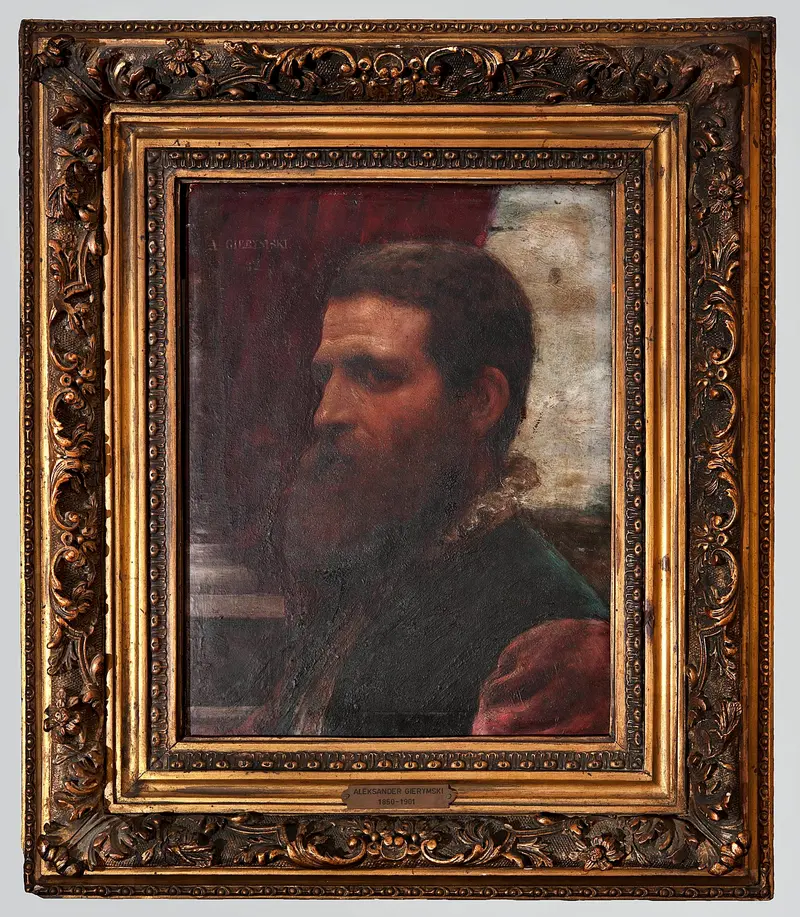
A bust of a man in Renaissance costume.
Aleksander Gierymski
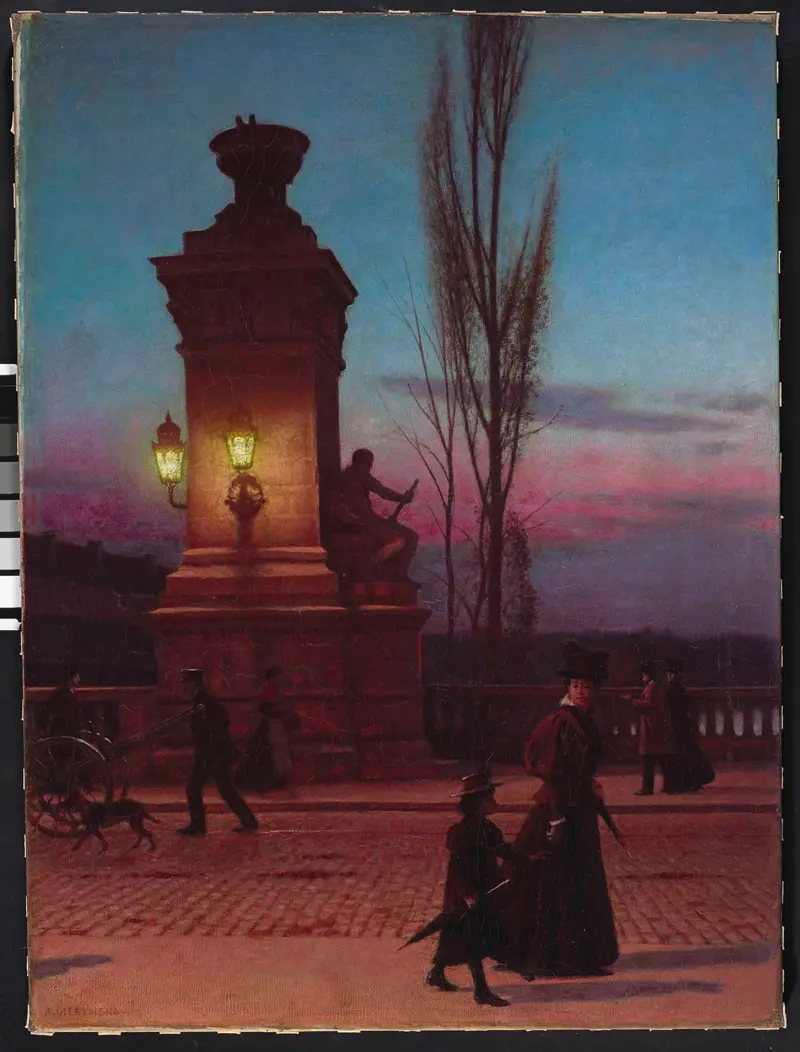
Louis Bridge in Munich.
Aleksander Gierymski
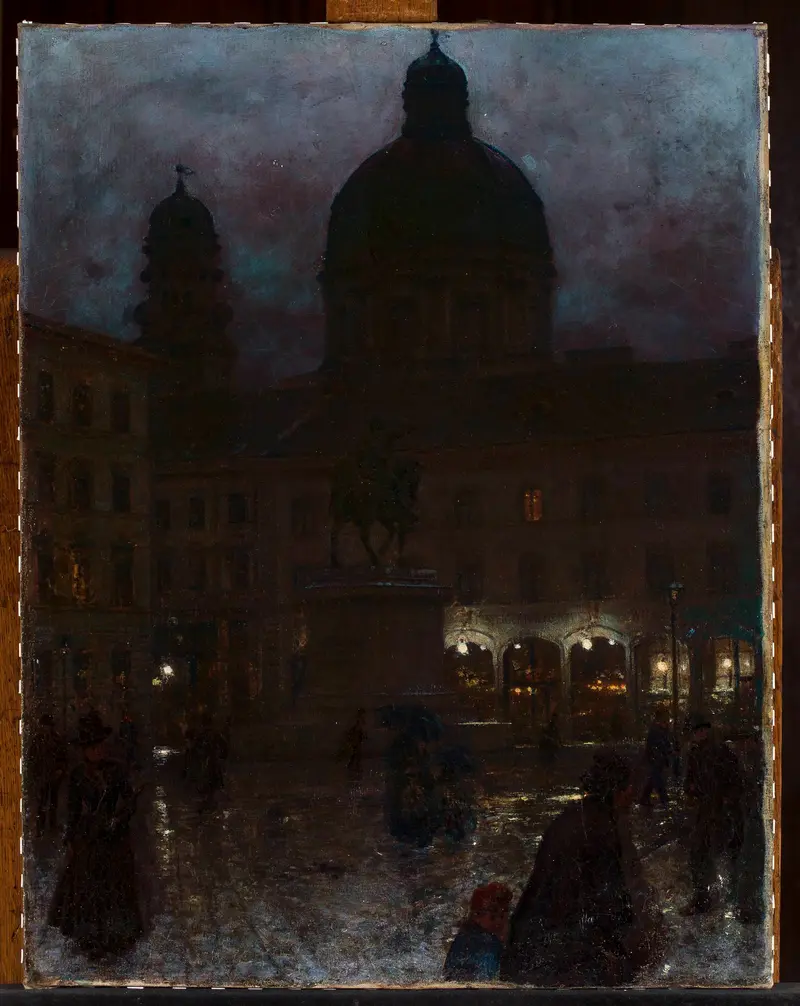
Wittelsbacher Square in Munich at night.
Aleksander Gierymski
Fishing boats at the shore.
Aleksander Gierymski





