Lucretia — History & Facts
In Lucretia, Raphael presents a striking figure of Lucretia, draped in rich fabrics. The colors are deep and vibrant, with a strong contrast between the dark background and her pale skin. Her expression is one of sorrow and resolve, reflecting the tragic story of her fate.
The setting is minimal, focusing the viewer's attention on her emotional state. The painting is executed in oil on panel, showcasing Raphael's skill in capturing human emotion. The use of light and shadow creates a three-dimensional effect, enhancing the figure's presence. The details in the fabric and the delicate rendering of Lucretia's features demonstrate Raphael's technical prowess.
This work reflects the ideals of the Renaissance, emphasizing both beauty and narrative. Lucretia was painted during a time when Raphael was exploring themes of virtue and sacrifice. This work is notable for its emotional depth, which was a departure from the more idealized representations of women in earlier Renaissance art. Interestingly, Lucretia's story has been a popular subject in art, symbolizing honor and tragedy.
Raphael's interpretation adds a personal touch, capturing the internal struggle of the character.
More Artworks by Raphael
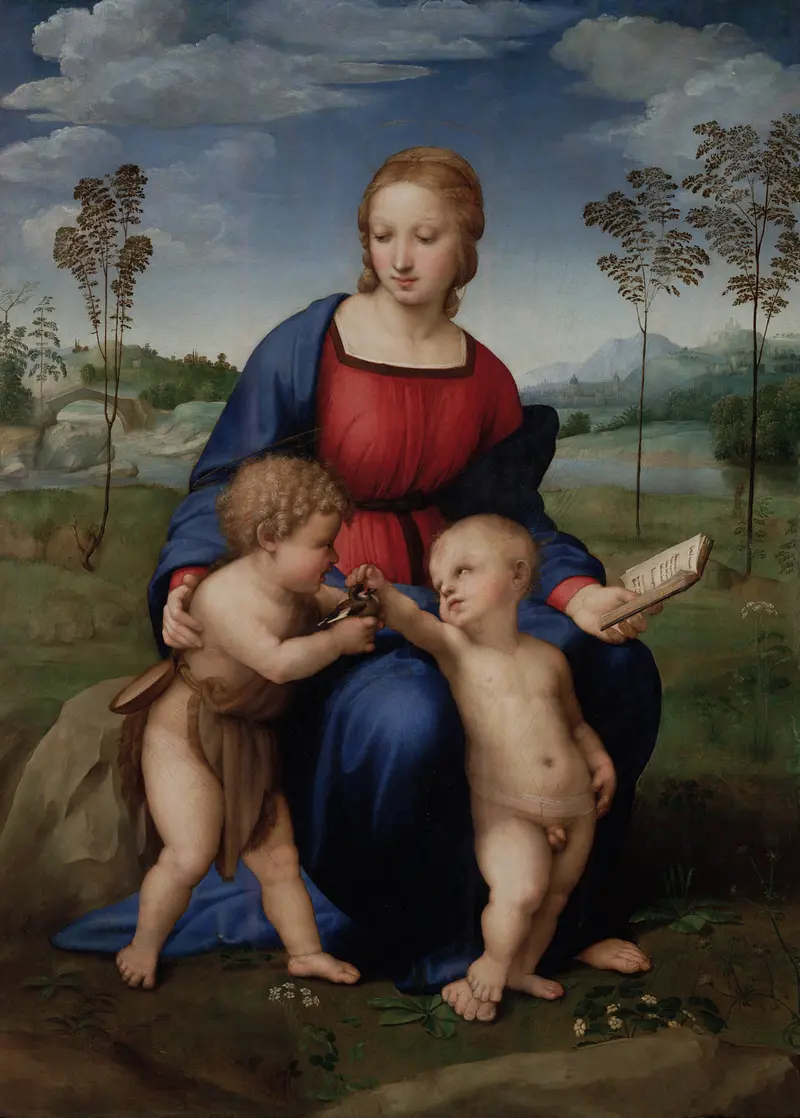
Madonna of the Goldfinch
Raphael

Madonna with the Fish
Raphael
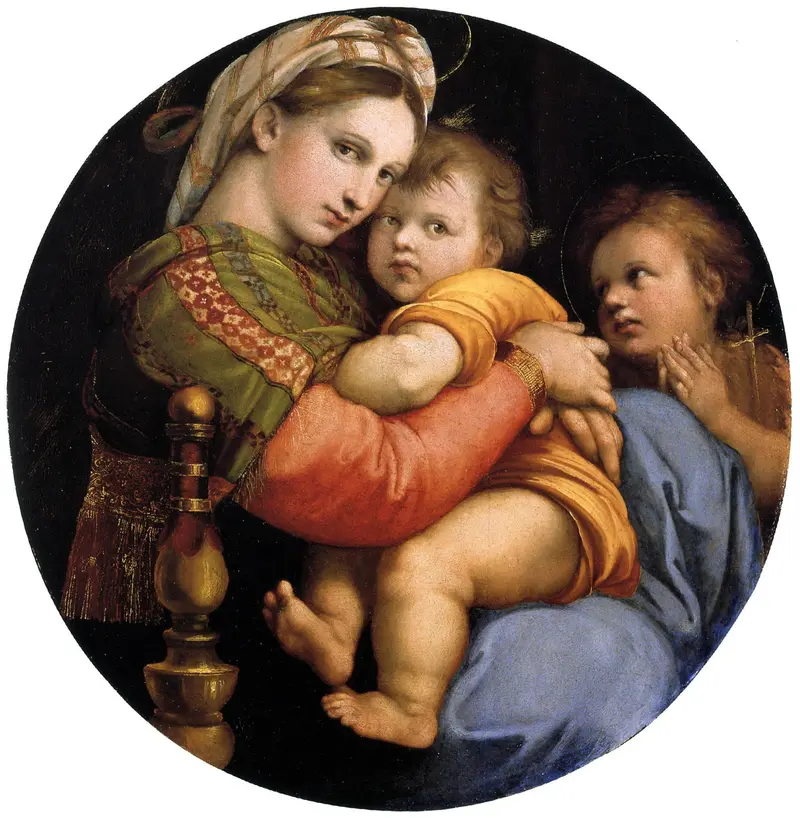
Madonna and Child (Madonna della Seggiola)
Raphael
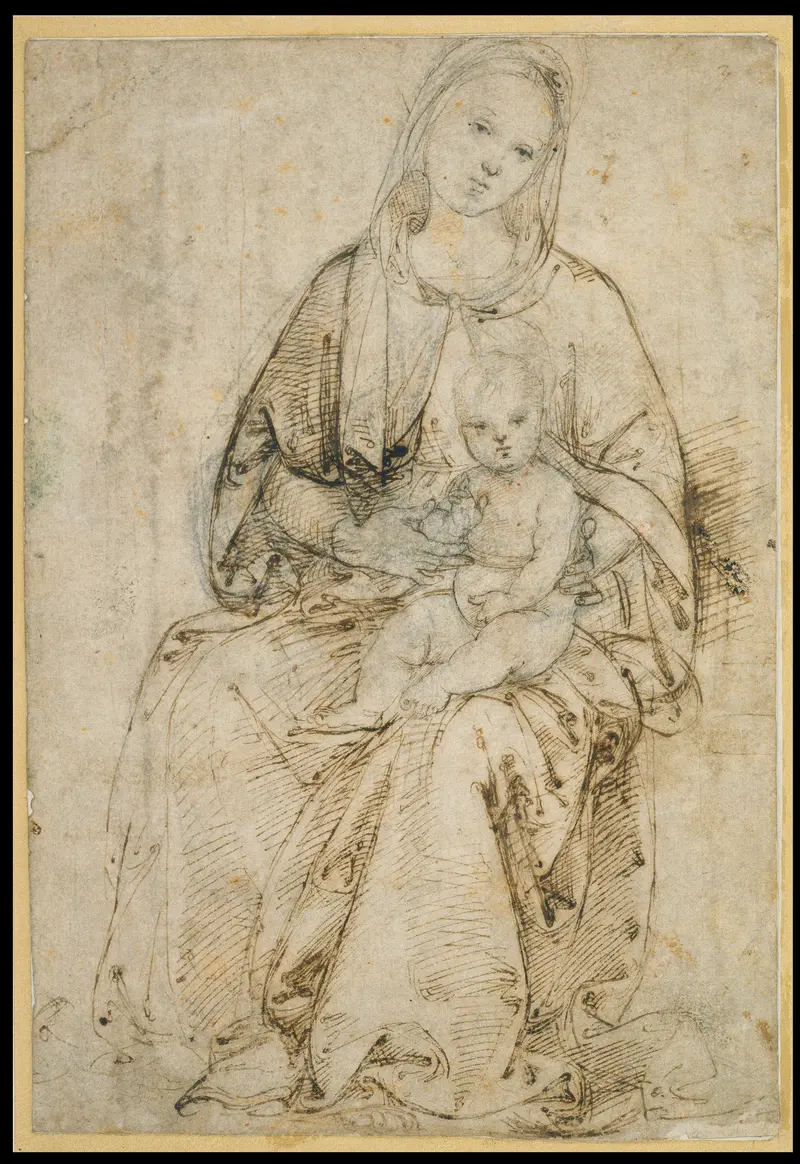
Seated Madonna and Child
Raphael
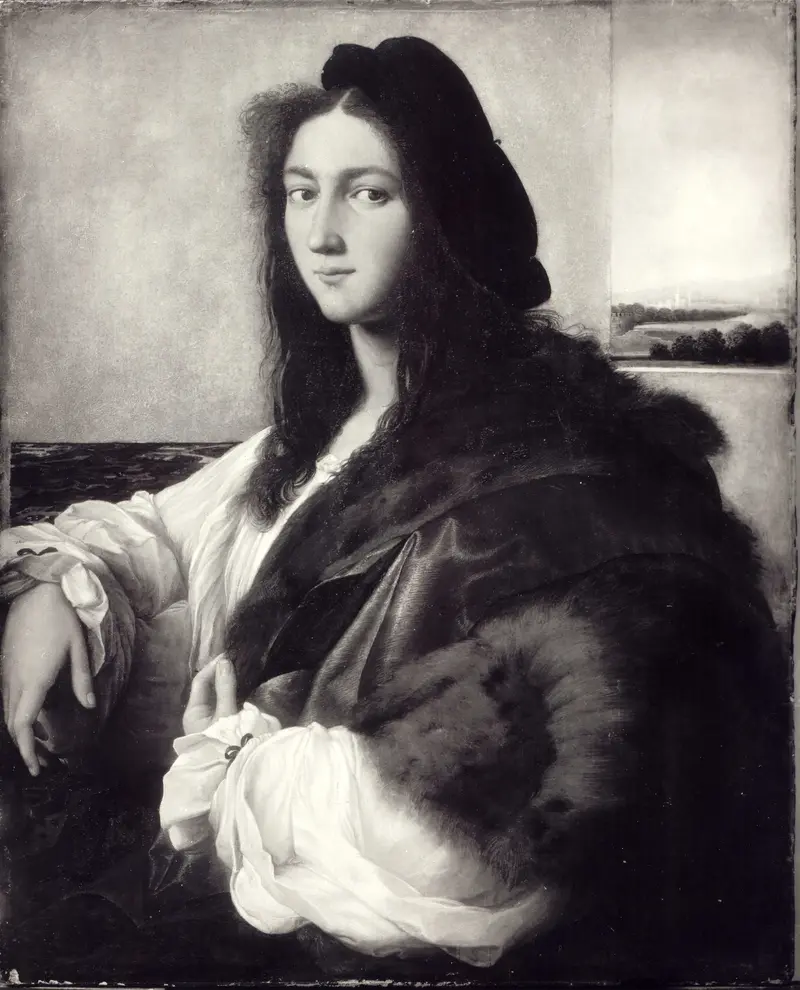
Portrait of a Young Man
Raphael
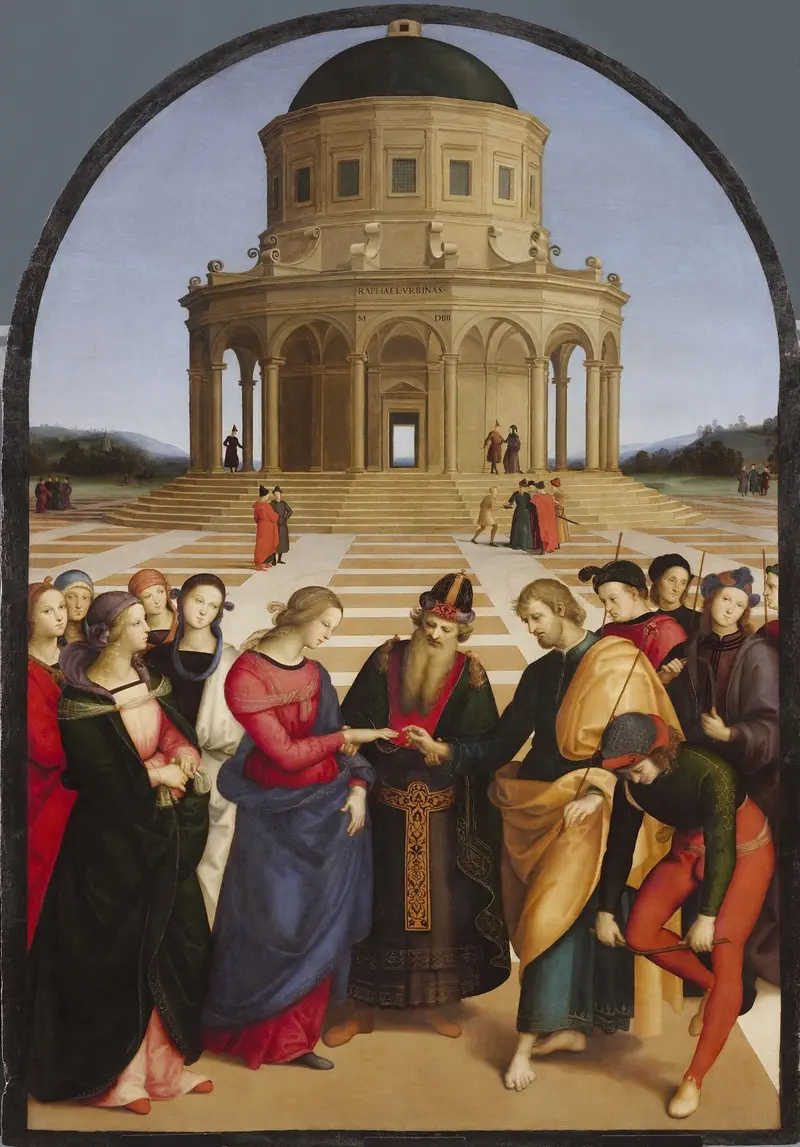
The Marriage of the Virgin
Raphael
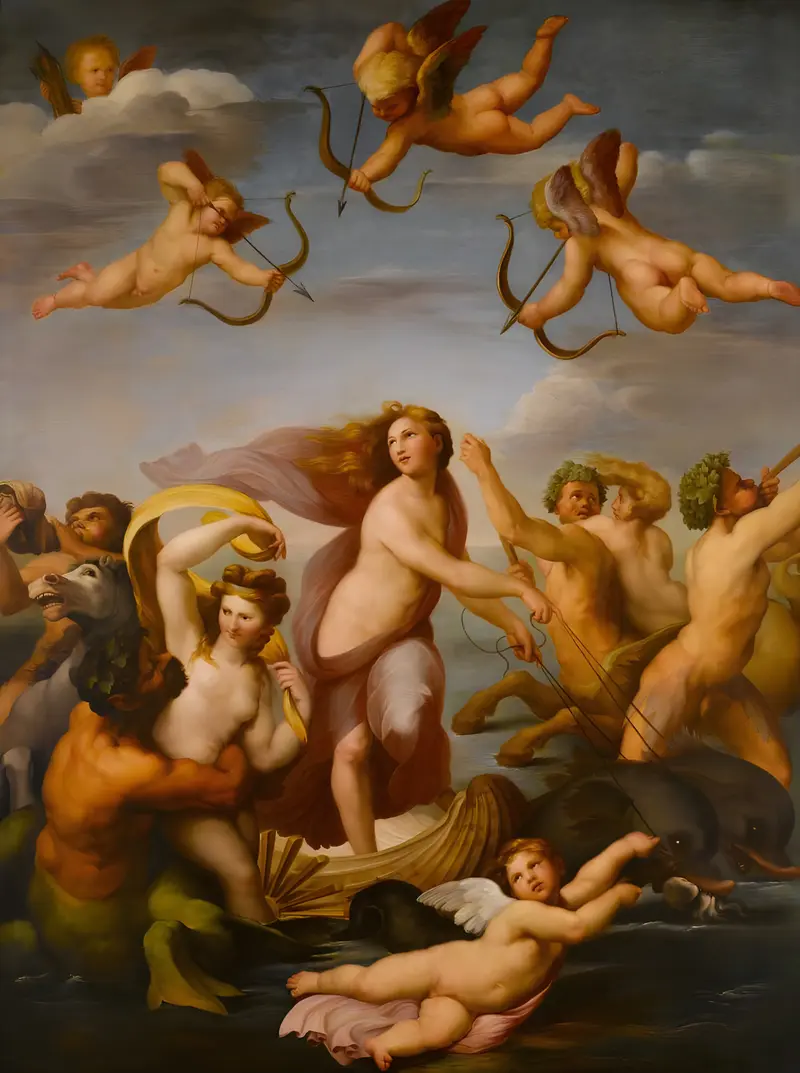
The Triumph of Galatea (copy after Raphael)
Raphael
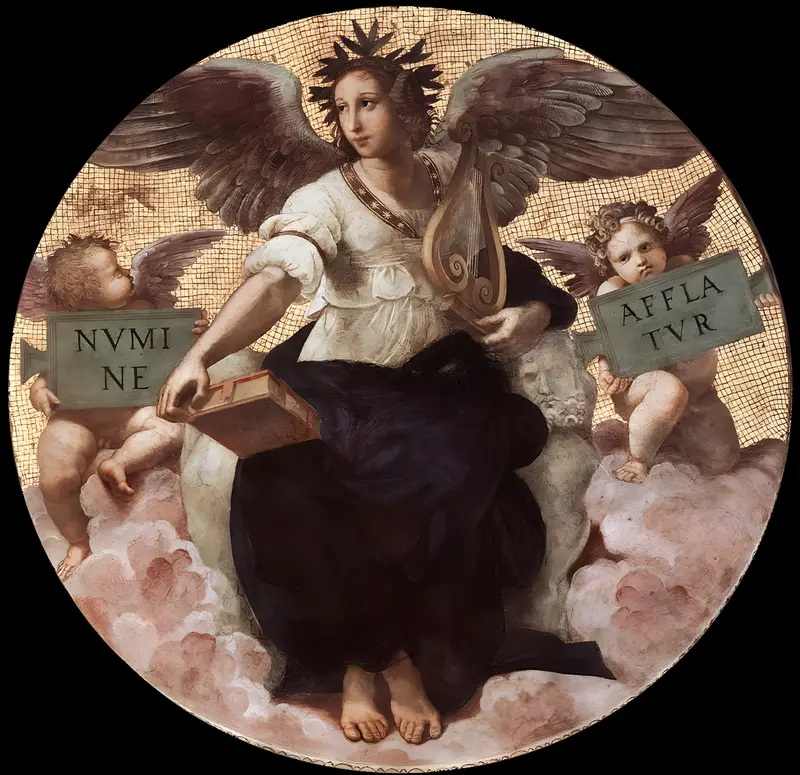
Poetry
Raphael
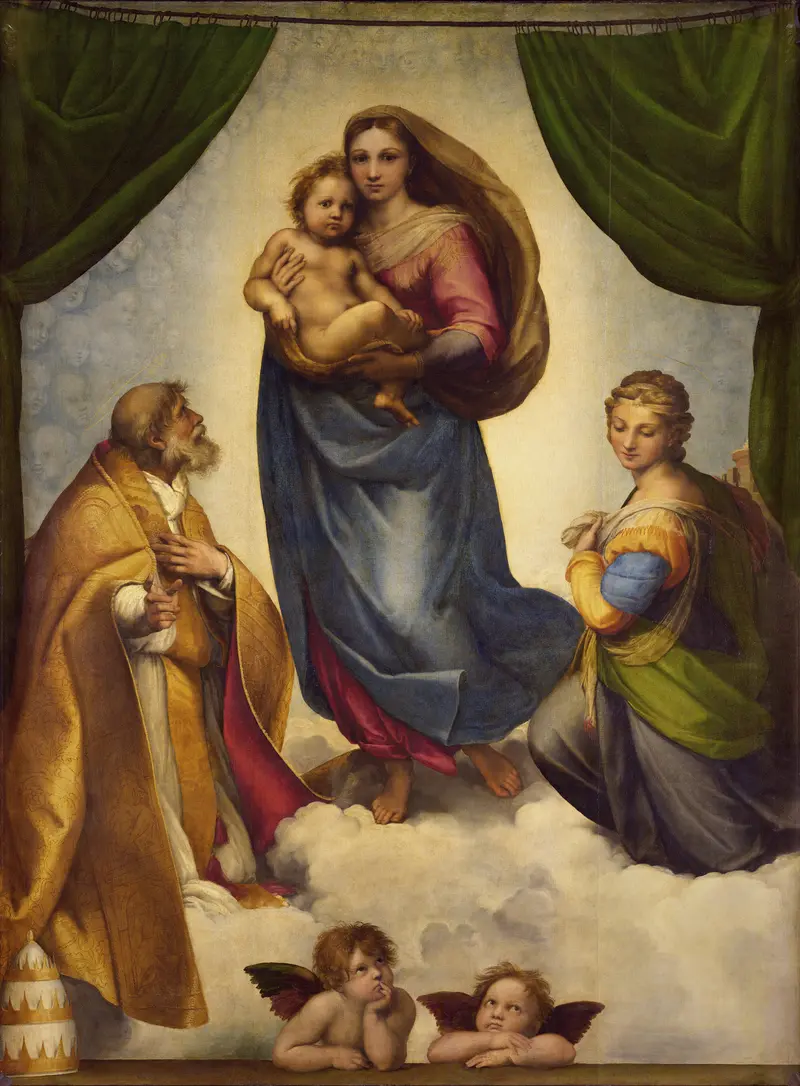
Sistine Madonna
Raphael
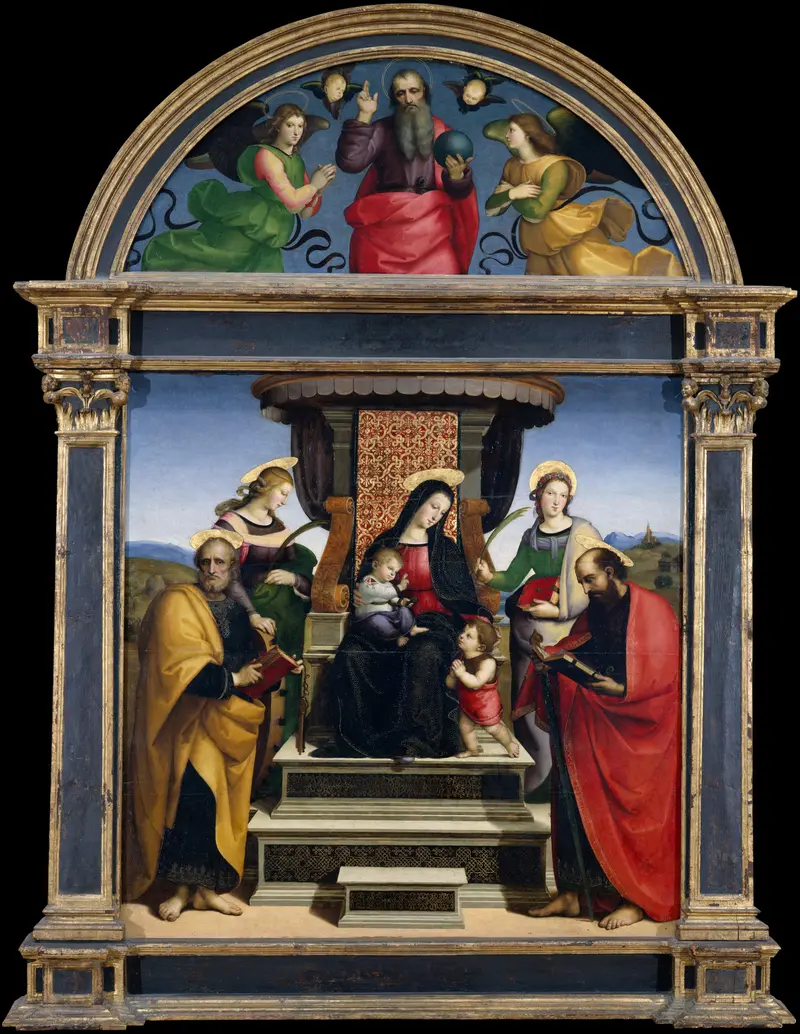
Madonna and Child Enthroned with Saints
Raphael