
Luiheid — History & Facts
What if beauty was never meant to be finished? There lies a delicate yet profound tension in the notion of desire, eternally unfulfilled and yearning for completion. Begin by focusing on the intricate figures dancing across the canvas, each possessing a distinct posture that conveys longing. Notice how the muted palette, with its soft ochres and gentle reds, envelops the scene, creating an atmosphere that feels both intimate and expansive. The delicate lines of the drawing lead your eye from one figure to another, revealing a dance of emotions imbued in each gesture — the fluidity of movement juxtaposed with the stillness of the background. Delve deeper into the intricate details: the subtle expressions of hope and melancholy carved into each face, the way the bodies intertwine yet remain separate, embodying the duality of connection and isolation.
The swirling patterns echo the rhythm of longing, suggesting that desire is as much about the chase as it is about the attainment. The play of light and shadow emphasizes the ephemeral nature of beauty, capturing that moment when aspiration feels almost tangible yet forever just out of reach. During the years between 1618 and 1625, Callot was immersed in a world of burgeoning artistic innovation in France. He navigated the shifting currents of the Baroque style, finding his voice in etching and printmaking.
This era was marked by a fascination with human emotion and the complexities of desire, allowing him to capture, in Luiheid, a timeless exploration of what it means to crave — to want something so profoundly that it becomes a part of one’s very existence.
More Artworks by Jacques Callot
Browse all →
Titelprent voor de prentreeks 'De kleine apostelen' (Het martelaarschap van de apostelen)
Jacques Callot
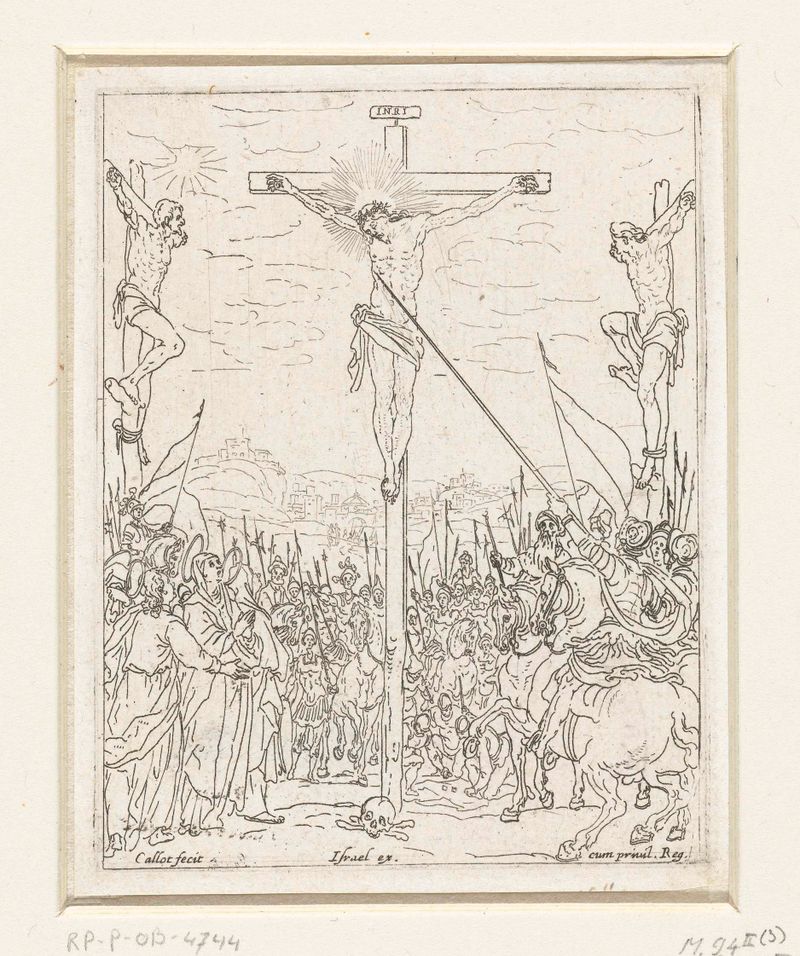
Kruisiging
Jacques Callot

De doortocht door de Rode Zee
Jacques Callot

De verloren zoon als zwijnenhoeder
Jacques Callot

Annunciatie
Jacques Callot
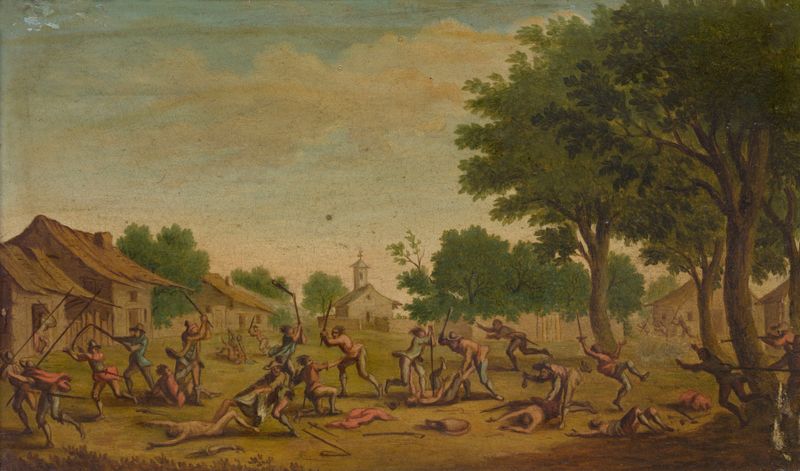
Village Fight
Jacques Callot

Titelprent voor prentreeks 'Het leven van Maria'
Jacques Callot
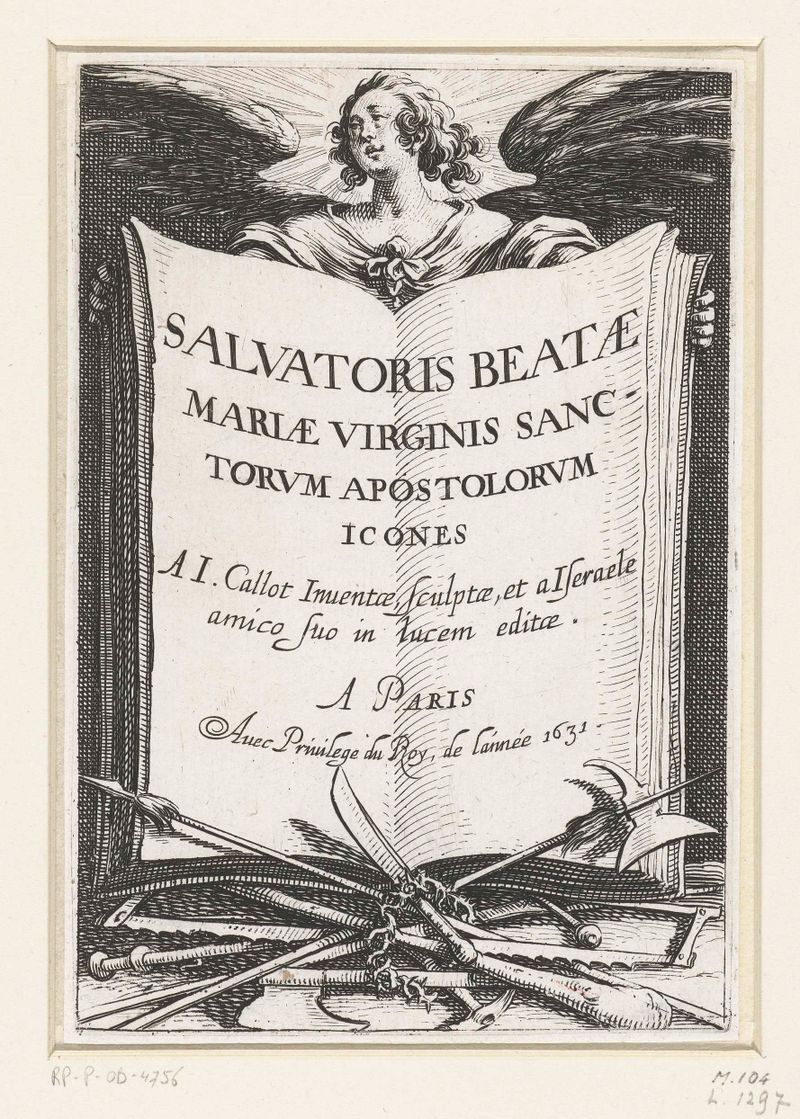
Titelprent voor de prentreeks 'De grote apostelen' (Christus, Maria en de apostelen)
Jacques Callot

Christus aan het volk getoond (Ecce homo)
Jacques Callot
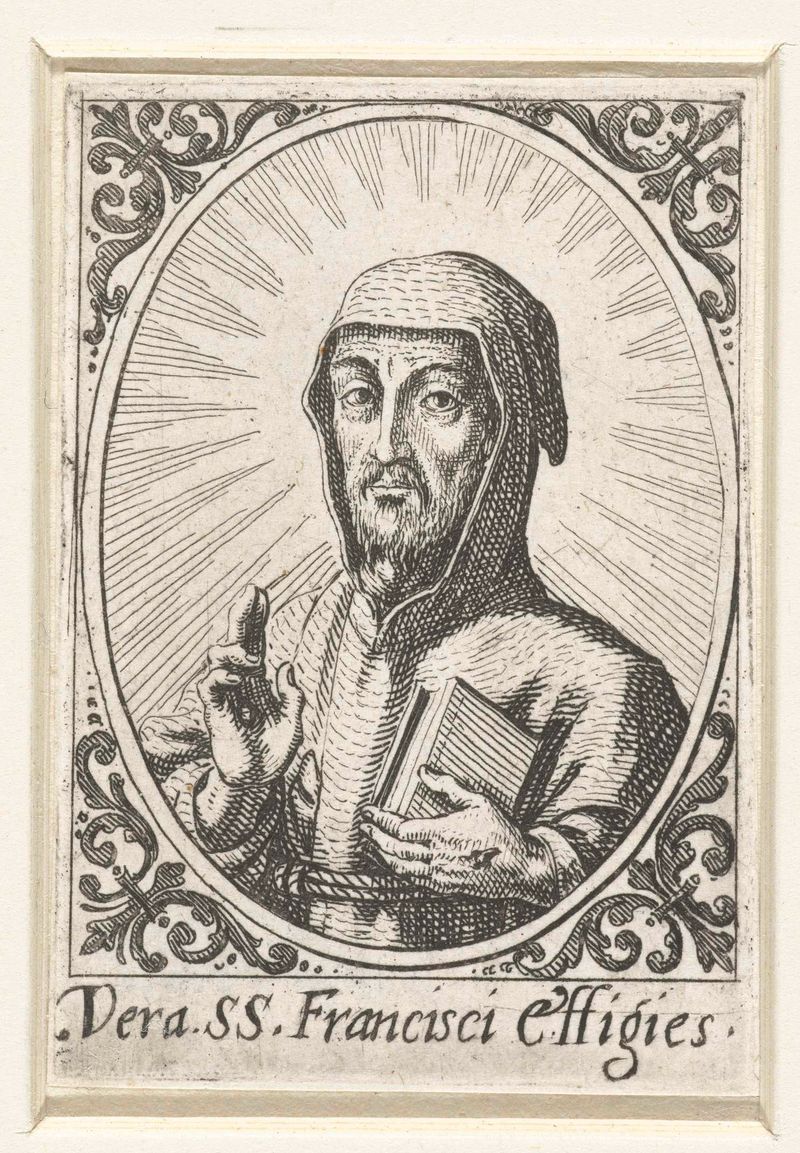
Portret van de Heilige Franciscus
Jacques Callot





