
Lunch of a Cowherd — History & Facts
In the interplay of vibrant hues and quiet contemplation, we find ecstasy bursting forth from the mundane. Look to the center of the canvas, where the figure of the cowherd sits in a moment of tranquil repose. The bold strokes of green and gold gently frame his likeness, imbuing the scene with a lush vitality. Notice how the light filters through dappled foliage, casting intricate shadows that dance upon his weathered face, creating a cocoon of intimacy.
The color palette, dominated by earthy tones, reflects the harmony between man and nature, while the fluidity of the brushwork evokes a sense of movement, inviting the viewer to linger. As you explore the nuances, consider the juxtaposition between the serene setting and the underlying tension of solitude. The cowherd's stillness suggests a deep connection with his environment, yet a subtle melancholy lingers, embodying the duality of joy and isolation. The vibrant colors pulse with life, yet they reveal a yearning for something beyond immediate experience—a glimpse into the ecstatic state where reality and emotion intertwine. During 1929–1930, Gustáv Mallý painted this piece while living in a burgeoning post-war era, where traditional values mingled with modernist ideals.
This period was marked by a desire to reconnect with the essence of rural life, exploring themes of simplicity and the human condition. Amidst the complexities of the art world transitioning into abstraction, Mallý sought to capture a raw, emotive truth, presenting a vision that resonates with viewers even today.
More Artworks by Gustáv Mallý
Browse all →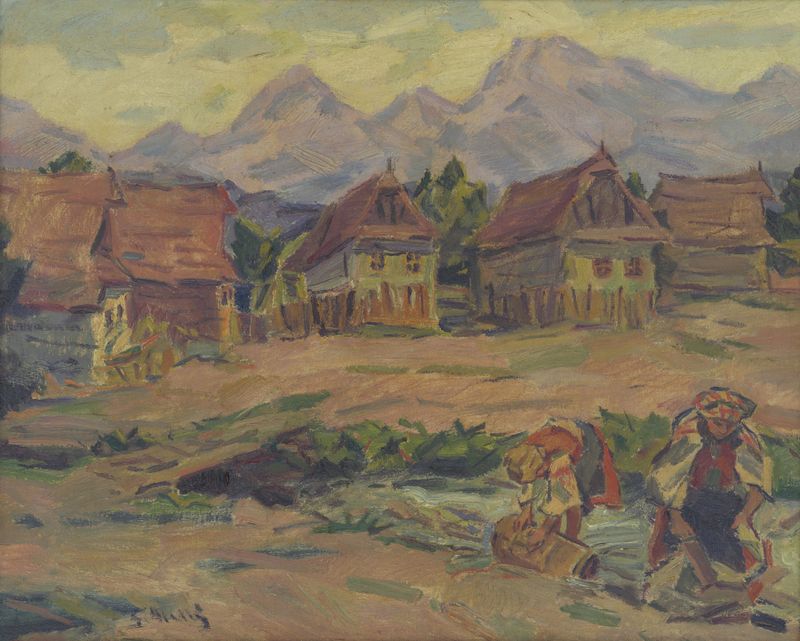
On a Brook below the Tatras
Gustáv Mallý
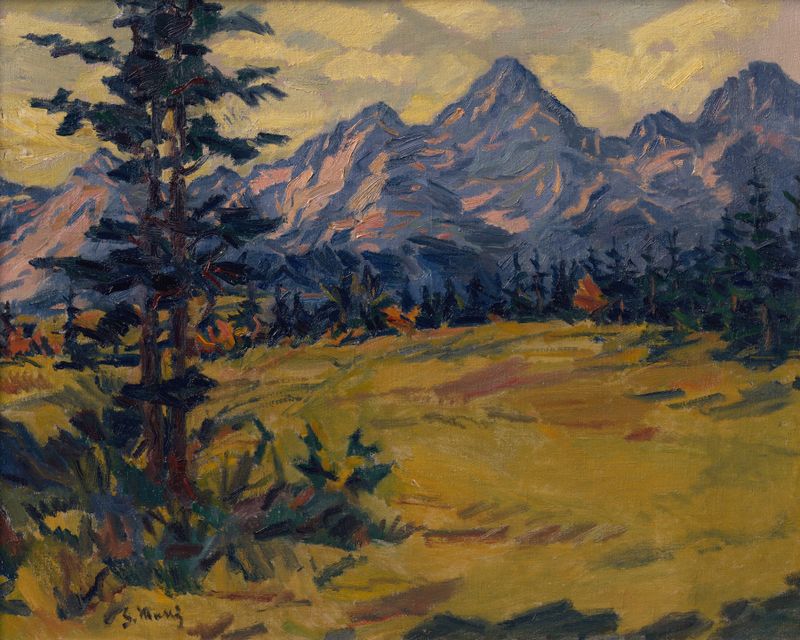
Tatras Landscape
Gustáv Mallý
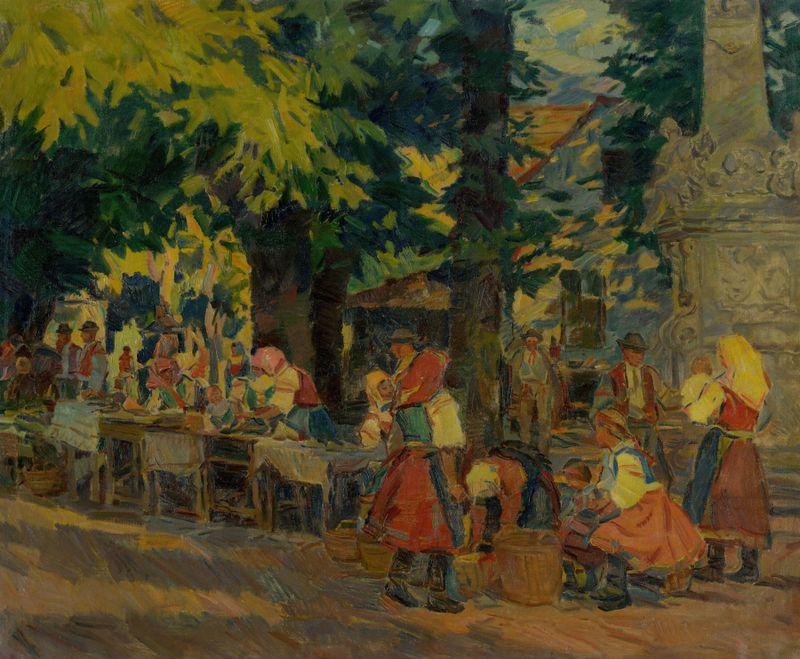
Fair in Marianka
Gustáv Mallý
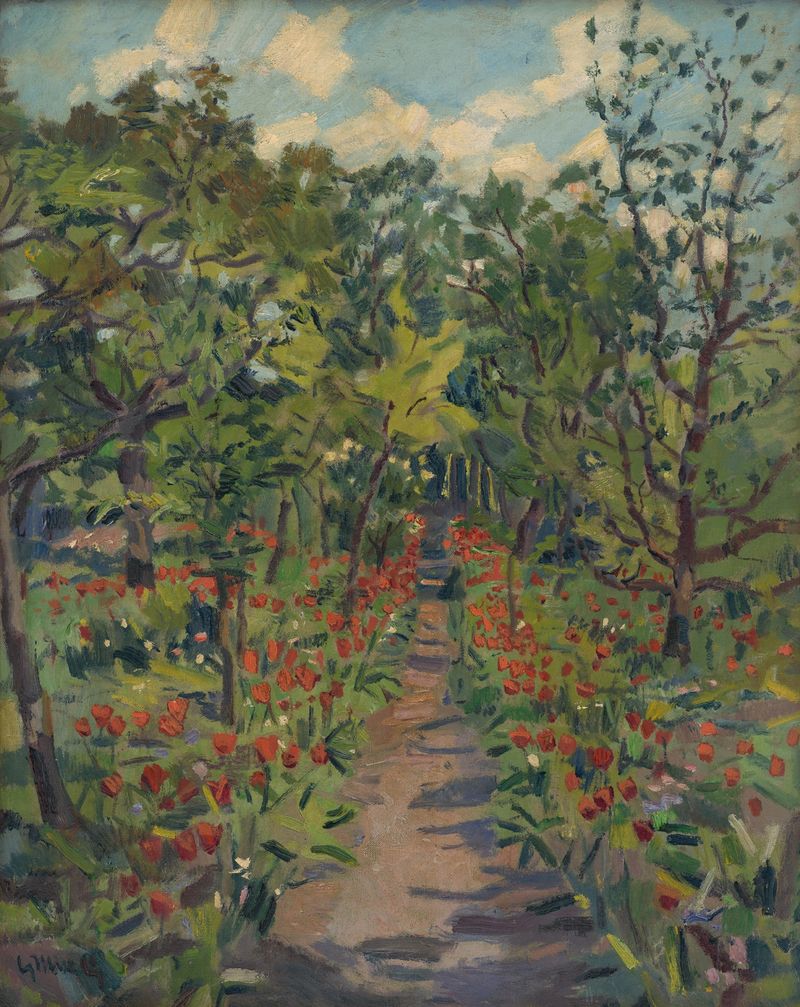
Walk in Petržalka Park
Gustáv Mallý

From the Tatras
Gustáv Mallý

Chief Shepherd with Sheep
Gustáv Mallý

Landscape from Petržalka
Gustáv Mallý
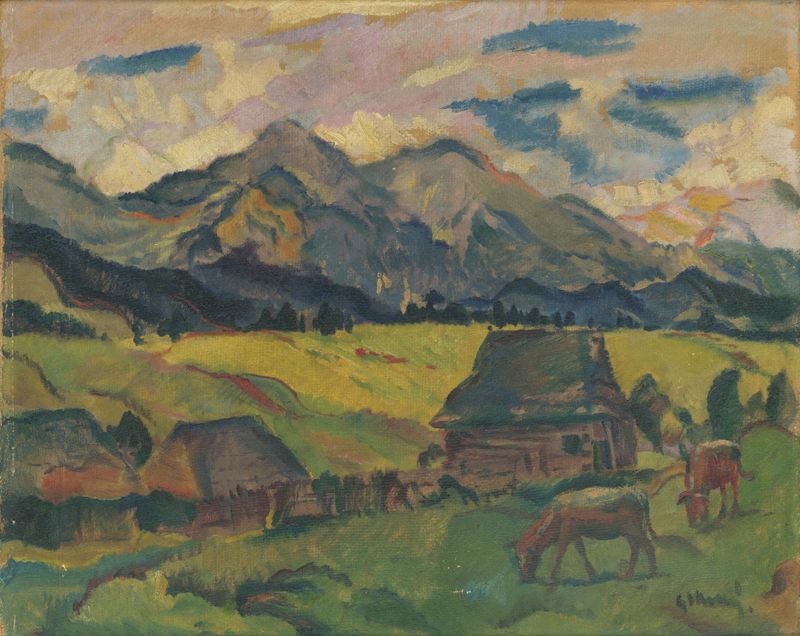
Motif from Ždiar
Gustáv Mallý
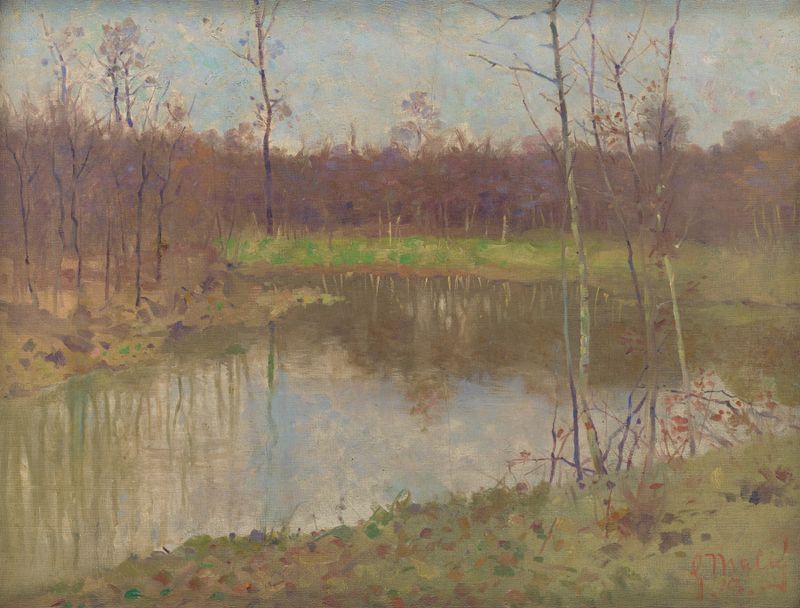
Landscape with a Fishpond
Gustáv Mallý
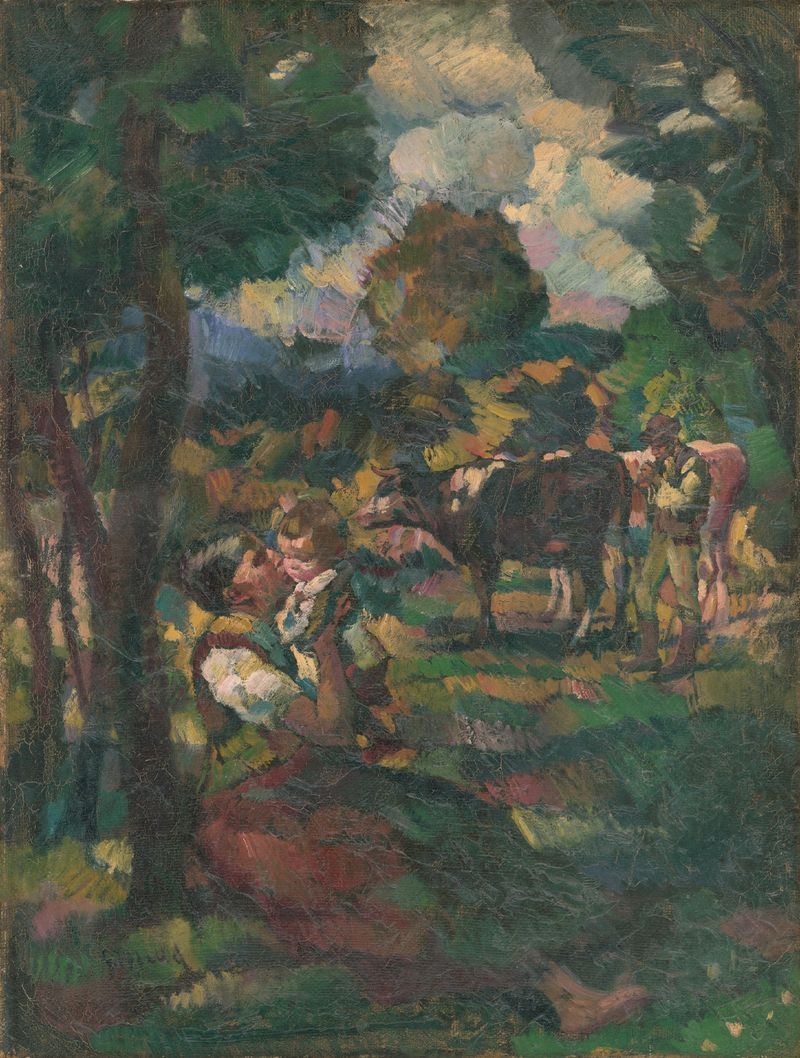
Summer
Gustáv Mallý





