
'Madame Adelaide' by , Phoenix Art Museum — History & Facts
The first thing that catches the eye in Madame Adelaide by Adélaïde Labille-Guiard is the commanding presence of the sitter, dressed in a sumptuous red and silver gown, her powdered hair crowned with a delicate ribbon. She stands poised between a gilded chair and a monumental medallion, her hand resting lightly on a white cloth as if she has just finished unveiling the portraits before her. The oval frame, draped in deep violet velvet, displays three sculpted profiles, their dark silhouettes sharply outlined against the pale background—an image within the image that hints at lineage, memory, and the weight of dynastic identity.
The light falls with precision, illuminating the textures of silk, lace, and gold embroidery, and guiding the viewer’s gaze from the sitter’s calm, intelligent face to the tools of her artistry: the brush and the medallion. Every detail, from the sheen of the fabric to the stately architectural backdrop, signals both the sitter’s rank and the painter’s technical command. Painted around 1787, this portrait belongs to a world on the cusp of revolution, when artists like Labille-Guiard were negotiating their place in the academies and salons of late eighteenth-century France. Portraits of this scale and grandeur were often commissioned by or for the aristocracy, serving as both personal commemoration and public statement.
The Phoenix Art Museum’s oil on canvas is a testament to the era’s fascination with lineage, status, and the visual language of power—here, the medallion-within-the-painting acts as a symbol of heritage and perhaps of the sitter’s role as custodian of family memory. While history has kept few traces of this particular work’s journey, its presence today invites us to marvel at both the sitter’s self-assurance and the artist’s ability to capture the intricate dance between identity and display. Look again at the way the light caresses the folds of silk and the thoughtful expression that seems to invite a conversation across centuries.
More Artworks by Adélaïde Labille-Guiard
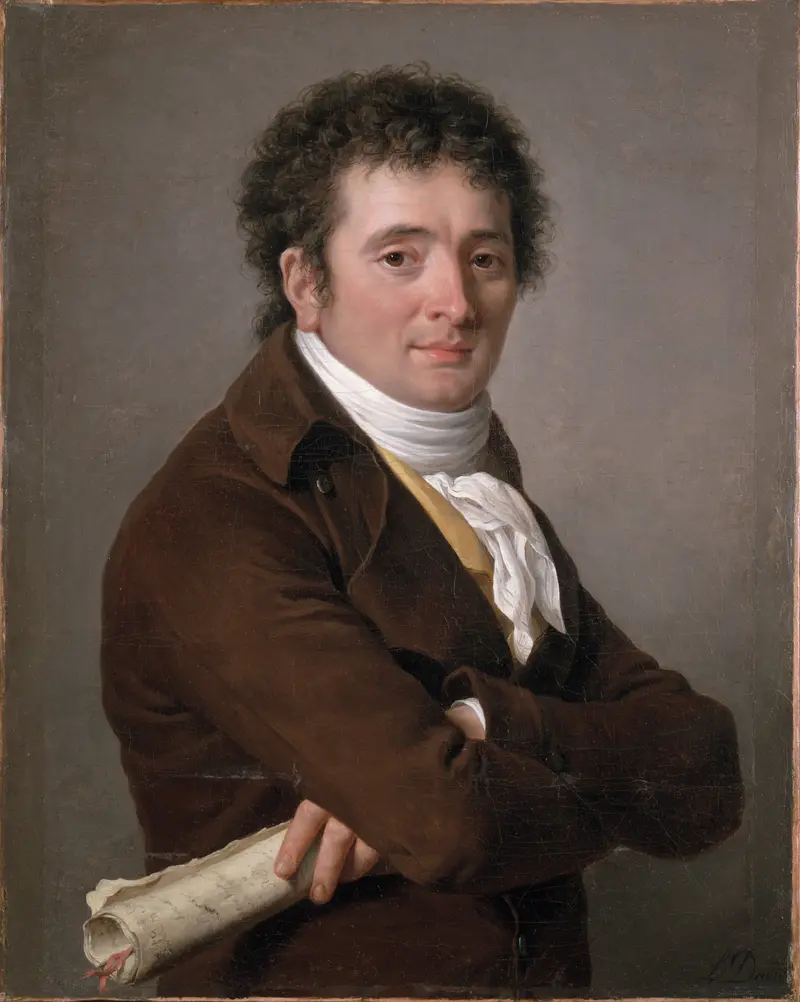
Tournelle, called Dublin (1761-1820)
Adélaïde Labille-Guiard
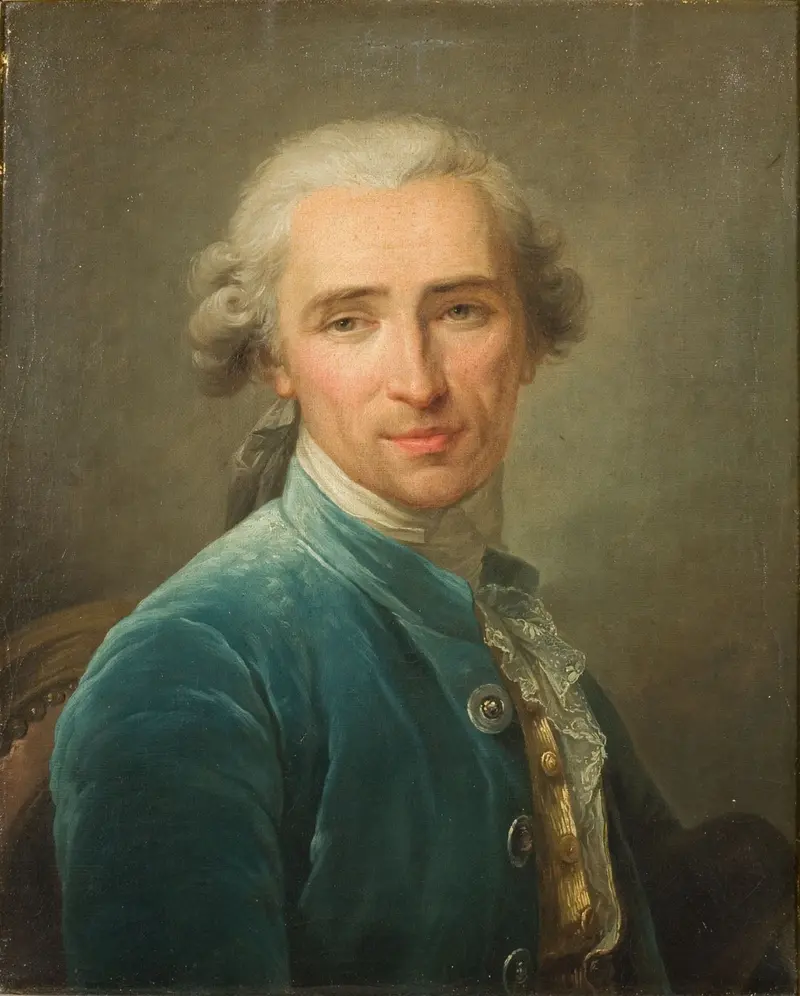
Portrait de Joseph Benoît Suvée
Adélaïde Labille-Guiard
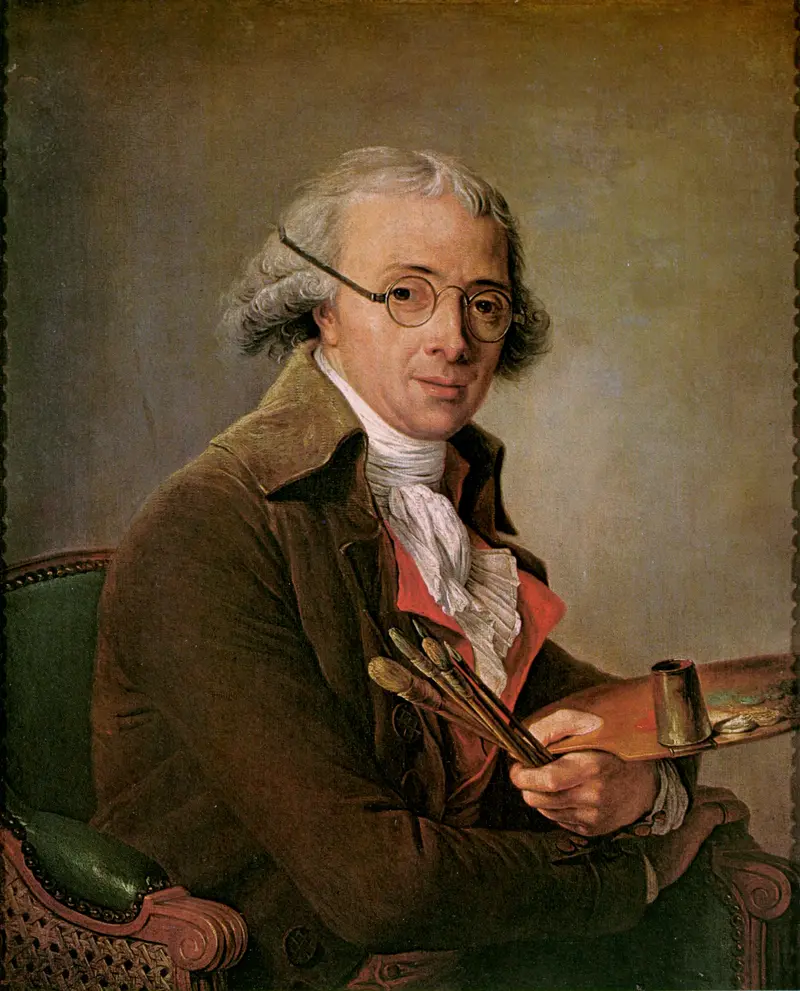
The Painter François-André Vincent
Adélaïde Labille-Guiard
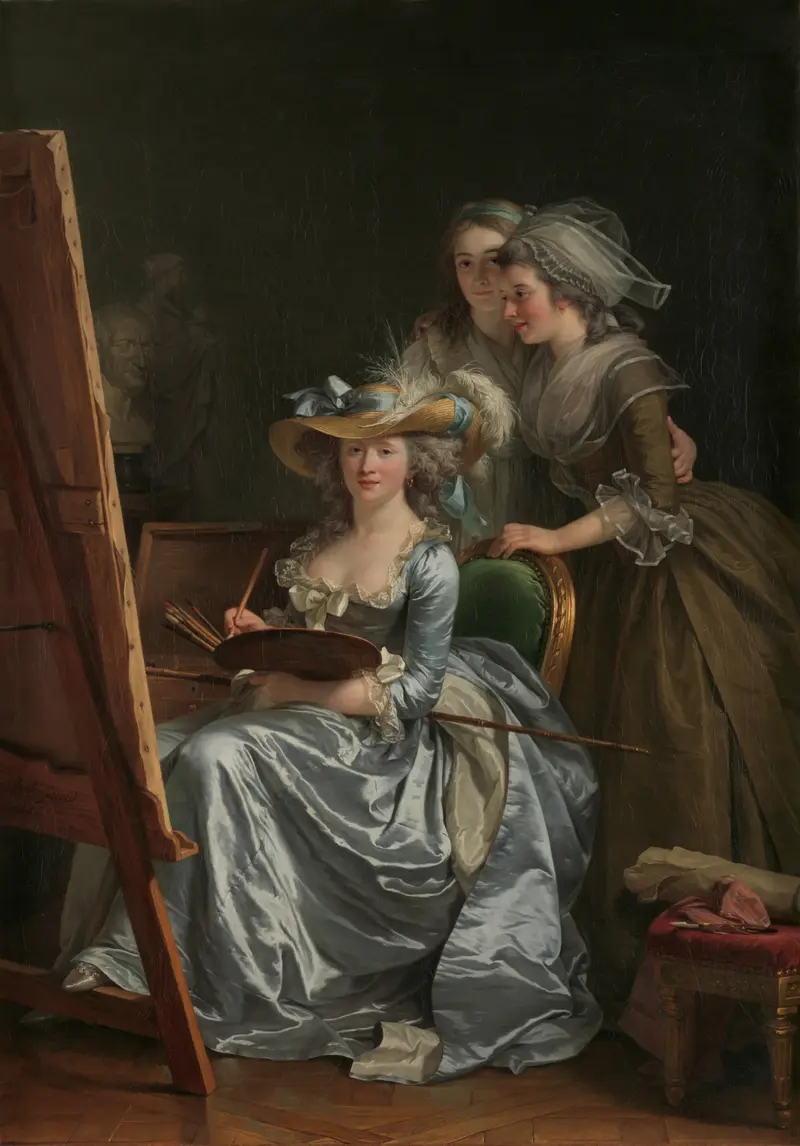
Self-Portrait with Two Pupils
Adélaïde Labille-Guiard
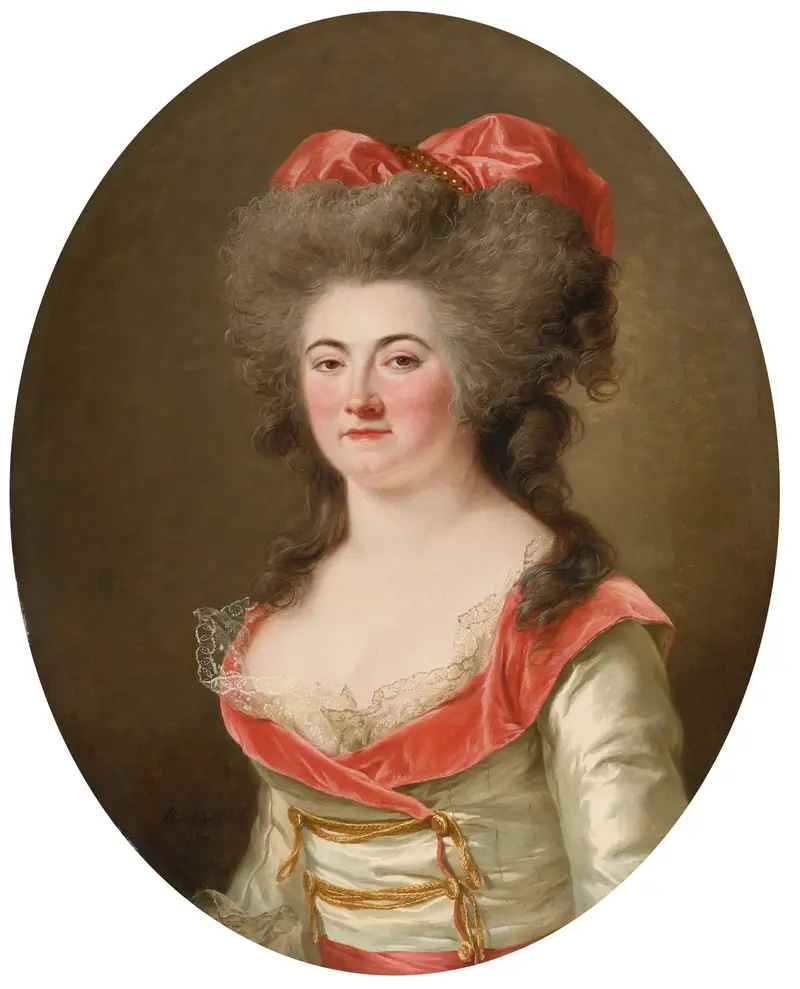
Portrait of a Lady
Adélaïde Labille-Guiard
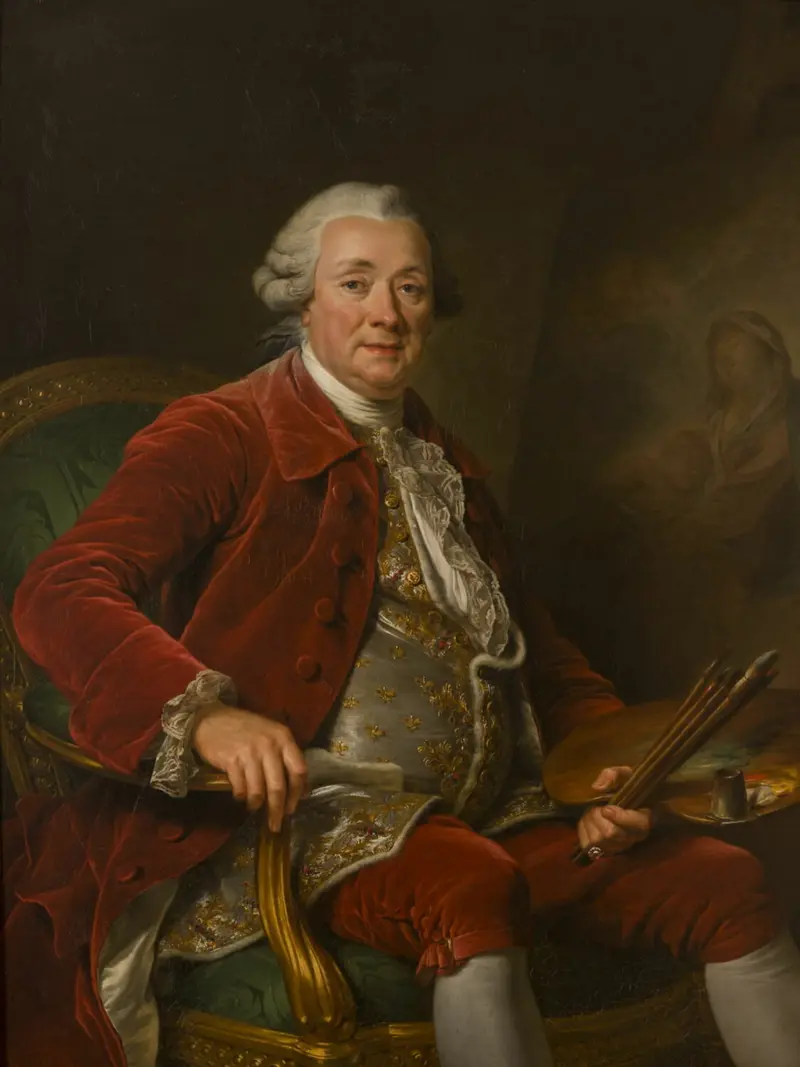
Portrait of Charles-Amédée-Philippe Van Loo
Adélaïde Labille-Guiard

Portrait of Elisabeth of France, Duchess of Parma (1727-1759)
Adélaïde Labille-Guiard
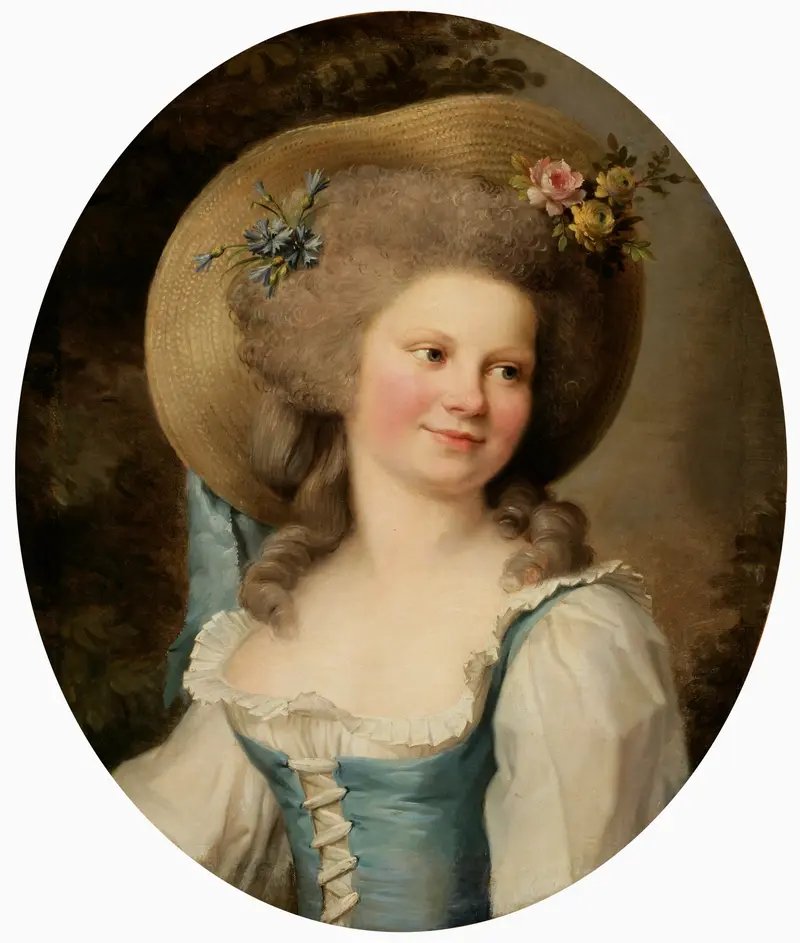
Mme Dugazon in the role of Babet
Adélaïde Labille-Guiard
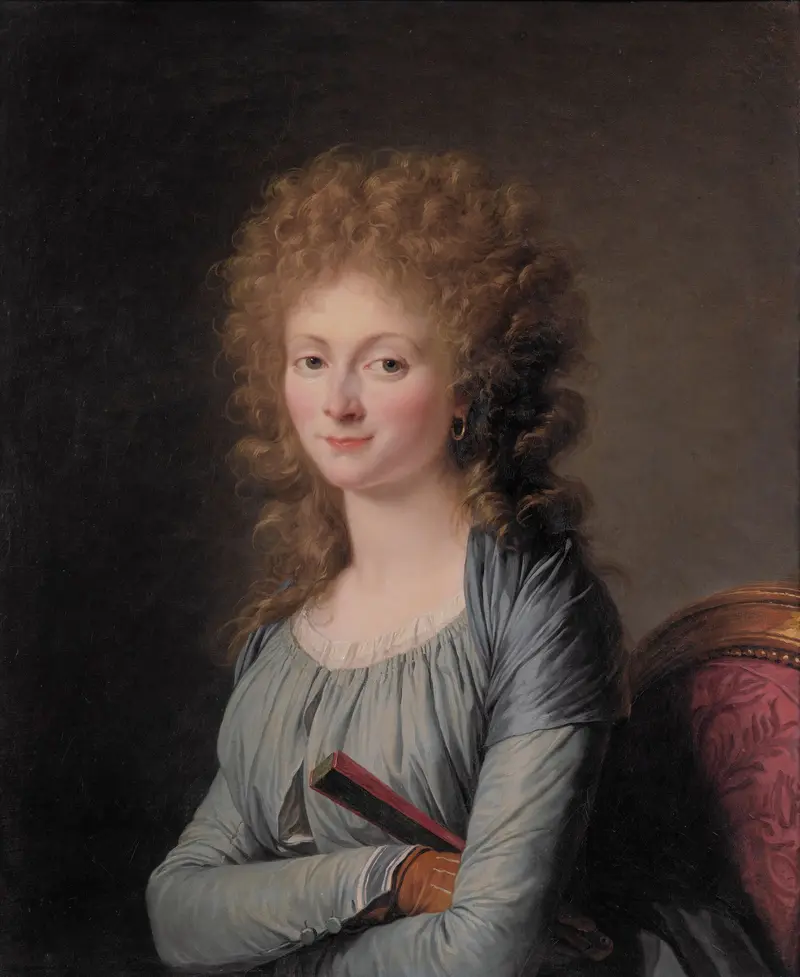
Portrait of Duchesse d'Aiguillon
Adélaïde Labille-Guiard
Monsieur Meunier
Adélaïde Labille-Guiard





