
Madame Hanka Zborowska — History & Facts
In 1917, Amedeo Modigliani painted his friend and muse Hanka Zborowska, the wife of his dealer Léopold Zborowski, at a time when his distinctive portraits were beginning to attract the attention of Parisian collectors. The sitter’s identity is crucial: Hanka was not only a confidante, but also a supporter during Modigliani’s most turbulent years. Their friendship, forged in the bohemian Montparnasse circle, gave rise to several portraits, but this particular likeness is among the most intimate.
Unlike the scandal that erupted around his nudes, this work quietly entered the world, yet it captures a different kind of daring—an artist’s trust in his subject. Hanka sits with her long neck and almond eyes, her face elongated in the unmistakable style of Modigliani, gazing just past the viewer. The moment is one of stillness, as if she has paused in thought, her hands folded in her lap. The gentle curve of her posture, the subtle tilt of her head, and the simplified background draw all attention to her presence.
The artist’s palette—muted but warm—suggests both affection and restraint. Unlike the psychological probing of a Van Gogh portrait, Modigliani’s approach is to distill character through form: the mask-like face, the serene expression, the elegant line. The exact medium of this work remains uncertain, as is sometimes the case with Modigliani’s paintings from this period, but its provenance is closely tied to the Zborowski family, who supported the artist financially and emotionally. After Modigliani’s death in 1920, his portraits of Hanka remained with the family for some years before entering private and then public collections.
Today, Madame Hanka Zborowska is recognized as a key example of the artist’s mature portraiture, created during his brief but prolific Paris years. It stands as a testament to the close-knit creative world of Montparnasse and the enduring bond between artist and sitter.
More Artworks by Amedeo Modigliani
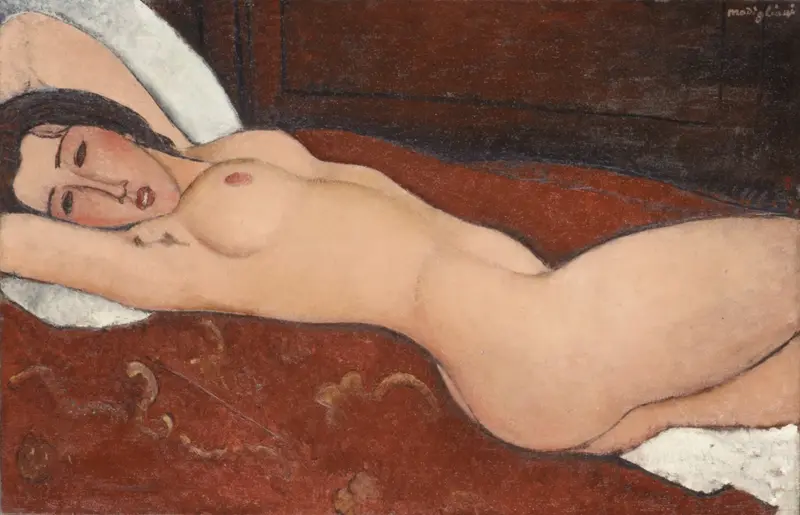
Reclining Nude
Amedeo Modigliani

Portrait Of Jeanne Hébuterne
Amedeo Modigliani

Jeanne Hébuterne
Amedeo Modigliani
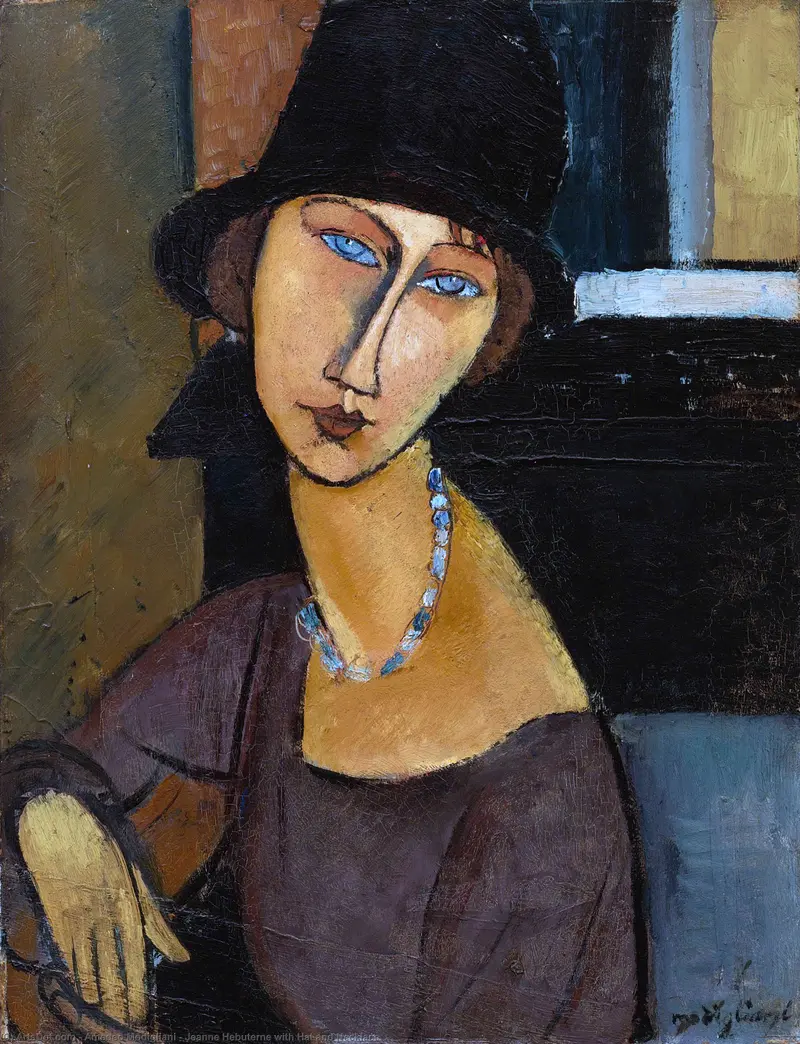
Jeanne Hébuterne with Hat and Necklace
Amedeo Modigliani
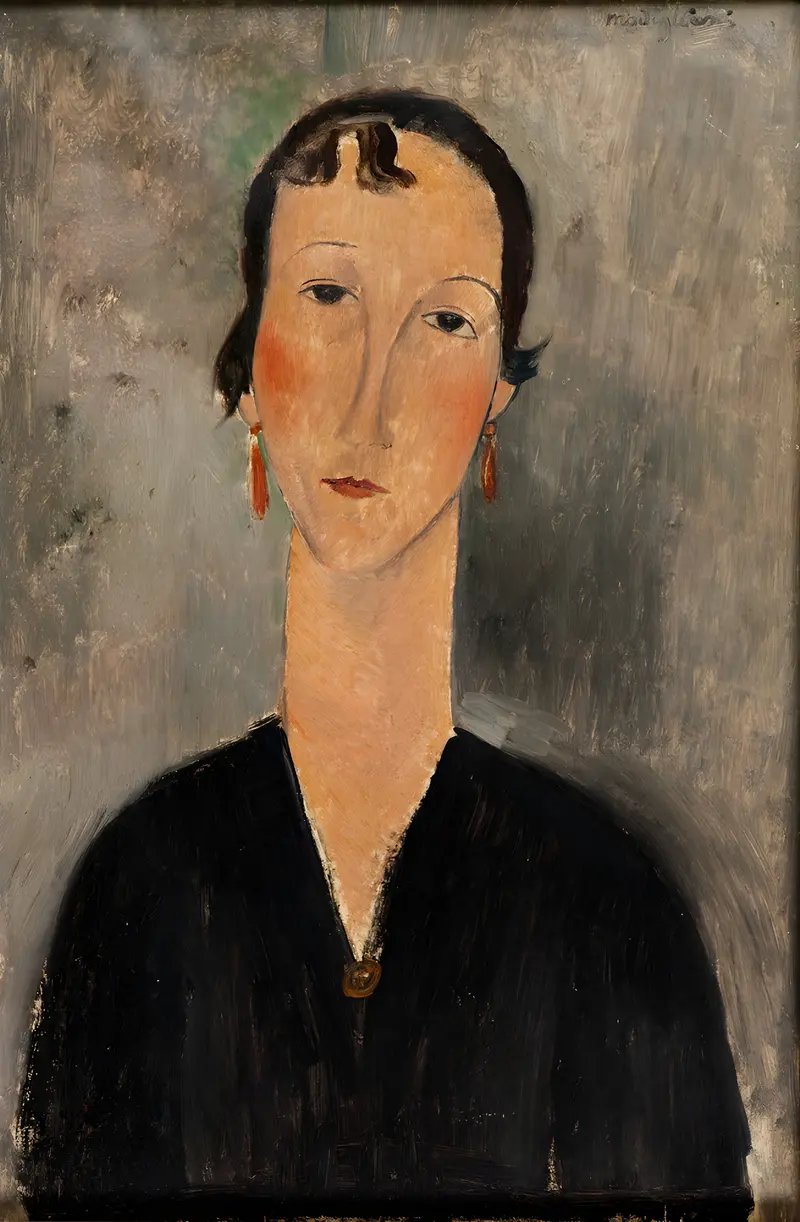
Femme aux boucles d'oreilles
Amedeo Modigliani
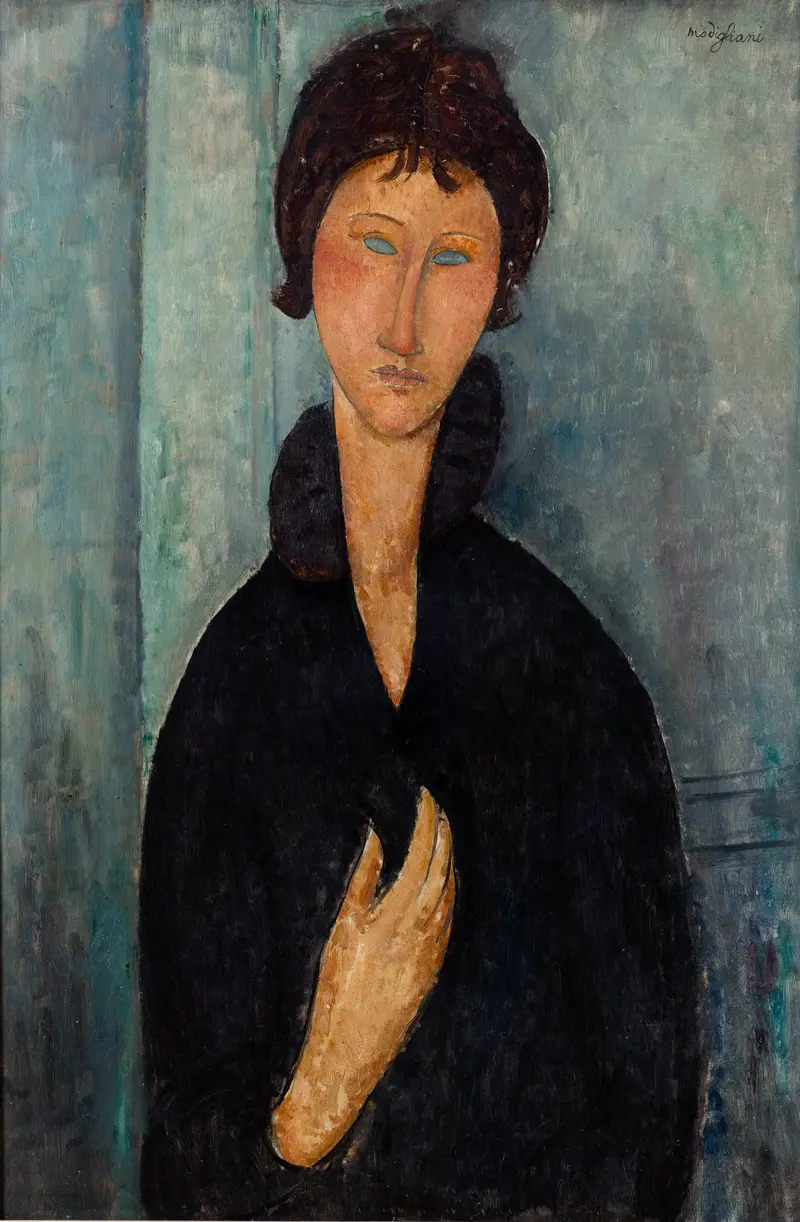
Femme aux yeux bleus
Amedeo Modigliani
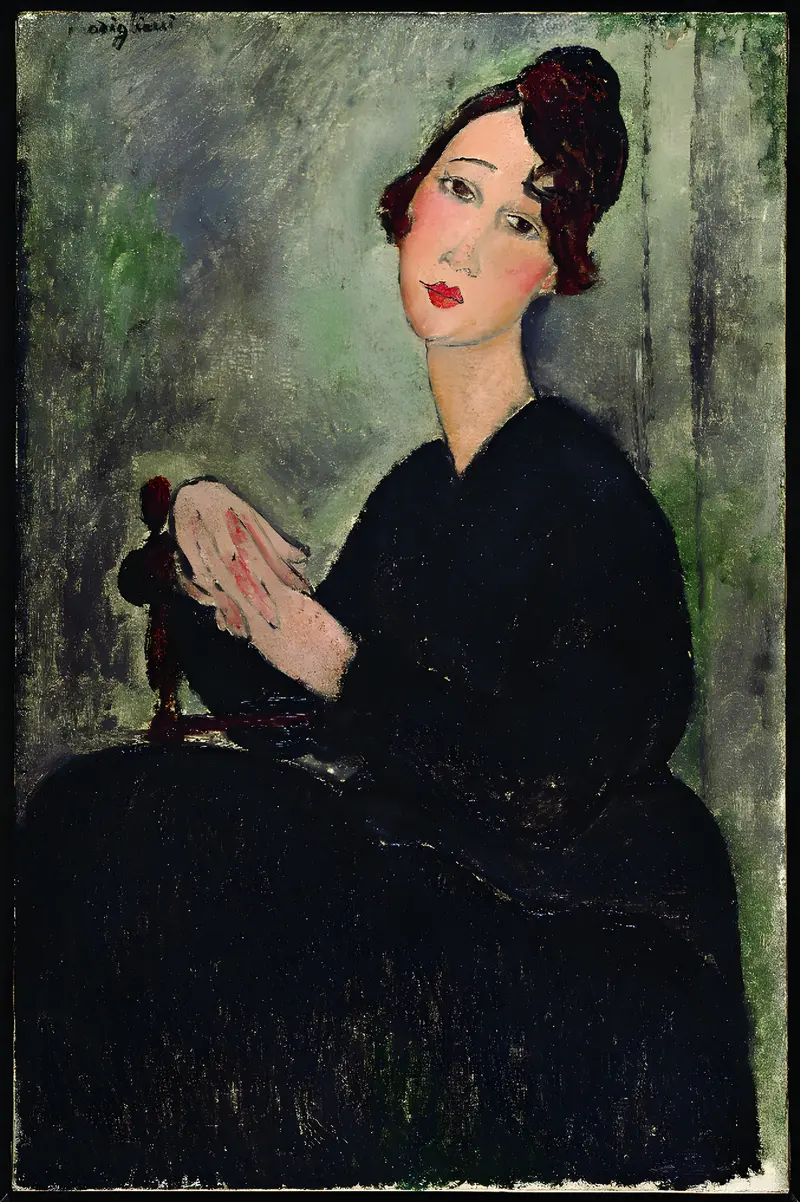
Portrait of Dedie
Amedeo Modigliani
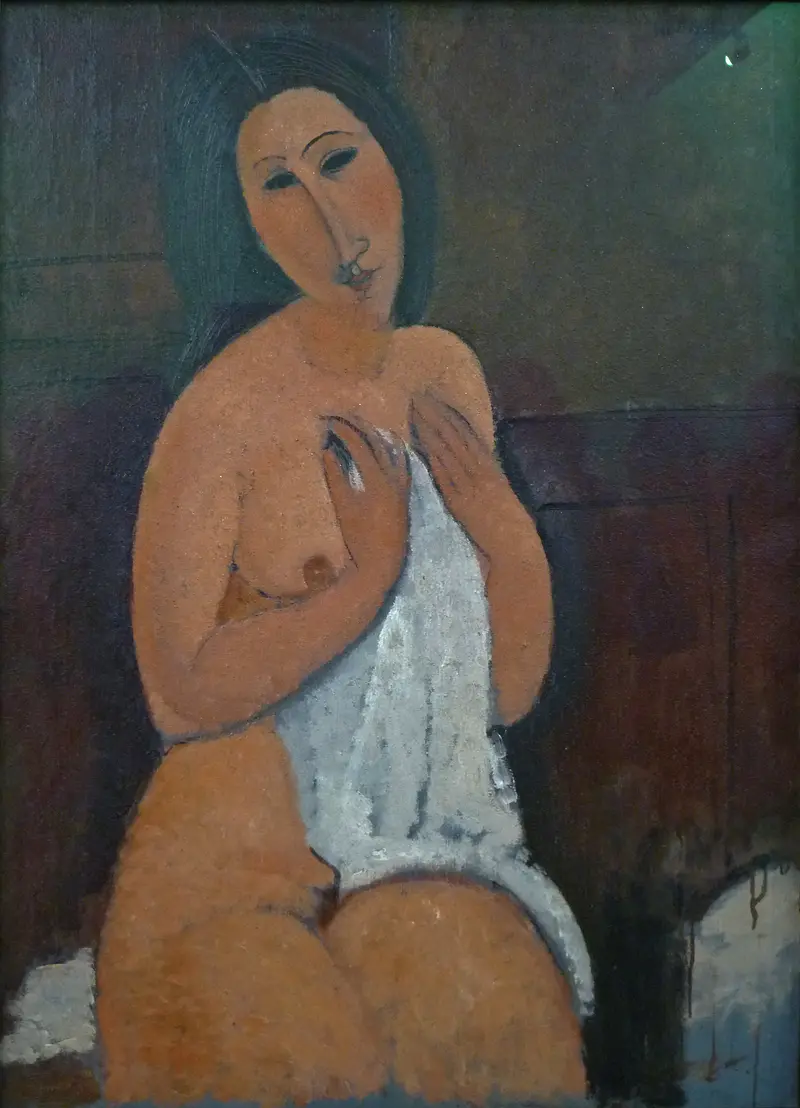
Seated nude with shirt
Amedeo Modigliani
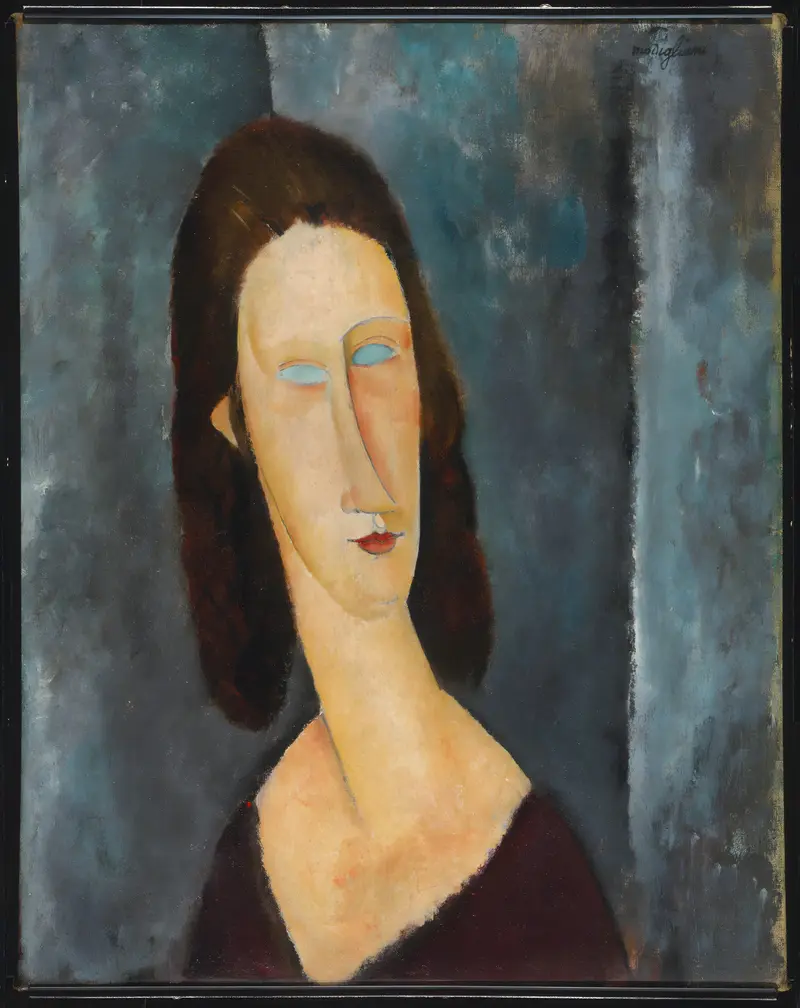
Blue Eyes (Portrait of Madame Jeanne Hébuterne)
Amedeo Modigliani
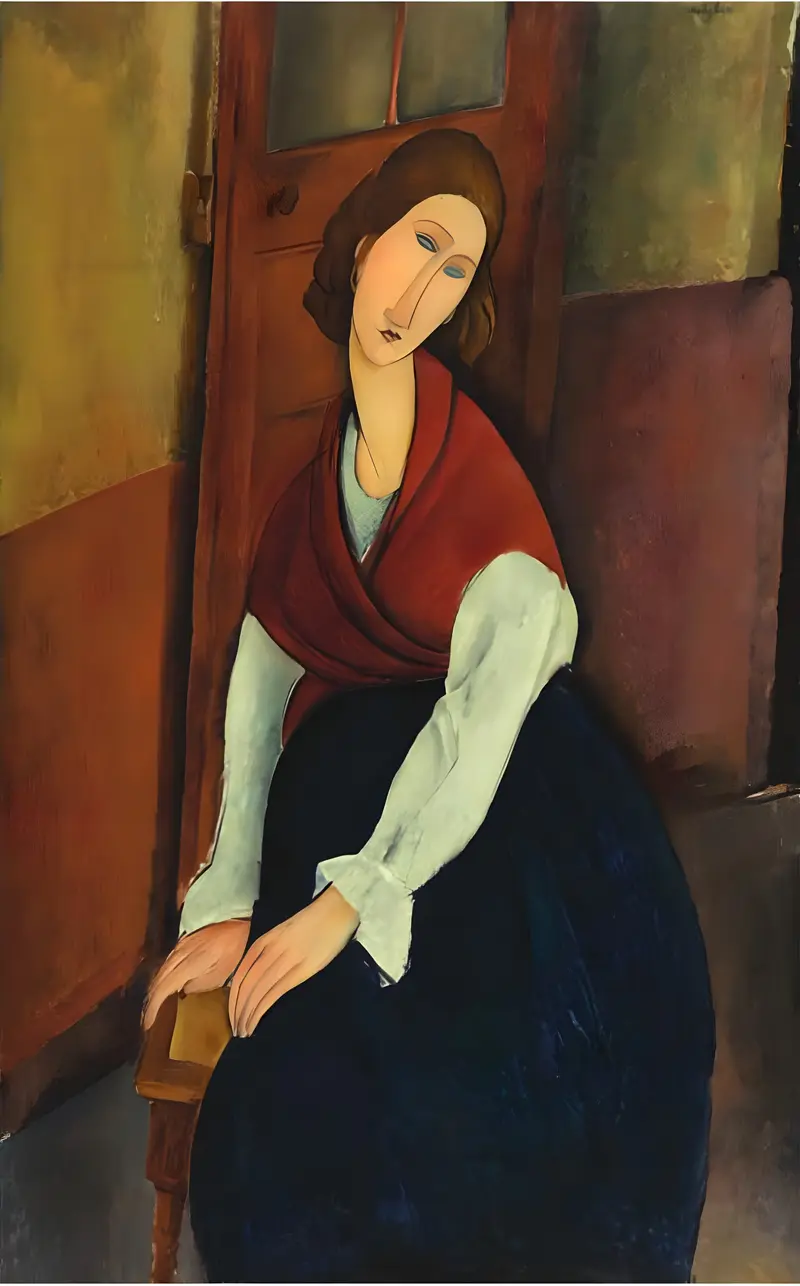
Jeanne Hebuterne in Red Shawl
Amedeo Modigliani





