
Madame Marsollier and Her Daughter — History & Facts
What first catches the eye is the sense of intimacy and luxury shared between two figures, their silk gowns pooling in luminous folds, as if the painter has caught them in a private moment of gentle ritual. The older woman, poised before her dressing table, holds a delicate sprig of flowers, her gaze lifted and serene. Her daughter, seated close and wrapped in a golden shawl, offers a jewel box with both hands, her expression quietly attentive.
The interplay of gestures—one hand arranging, the other presenting—creates a silent conversation about inheritance, grace, and the rituals of femininity. Light glances off the polished surfaces and the crisp lace, drawing the viewer’s eye from the mother’s composed face to the daughter’s youthful curiosity, and finally to the ornate objects that signal wealth and refinement. Painted in 1749, this work by Jean-Marc Nattier belongs to the world of mid-eighteenth-century France, when portraiture was both a celebration of status and a coded performance of family roles. In this era, such paintings were commissioned to display not only likeness but also virtue, lineage, and the cultivated tastes of the sitters.
The silk, the gold, the marble column in the background—all speak to a society where appearances were carefully managed, and where the domestic sphere was a stage for both affection and ambition. While history has left few traces about this particular portrait’s journey, its presence today in the Metropolitan Museum of Art’s collection invites us to linger over the details and imagine the lives behind the silks and smiles.
More Artworks by Jean-Marc Nattier

Madame Crozat de Thiers and Her Daughter
Jean-Marc Nattier
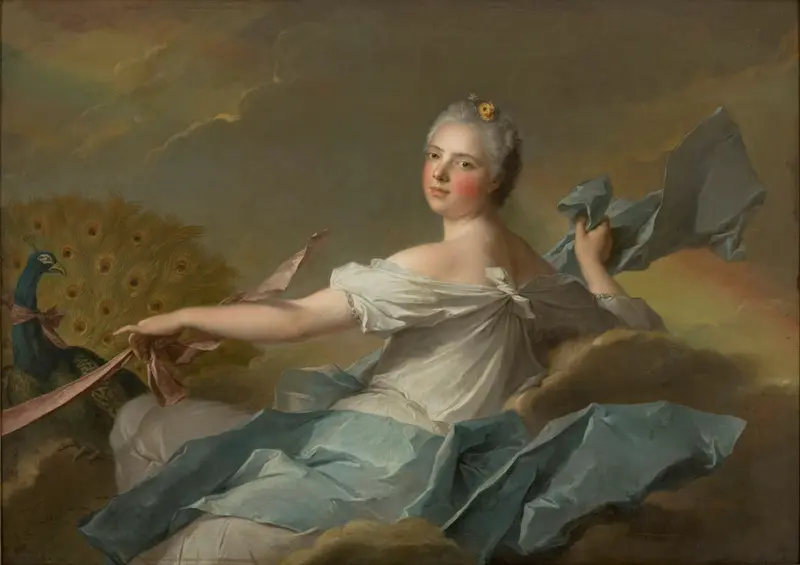
Princess Marie Adélaïde of France - The Air
Jean-Marc Nattier
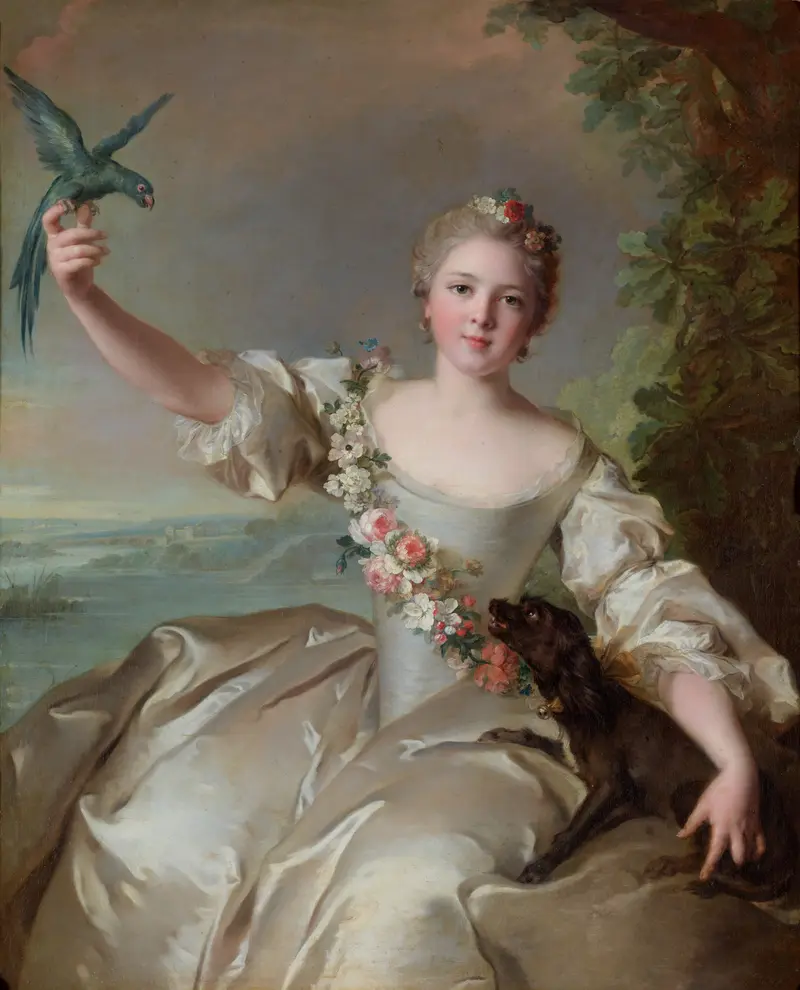
Portrait de Mathilde de Canisy, marquise d'Antin
Jean-Marc Nattier
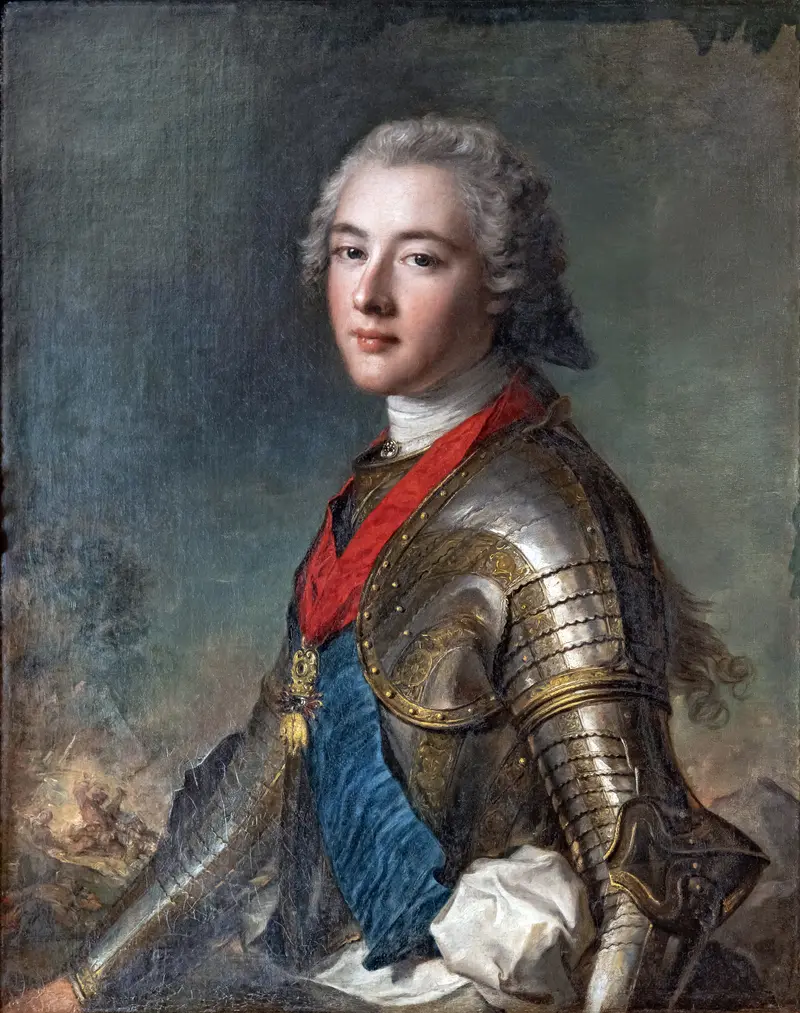
Bemberg Fondation Toulouse - Portrait de Louis Jean Marie de Bourbon, Duc de Penthièvre - Jean Marc Nattier inv.1158 82x65.4
Jean-Marc Nattier
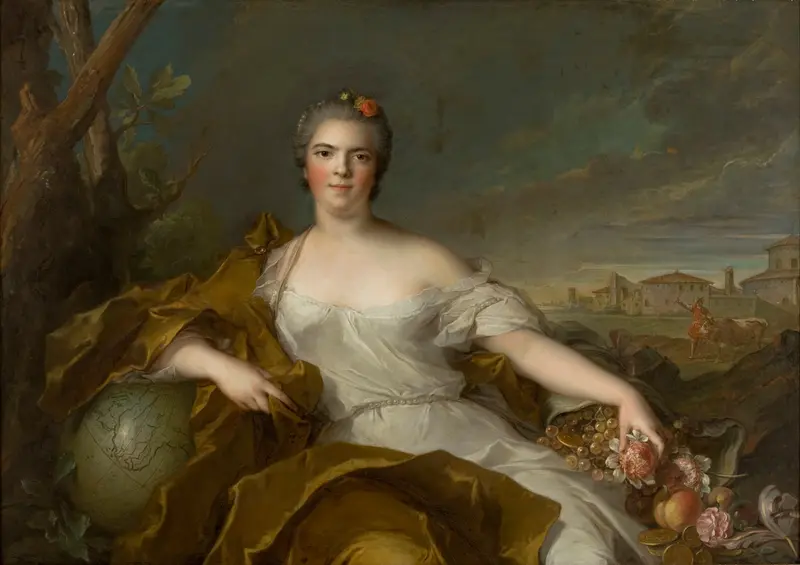
Princess Louise-Élisabeth of France - The Earth
Jean-Marc Nattier
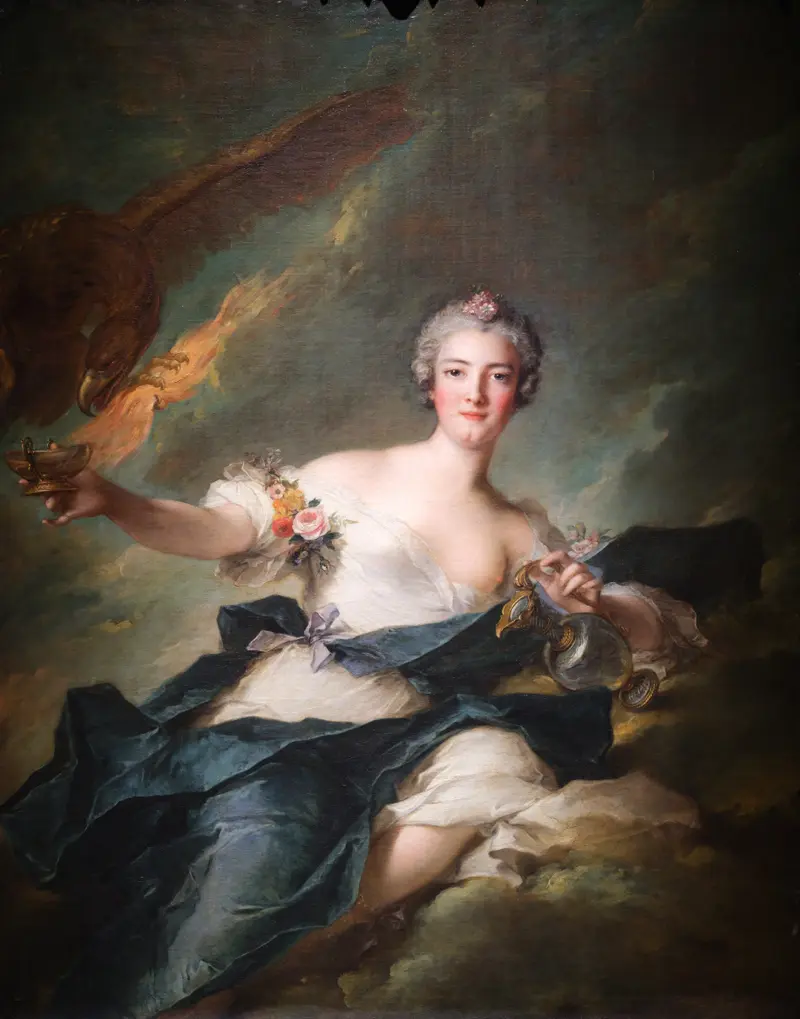
The Duchess of Chaulnes Represented as Hebe
Jean-Marc Nattier
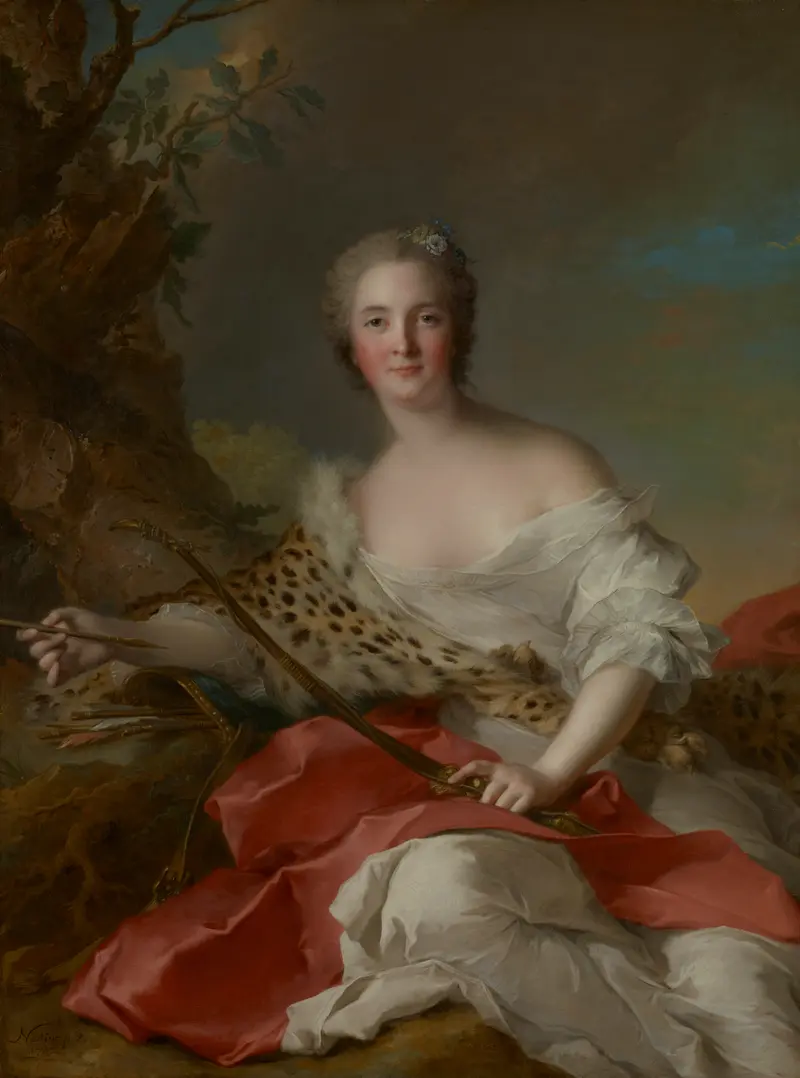
Portrait of Madame Bonnier de la Mosson as Diana (Constance-Gabrielle-Magdeleine du Monciel de Lauraille
Jean-Marc Nattier
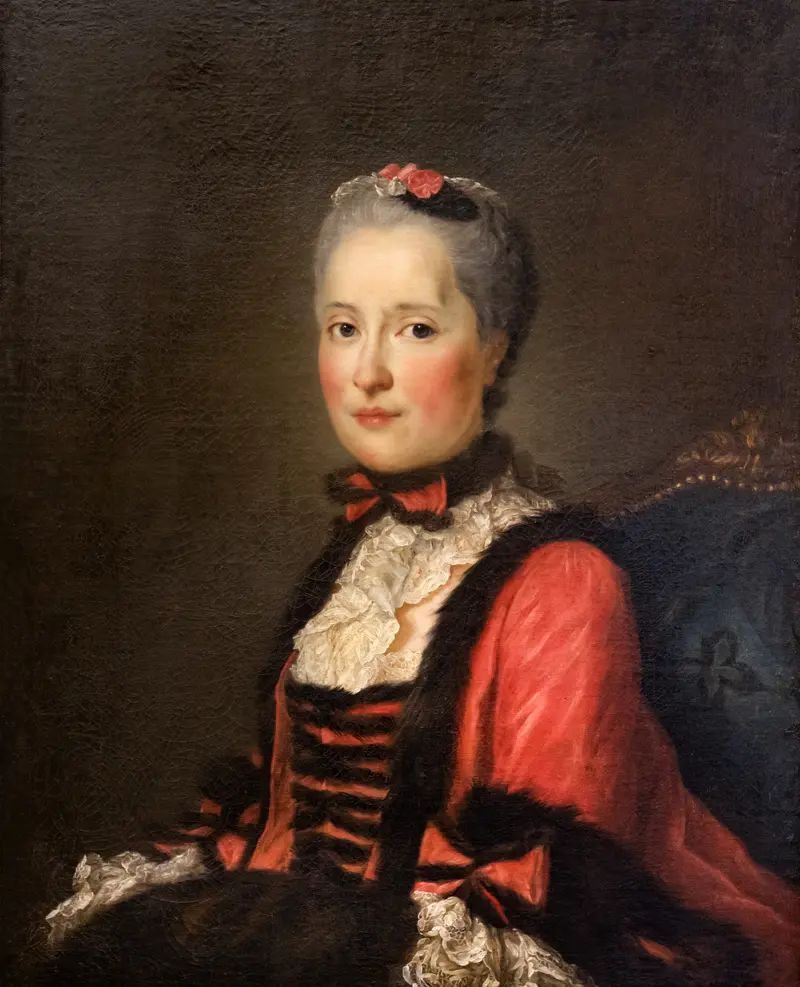
Portrait of Marie-Josephe of Saxony, Dauphine of France
Jean-Marc Nattier
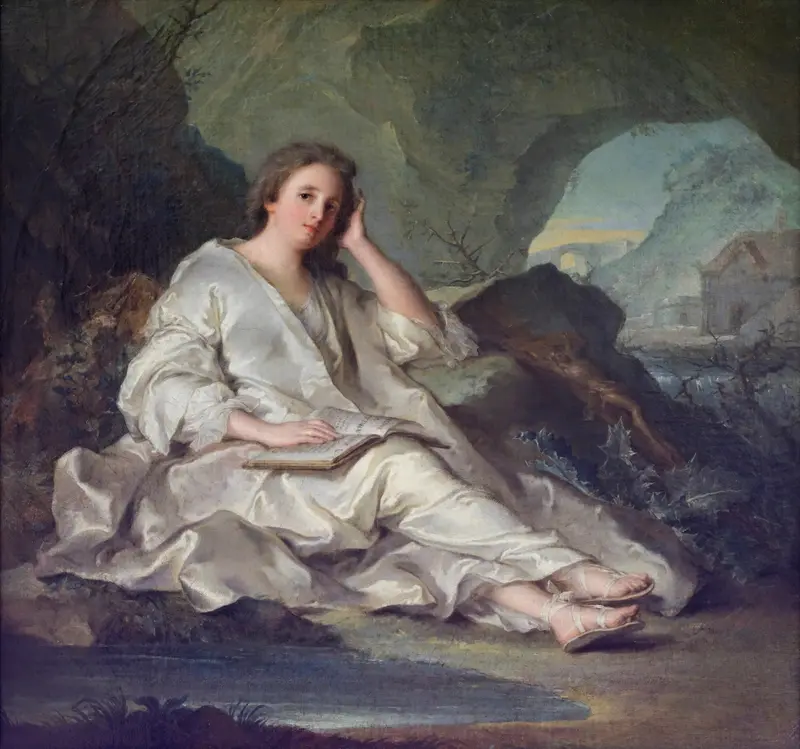
La Madeleine, ou Une Pénitente dans le désert Musée du Louvre Peintures INV 6880 ; MR
Jean-Marc Nattier
Princess Anne-Henriette of France - The Fire
Jean-Marc Nattier





