
Mademoiselle de Clermont en sultane — History & Facts
The first thing to catch the eye is the cool, poised confidence of the central figure, her pale skin and silvery gown illuminated as if she were the source of light itself. Every detail around her seems designed to heighten this sense of staged luxury: the rich, patterned carpets beneath her feet, the cascade of water pouring from a vessel at the lower right, and the attentive figures who gather around, each engaged in a different act of service or admiration. The scene is a theatre of fantasy and power, the sitter’s direct gaze inviting the viewer to marvel at her ease amid such orchestrated abundance.
The palette—creamy whites, deep reds, and glints of gold—draws the eye in a slow circle around her, returning always to her calmly crossed legs and the gentle, almost playful drape of fabric over her lap. Painted in 1733 by Jean-Marc Nattier, this portrait of Marie Anne de Bourbon, daughter of Louis, Prince of Condé, belongs to a world where French aristocrats delighted in imagining themselves as exotic sovereigns. The “sultane” costume and orientalist setting reflect the Rococo taste for masquerade and fantasy, a trend that swept through the courts of Europe in the early eighteenth century. Such works were often commissioned to flatter their sitters, casting them as both worldly and untouchable, and they reveal much about the era’s fascination with distant lands—filtered always through the lens of privilege and play.
History has kept few traces of the specific journey of this painting, but its theatricality and opulence remain as immediate as the day it was made, inviting the viewer to linger on every shimmering detail.
More Artworks by Jean-Marc Nattier

Madame Crozat de Thiers and Her Daughter
Jean-Marc Nattier
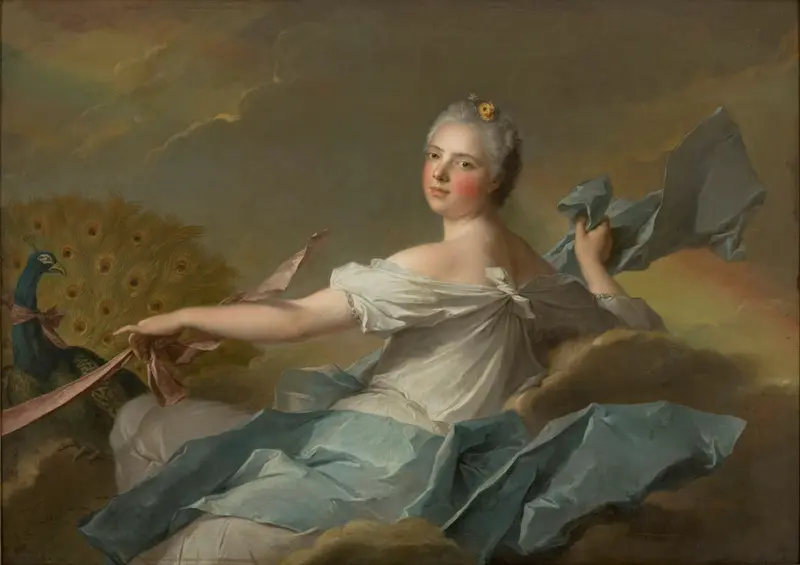
Princess Marie Adélaïde of France - The Air
Jean-Marc Nattier
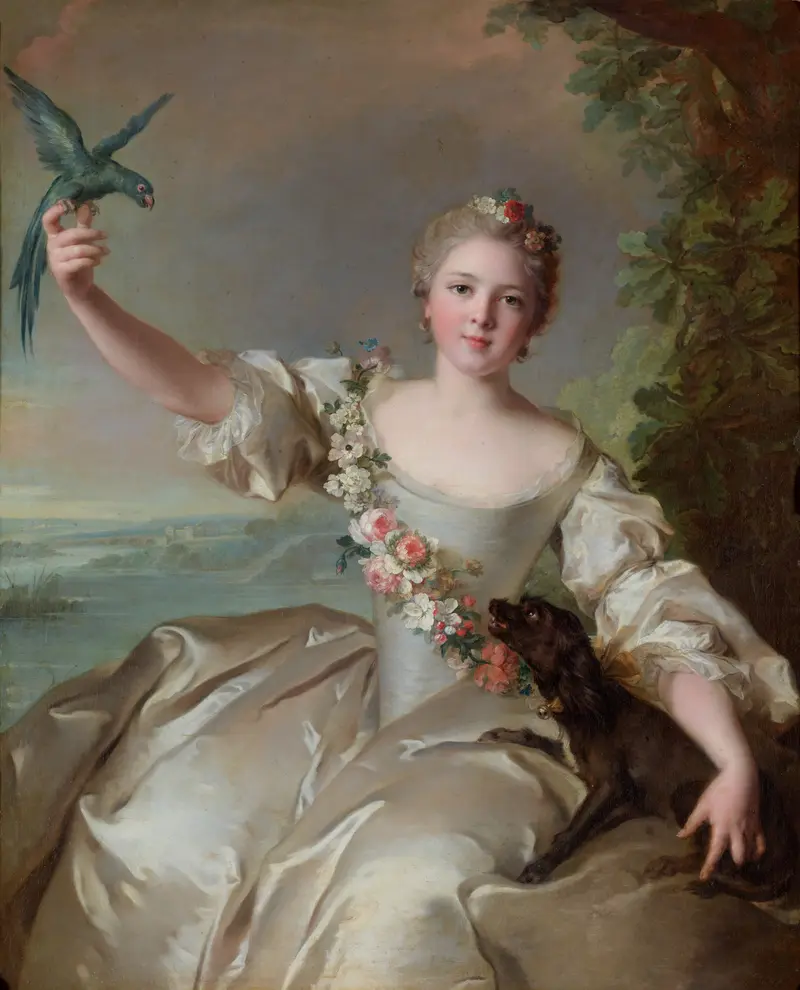
Portrait de Mathilde de Canisy, marquise d'Antin
Jean-Marc Nattier
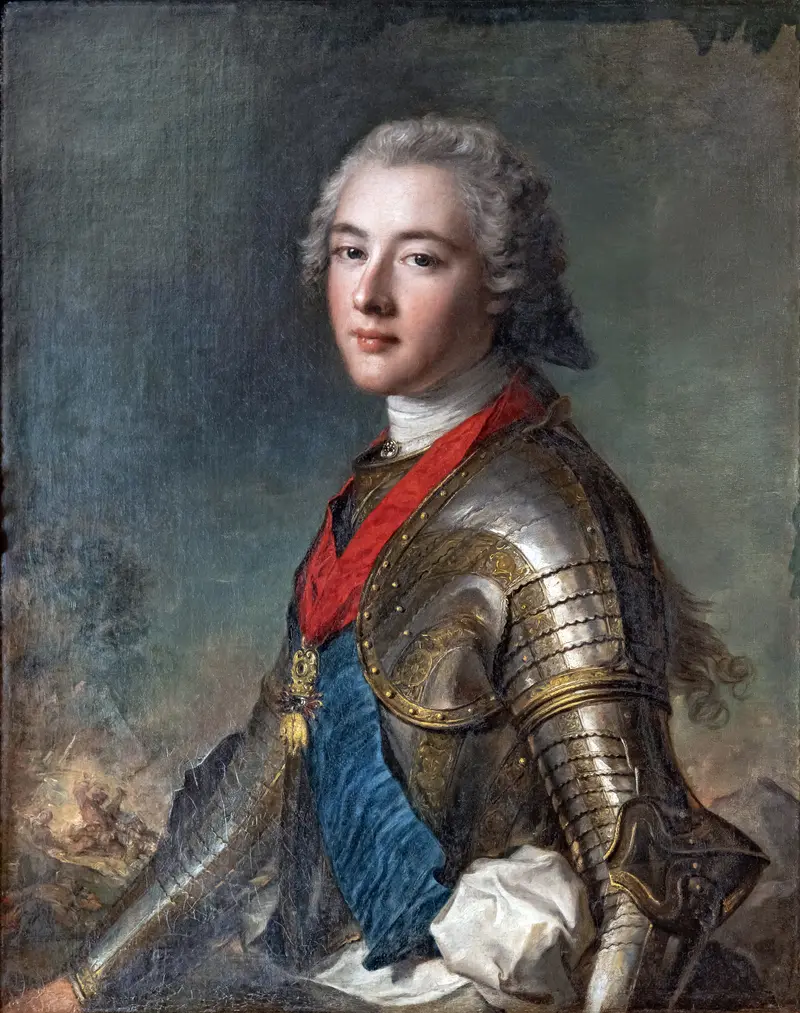
Bemberg Fondation Toulouse - Portrait de Louis Jean Marie de Bourbon, Duc de Penthièvre - Jean Marc Nattier inv.1158 82x65.4
Jean-Marc Nattier
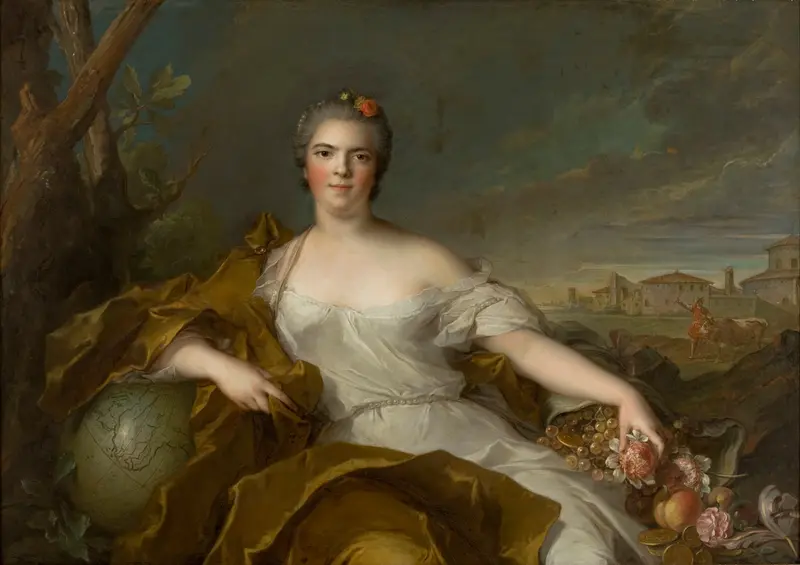
Princess Louise-Élisabeth of France - The Earth
Jean-Marc Nattier
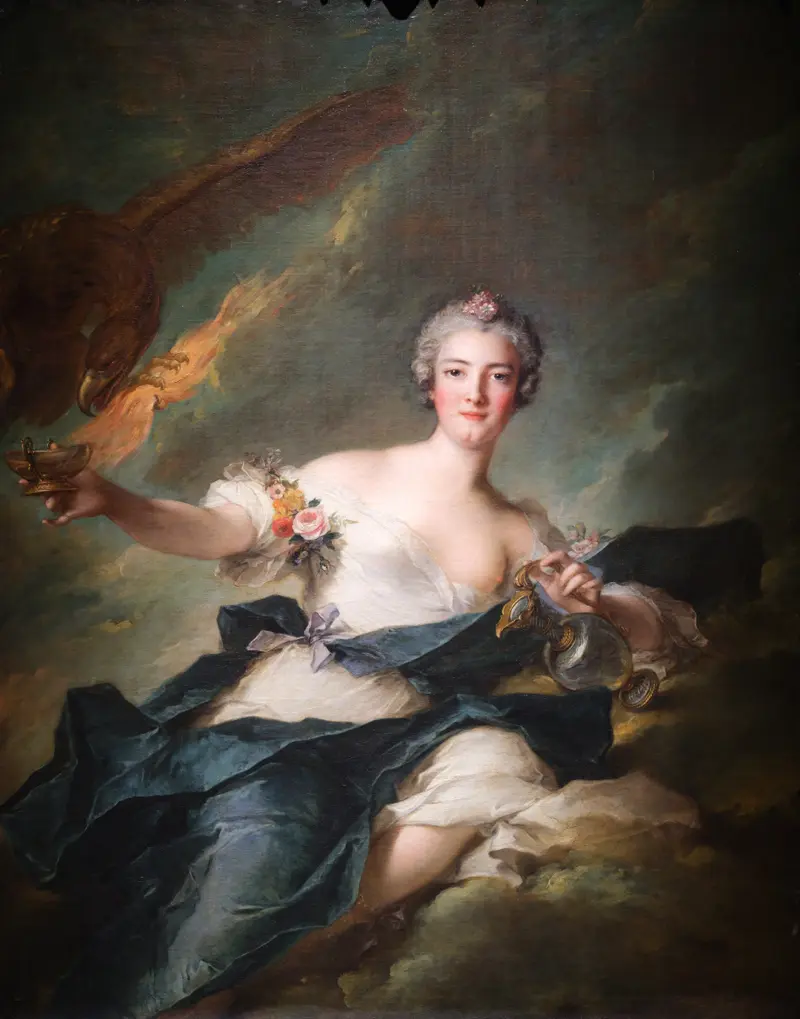
The Duchess of Chaulnes Represented as Hebe
Jean-Marc Nattier
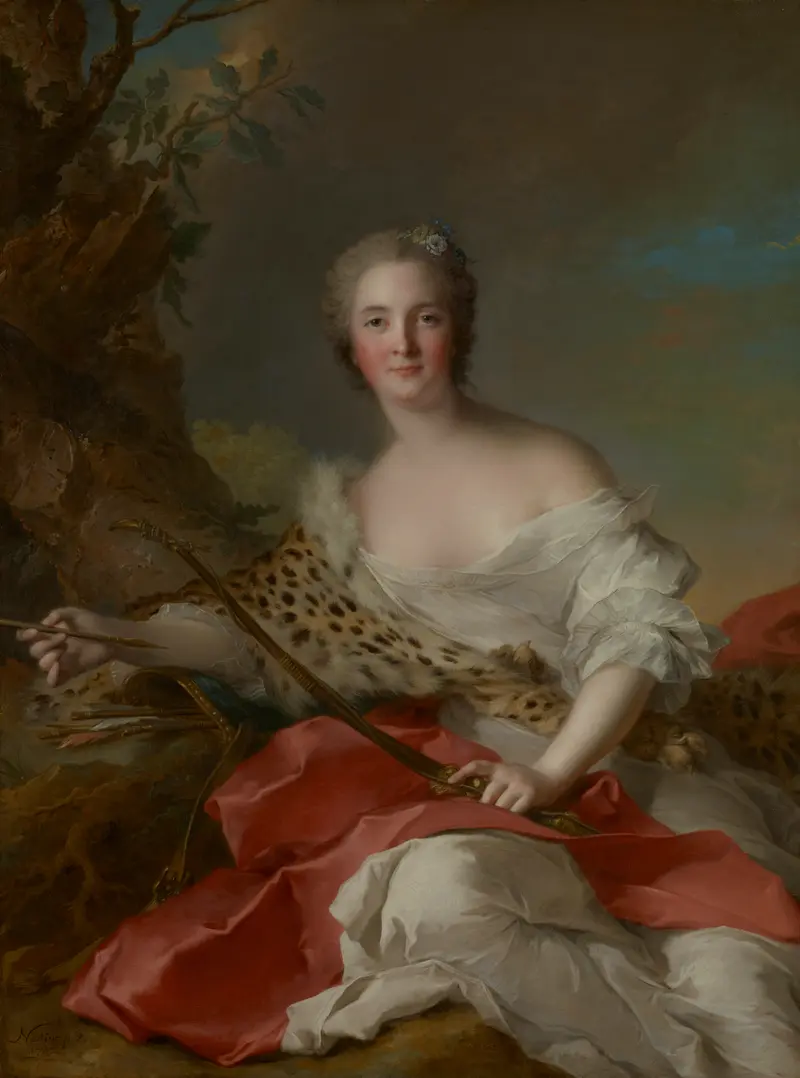
Portrait of Madame Bonnier de la Mosson as Diana (Constance-Gabrielle-Magdeleine du Monciel de Lauraille
Jean-Marc Nattier
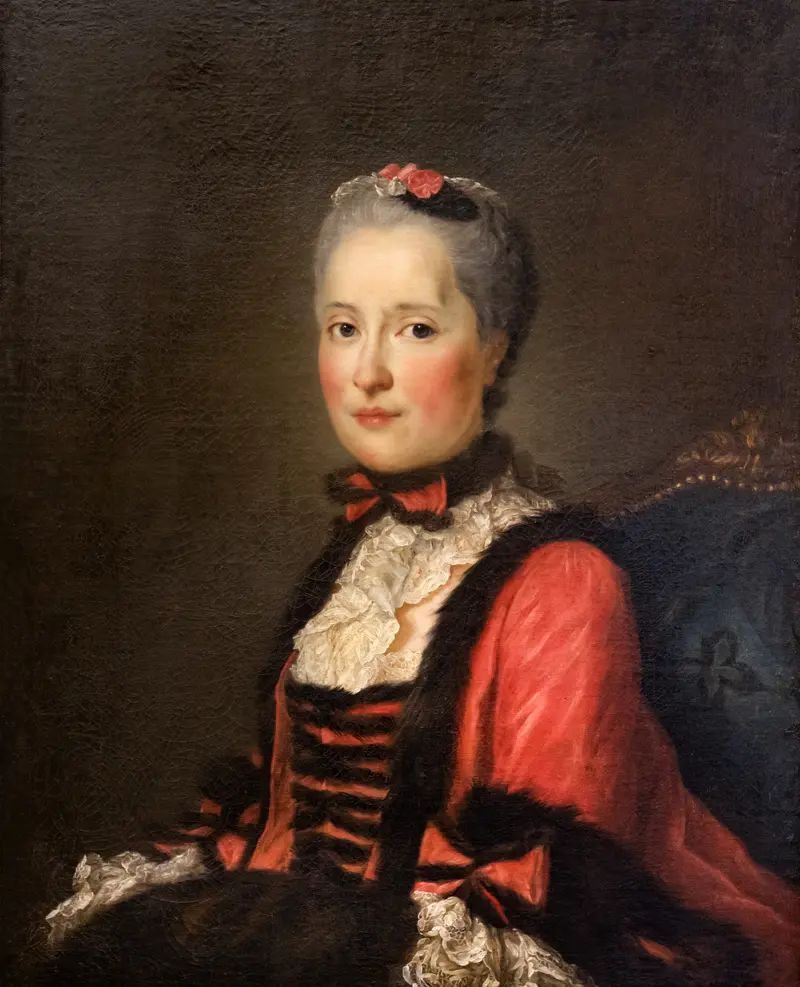
Portrait of Marie-Josephe of Saxony, Dauphine of France
Jean-Marc Nattier
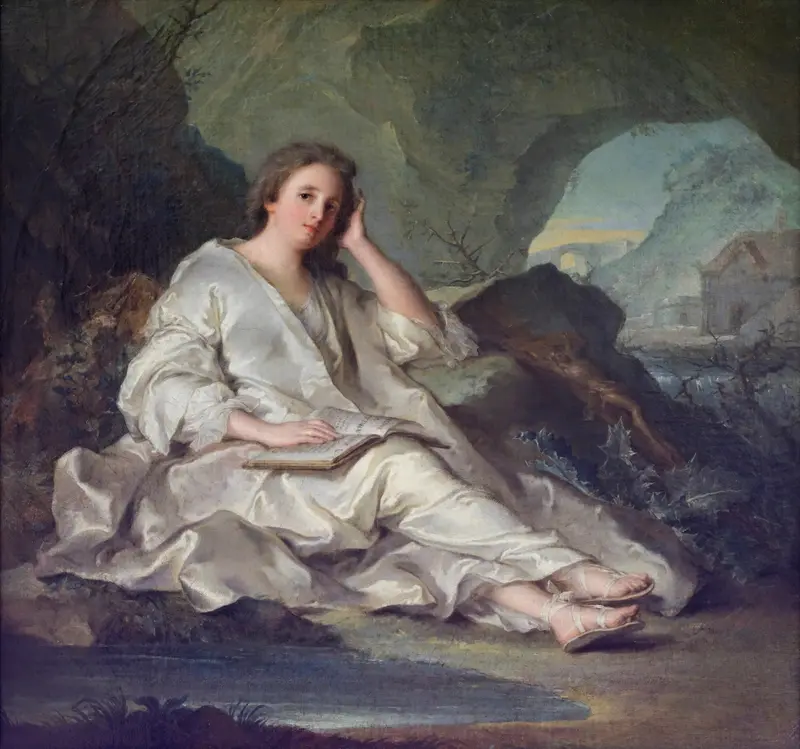
La Madeleine, ou Une Pénitente dans le désert Musée du Louvre Peintures INV 6880 ; MR
Jean-Marc Nattier
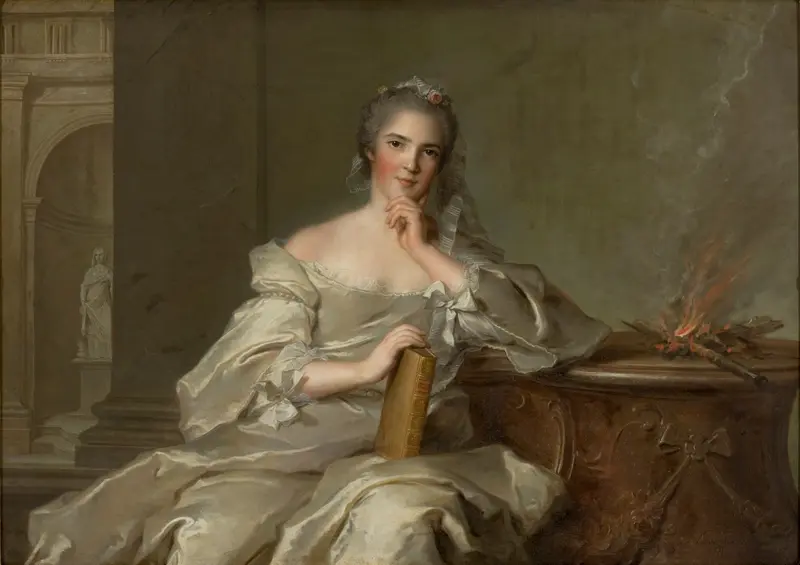
Princess Anne-Henriette of France - The Fire
Jean-Marc Nattier





