
Madonna Adoring the Sleeping Child — History & Facts
No one can say for certain who first gazed upon Madonna Adoring the Sleeping Child—the painting is among the earliest known works by Giovanni Bellini, dating to around 1455, when the young Venetian was just beginning to step out from the shadow of his father, Jacopo Bellini. Scholars have long debated whether this small, intimate image was created for private devotion or as a demonstration piece, as its gentle mood and modest scale set it apart from the grand altarpieces of the period. The painting’s uncertain medium—possibly tempera, possibly oil—adds another layer of mystery, as Bellini was working at the very moment Venetian artists began to experiment with oil techniques learned from the North. In this quiet scene, the Virgin Mary kneels in adoration before her sleeping infant son, her hands folded in prayer.
The Christ Child, lying on a simple white cloth, is rendered with a tenderness that suggests both the vulnerability of a newborn and the foreshadowing of his future sacrifice. The landscape behind them is soft and luminous, with distant hills and a gentle sky, inviting the viewer into a world of contemplation. Unlike the more formal and symbolic Madonnas of Fra Angelico or Piero della Francesca, Bellini’s Madonna is deeply human: her downcast eyes and parted lips hint at both wonder and sorrow, as if she senses the destiny awaiting her child.
The absence of angels or grand architecture keeps the focus on the bond between mother and son. The early provenance of Madonna Adoring the Sleeping Child remains unclear, as is common with many devotional works from 15th-century Venice, which often passed quietly from household to household. The painting’s attribution to Giovanni Bellini was once questioned, but stylistic analysis—especially the gentle modeling of flesh and the atmospheric landscape—has confirmed it as one of his youthful efforts, likely painted before his breakthrough altarpieces of the 1470s. Today, the work is recognized as a key step in Bellini’s journey toward redefining Venetian painting with warmth and naturalism.
It now hangs in a major collection, inviting visitors to pause and share in a moment of private devotion that has crossed centuries.
More Artworks by Giovanni Bellini
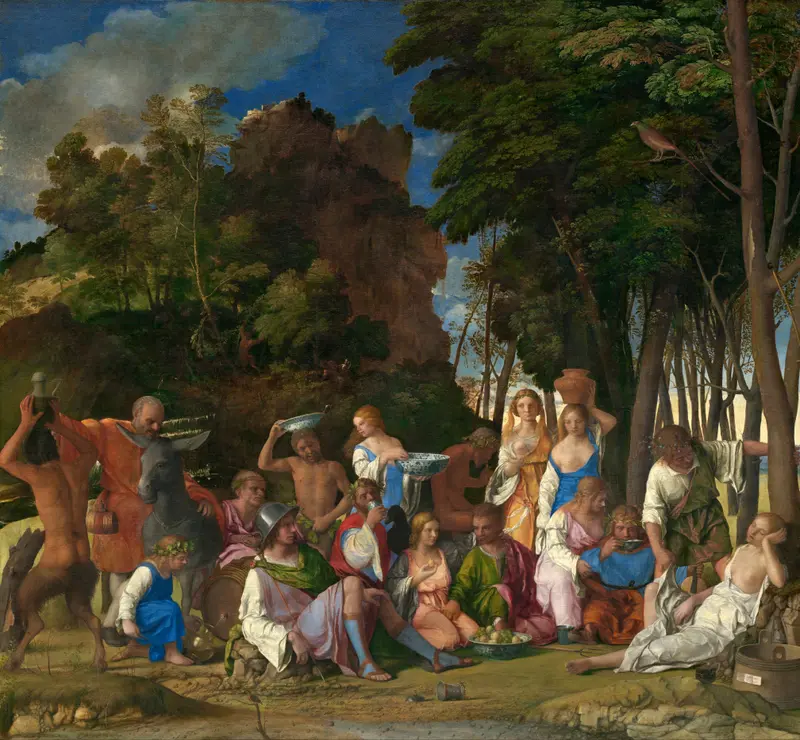
The Feast of the Gods
Giovanni Bellini

Madonna and Child enthroned with Saints and Angels
Giovanni Bellini
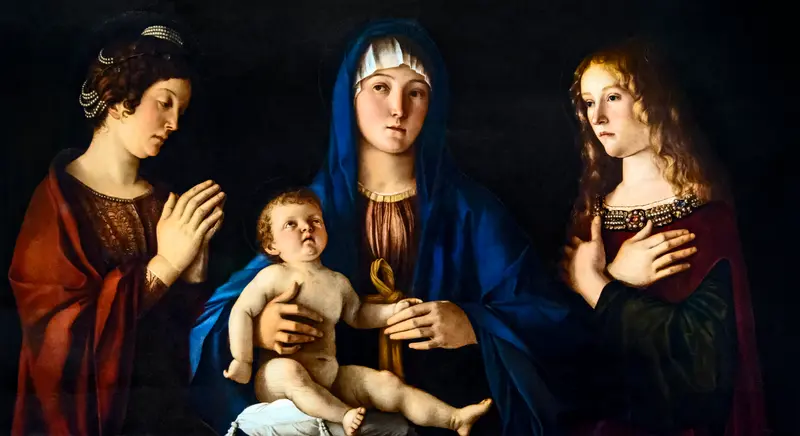
Madonna and Child between Saints Catherine and Mary Magdalene
Giovanni Bellini
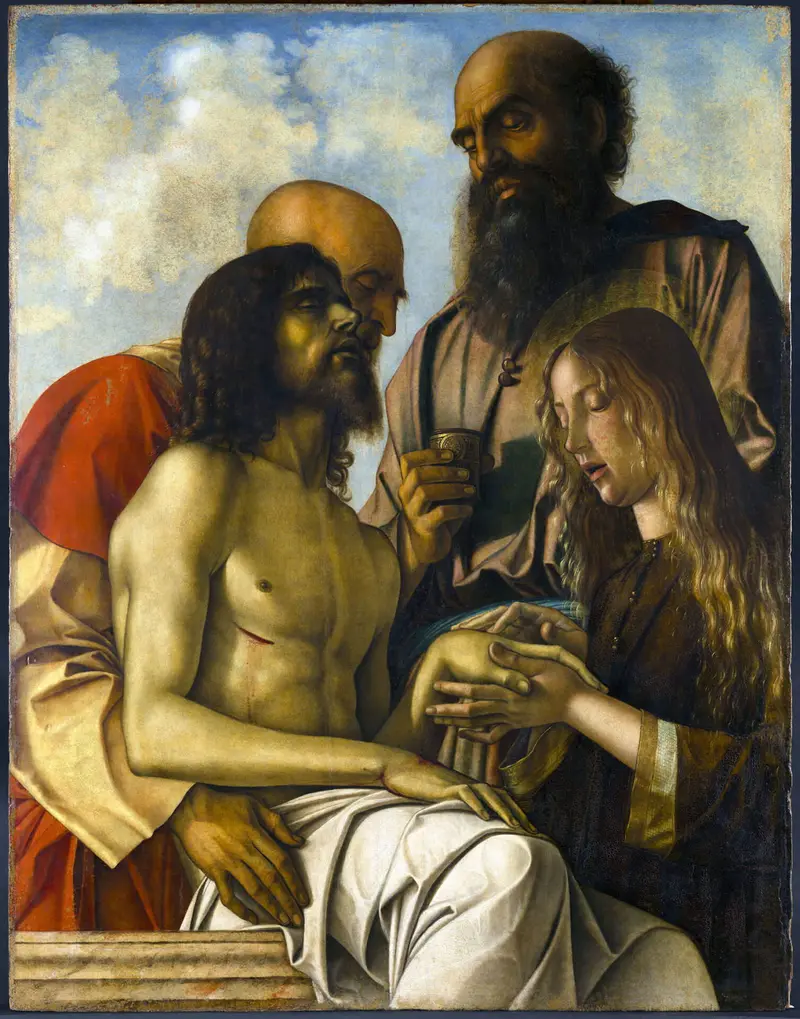
Lamentation over the Dead Christ
Giovanni Bellini
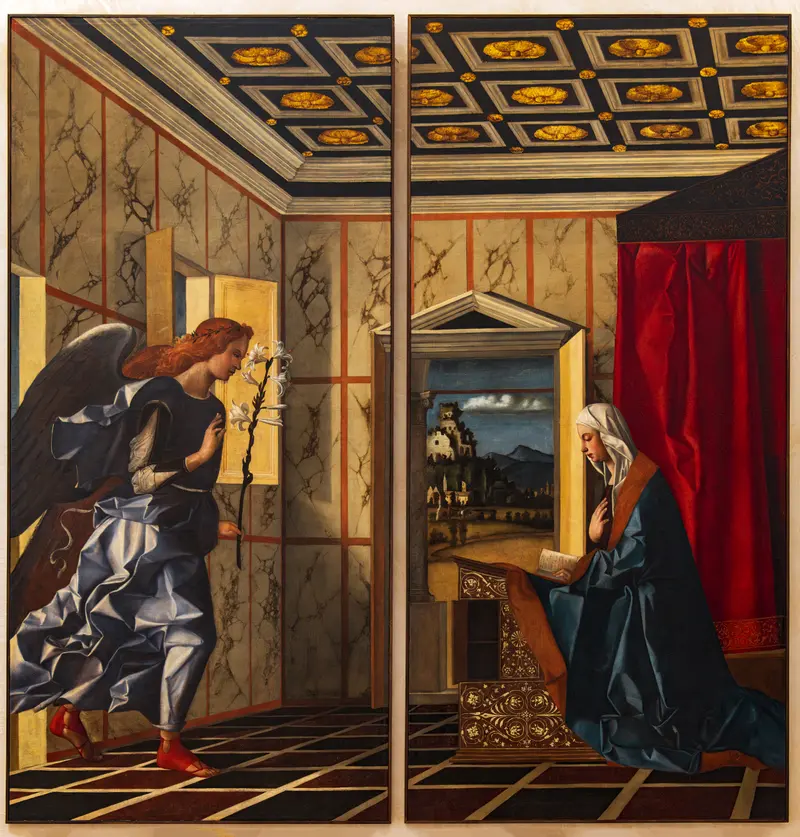
Annunciation
Giovanni Bellini
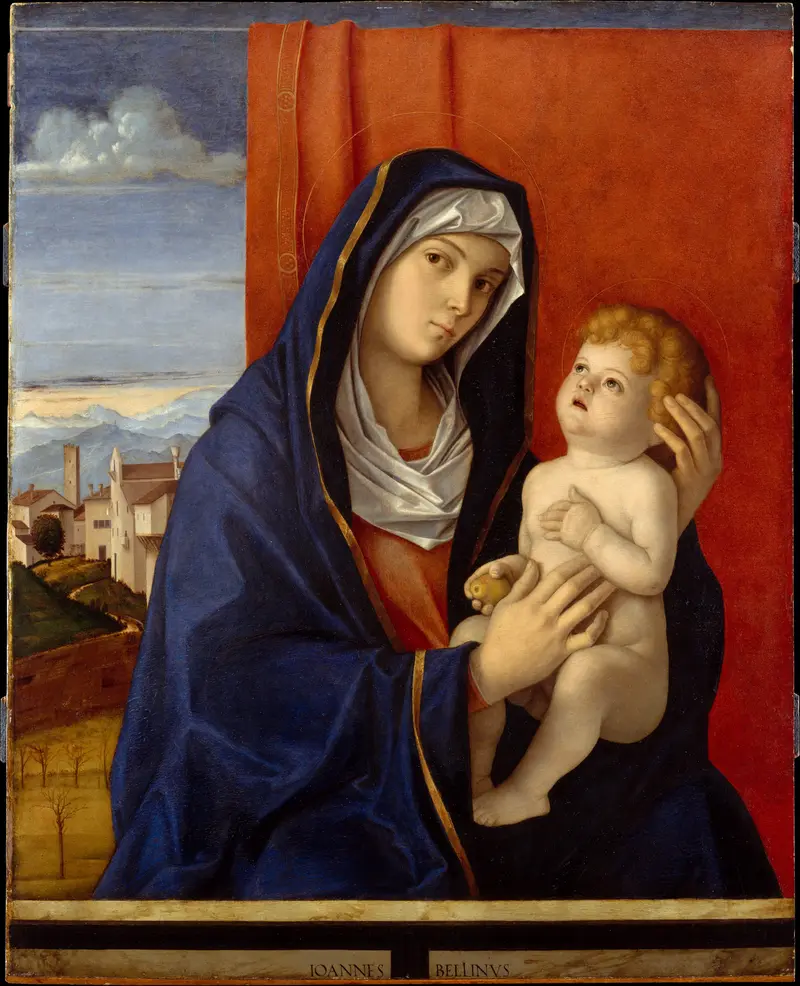
Madonna and Child
Giovanni Bellini
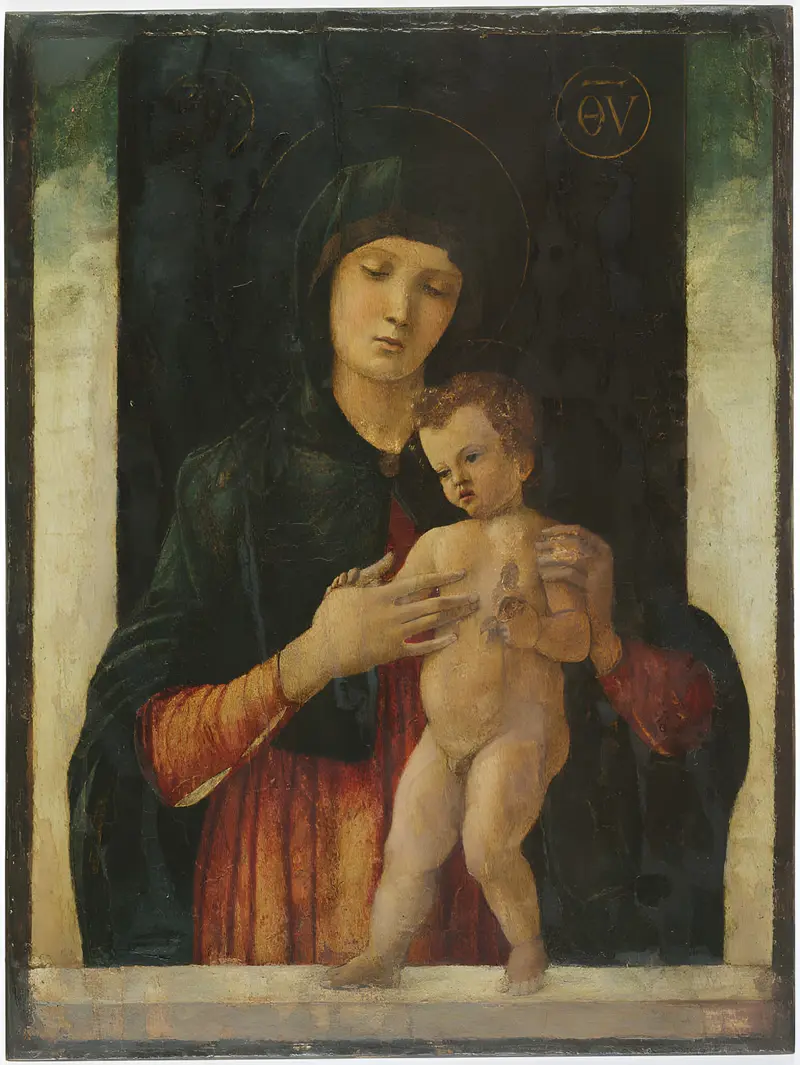
The Virgin and Child
Giovanni Bellini
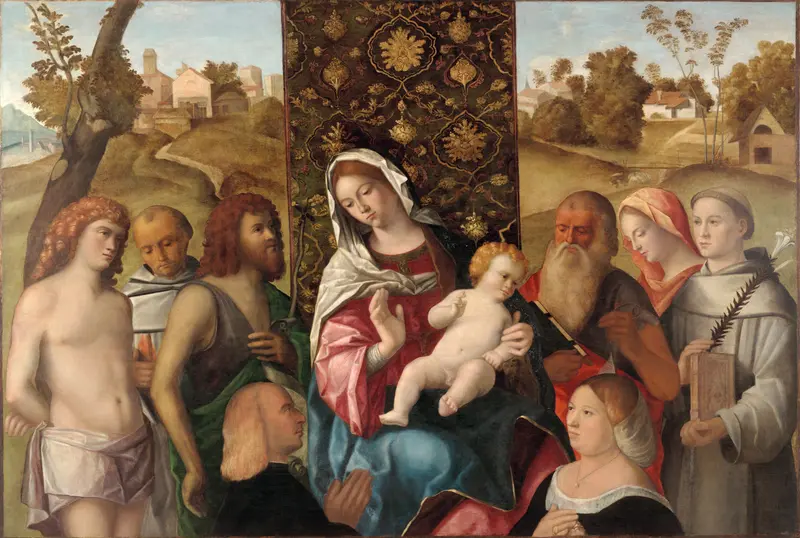
Virgin and Child with Saints Sebastian, Francis, John the Baptist, Jerome, an unidentified female saint, Saint Anthony of Padua and two donors
Giovanni Bellini
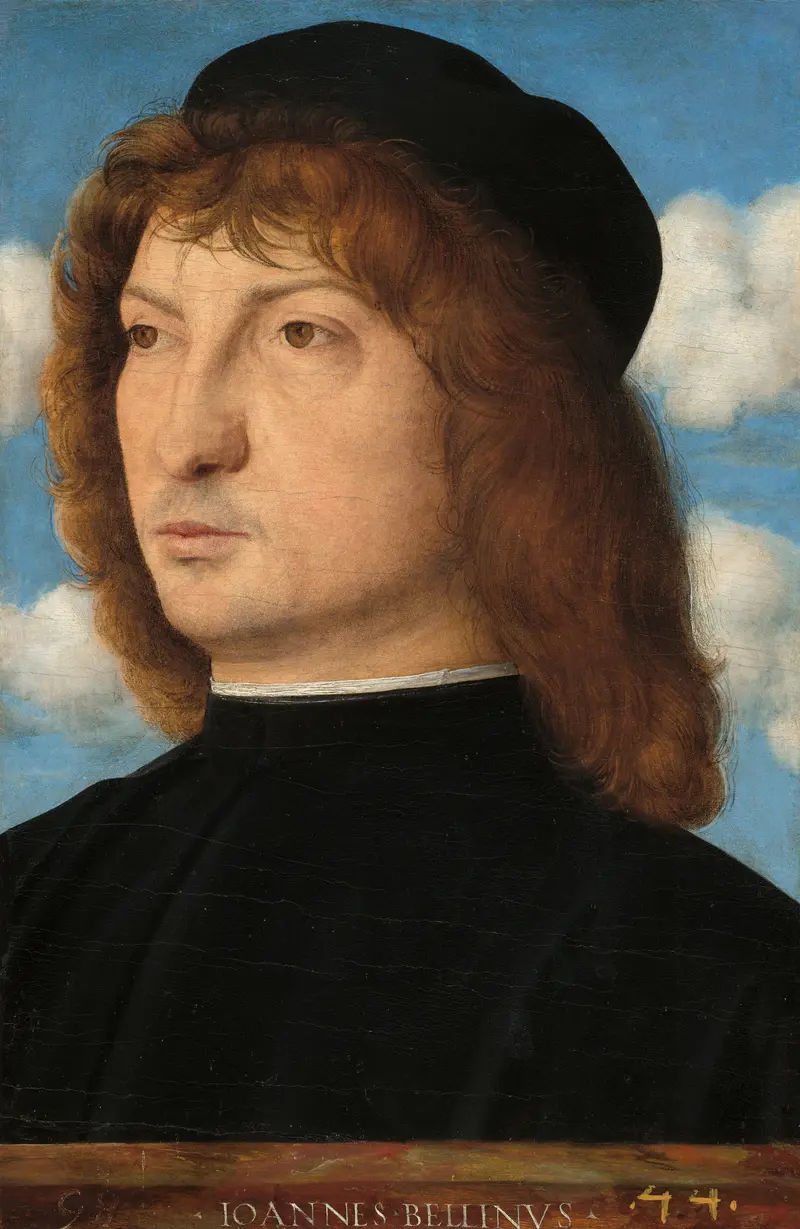
Portrait of a Venetian Gentleman
Giovanni Bellini
Portrait of a Young Man
Giovanni Bellini





