
Madonna and Child with Four Аngels — History & Facts
Few images from the early Renaissance have inspired as much debate as Madonna and Child with Four Angels by Fra Angelico, painted around 1420. The painting’s authorship was once questioned, as its delicate handling and gentle radiance led some to attribute it to other Florentine masters. Today, most scholars agree it is an early work by Fra Angelico, created when he was still absorbing the innovations of his contemporaries.
Its uncertain provenance—no definitive record of its original commission or patron survives—adds to its intrigue, leaving open the question of for whom this intimate vision was first intended. At the heart of the painting, the Virgin Mary cradles the infant Christ, her gaze lowered in quiet contemplation. Four angels, arranged symmetrically, flank the pair, their faces luminous and intent as they offer a sense of both guardianship and adoration. The gold background, a holdover from the Gothic tradition, bathes the scene in otherworldly light, while the tender gestures—the Christ Child’s hand reaching for his mother, the angels’ folded hands—speak of protection and reverence.
Unlike the more dramatic interpretations of this theme by Masaccio or Giotto, Fra Angelico chooses intimacy over grandeur, focusing on the gentle exchange between mother and child, and the silent devotion of the angels. The painting’s physical journey is less documented than its spiritual resonance. It likely originated in a private chapel or small church, typical for works of this scale and subject in early 15th-century Florence. Over the centuries, its attribution shifted as scholars pieced together Fra Angelico’s early career, recognizing in its delicate lines and soft modeling the seeds of his later, more celebrated altarpieces.
Today, Madonna and Child with Four Angels is recognized as an important milestone in the artist’s development, bridging the gold-ground tradition of the Middle Ages with the new humanism of the Renaissance. Its current home is a museum collection, where it continues to invite contemplation and scholarly inquiry.
More Artworks by Fra Angelico

Condemnation of St Lawrence by the Emperor Valerian
Fra Angelico
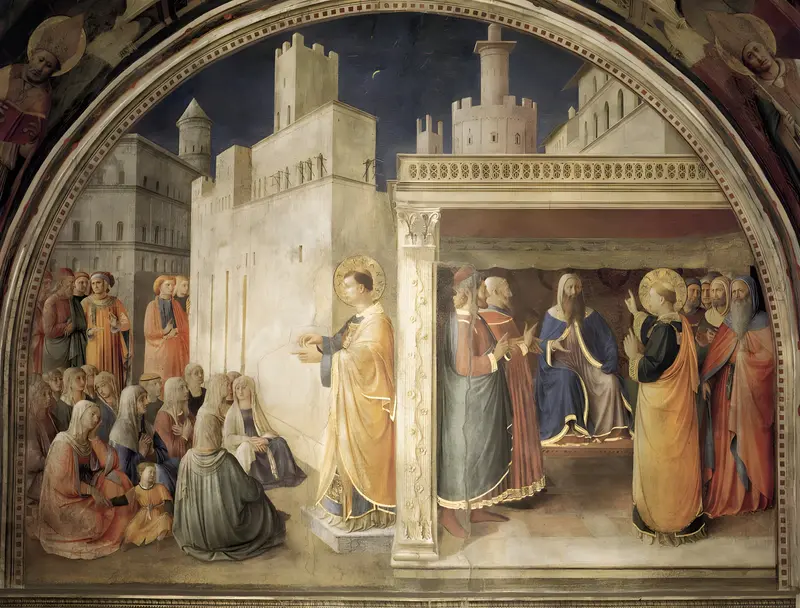
Lunette of the north wall
Fra Angelico
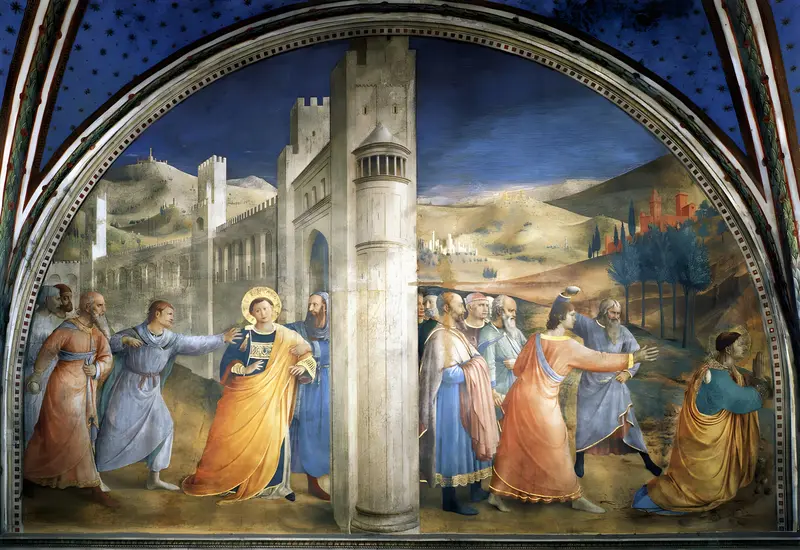
Lunette of the east wall in Niccoline Chapel
Fra Angelico
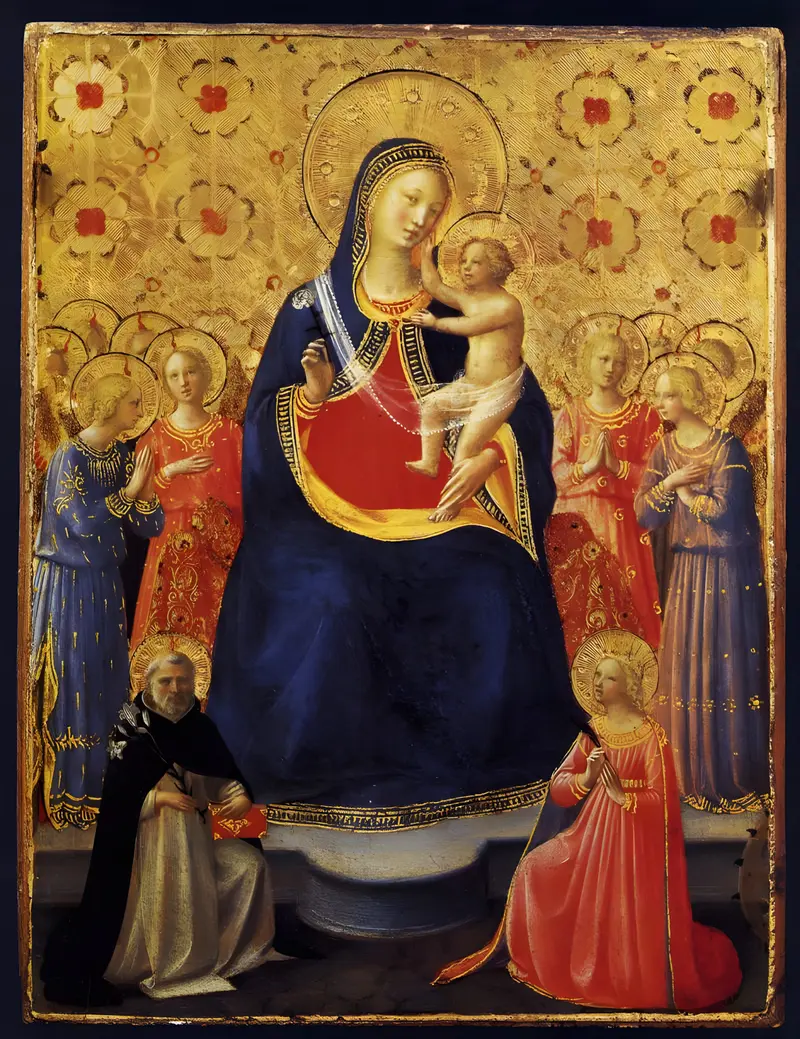
Madonna and Child Enthroned with Nine Angels and Saints Dominic and Catherine of Alexandria
Fra Angelico
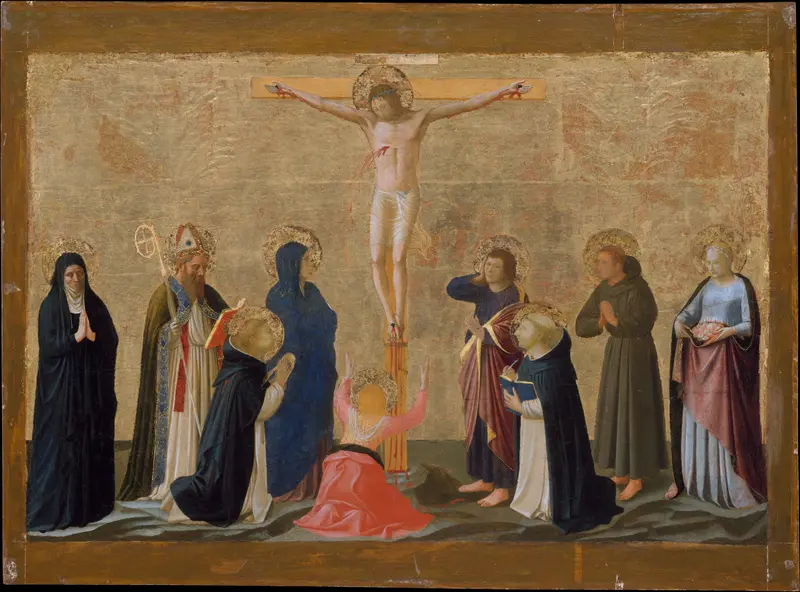
The Crucifixion
Fra Angelico
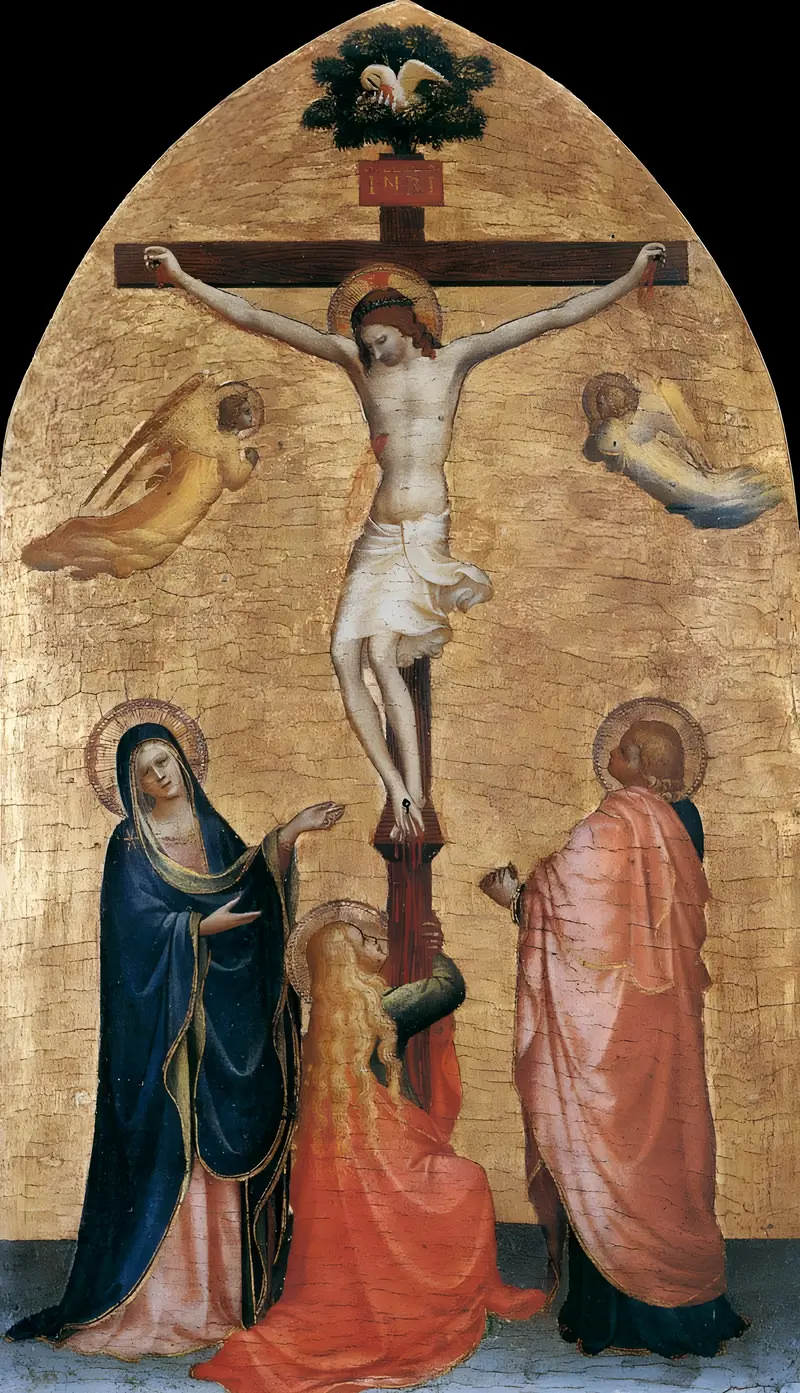
Crucifixion with the Virgin, John the Evangelist, and Mary Magdelene
Fra Angelico
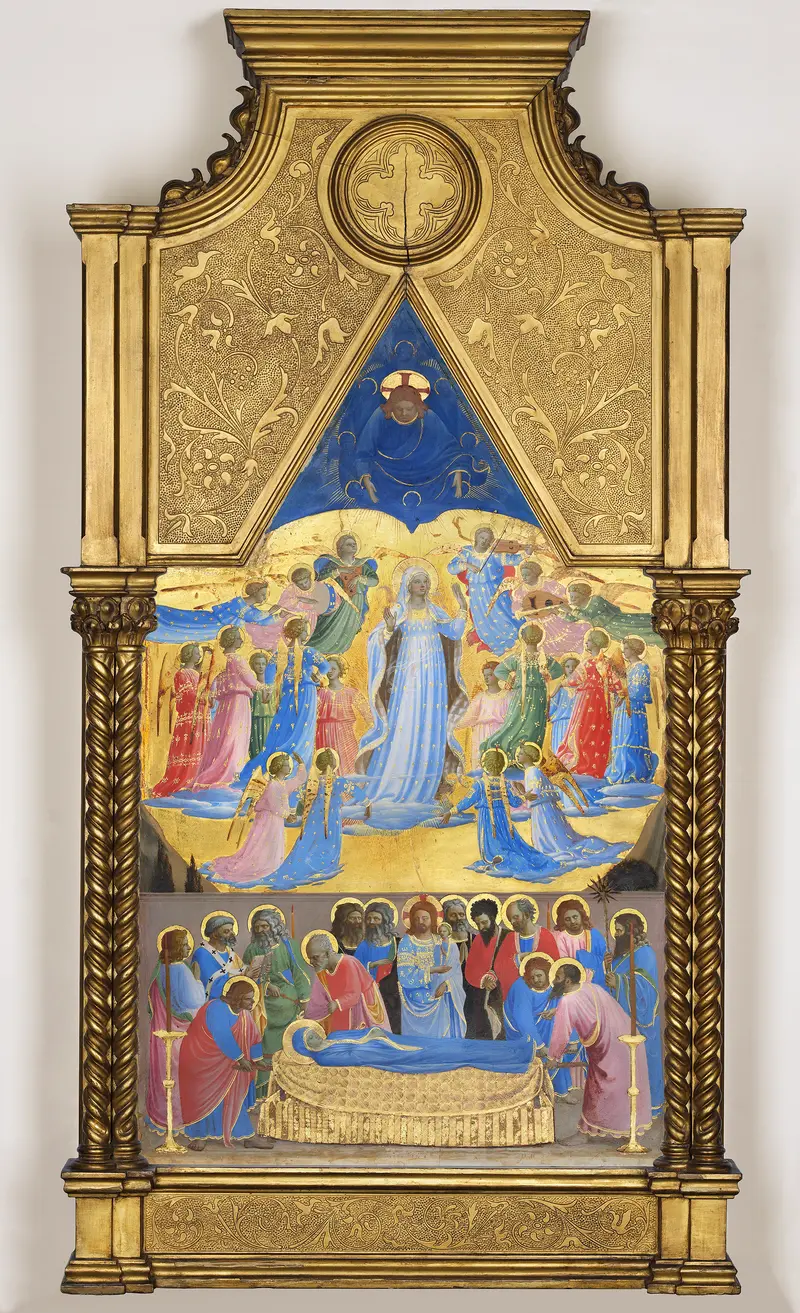
Dormition and Assumption of the Virgin
Fra Angelico
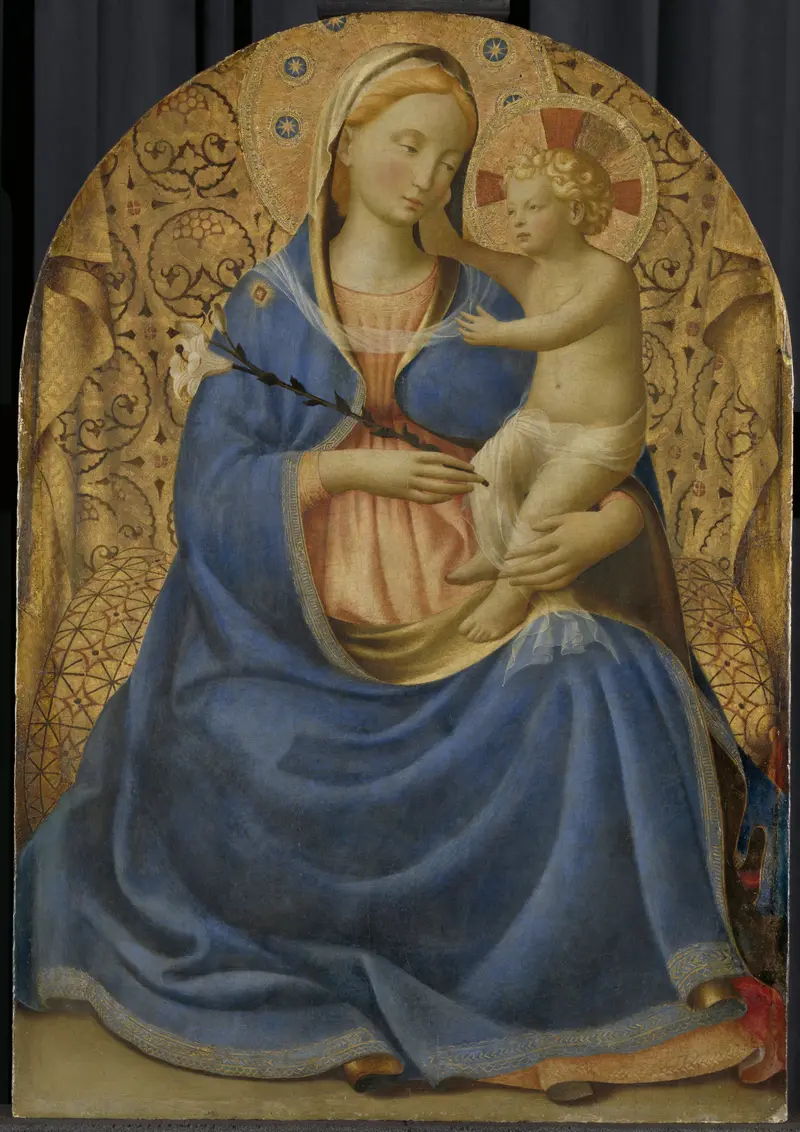
Madonna of Humility
Fra Angelico
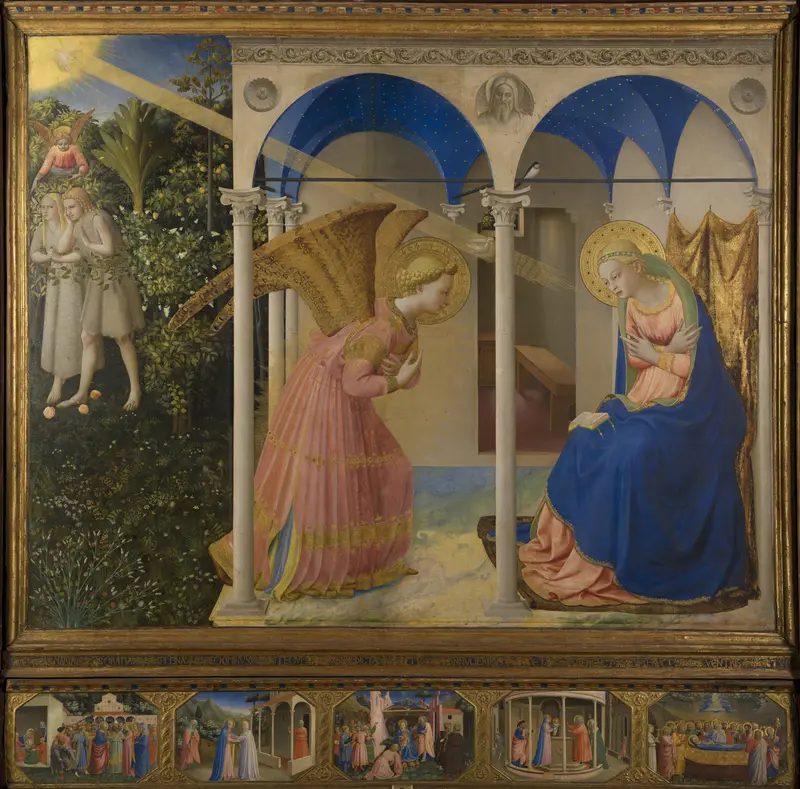
The Annunciation
Fra Angelico

Saint Anthony Abbot
Fra Angelico





