
Madonna and Child with Saint John the Baptist — History & Facts
A quiet mystery lingers around Madonna and Child with Saint John the Baptist, for no contemporary record tells us who first gazed upon it or why Giovanni Bellini chose this particular arrangement. What is certain is that Bellini revisited this trio of figures across his long career, each time shifting the mood and meaning. This 1495 version stands at a turning point, where the artist’s approach to color and landscape began to influence a whole generation of Venetian painters.
The painting’s enduring appeal lies in its gentle humanity, a quality that would soon become a hallmark of the Venetian Renaissance. At the heart of the scene, the Virgin Mary cradles the Christ Child, while the young John the Baptist, identifiable by his camel-hair garment, approaches with a gesture of humble reverence. Bellini captures a moment of tender encounter: the Christ Child turns towards his cousin, his small hand raised in a blessing that is both innocent and prophetic. The luminous landscape behind them, rendered in Bellini’s signature soft blues and greens, opens the sacred drama to the world beyond, suggesting divine presence in everyday nature.
Unlike the more austere versions by Leonardo da Vinci or Raphael, Bellini’s figures are approachable, their emotions quietly legible, their world suffused with gentle light. The precise origins of this painting remain uncertain, as do the details of its early history. Like many of Bellini’s devotional works, it was likely intended for private contemplation in a Venetian home rather than a grand church. Over the centuries, the painting has traveled through the hands of collectors and connoisseurs, admired for its serene composition and delicate color.
Today, it stands as a testament to Giovanni Bellini’s influence on Venetian painting and his ability to infuse familiar religious subjects with new warmth and intimacy.
More Artworks by Giovanni Bellini
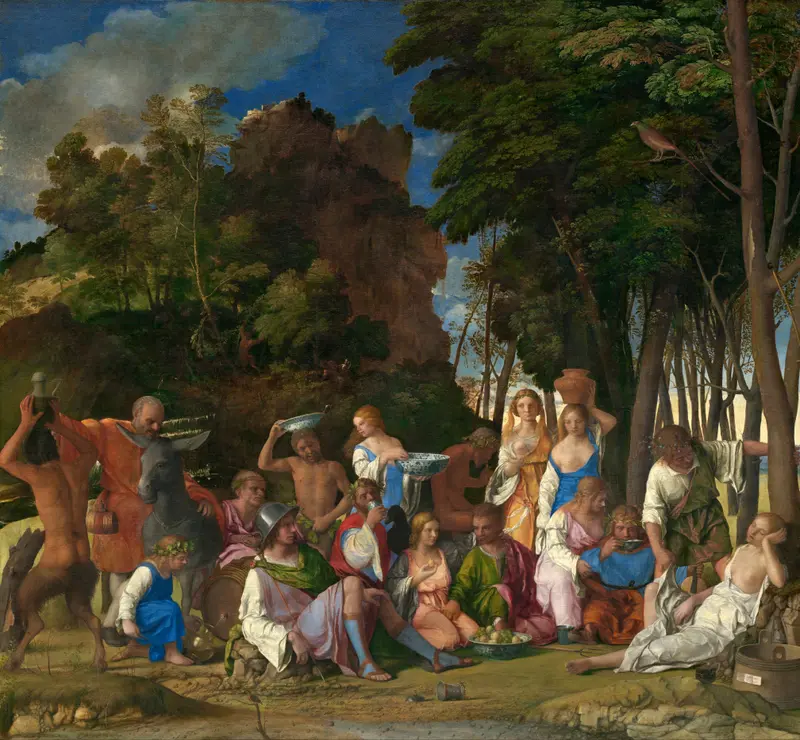
The Feast of the Gods
Giovanni Bellini

Madonna and Child enthroned with Saints and Angels
Giovanni Bellini
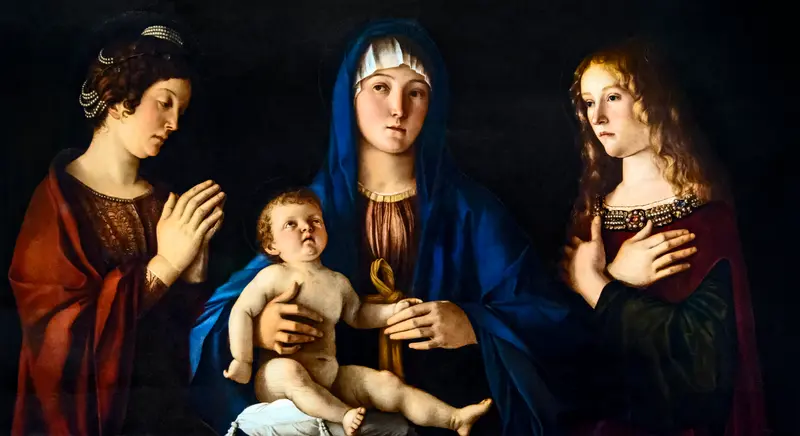
Madonna and Child between Saints Catherine and Mary Magdalene
Giovanni Bellini
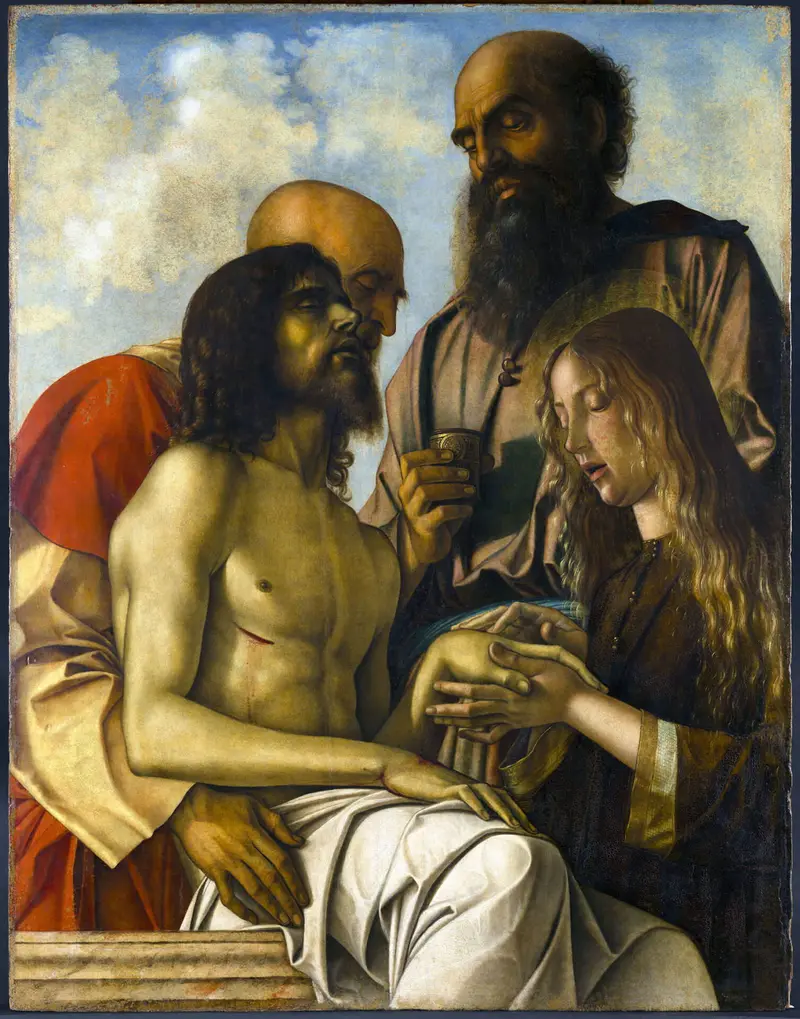
Lamentation over the Dead Christ
Giovanni Bellini
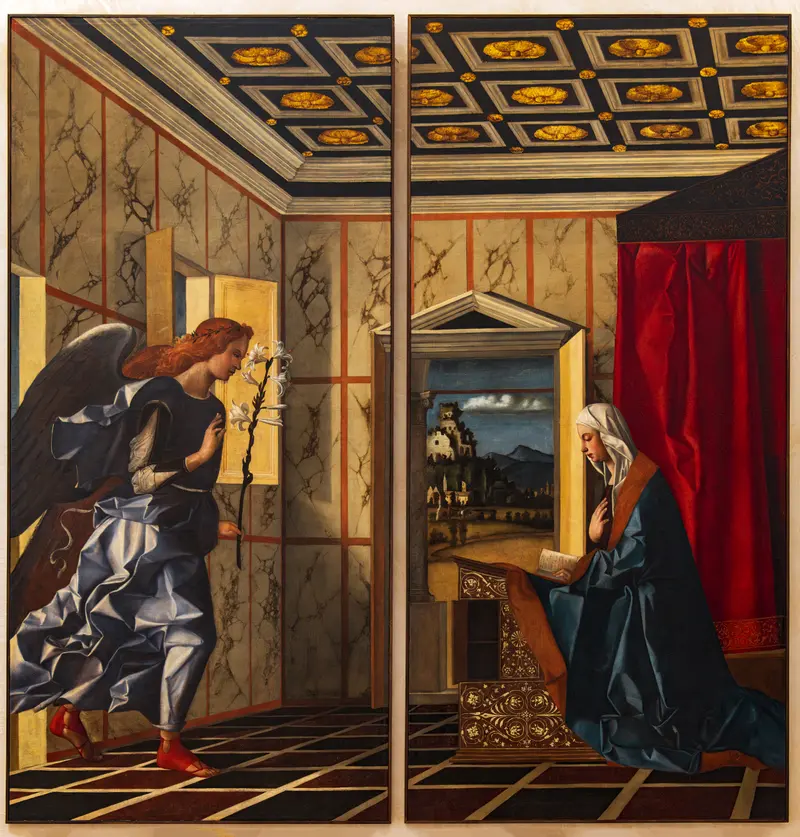
Annunciation
Giovanni Bellini
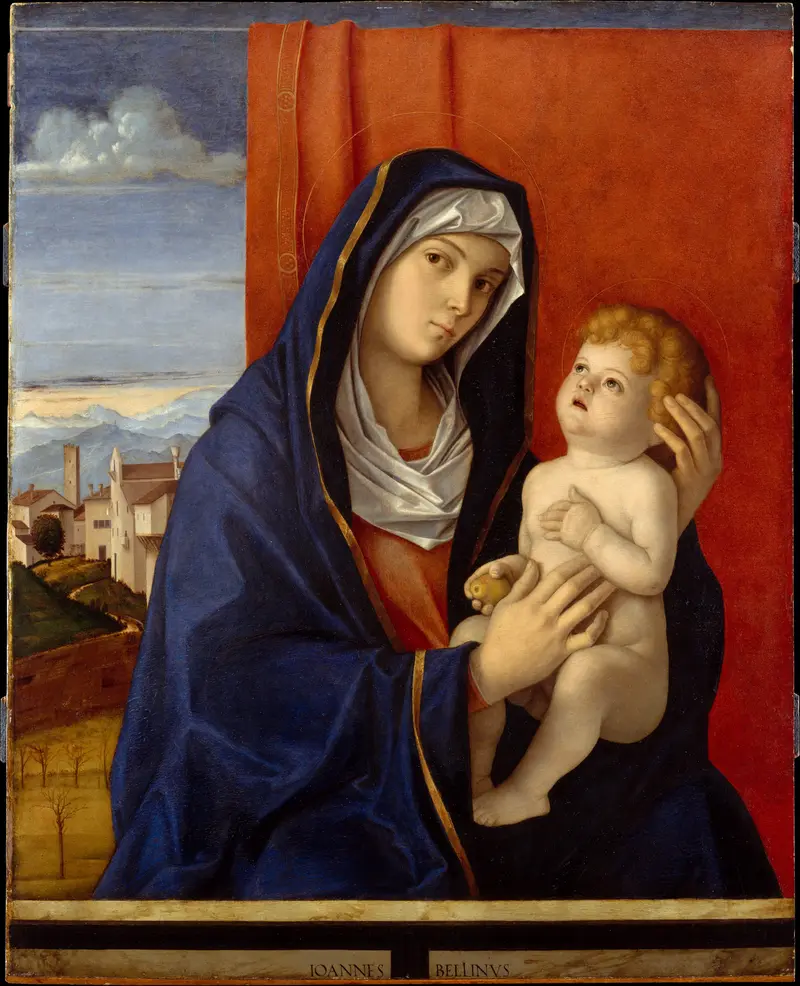
Madonna and Child
Giovanni Bellini
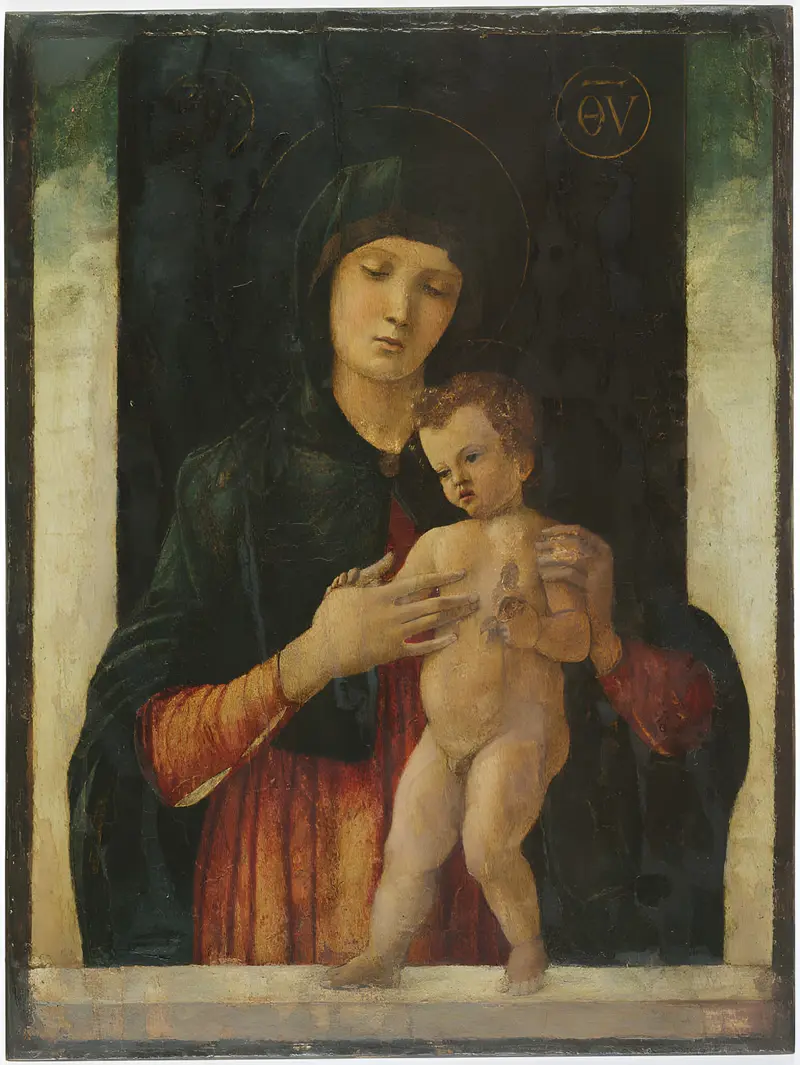
The Virgin and Child
Giovanni Bellini
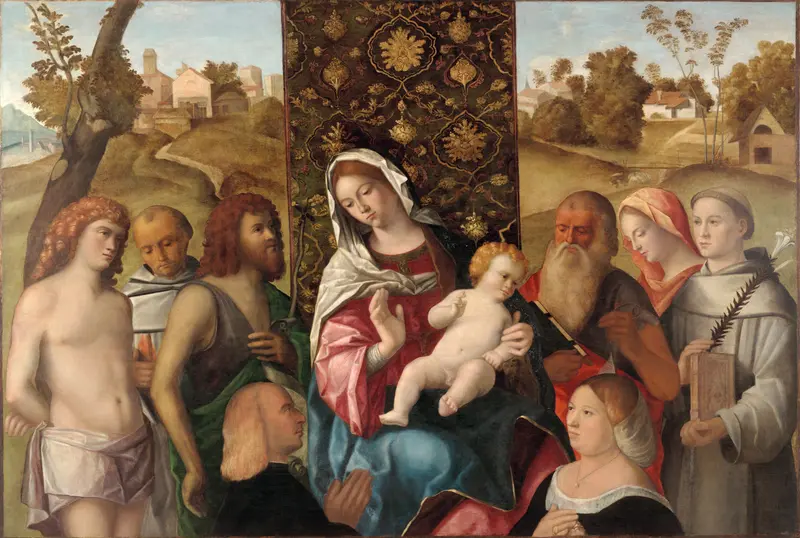
Virgin and Child with Saints Sebastian, Francis, John the Baptist, Jerome, an unidentified female saint, Saint Anthony of Padua and two donors
Giovanni Bellini
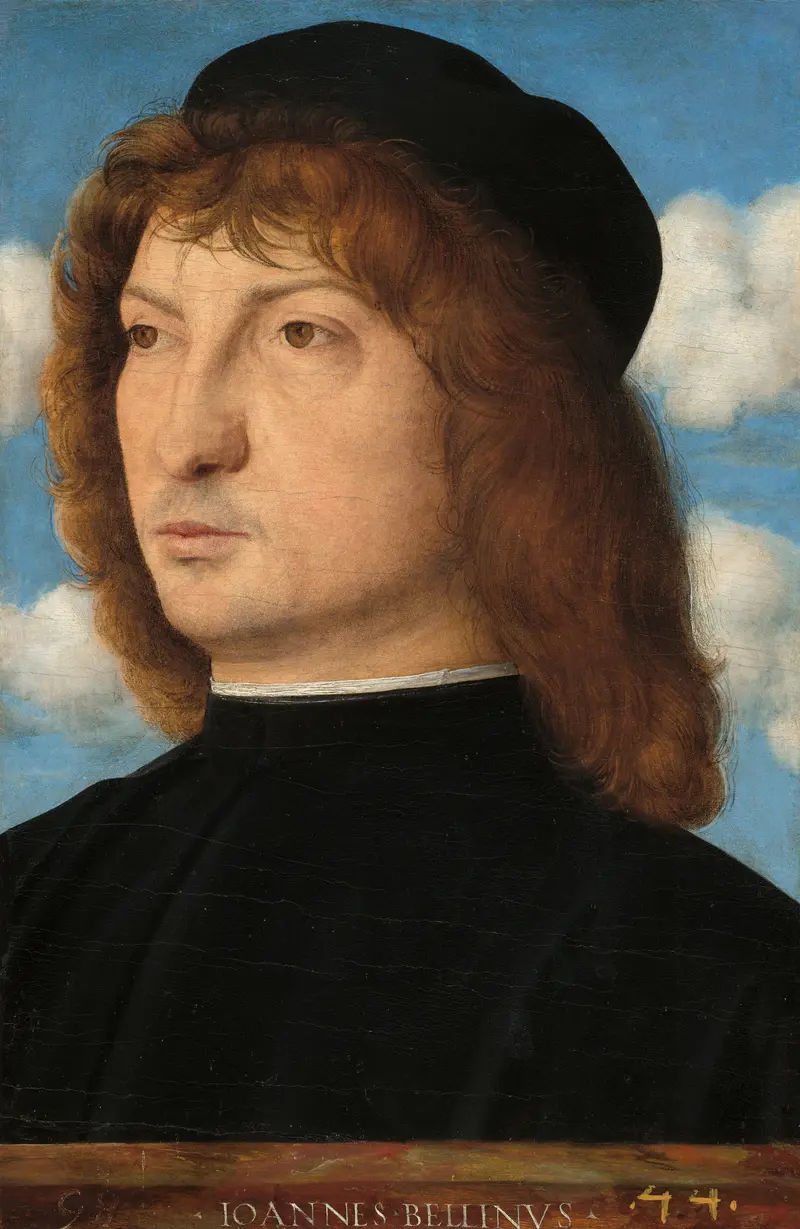
Portrait of a Venetian Gentleman
Giovanni Bellini
Portrait of a Young Man
Giovanni Bellini





