
Madonna del Prato — History & Facts
No other painting by Giovanni Bellini has sparked as much debate over its intended meaning and original setting as Madonna del Prato. Unlike his more famous altarpieces, this work appears to have been created for private devotion, yet its exact purpose remains uncertain. The painting’s title, which means "Madonna of the Meadow," is shared with several other Renaissance works, but Bellini’s version is distinct for its serene landscape and the intimate, almost tender, interaction between mother and child.
Scholars have puzzled over the absence of a donor portrait or any clear heraldic symbols, which leaves the question of its first owner tantalizingly open. At the center of Madonna del Prato, the Virgin Mary sits on a low bank, gently cradling the Christ Child as he stands unsteadily on her lap. The moment is quiet: Christ gazes up at his mother, while Mary’s eyes are lowered, her hands delicately supporting him. The lush meadow around them is dotted with tiny, carefully observed flowers—symbols of purity and the fleeting nature of life.
In the distant haze, a tranquil Venetian landscape stretches out, anchoring the holy figures in the real world. Bellini’s use of soft, golden light bathes the scene in warmth, a hallmark of his late style and a marked contrast to the cooler, more formal compositions of contemporaries like Perugino. The history of Madonna del Prato as an object is as gentle as its imagery is peaceful. While the exact patron is unknown, the painting’s scale and intimacy suggest it was intended for a private home rather than a church.
Over the centuries, it passed quietly through Venetian collections before entering the public eye in the 19th century. Today, it is recognized as a key work from Bellini’s mature period, when he was at the height of his powers and influencing a whole generation of Venetian painters. Its current home is the Museo del Prado, where it continues to invite close, contemplative viewing—much as it likely did for its first owner over five hundred years ago.
More Artworks by Giovanni Bellini
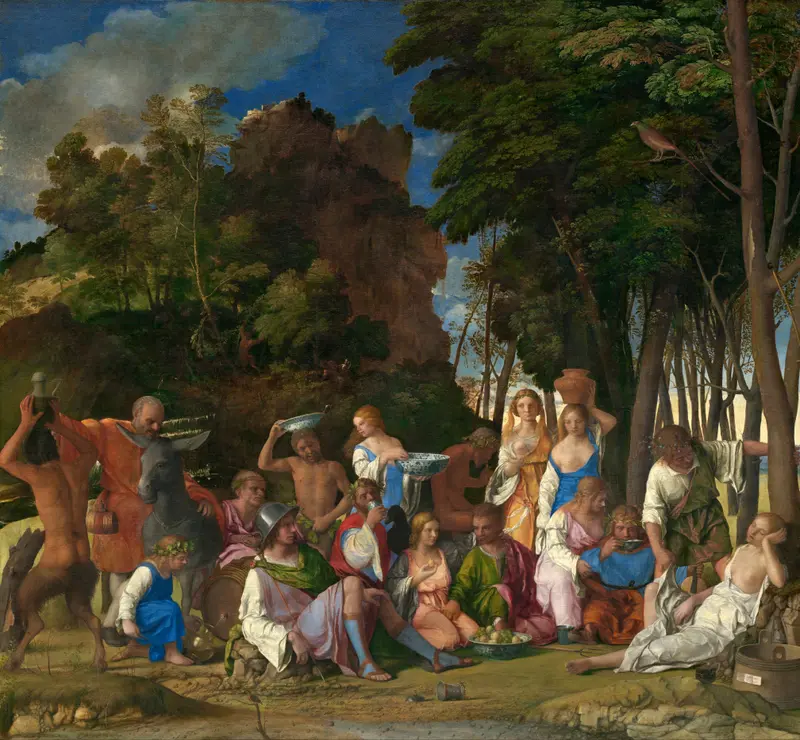
The Feast of the Gods
Giovanni Bellini

Madonna and Child enthroned with Saints and Angels
Giovanni Bellini
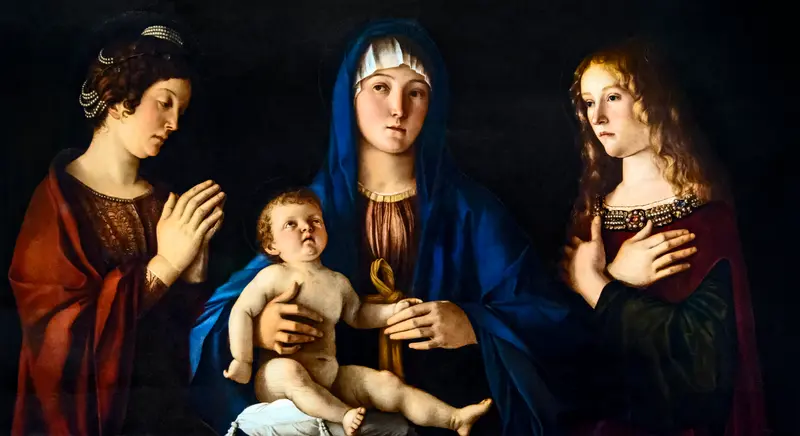
Madonna and Child between Saints Catherine and Mary Magdalene
Giovanni Bellini
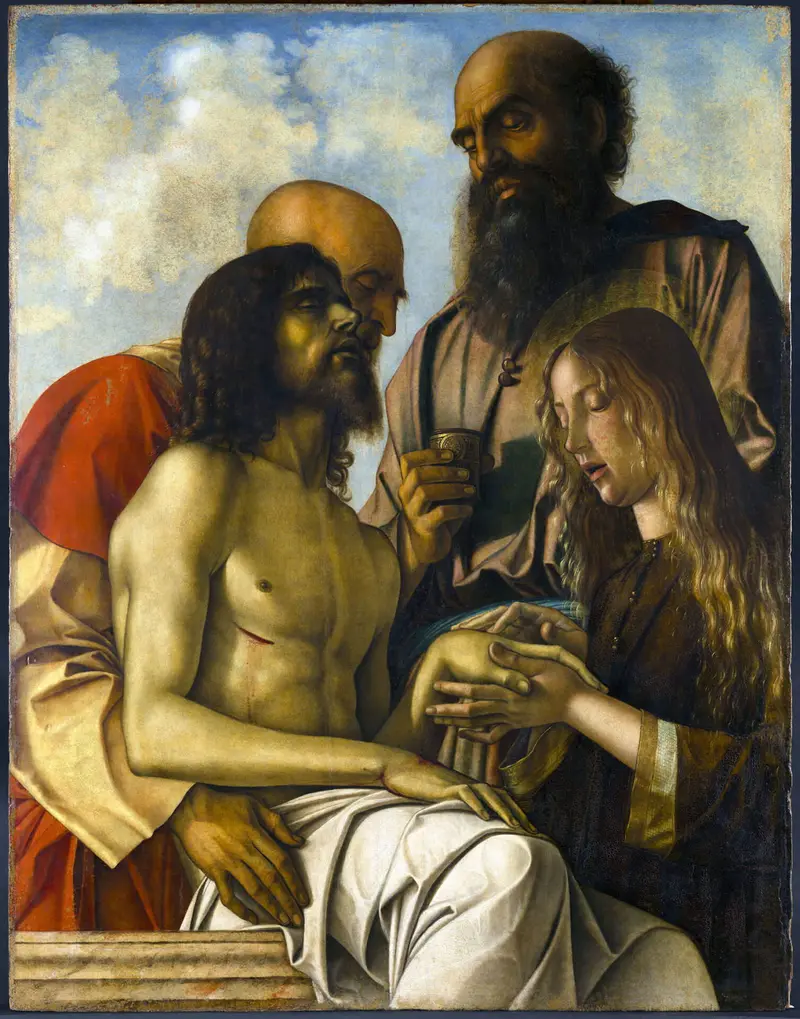
Lamentation over the Dead Christ
Giovanni Bellini
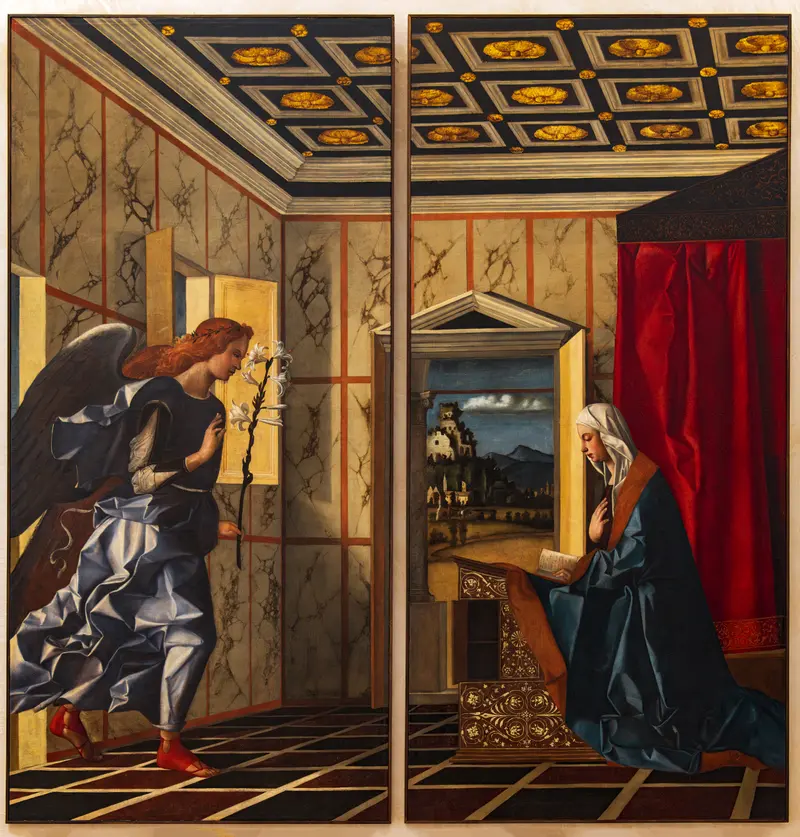
Annunciation
Giovanni Bellini
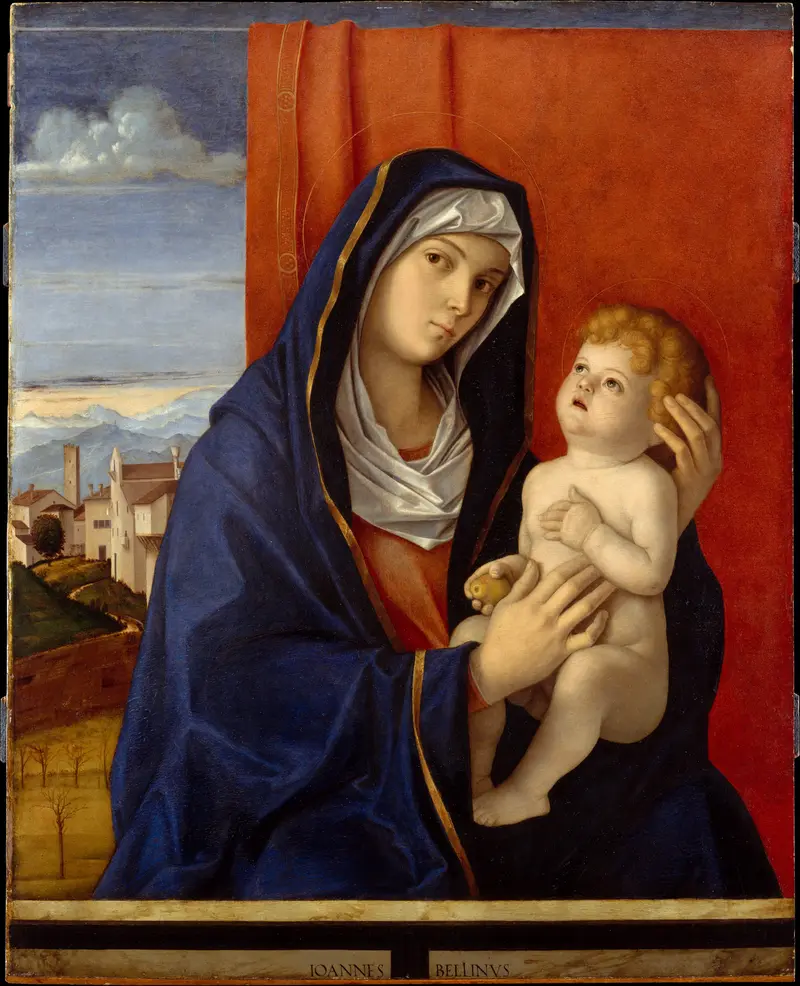
Madonna and Child
Giovanni Bellini
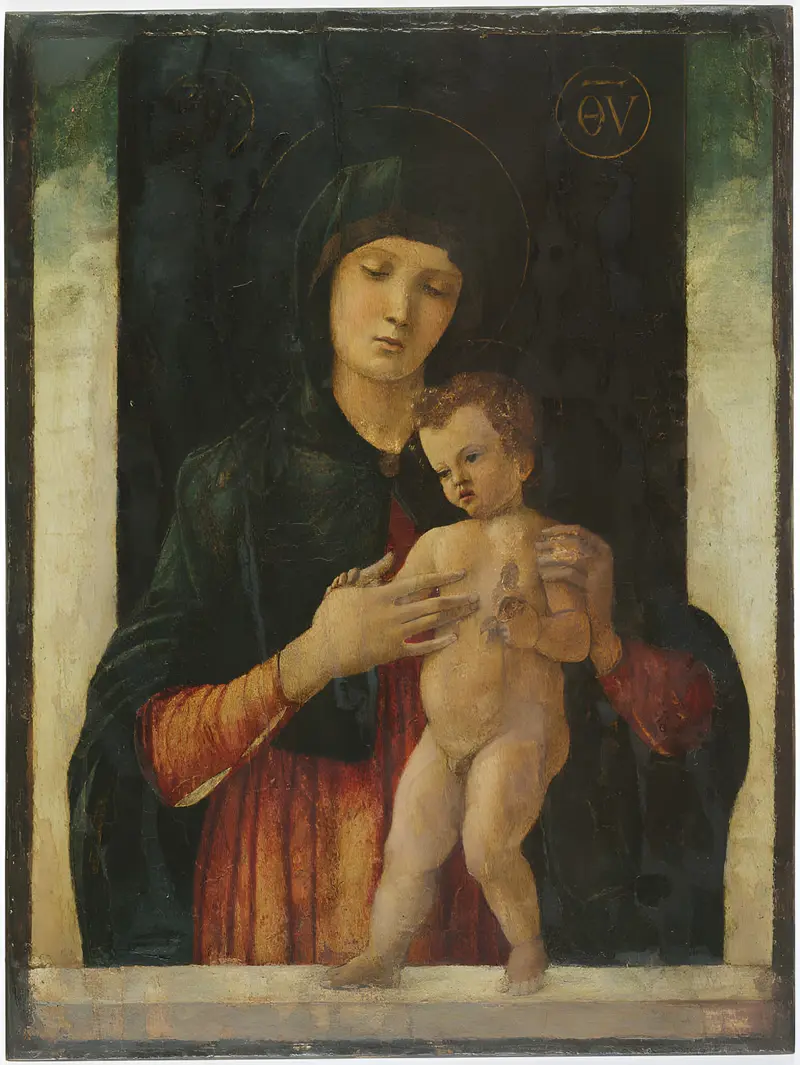
The Virgin and Child
Giovanni Bellini
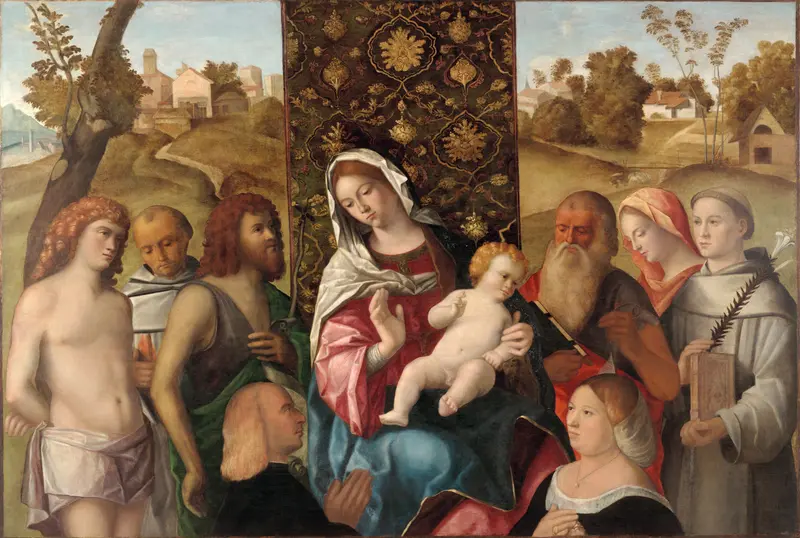
Virgin and Child with Saints Sebastian, Francis, John the Baptist, Jerome, an unidentified female saint, Saint Anthony of Padua and two donors
Giovanni Bellini
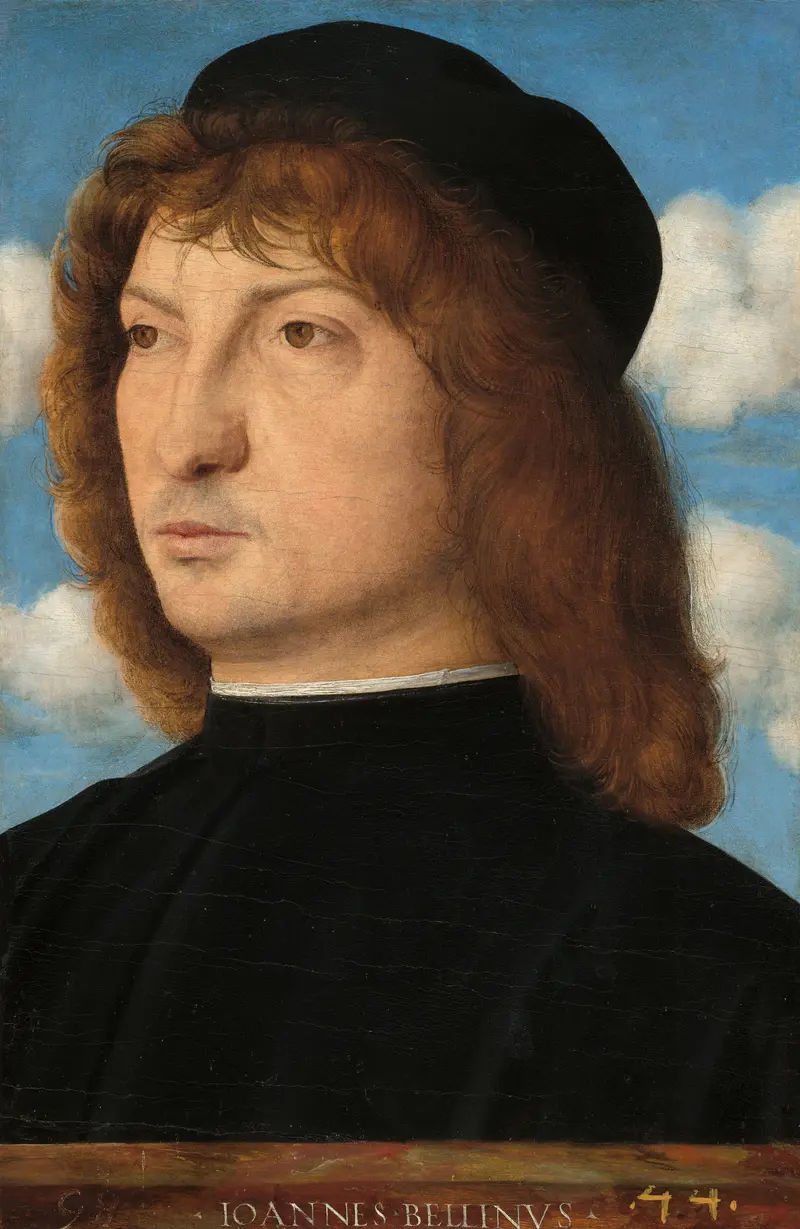
Portrait of a Venetian Gentleman
Giovanni Bellini
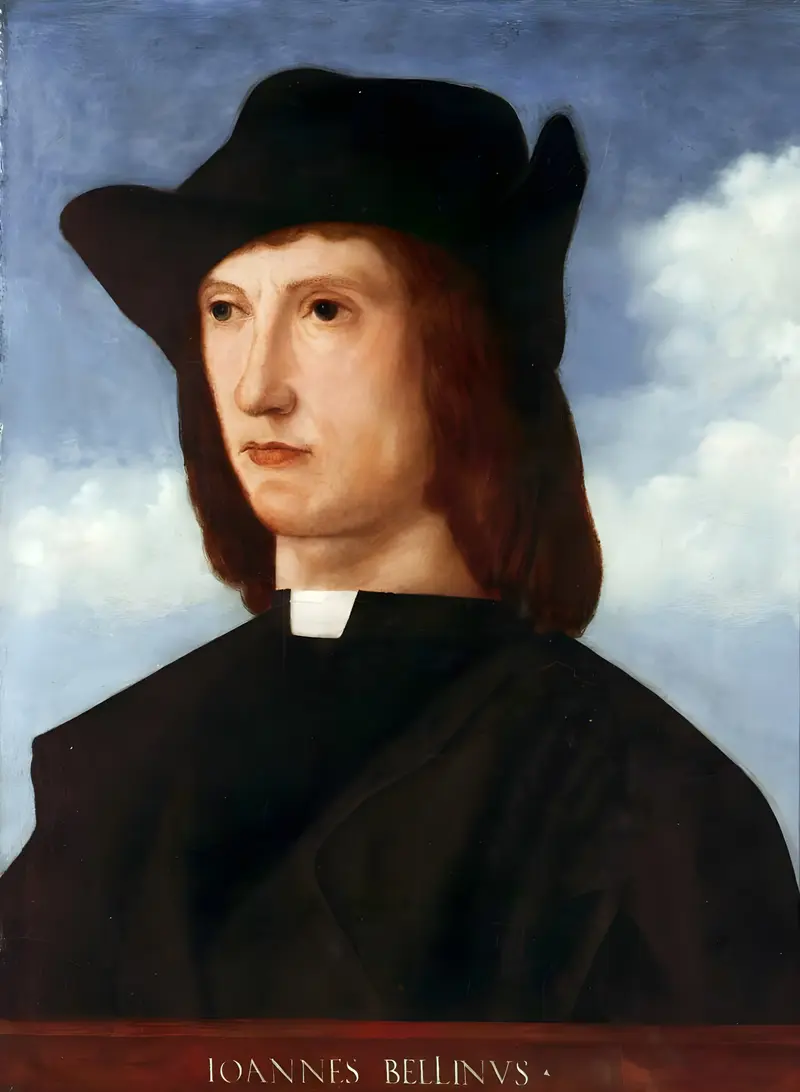
Portrait of a Young Man
Giovanni Bellini





