
Madonna della Loggia — History & Facts
When Sandro Botticelli painted Madonna della Loggia around 1467, he was only in his early twenties, and the work stands as one of his earliest known Madonnas. What makes this painting especially intriguing is that it draws directly from the innovations of Filippo Lippi, Botticelli’s teacher, yet already hints at the gentle lyricism that would later define Botticelli’s style. The painting’s name comes from the architectural loggia—a covered gallery—framing the figures, a motif that would become popular in Florentine depictions of the Virgin and Child during this period.
While the exact patron remains unknown, the work’s intimate scale suggests it was meant for private devotion rather than public display. The scene Botticelli selects is not a dramatic episode, but a moment of quiet intimacy: the Virgin Mary cradles the Christ Child, their cheeks tenderly pressed together. The Child’s hand gently clasps his mother’s veil, a gesture that speaks of both affection and dependency. Behind them, the open loggia reveals a distant landscape, symbolizing the world that Christ has come to redeem.
Mary’s blue mantle and red gown are traditional, marking her purity and maternal love, while the gold halos announce their sacred status. Compared to the more formal and hieratic Madonnas by Fra Angelico, Botticelli’s figures are softer, their bond more human, foreshadowing the emotional warmth that would become a hallmark of his later religious works. The precise early history of Madonna della Loggia is uncertain, as is often the case with devotional panels from this era. Scholars agree it was painted during Botticelli’s formative years in Florence, likely before his major commissions for the Medici family.
Over the centuries, the painting changed hands several times and now resides in the Uffizi Gallery in Florence, where it is recognized as a key work in tracing Botticelli’s artistic development. Its gentle mood and innovative composition mark it as an important step between the teachings of Filippo Lippi and the distinctive vision Botticelli would soon bring to works like The Birth of Venus.
More Artworks by Sandro Botticelli
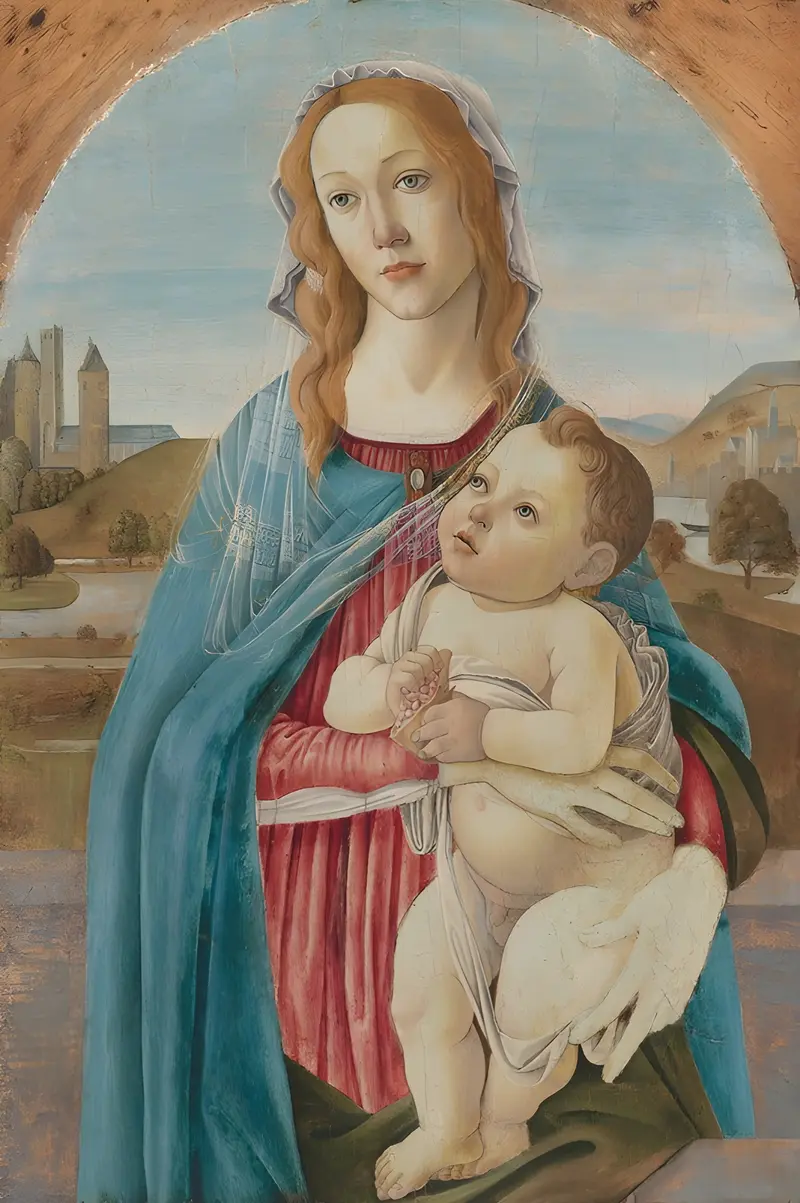
Virgin and Child
Sandro Botticelli
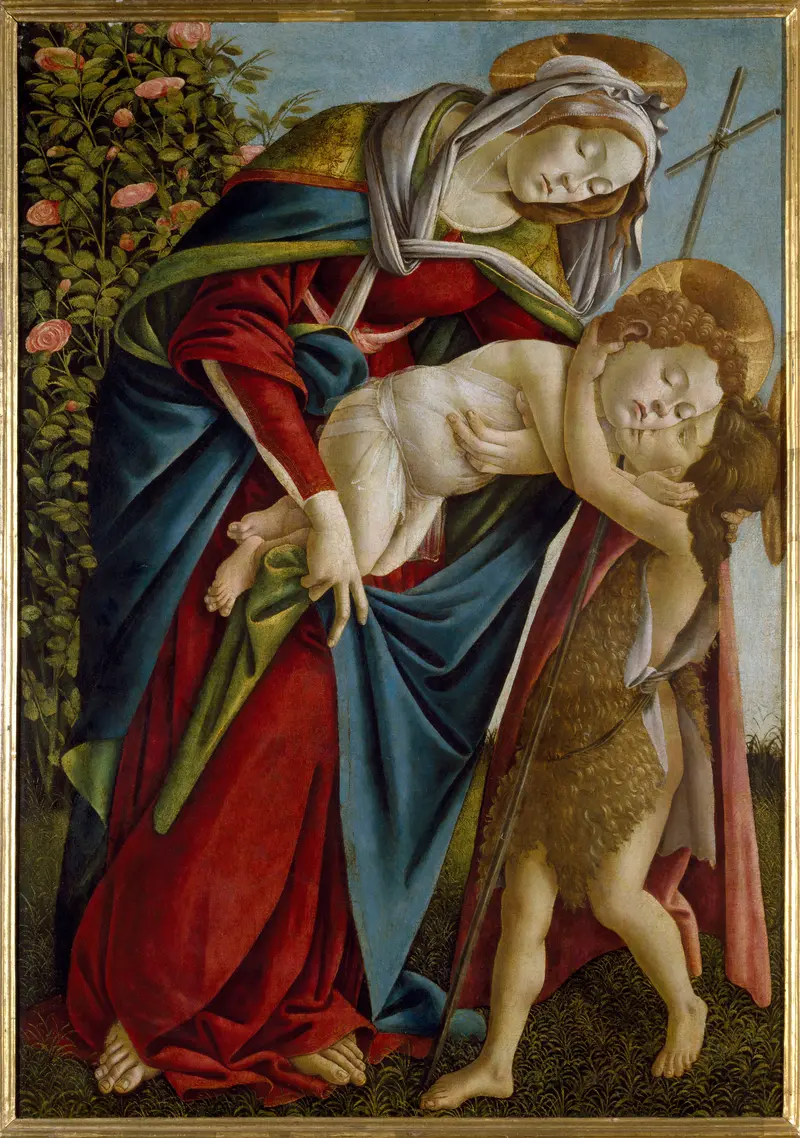
Madonna and Child and the Young St John the Baptist
Sandro Botticelli
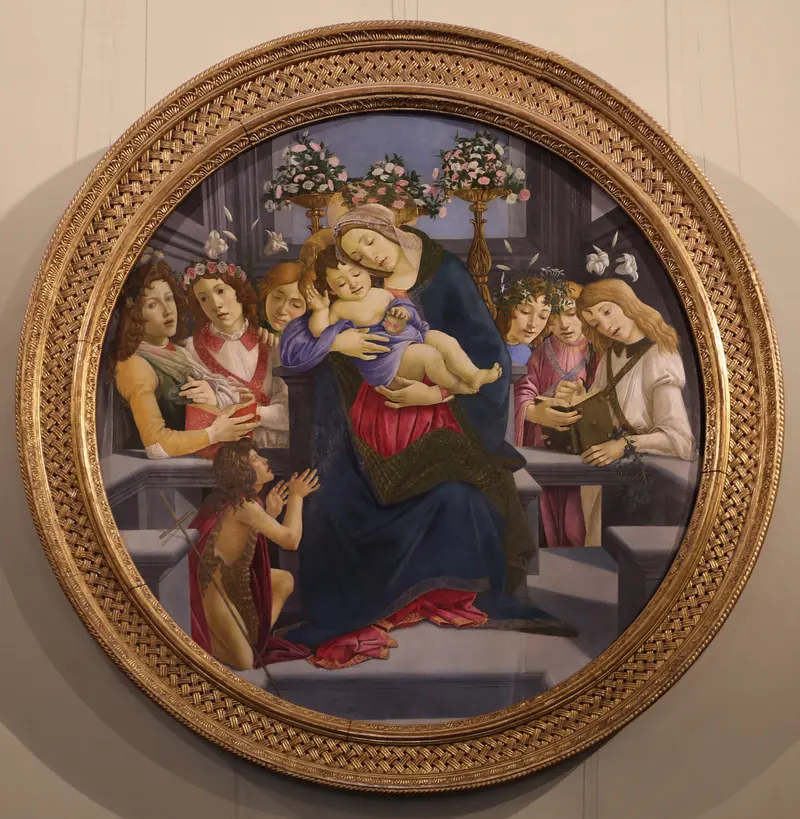
Madonna and Child with six angels and Saint John the Baptist as Child
Sandro Botticelli
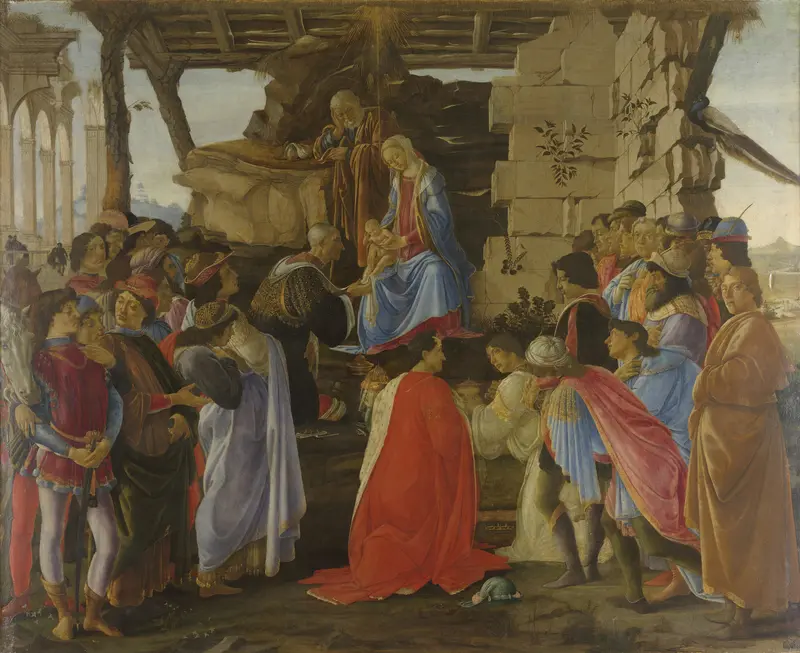
Adoration of the Magi
Sandro Botticelli

Virgin and Child with the Young Saint John the Baptist
Sandro Botticelli
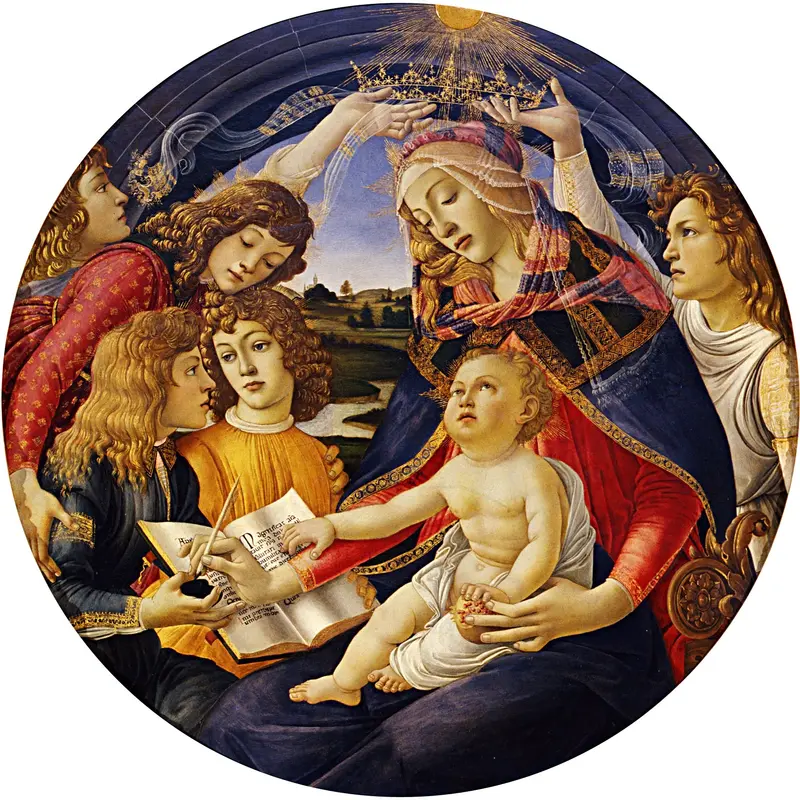
Madonna of the Magnificat
Sandro Botticelli
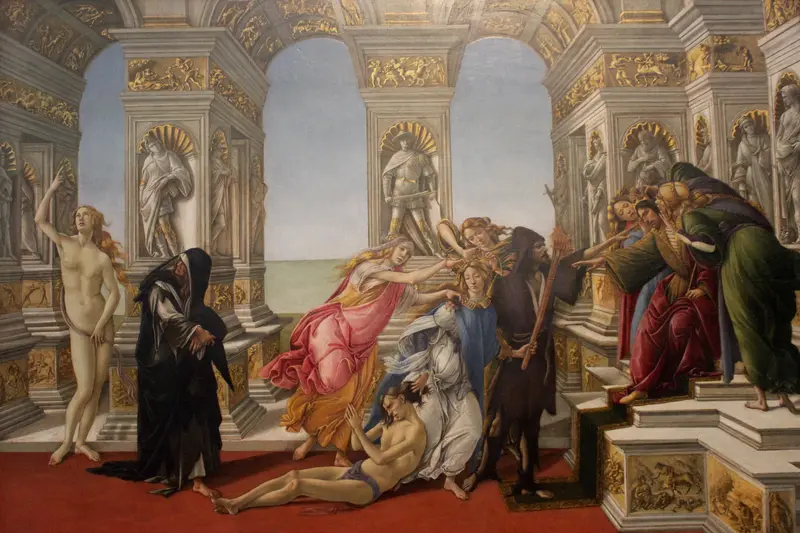
Calumny of Apelles
Sandro Botticelli
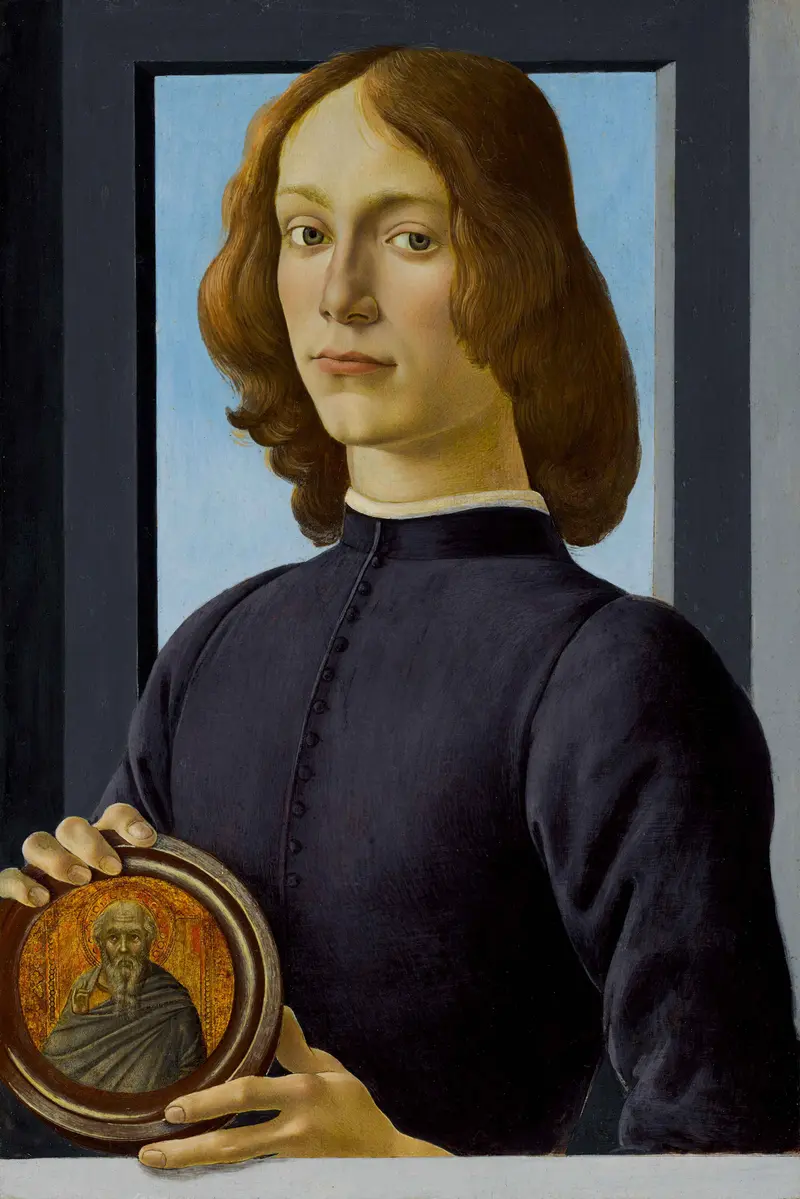
Portrait of a young man holding a roundel
Sandro Botticelli

The Trinity with Saint Mary Magdalene and Saint John the Baptist, the Archangel Raphael and Tobias
Sandro Botticelli
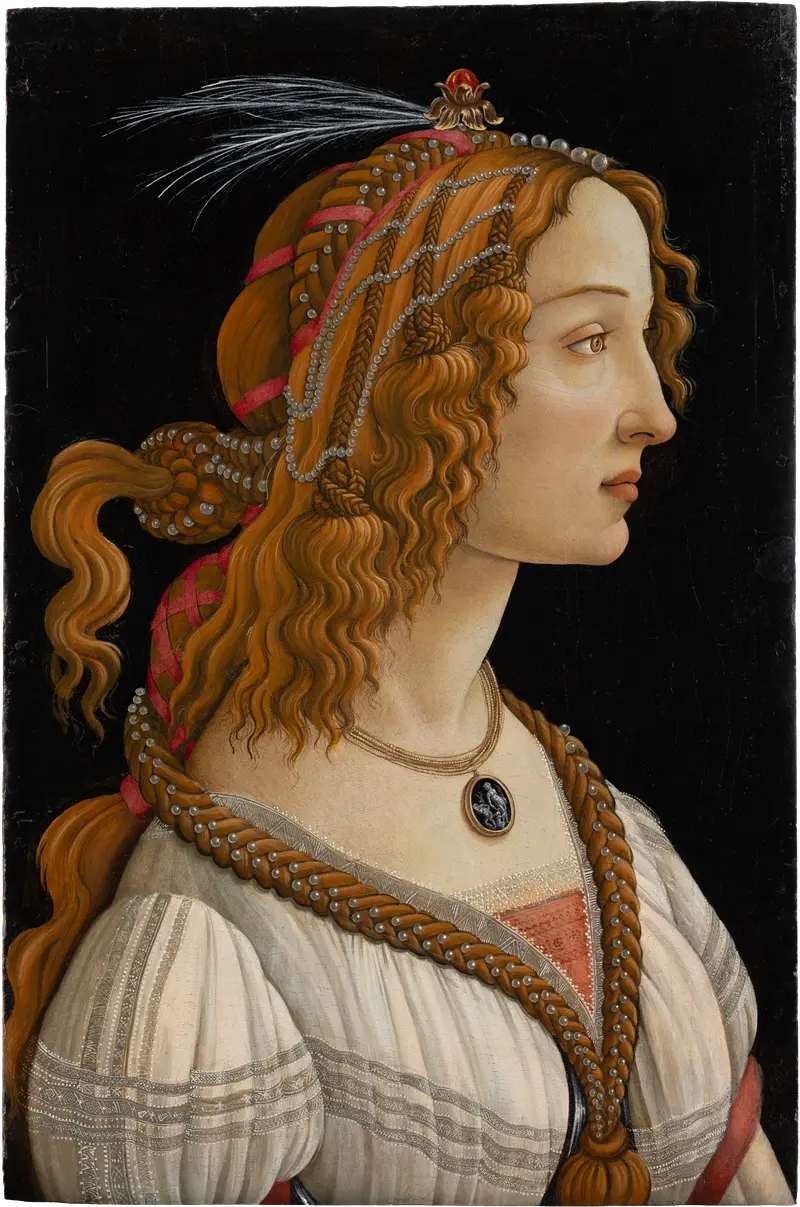
Idealized Portrait of a Lady (Portrait of Simonetta Vespucci as Nymph)
Sandro Botticelli





