
Madonna Dudley — History & Facts
When Madonna Dudley left the studio of Giovanni Bellini in 1508, it was already the subject of curiosity: the painting’s name derives not from the artist or its subject, but from the English collector Lord Dudley, who acquired it centuries after Bellini’s death. This late work stands out because it is among the last Madonnas Bellini painted, at a time when Venetian painting was shifting under the influence of younger artists like Giorgione and Titian. The painting’s journey from Renaissance Venice to British aristocratic collections mirrors the broader migration of Italian art into northern European hands during the 18th and 19th centuries, a process that shaped the taste and scholarship of generations. The scene captures the Virgin Mary holding the Christ Child, their faces close in a moment of quiet intimacy.
Mary’s gaze is gentle yet distant, her left hand supporting the child, who clutches at her veil—a gesture that artists used to symbolize both dependence and the foreshadowing of Christ’s future suffering. The background, with its soft, atmospheric landscape, is typical of Bellini’s mature style, suffusing the sacred figures with a sense of humanity and rootedness in the world. Compared to Raphael’s Madonnas, which often idealize their subjects, Bellini’s approach is more meditative, inviting the viewer into a private devotional space.
The delicate play of light across the Virgin’s face and the subtle rendering of fabrics reflect the artist’s lifelong fascination with the possibilities of oil painting. The precise origins of Madonna Dudley remain uncertain; there is no surviving record of its original commission, and the identity of its first owner is lost to history. What is known is that by the 19th century, the painting had entered the Dudley collection in England, where it gained its current name. Over time, it has been the subject of attribution debates, with some earlier scholars questioning whether the work was entirely by Bellini’s hand or finished by his workshop—a common issue with late works from his studio.
Today, the consensus leans toward Bellini’s authorship, especially in the sensitive modeling of the faces. The painting is now housed in a major European museum, where it stands as a testament to Bellini’s enduring influence on the Venetian Renaissance and the devotional art of his era.
More Artworks by Giovanni Bellini
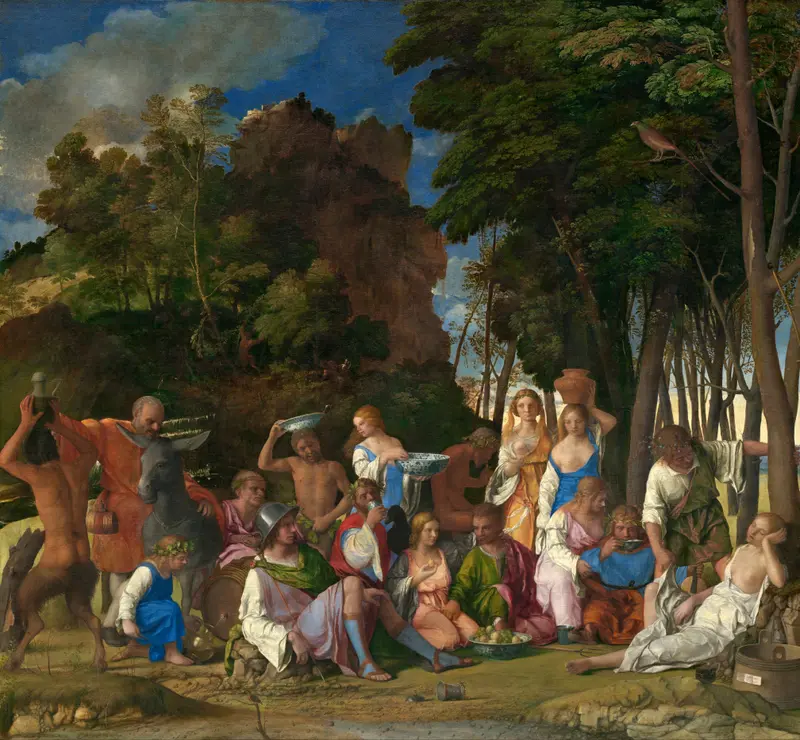
The Feast of the Gods
Giovanni Bellini

Madonna and Child enthroned with Saints and Angels
Giovanni Bellini
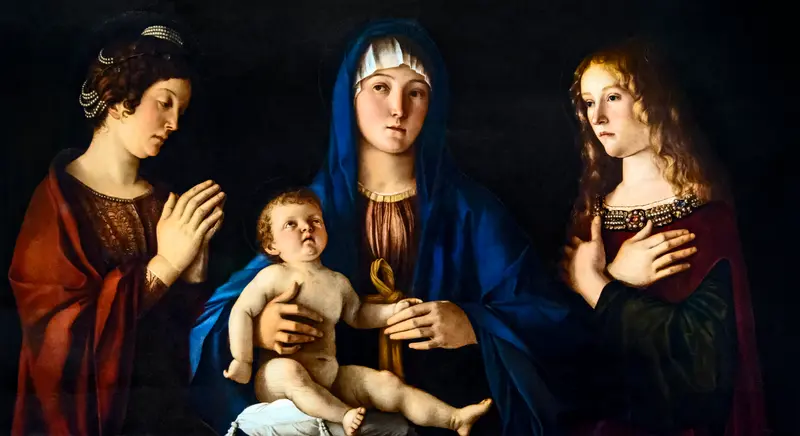
Madonna and Child between Saints Catherine and Mary Magdalene
Giovanni Bellini
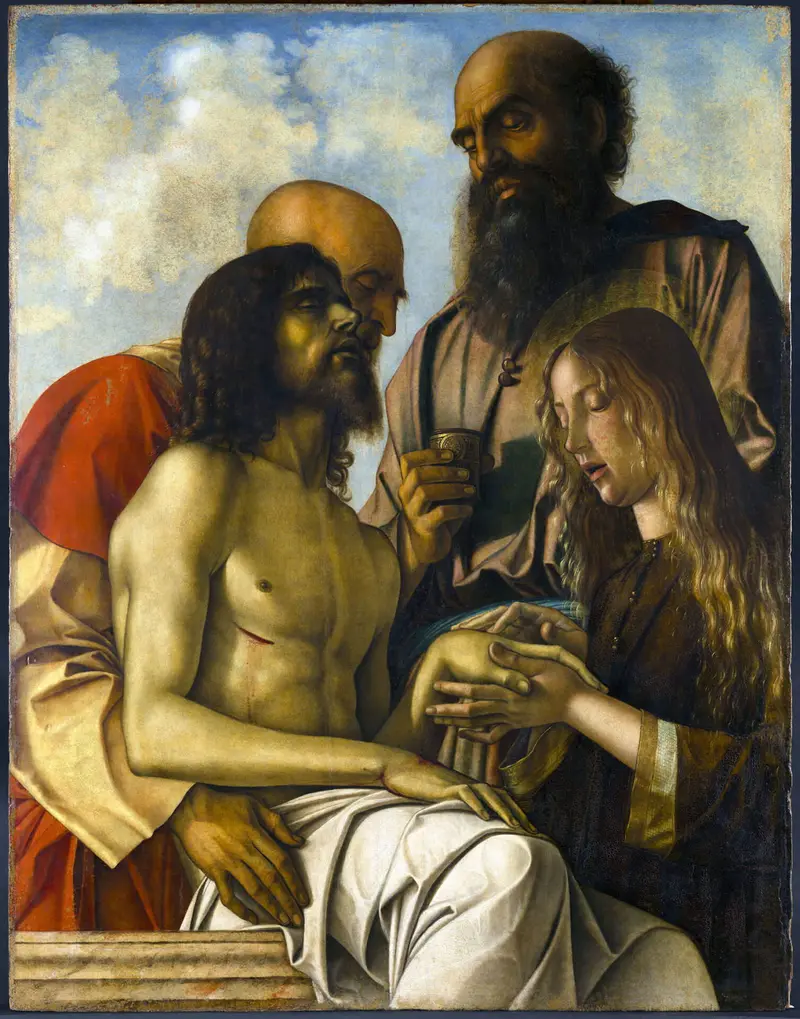
Lamentation over the Dead Christ
Giovanni Bellini
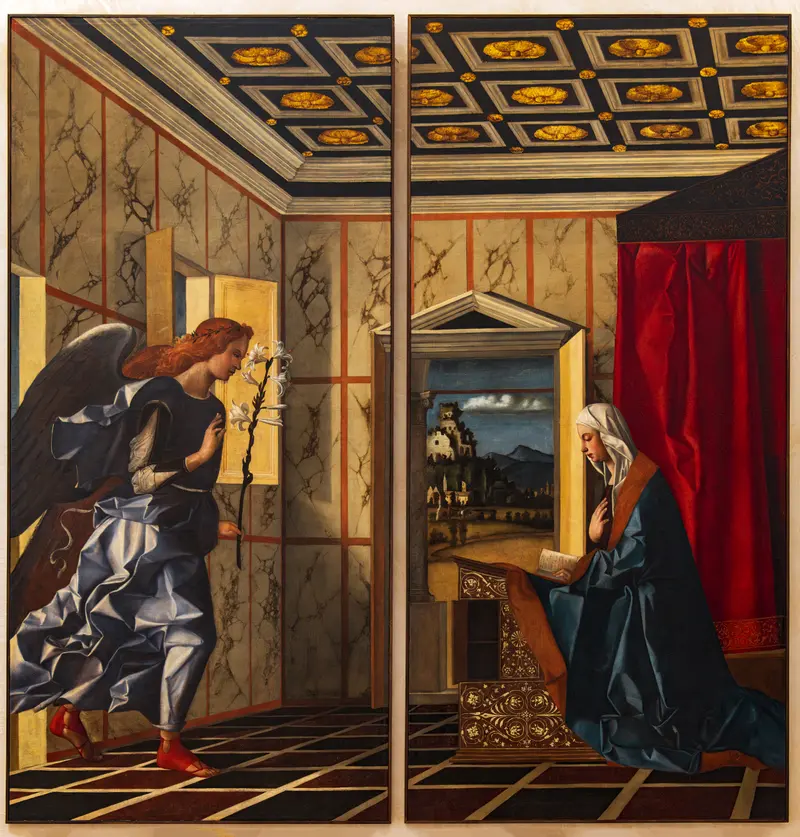
Annunciation
Giovanni Bellini
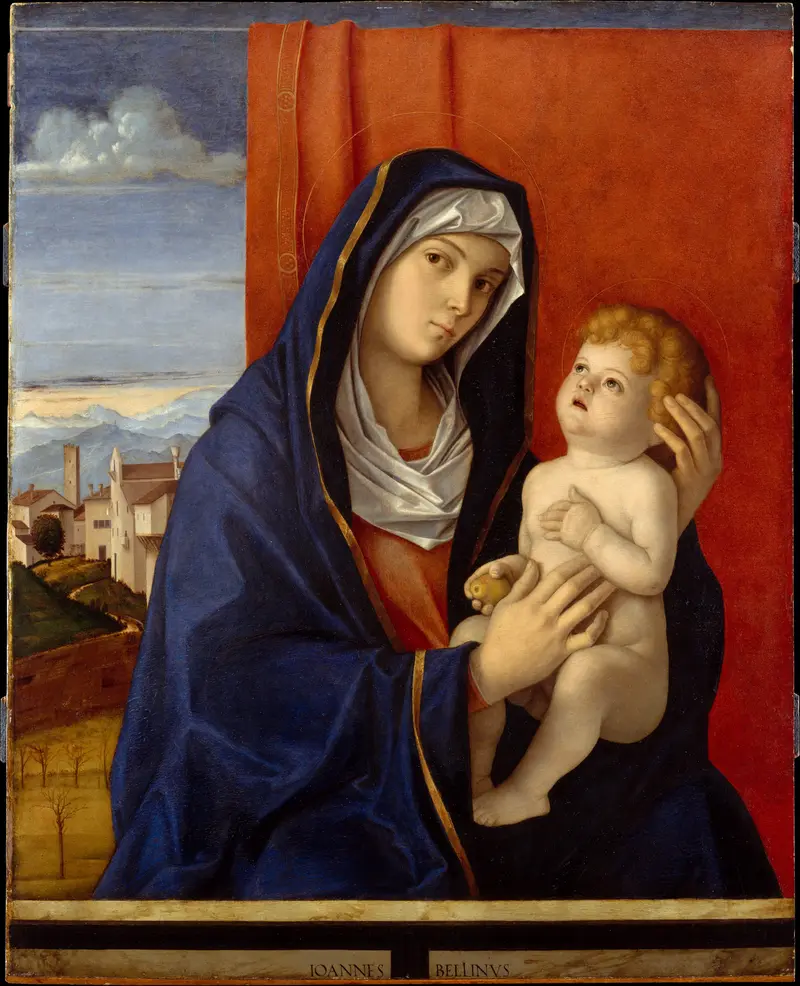
Madonna and Child
Giovanni Bellini
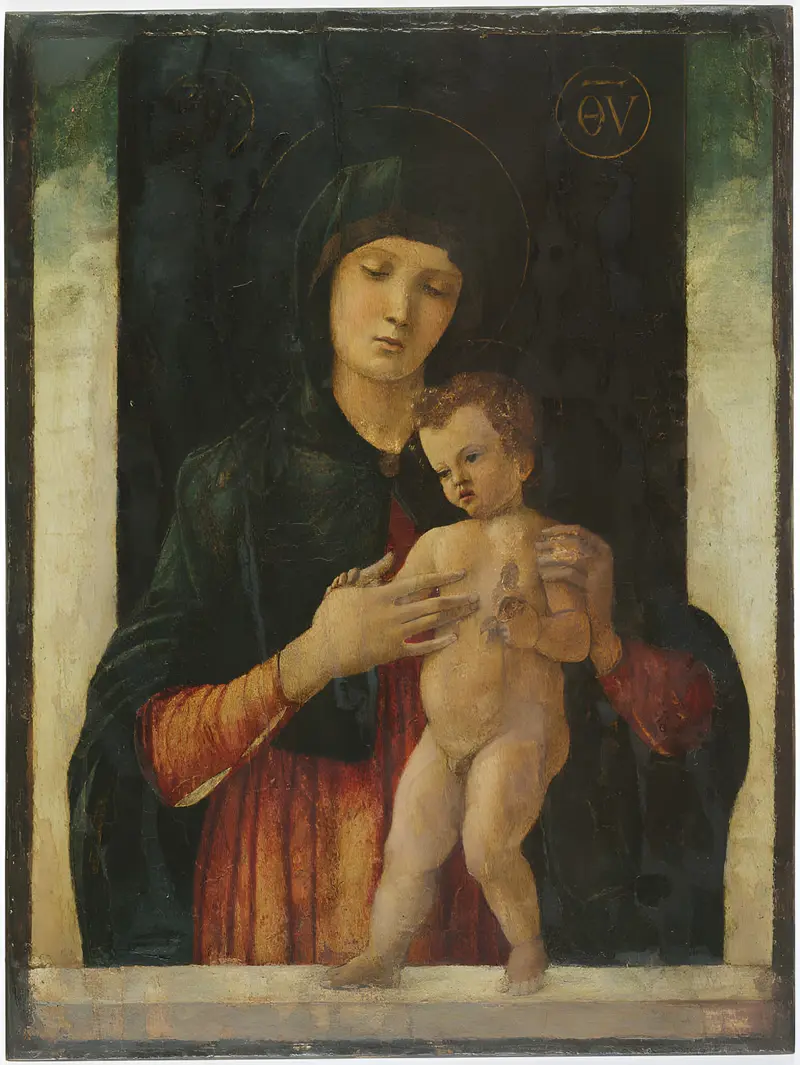
The Virgin and Child
Giovanni Bellini
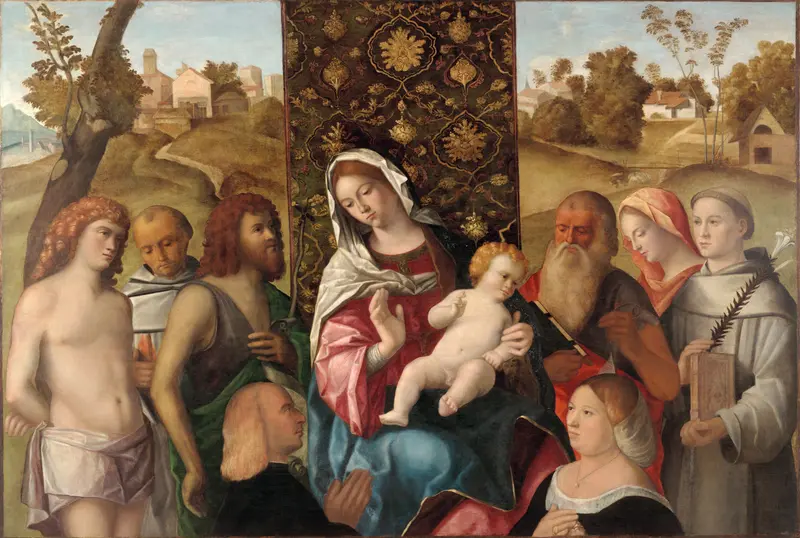
Virgin and Child with Saints Sebastian, Francis, John the Baptist, Jerome, an unidentified female saint, Saint Anthony of Padua and two donors
Giovanni Bellini
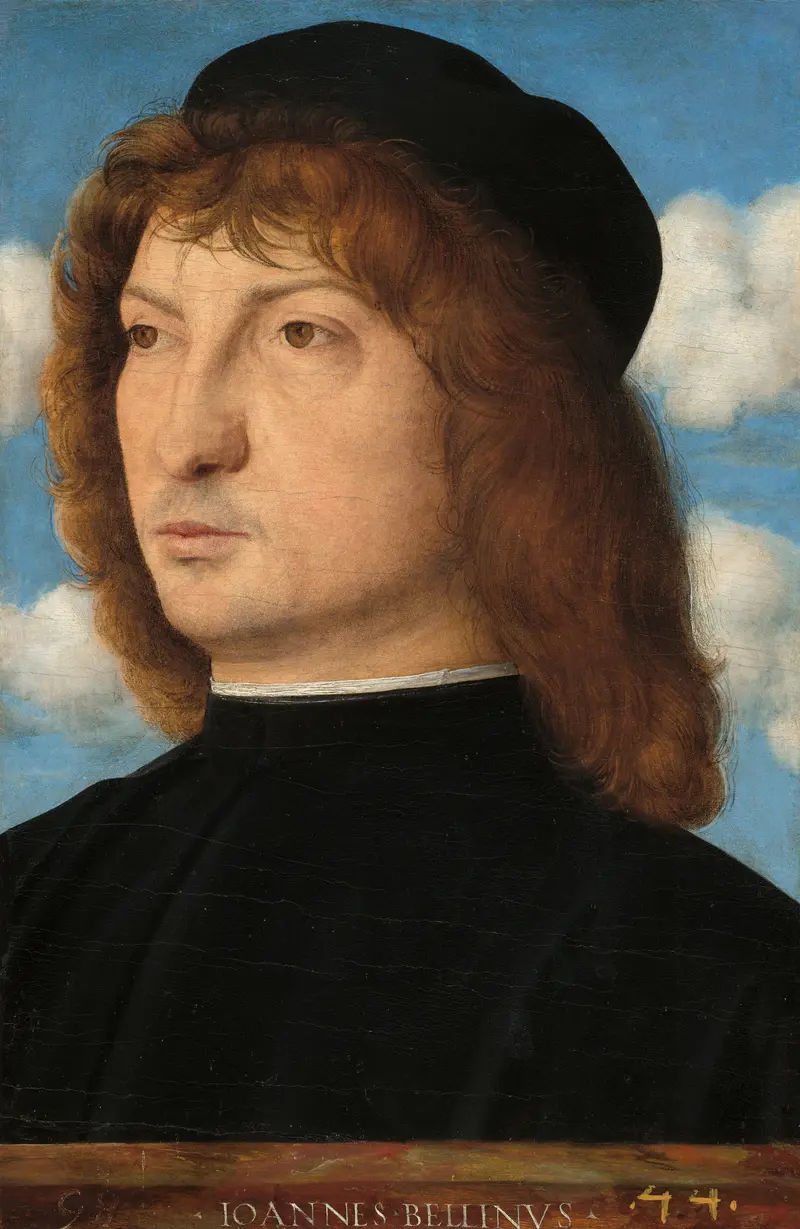
Portrait of a Venetian Gentleman
Giovanni Bellini
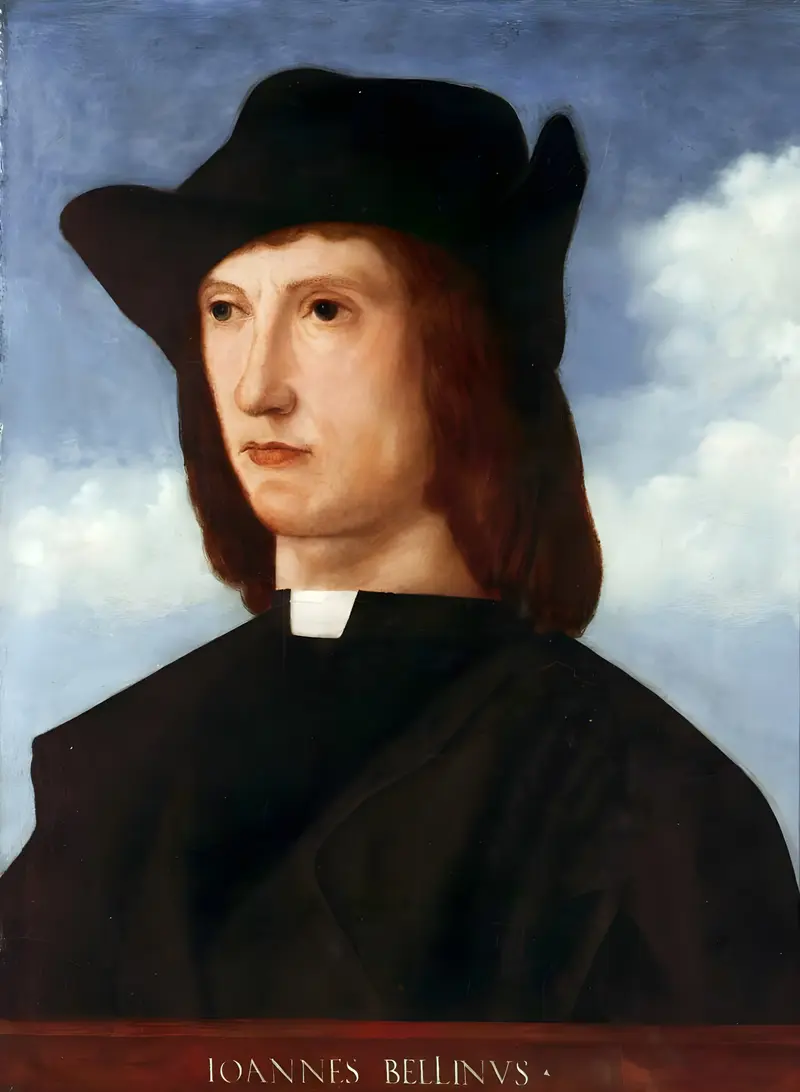
Portrait of a Young Man
Giovanni Bellini





