
Madonna op de maansikkel — History & Facts
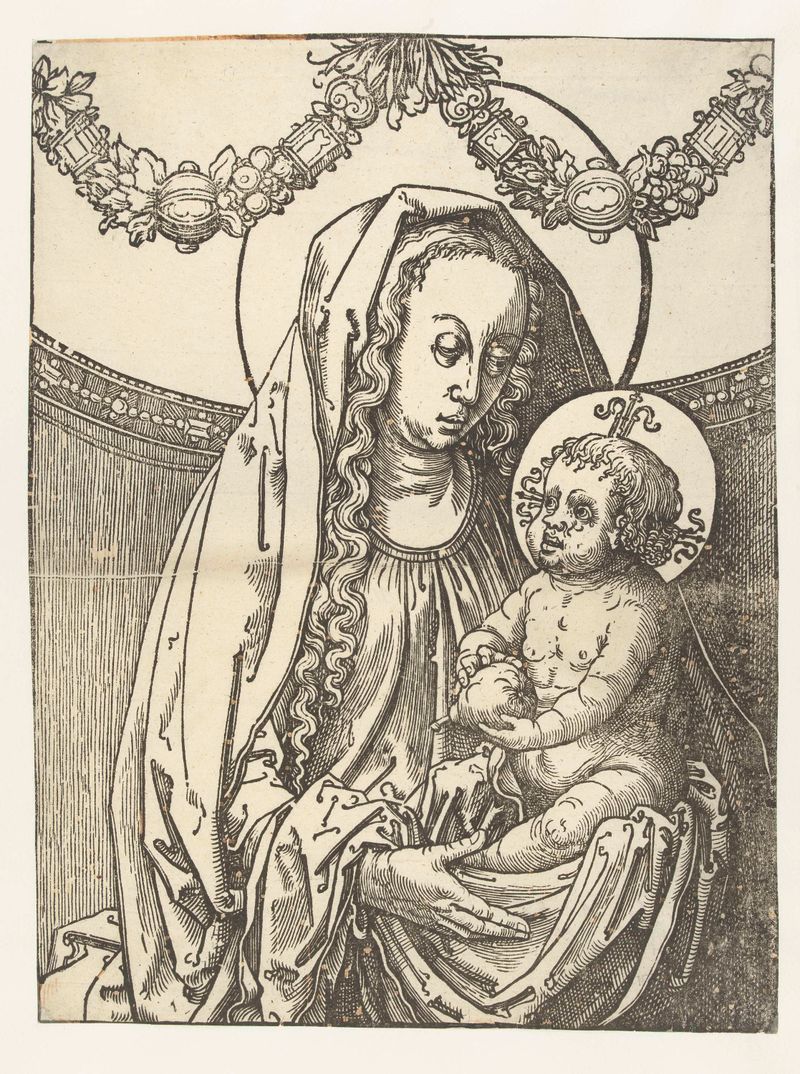
Who listens when art speaks of silence? In Madonna op de maansikkel, the gentle curve of the crescent moon cradles a moment suspended in time, inviting contemplation on the fragility of existence amidst the whispers of decay. Focus on the delicate figure of the Madonna, positioned centrally, her serene expression radiating calm against the somber, muted background. Notice how the golden halo around her head glimmers subtly, contrasting with the earthy tones of her robe. The interplay of light and shadow accentuates the folds of her garments, evoking a sense of both tranquility and isolation, while the moon’s silvery sheen draws the eye upward, suggesting a celestial connection that transcends the mundane. Within this artwork lies a profound tension between the divine and the earthly.
The crescent moon, often associated with change and transition, hints at impermanence, while the serene gaze of the Madonna evokes a sense of eternal motherhood. The juxtaposition of the ethereal and the material invites viewers to reflect on the passage of time and the inevitable decay that shadows all life, creating a poignant dialogue between hope and despair. Created between 1514 and 1517, this piece emerges from a period of great artistic innovation in the Northern Renaissance. Lucas van Leyden, influenced by both the nascent humanism of his time and traditional religious themes, sought to blend the spiritual with the tangible.
As he painted this work, Europe was on the brink of reforms that would challenge established beliefs, making the stillness of the Madonna amidst the impending changes all the more striking.
More Artworks by Lucas van Leyden
Browse all →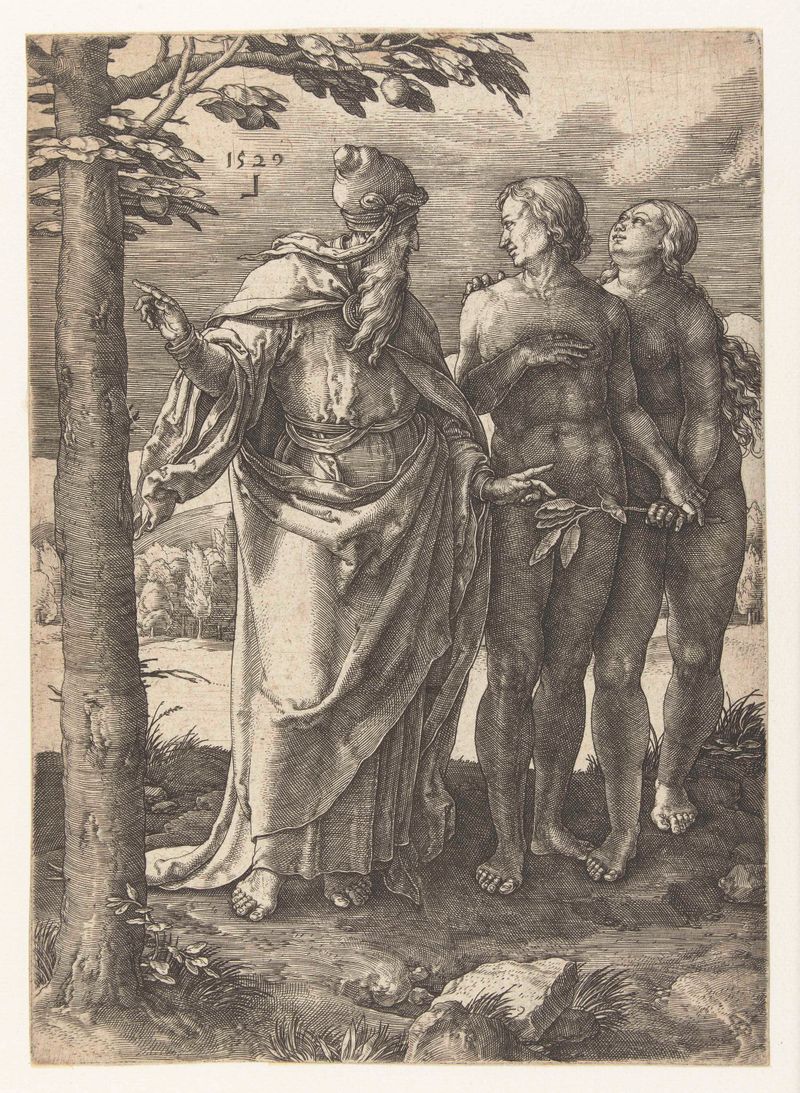
Het eerste verbod
Lucas van Leyden
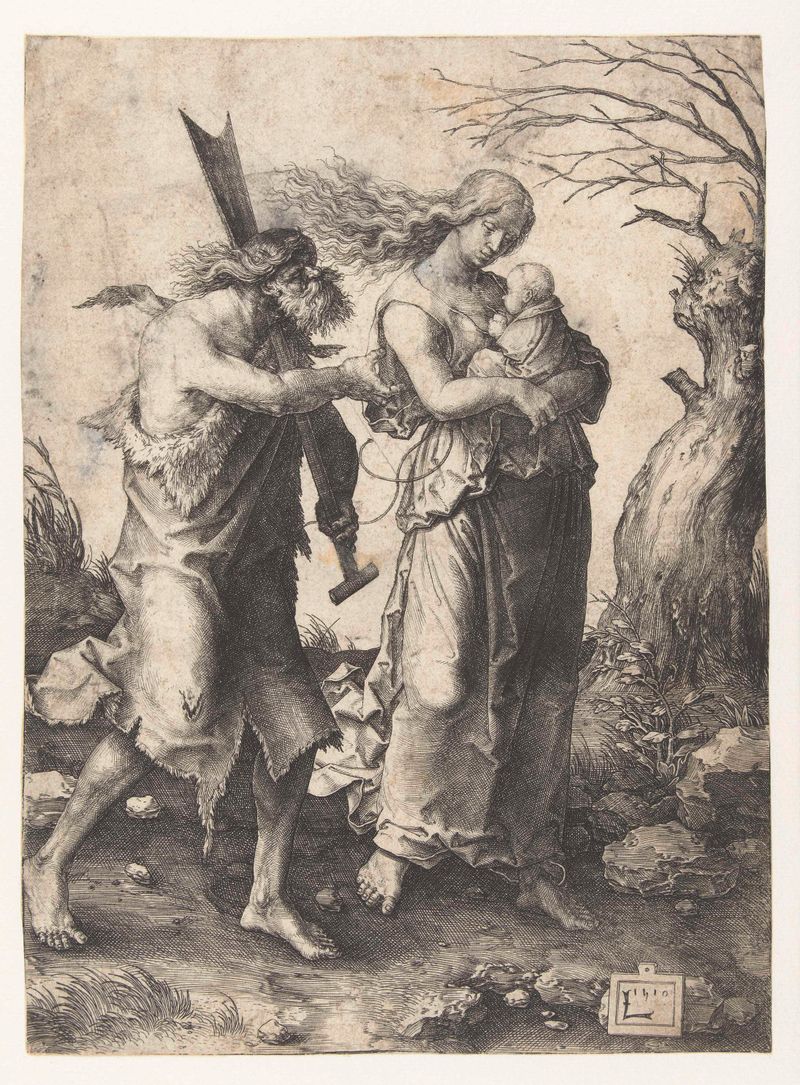
Adam en Eva na de verdrijving uit het paradijs
Lucas van Leyden
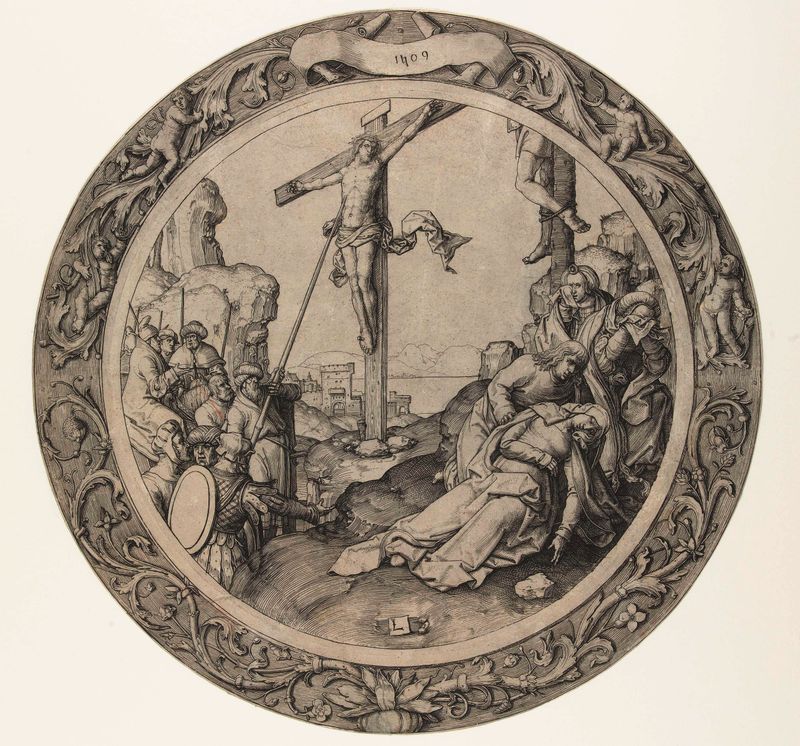
De kruisiging
Lucas van Leyden
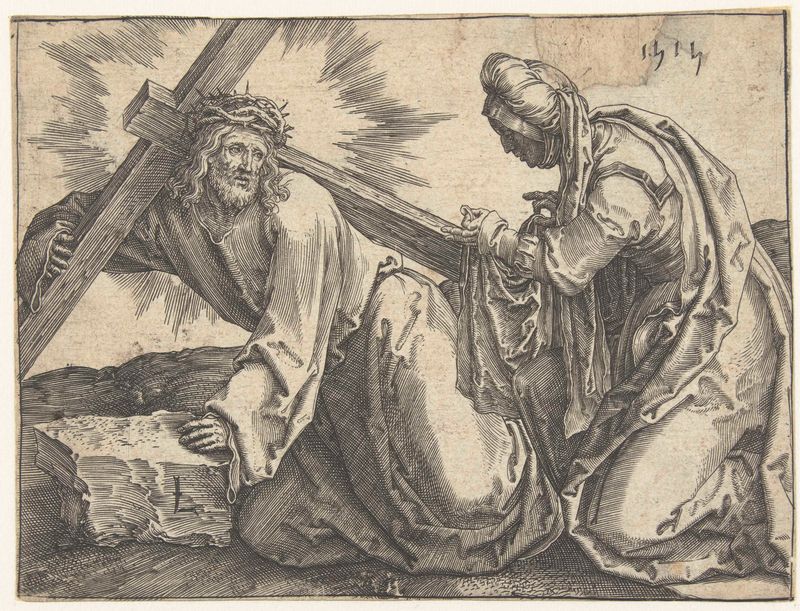
Kruisdraging
Lucas van Leyden
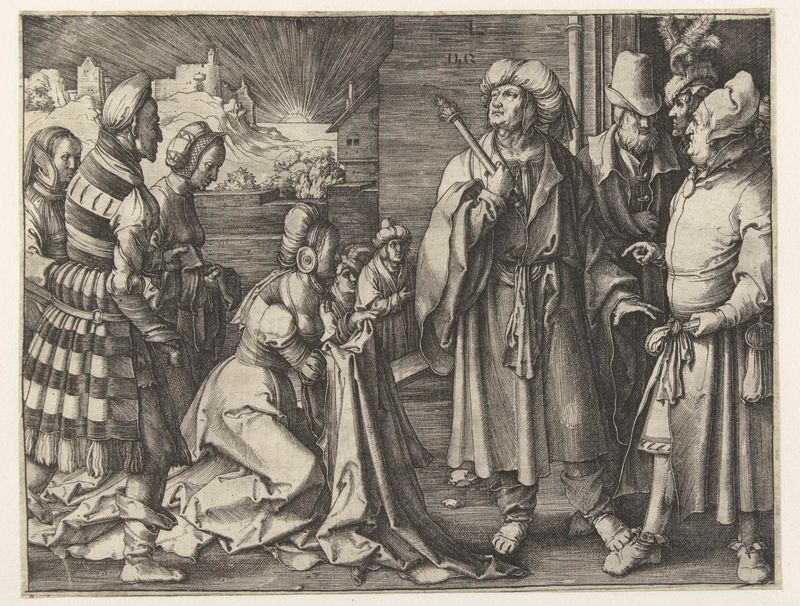
De vrouw van Potifar beschuldigt Jozef
Lucas van Leyden
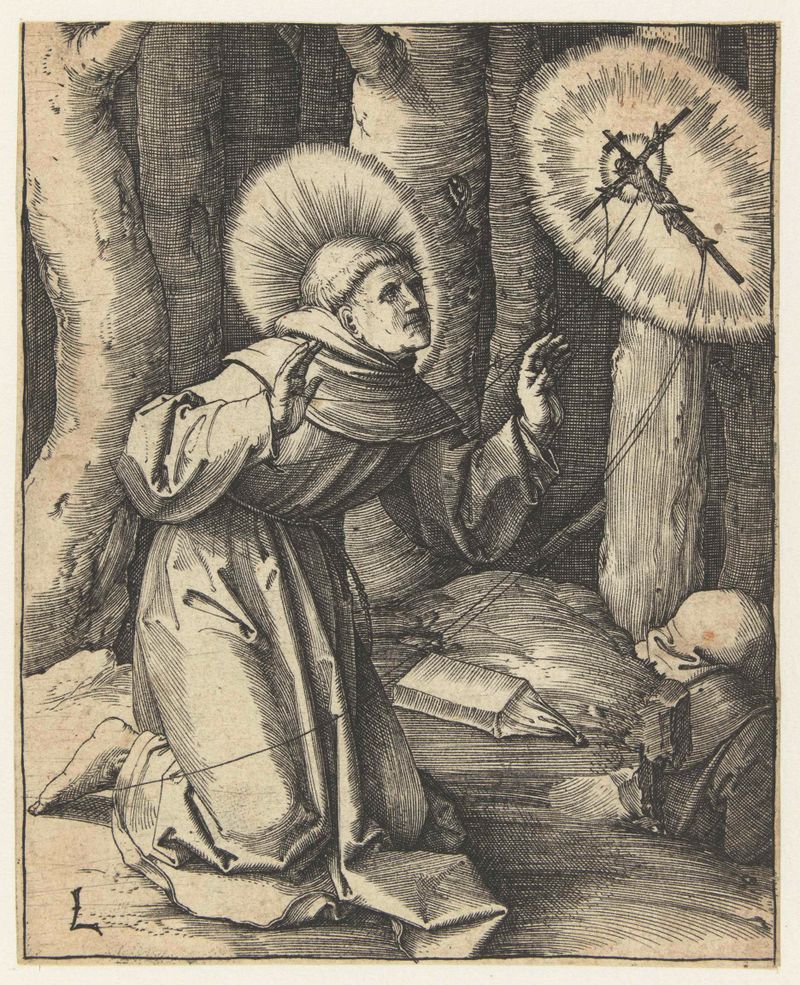
De stigmatisatie van de heilige Franciscus
Lucas van Leyden
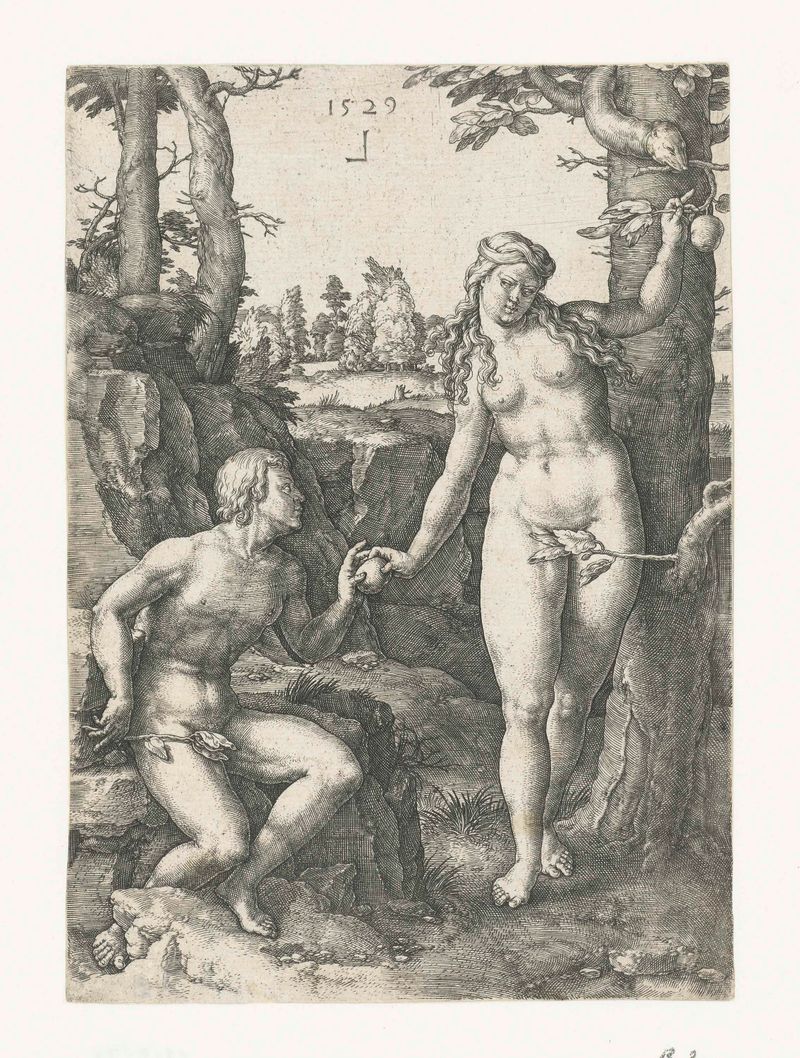
De zondeval
Lucas van Leyden
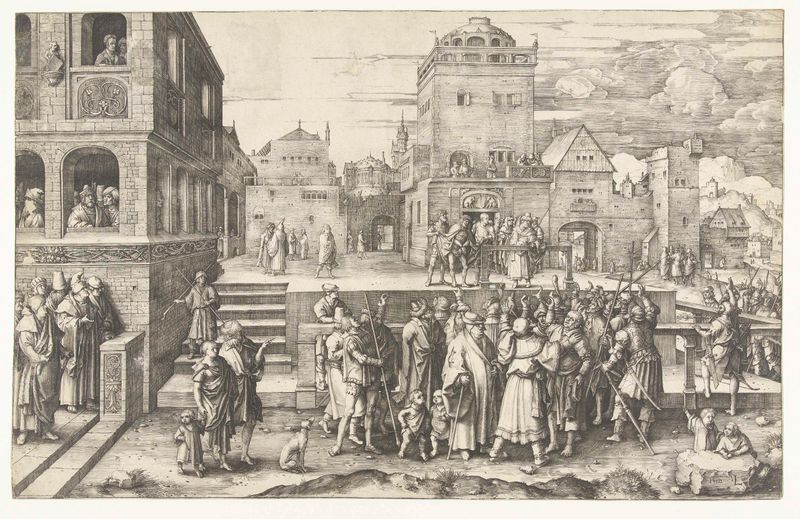
De grote Ecce Homo
Lucas van Leyden
Maria met kind
Lucas van Leyden

Doornenkroning
Lucas van Leyden
More Religious Art
Browse all →
The Return of the Prodigal Son
Rembrandt van Rijn

The Garden of Earthly Delights
El Bosco

Count Orgaz’ funeral
El Greco

The Hundred Guilder Print: the central piece with Christ preaching, the plate arched
Rembrandt van Rijn

The Descent from the Cross
Rogier van der Weyden

The return of the prodigal son
Rembrandt van Rijn