
Madonna op de maansikkel — History & Facts
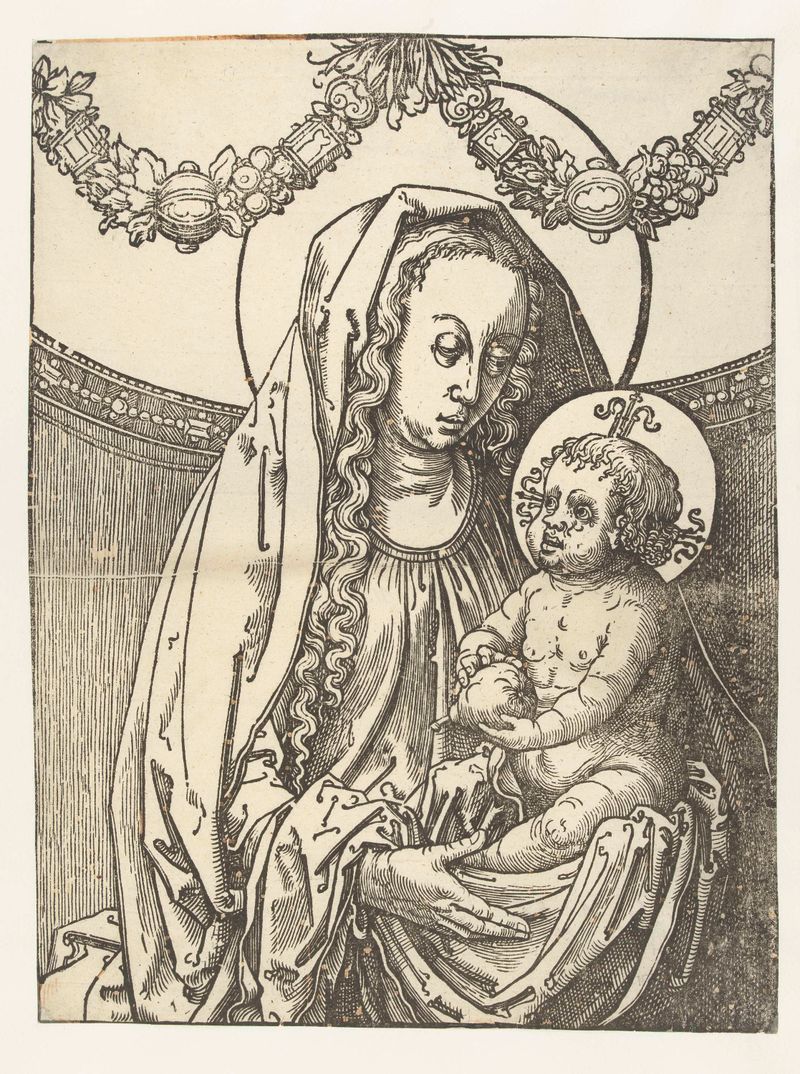
In the depths of the canvas, a powerful revelation unfolds, inviting the viewer to delve into a world where faith and artistry intertwine. Look to the center, where the Virgin Mary cradles the infant Jesus, both figures bathed in a warm, golden glow that radiates serenity. Their expressions, tender yet profound, command attention, while delicate details beckon exploration—the intricate folds of Mary's robe, the soft luminosity of the moon beneath them, and the carefully rendered features of the child. The contrasting cool blues and warm golds create a harmonious balance, drawing your eye to the divine presence at the heart of the scene. Yet, beyond the immediate beauty lies a poignant tension.
The crescent moon symbolizes both humility and the celestial, an emblem of the eternal juxtaposed against the temporal. The surrounding figures glimpse toward the central pair, suggesting a collective reverence, while the subtle shadows hint at the weight of their devotion. Each detail, from the ethereal drapery to the serene landscape, encapsulates a profound narrative of faith and compassion, resonating with the viewer's own experience of the divine. Lucas van Leyden created this masterpiece between 1510 and 1514 during a period of significant transformation in Northern Renaissance art.
His innovative techniques and focus on detail marked a departure from earlier styles, reflecting a deepening exploration of spiritual themes amid the changing tides of religious thought. This work stands as a testament to both his mastery and the era's quest for deeper connections with the divine.
More Artworks by Lucas van Leyden
Browse all →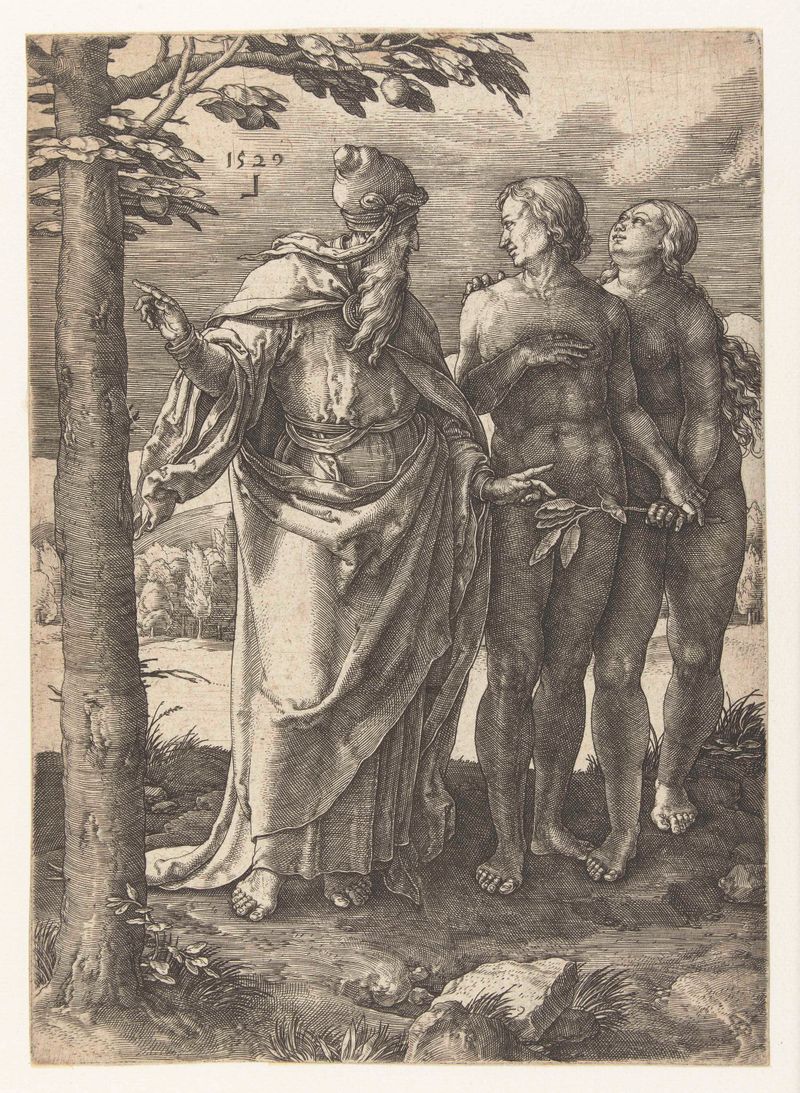
Het eerste verbod
Lucas van Leyden
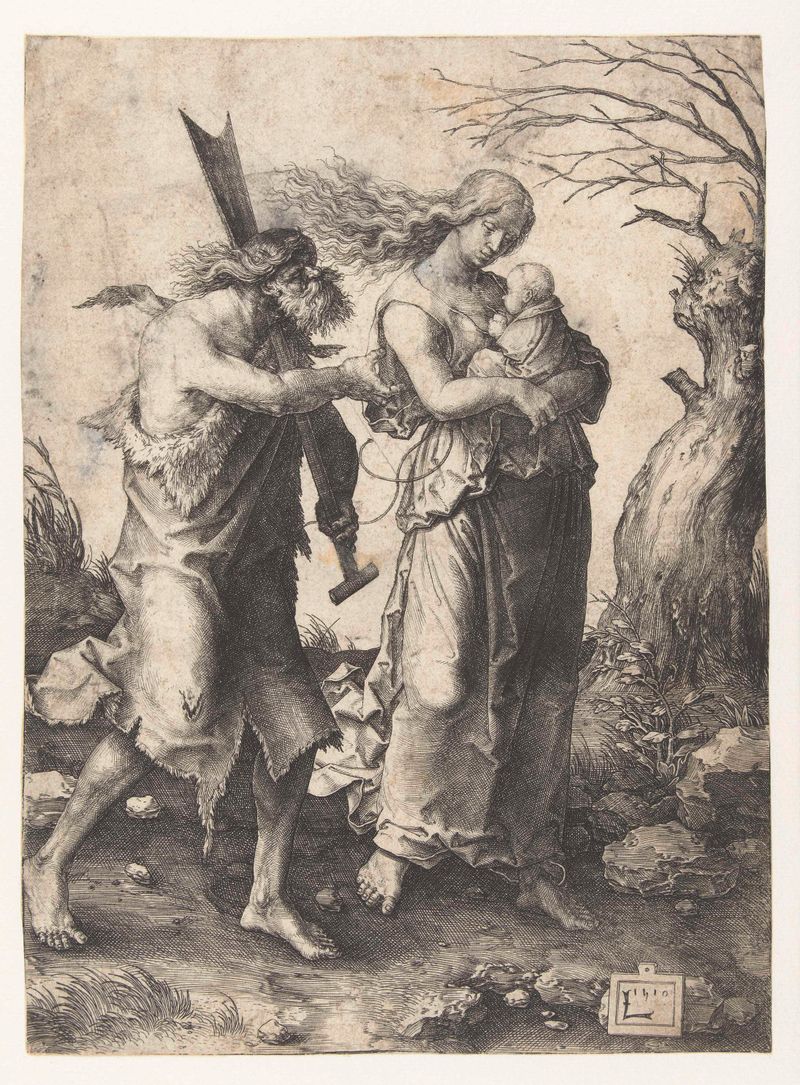
Adam en Eva na de verdrijving uit het paradijs
Lucas van Leyden
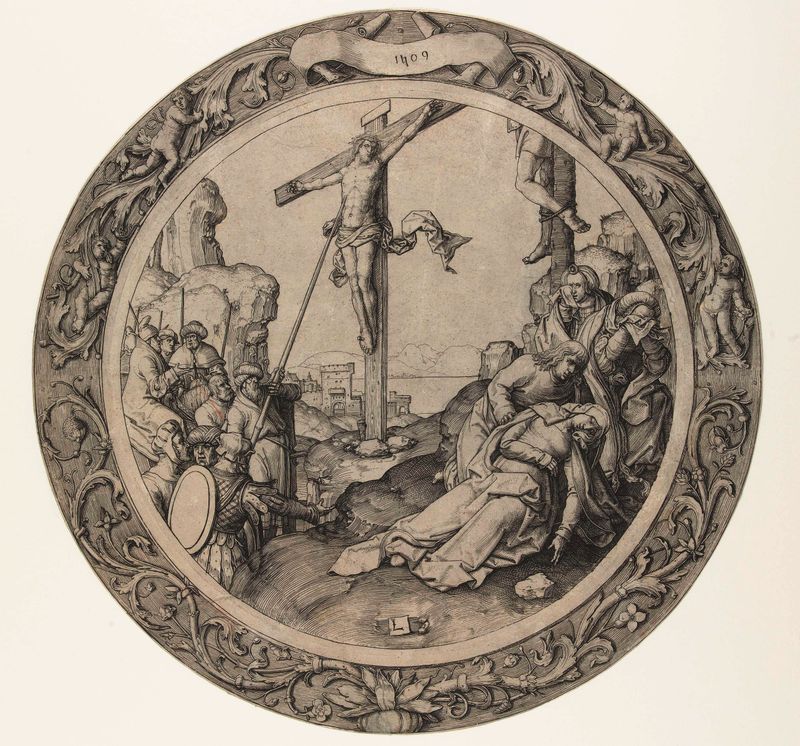
De kruisiging
Lucas van Leyden
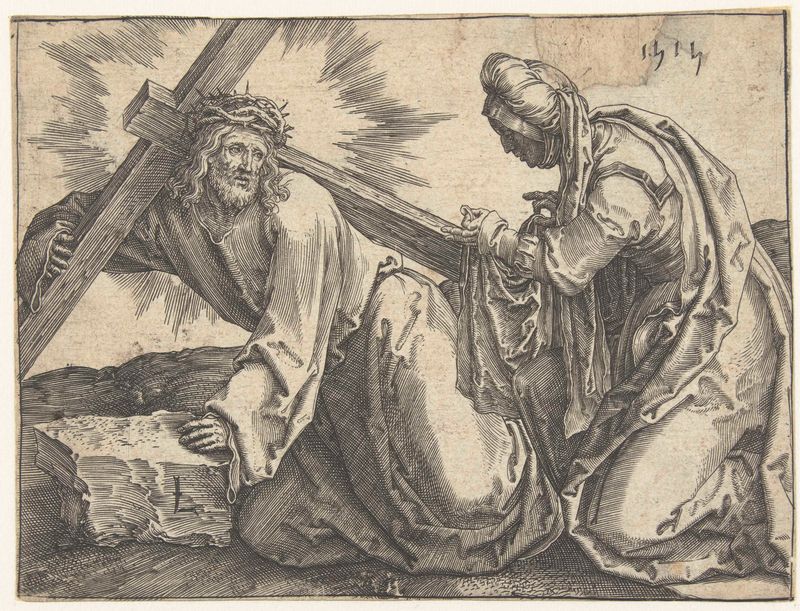
Kruisdraging
Lucas van Leyden
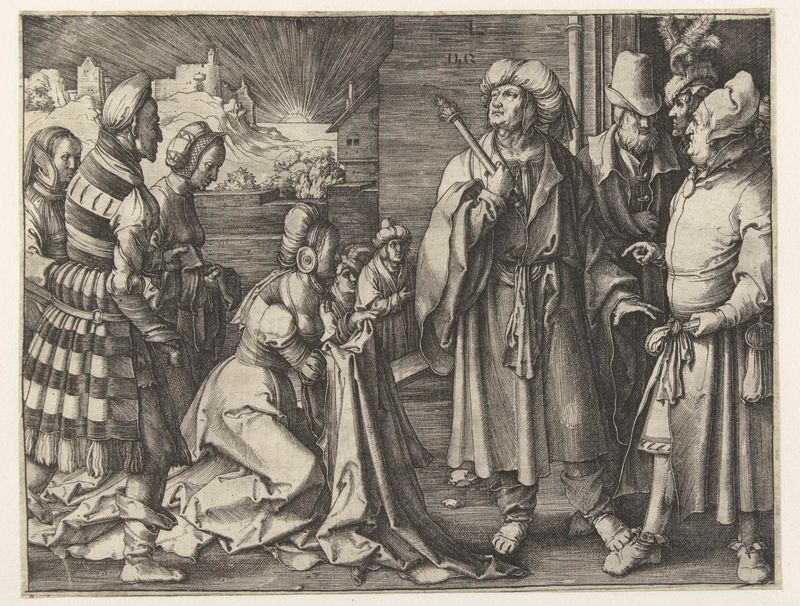
De vrouw van Potifar beschuldigt Jozef
Lucas van Leyden
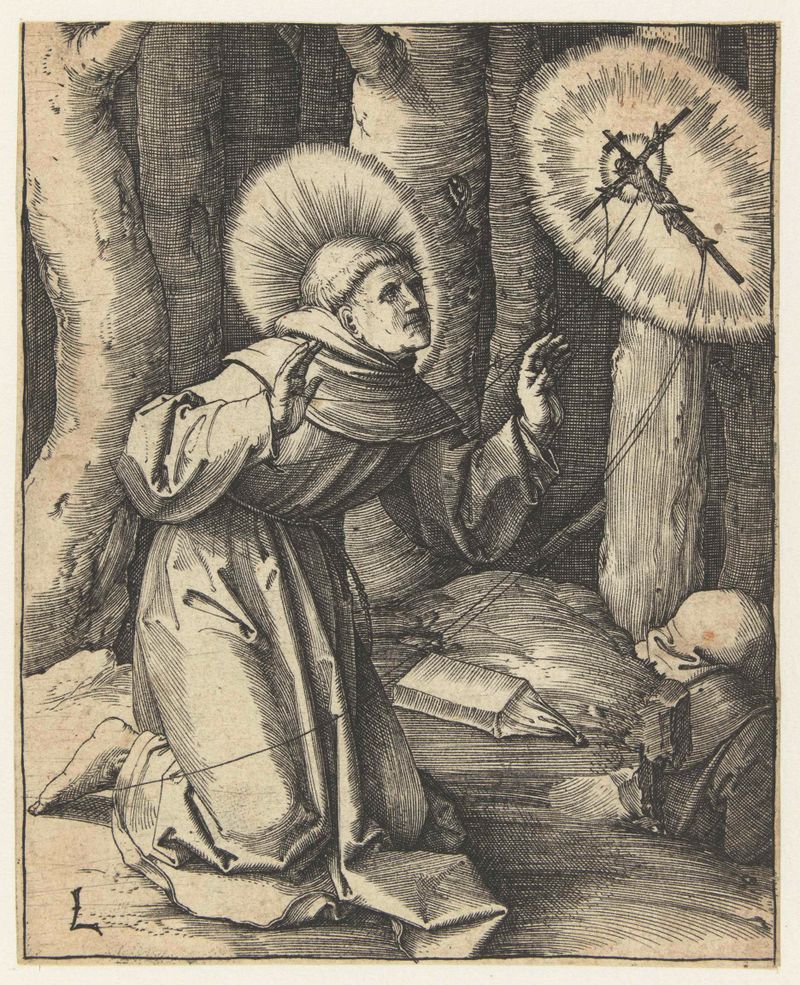
De stigmatisatie van de heilige Franciscus
Lucas van Leyden
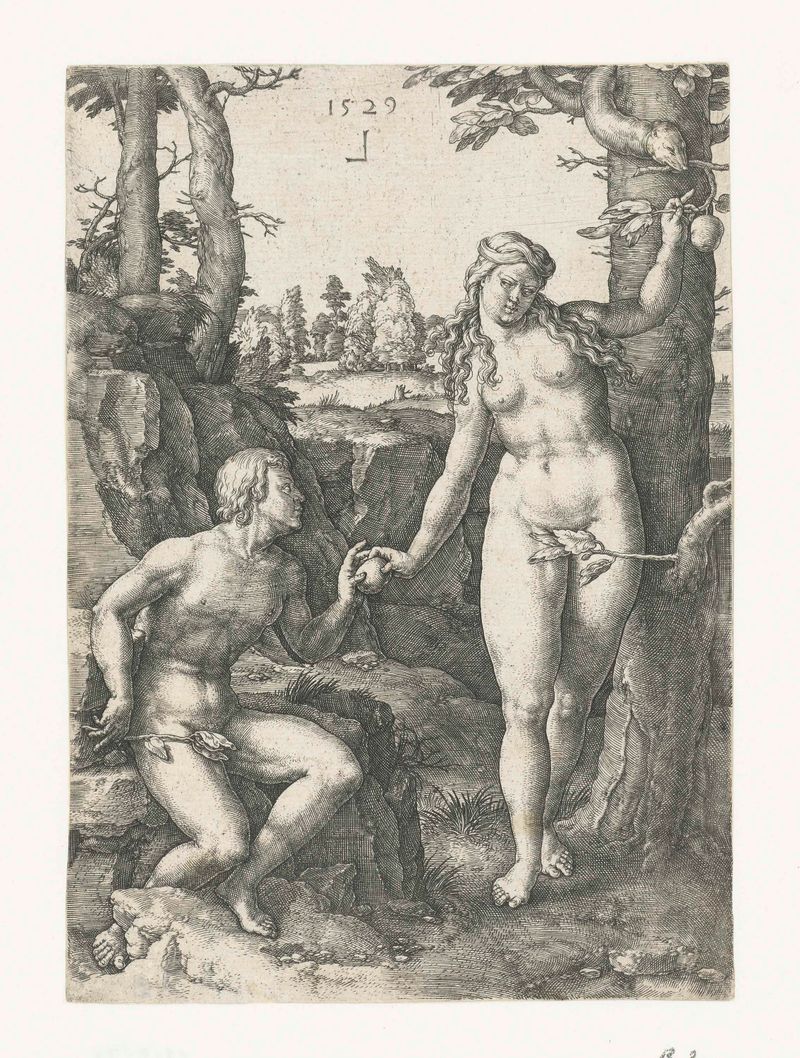
De zondeval
Lucas van Leyden
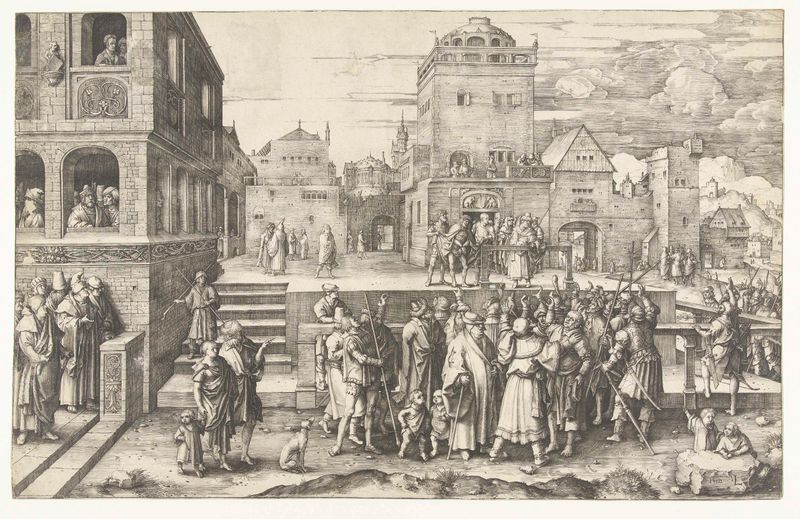
De grote Ecce Homo
Lucas van Leyden
Maria met kind
Lucas van Leyden

Doornenkroning
Lucas van Leyden
More Religious Art
Browse all →
The Return of the Prodigal Son
Rembrandt van Rijn

The Garden of Earthly Delights
El Bosco

Count Orgaz’ funeral
El Greco

The Hundred Guilder Print: the central piece with Christ preaching, the plate arched
Rembrandt van Rijn

The Descent from the Cross
Rogier van der Weyden

The return of the prodigal son
Rembrandt van Rijn