
Madonna op de maansikkel — History & Facts
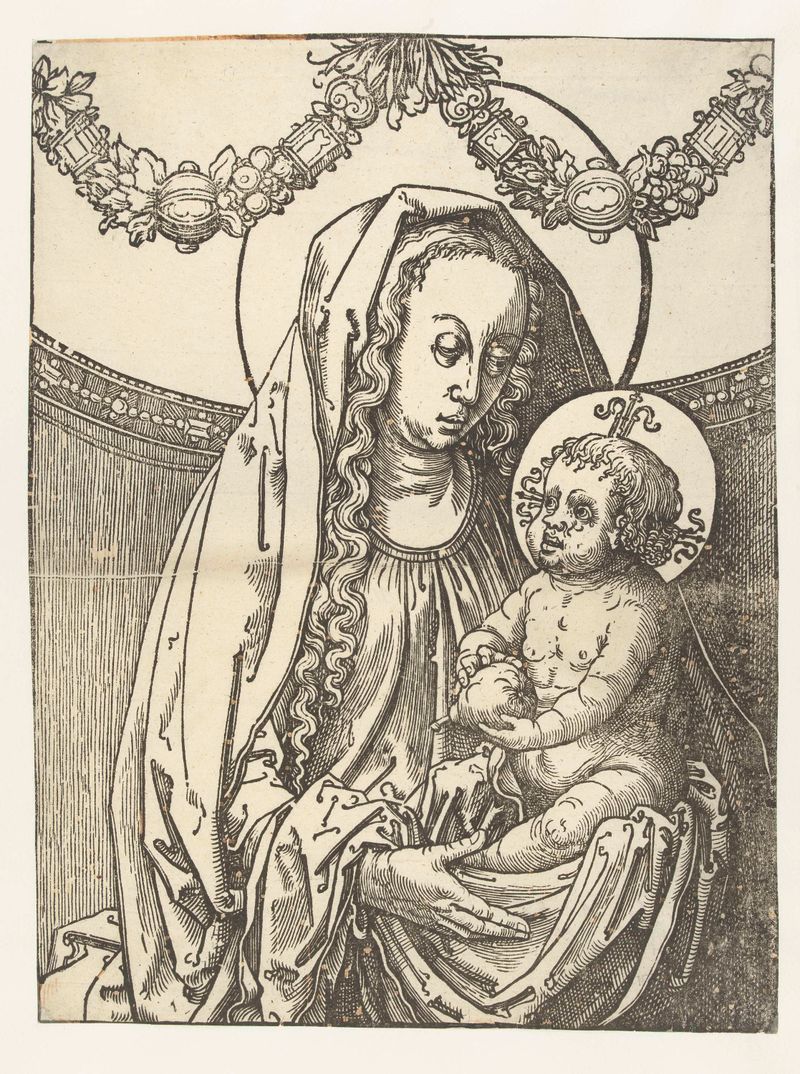
Where does light end, and longing begin? In the delicate interplay of divine form and earthly existence, Lucas van Leyden invites us into a contemplative embrace with Madonna op de maansikkel. Look to the serene face of the Virgin Mary, radiant as she rests upon the crescent moon. Notice how the soft glow emanates from her figure, illuminating her flowing robes in hues of deep blue and gold, symbolizing her celestial nature. The intricate details of her garments draw the eye—each fold meticulously rendered, whispering of divine grace.
The delicate chiaroscuro emphasizes her gentle features, creating a striking contrast with the darkened background, which serves to elevate her as a figure of light amidst the shadows. Beneath her poised exterior lies a profound tension; the moon cradles her, yet suggests an otherworldliness that separates her from earthly concerns. The symbolism of the crescent moon not only signifies femininity but also the transient nature of life and the eternal quality of faith. Each detail, from the delicate folds of her cloak to the thoughtful expression on her face, conveys a deep yearning for connection between the divine and the human experience. Created in 1523, this work emerged during a period of artistic transition in Northern Europe, with van Leyden at the forefront of printmaking and early Renaissance painting.
Living in Leiden, he was influenced by humanist ideas and the burgeoning Reformation, which sought to challenge the spiritual norms of the time. His depiction of the Madonna captures both the prevailing religious sentiments and the artist's innovative approach to merging sacred themes with a personal and human touch.
More Artworks by Lucas van Leyden
Browse all →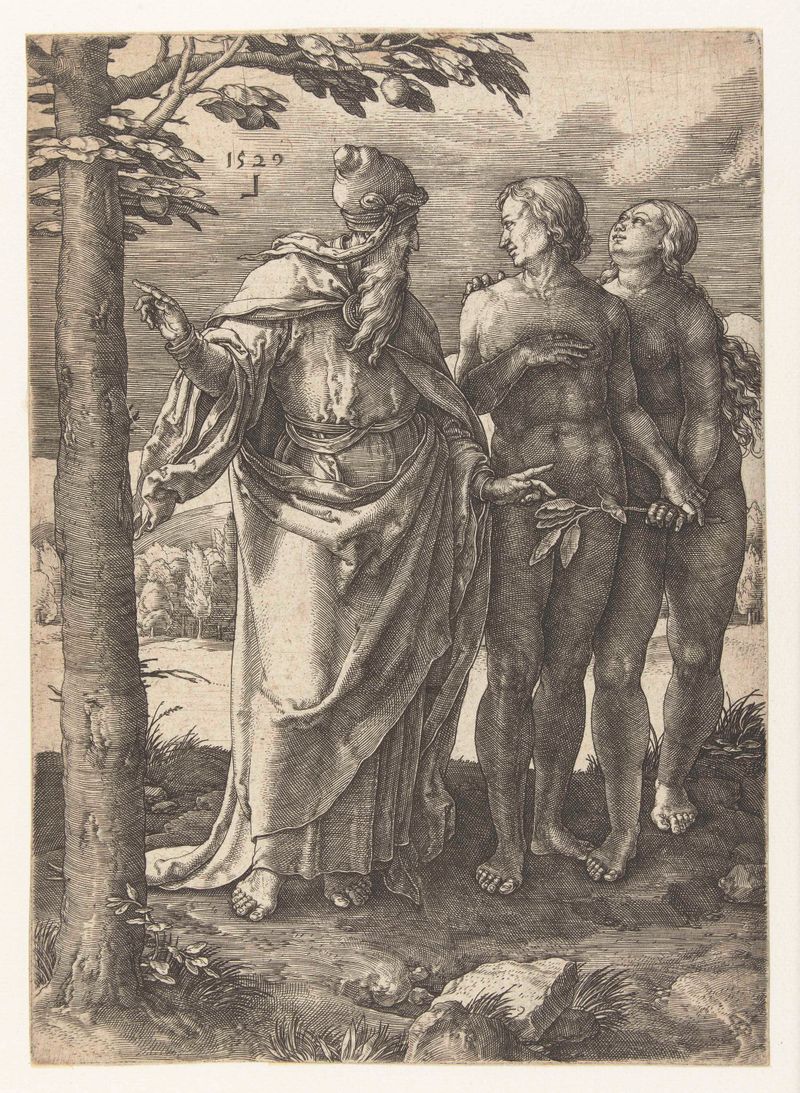
Het eerste verbod
Lucas van Leyden
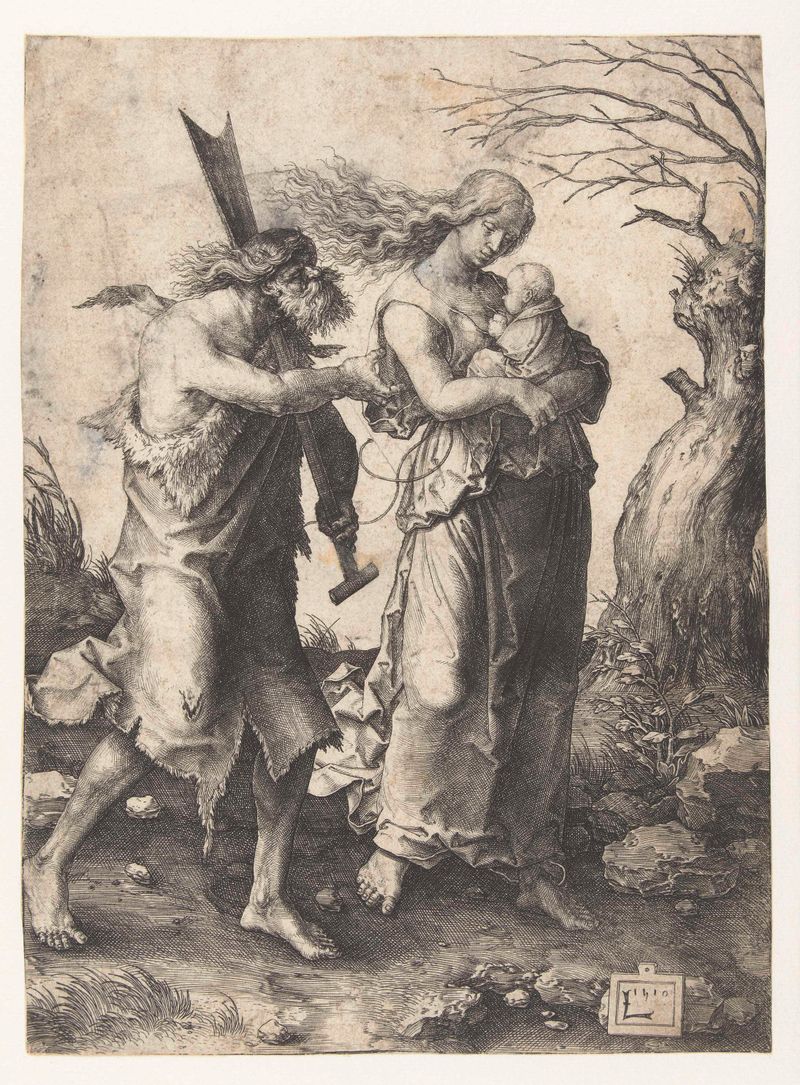
Adam en Eva na de verdrijving uit het paradijs
Lucas van Leyden
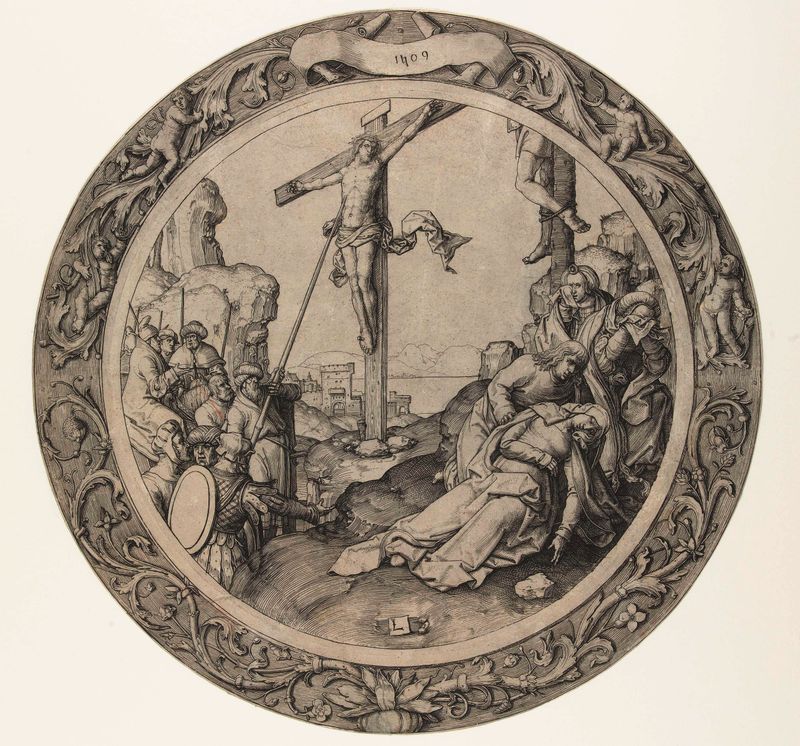
De kruisiging
Lucas van Leyden
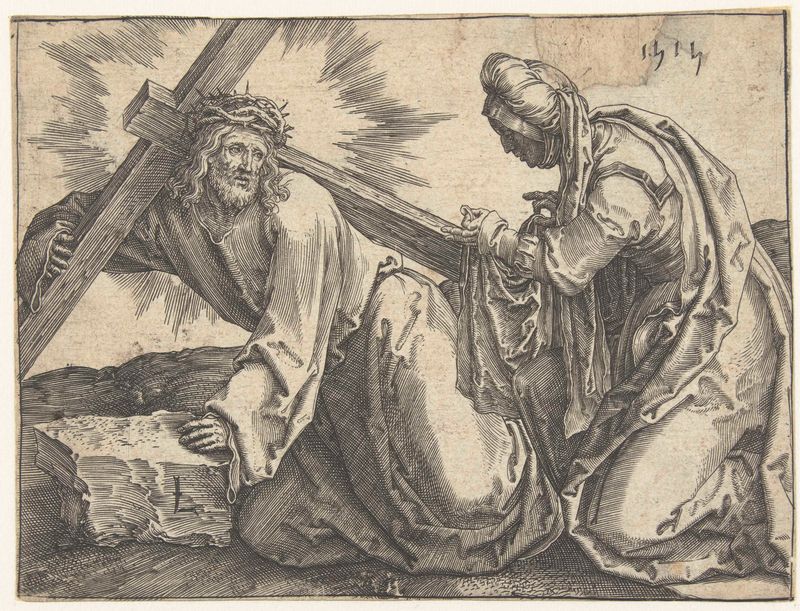
Kruisdraging
Lucas van Leyden
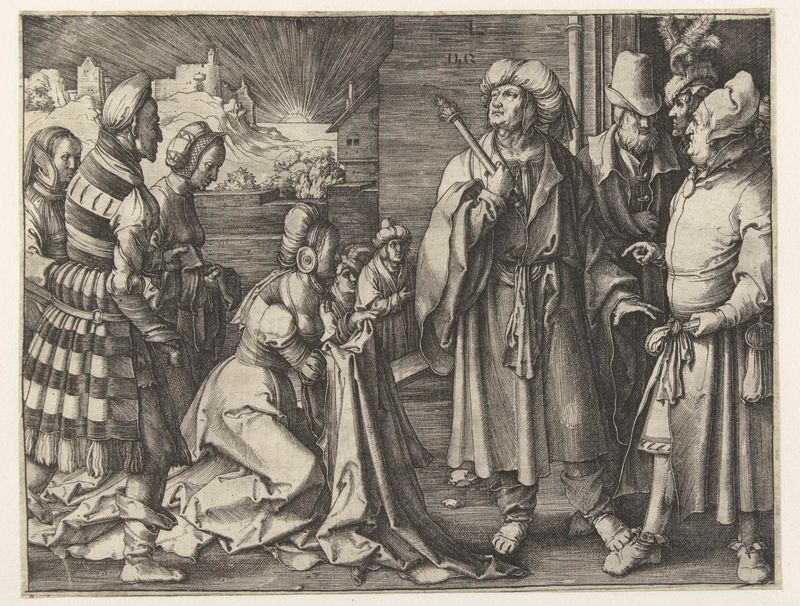
De vrouw van Potifar beschuldigt Jozef
Lucas van Leyden
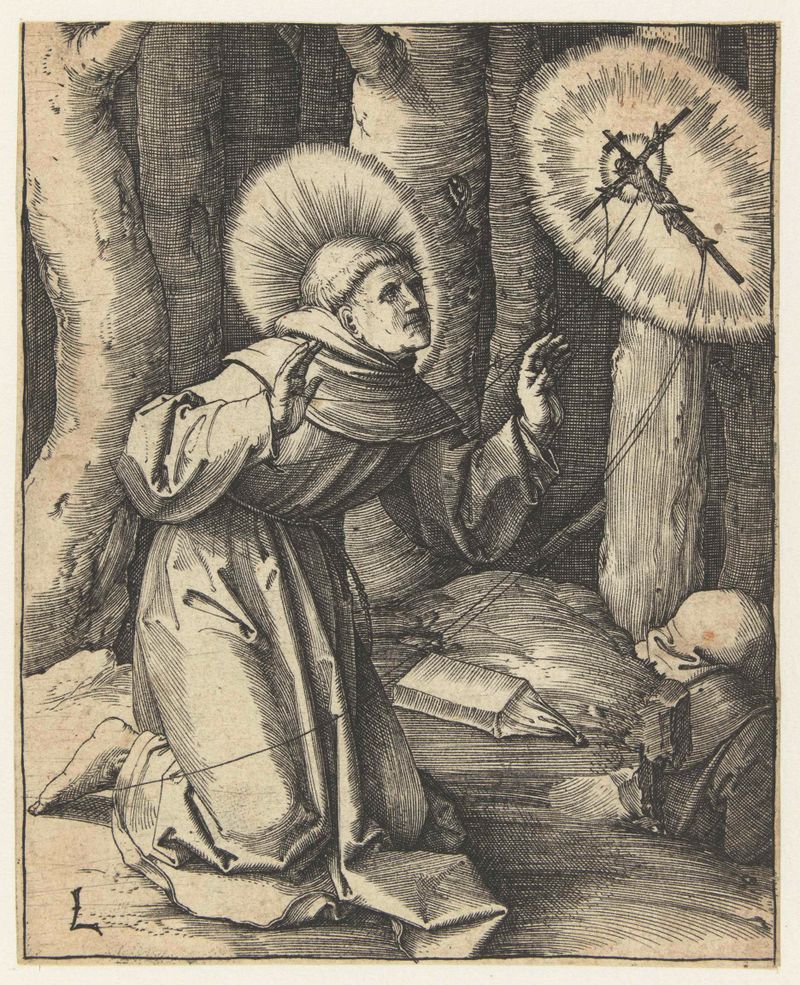
De stigmatisatie van de heilige Franciscus
Lucas van Leyden
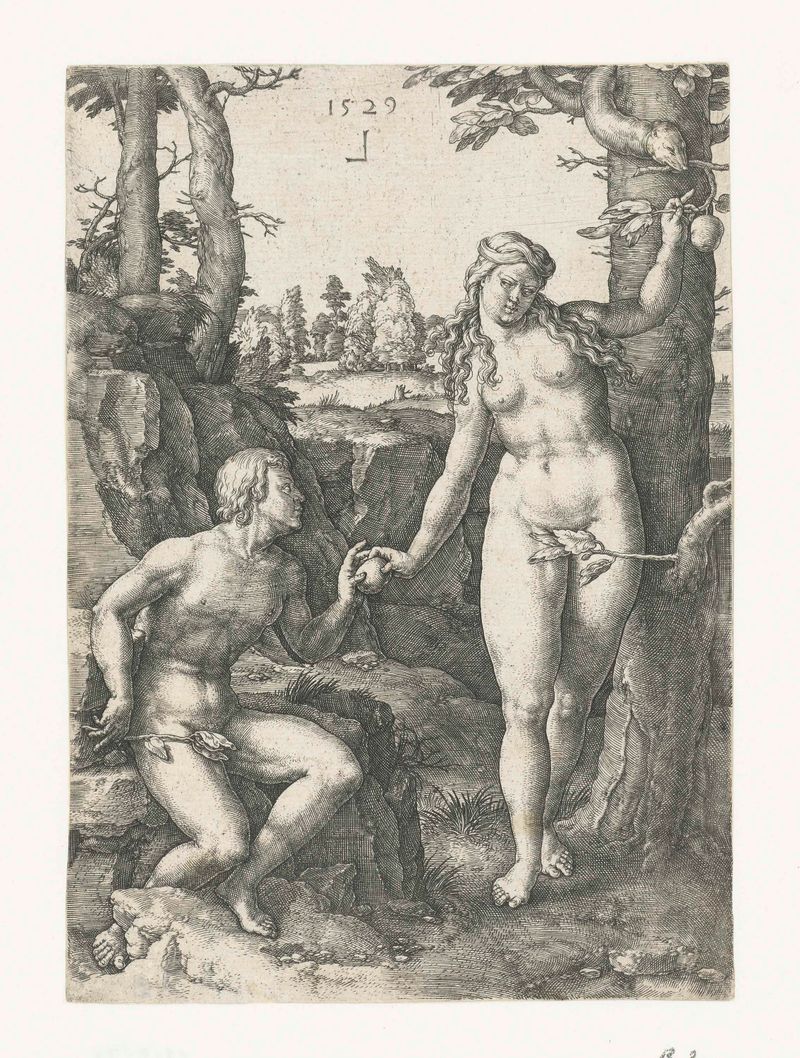
De zondeval
Lucas van Leyden
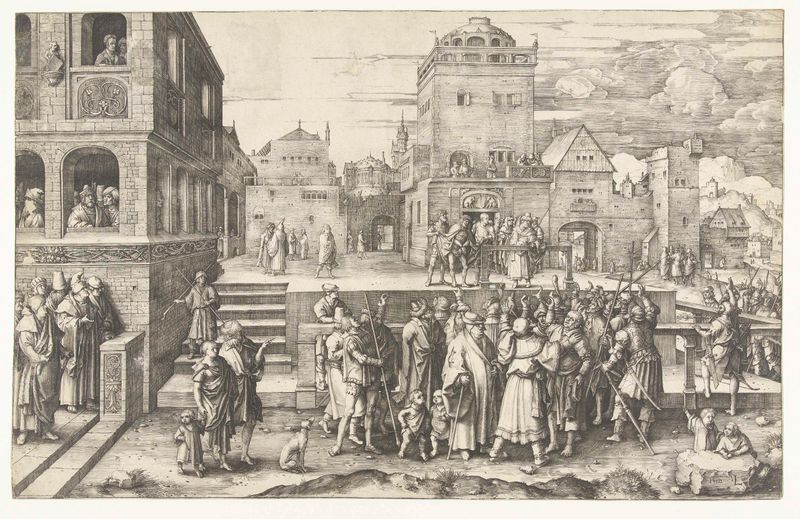
De grote Ecce Homo
Lucas van Leyden
Maria met kind
Lucas van Leyden

Doornenkroning
Lucas van Leyden
More Religious Art
Browse all →
The Return of the Prodigal Son
Rembrandt van Rijn

The Garden of Earthly Delights
El Bosco

Count Orgaz’ funeral
El Greco

The Hundred Guilder Print: the central piece with Christ preaching, the plate arched
Rembrandt van Rijn

The Descent from the Cross
Rogier van der Weyden

The return of the prodigal son
Rembrandt van Rijn